


Our Vehicle Emergency Kit is designed for roadside breakdowns and highway incidents for fleets, transit depots and long-haul trucks. It includes warning triangle, towing strap, jumper cables and essential roadside tools. Compact storage, easy access, ready for wholesale orders and custom branding for fleet buyers.
Note: Price for reference only. Exact price based on quantity, size, weight and custom details.
model no. :
BB-R7Brand:
YRFmarket price :
$39.8sale price :
$19.9price range :
30-500/$19.9Color :
Multiple Colorsport of dispatch :
Guangdong/GuangzhouPayment :
TT, Paypal, Western Unionmin order :
30original region :
Made in ChinaLead Time :
5-15days
 |

|
One kit cannot cover every roadside risk. The smart approach is a layered car emergency kit plan that matches each vehicle to its real use. A PP premium case covers trunk storage for passenger cars. A flat long pouch slides under a seat or behind a truck seat.
Together they give fleets and long-distance drivers a consistent roadside rescue kit at every vehicle. This is exactly what a automotive emergency kit is built for.
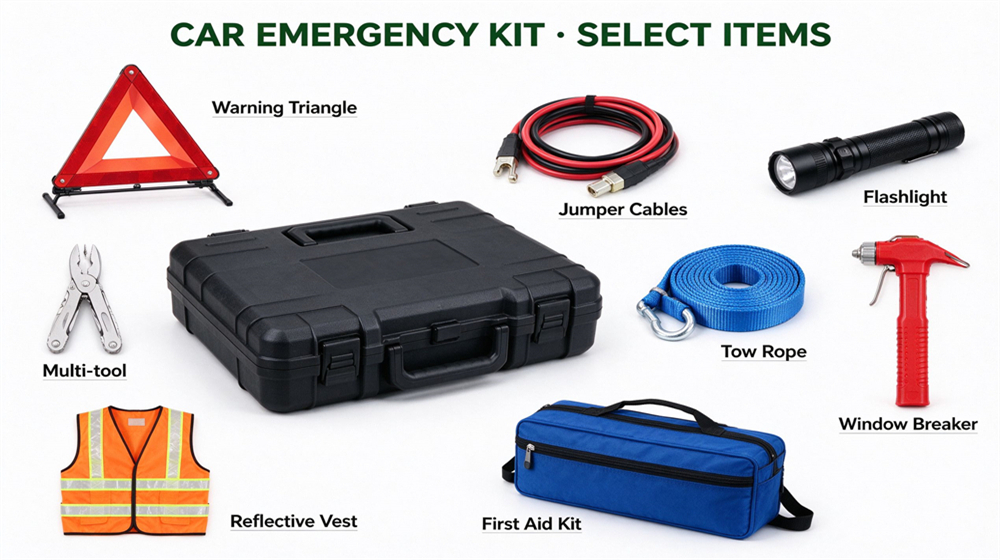
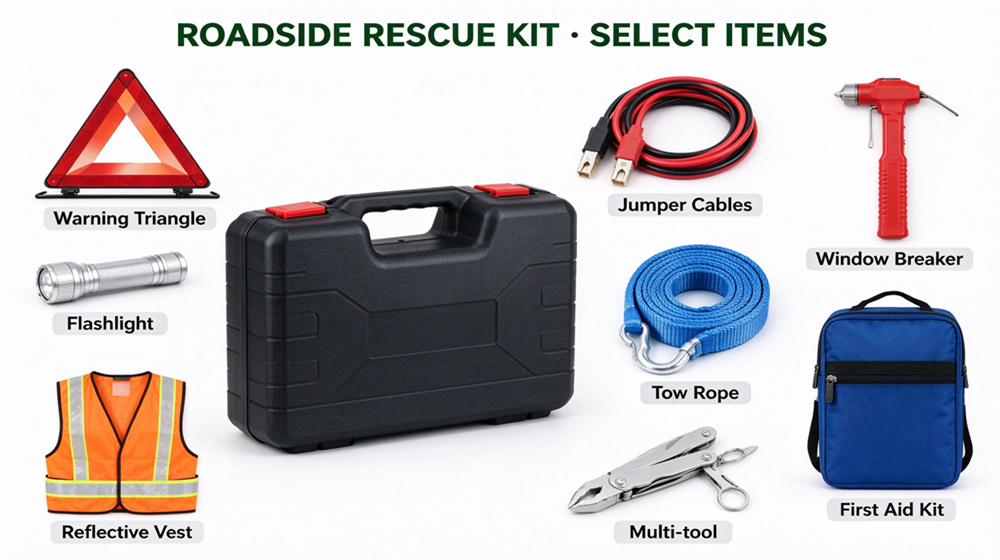
Roadside readiness means the tools are real, not decorative. A genuine triangle warning sign, an orange reflective vest and a pair of jump cables do the actual work when a car stops on a shoulder. Our vehicle emergency kit range ships these as tested, dry, shipment-safe components. No liquids, no alcohol, no chemicals.
Every piece is built to sit in a trunk for years. That rule applies to a driver emergency kit as well.
Buyers often ask which unit to source first. The practical answer: a PP premium case for passenger cars and SUVs, and a flat long pouch for fleet vans and long-haul trucks. The table below maps both to size, weight and best use. Start with one kit per vehicle, then add spares for the fleet pool.
That staged plan keeps coverage full and the budget defensible. Buyers sourcing a roadside safety kit should keep the same checklist in mind.
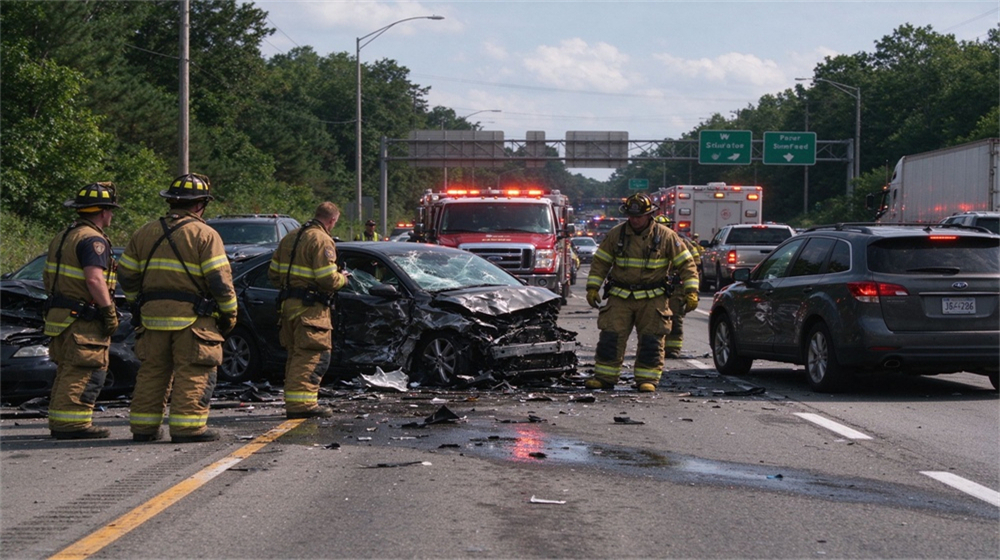
Every driver faces a roadside moment. A flat tire on a highway shoulder, a dead battery at a rest stop or a minor fender-bender in a parking lot. A vehicle emergency kit is the difference between waiting helplessly and acting fast. A car emergency kit keeps the first response local, safe and visible to passing traffic.
In this wholesale emergency kits for vehicle roadside rescue guide, we cover car first aid kit wholesale specifications, car emergency kit sizing, MOQ tiers and export documentation, so procurement teams can shortlist in one afternoon.
Staff and drivers cannot wait for a tow truck to bring tools. A triangle warning sign placed ten meters behind the car warns approaching drivers. A reflective vest makes the person on the shoulder visible. These two small items alone cut roadside risk dramatically. That is why a roadside rescue kit belongs in every trunk, not only in commercial fleets.
For fleets, the stakes rise further. A delivery van stopped on a city street blocks traffic and risks a secondary collision. A long-haul truck broken down on a dark highway needs visible warning tools within minutes. A consistent car emergency kit program means every driver reaches for the same familiar items.
No guesswork, no missing pieces, no empty pouch when it matters. This same logic guides every vehicle breakdown kit we ship.
Regulations across Europe increasingly require a vehicle emergency kit aligned with DIN13164 expectations. A triangle sign, a reflective vest and a basic first-aid set are the core. Our range follows this direction and flags medical-device items as certification-required. Buyers get a clear spec rather than a vague promise.
The true value appears on an ordinary evening. A driver pulls over, places the triangle, puts on the vest and checks the battery. Small, routine acts that turn a frustrating stop into a safe one. A well-packed roadside emergency kit makes those acts possible. That is the quiet reason fleets and families both keep one in the car.
Consistency is what a vehicle emergency kit really delivers. When every van in a fleet holds the same pouch, every driver acts the same way. New hires, part-time drivers and long-tenured staff all read the same layout. That shared standard turns a pouch in a trunk into a real safety system.
For a fleet coordinator, the benefit is control. One approved spec covers every vehicle, so there is no per-van decision. Restock after use follows one routine. That predictability is why roadside rescue kit programs scale so cleanly across a delivery fleet.
Think of a kit as insurance that rides with the car. It costs little, yet it protects the driver who steps onto a dark shoulder. When a breakdown occurs, the tools are already there. That readiness turns a frightening moment into a managed one.
Roadside and fleet buyers choose between two units below. The hard PP case bolts into a trunk corner for everyday cars. The flat long pouch slips behind a van seat for commercial fleets. Compare size, storage and best-use row by row before you quote either into your car emergency kit budget.
The PP case lives in a passenger-car trunk where rigid tools matter. The flat pouch lives in a van cab where long, flat storage matters. Buyers usually place one case per sedan and one pouch per light truck, so every driver reaches the tools without unloading luggage.
Once you have picked a shell, the next question is what goes inside. The table below lists every roadside tool by category — warning triangle, reflective vest, jumper cables, tow strap, tire gauge and first-aid pouch — so your fleet manager can audit the BOM before goods-in.
Item
PP Premium Car Case
Flat Long Vehicle Pouch
Size
255×165×80 mm
440×130×55 mm
Weight
about 0.8 kg
about 0.4 kg
Material
Red and black PP hard case
Gray and red 300D polyester
Best for
Passenger car trunk
Fleet van / truck cab
Colors
Red and black
Gray and red
Carry
Secured in trunk
Slides under seat / door pocket
Content focus
Triangle, vest, cables, first-aid set
Compact triangle, folded vest, dressing pack
Check the warning triangle and reflective vest first. Those two items protect the driver who steps onto a dark shoulder. If your fleet runs in winter, upgrade the jumper cables to 4 AWG copper and add a snow scraper before you ship the first batch.
Our range for vehicle buyers rests on two proven units. The PP premium car case serves trunk storage for passenger cars and SUVs. The flat long vehicle pouch serves fleet vans, long-haul trucks and any space where a rigid box will not fit. Each roadside emergency kit solves a different storage problem.
A PP hard case protects contents from impact and trunk clutter. A flat long pouch slides under a seat, behind a truck cab or in a door pocket. Buyers often choose both: the hard case for family cars, the slim pouch for commercial fleets. This layered approach covers both daily driving and long-distance transport without overlap.
Placement matters as much as contents. Keep the hard case where the trunk floor is clear, secured so it does not slide. Keep the pouch within arm's reach of the driver's seat. Mark each unit with a clear first-aid cross so everyone reads the location instantly when the trunk opens.
The contents differ for a reason. A hard case adds capacity: a full triangle sign, a folded vest, jump cables and a basic first-aid set. A slim pouch focuses on the essentials: a compact triangle, a folded vest and a small dressing pack. Neither replaces the other.
Think of the split as two layers in one plan. The hard case answers the trunk. The pouch answers the seat. Together they cover the full range of roadside needs without waste. A fleet coordinator can start lean and grow. Begin with one pouch per van, then add hard cases for family-car customers.
Choosing the right unit starts with a short walk around the vehicle. Measure the trunk floor. Check under the passenger seat. The first drives the hard case count. The second drives the pouch count. Keep one rule in mind: a kit works when it is close to the driver who needs it.
Budget follows the same logic. One pouch per van is the smallest honest start. Add hard cases only where trunk space and risk demand them. This staged approach keeps costs low while coverage grows.
Category
Items
Warning
Triangle warning sign (folding, stable base) ×1
Visibility
Reflective safety vest (orange with yellow stripes) ×1
Jump start
Jump cables (copper-clad aluminum, sturdy clamps) ×1 set
Towing
Towing rope (rated, with hooks) ×1
Wound care
Medical gloves ×4; triangular bandage ×2; gauze pad set; adhesive bandage set
Respiratory
Disposable masks ×5
Tools & light
Compact flashlight (alkaline cells, UN38.3 + MSDS if lithium) ×1
The PP premium car emergency case is built for trunk storage. The PP Premium Case is a compact red and black PP hard case sized 255 by 165 by 80 mm. It carries a triangle warning sign, a reflective vest, jump cables and a basic first-aid set aligned with DIN13164 expectations.
It belongs in the trunk of a passenger car, SUV or family wagon. Its rigid shell protects contents from groceries, luggage and trunk clutter. The white cross on the lid reads as a safety unit from across the trunk. That instant recognition is the whole point of a hard case.
PP hard plastic is chosen for a reason. It is rigid, light and easy to wipe clean. It holds its shape on a bumpy road and protects the contents behind a hinged lid. We align the list with common roadside expectations and avoid items that do not ship safely. No liquids, no alcohol, no chemicals.
The interior uses divided trays, so each category has a home. A triangle sign sits in one tray, a folded vest in another. A quick restock check becomes a visual scan rather than a deep dig. That keeps maintenance fast and audits simple for a fleet.
For car first-aid kit buyers, the compact size suits a passenger trunk. Smaller than a wall box, lighter than a rescue rucksack, it disappears into a corner of the trunk. Ask us to match the tray list to your local roadside checklist.
Restock after each use keeps the case honest. When a dressing is used, replace it the same day. A running list inside the tray shows what is missing. That small habit keeps every PP case full and current between rotations.
For families and small fleets, this is the starting unit. It pairs naturally with a flat long pouch for commercial vehicles. Ask us for the full contents list matched to your roadside requirements.

Match each row to your real vehicle type. A sedan in the city needs the compact trunk case. A long-haul truck needs the flat pouch behind the cab. Never push a van-sized pouch into a sedan glove box — it will not fit.
Your Vehicle Type
Storage Space
Kit to Choose
Where It Goes
Passenger car / SUV
Trunk floor
1 × PP Premium Case
Secured in trunk corner
Delivery van / fleet
Under seat / door pocket
1 × Flat Long Pouch
Within arm's reach of driver
Long-haul truck
Cab sleeper area
1 × PP Premium Case + 1 × Flat Long Pouch
Both trunk and cab
The overview above skips the rows fleet managers argue about — shell material, cable gauge, tow-strap breaking strength and certificate set. The table below fills those gaps so you can audit the two units on spec, not on shape.
Pick by where the unit rides, not by price alone. The PP case lives in a fixed trunk corner. The flat pouch lives behind the driver’s seat. A mixed sedan-and-van fleet carries both, in the ratio of one case per car and one pouch per light truck.
Feature
PP Premium Case
Flat Long Pouch
Format
Standard Vehicle Rescue Case
Standard Vehicle Rescue Pouch
Format
Red and black PP hard case
Gray and red polyester pouch
Best for
Passenger car trunk
Fleet van / truck cab
Size
255×165×80 mm
440×130×55 mm
Content focus
Triangle, vest, cables, first-aid set
Compact triangle, folded vest, dressing pack
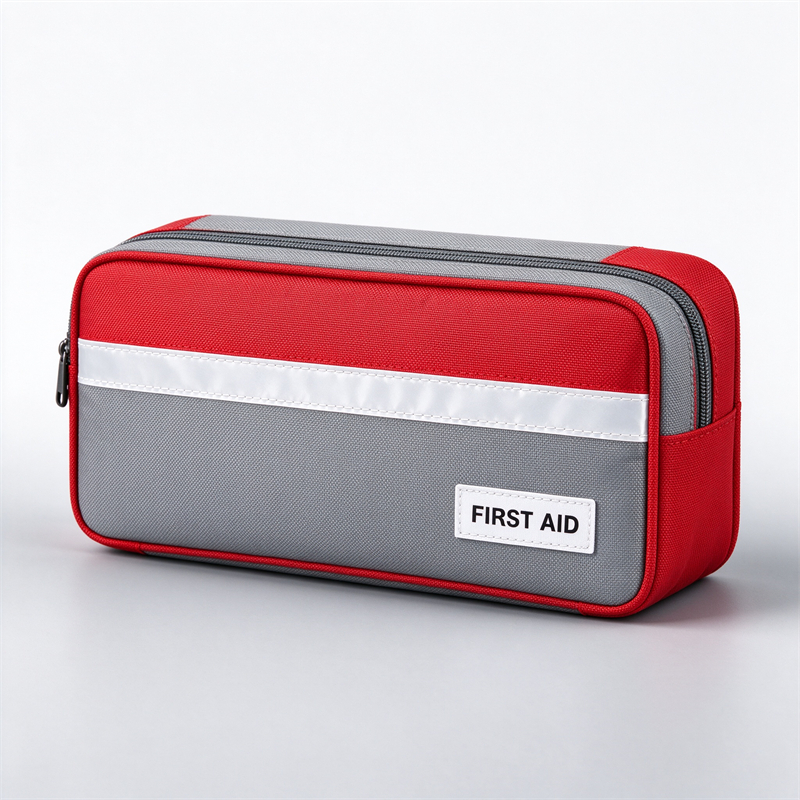
The flat long vehicle pouch is built for tight spaces. The Flat Long Pouch is a slim gray and red 300D polyester pouch sized 440 by 130 by 55 mm. It carries a compact triangle sign, a folded reflective vest and a basic first-aid pack. It slides under a seat, behind a truck cab or in a door pocket.
A flat long pouch solves a different problem than a hard case. The hard case protects contents in a trunk. The pouch fits where a box will not. That is why it is the preferred unit for fleet vans, delivery trucks and long-haul cabs where every inch of storage matters.
The pouch unzips wide, so every item is visible at once. A compact triangle sign folds in one half. A folded vest fills the other. A small dressing pack sits in a side pocket. This organized interior lets a driver grab the right item without emptying the whole pouch.
We keep the contents shipment-safe. The pouch holds no liquids, no alcohol and no chemicals. Medical-device items are flagged as certification-required. That care protects both the cargo and the driver who receives it.
For fleet emergency kit programs, the flat long pouch repeats with the same layout at every vehicle. A driver knows exactly where the triangle and the vest live. That familiarity matters most in real events, when traffic is rushing past and time is short.
The pouch's gray and red body carries a white cross. We can print a fleet name on the outer pouch for branded programs. The cross stays the primary safety signal. A restrained mark looks professional and stays legible in low light.
Stage the pouch within arm's reach, not buried under cargo. A door pocket or under-seat slot keeps it ready to grab and go. Placement is half the value: a pouch that takes five minutes to find is a pouch that fails its purpose.
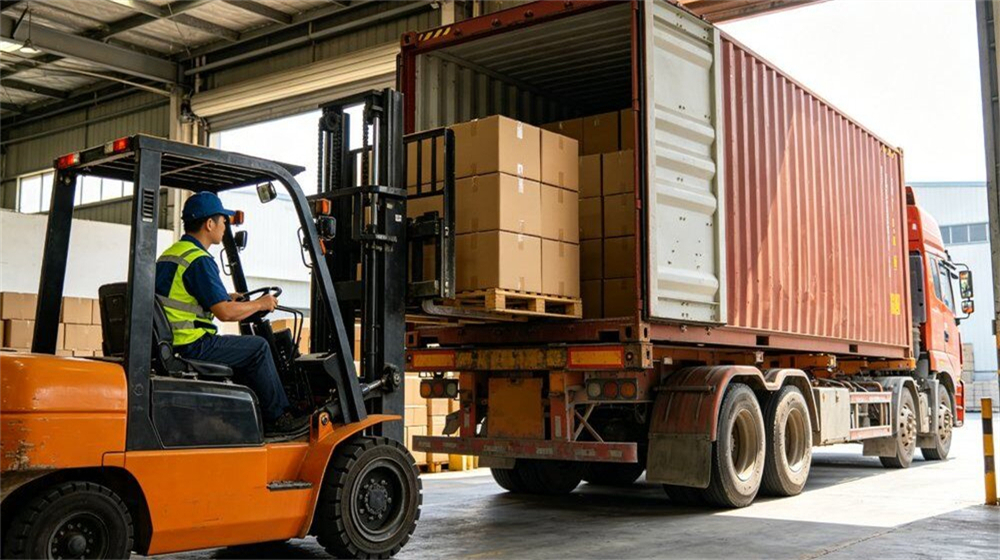
A roadside emergency kit is only as good as its tools. A triangle warning sign must stand firmly on asphalt. A reflective vest must catch headlights at dusk. Jump cables must carry enough current to start a dead battery. We select these items for real roadside use, not for shelf decoration.
A genuine triangle warning sign folds flat and opens on a stable base. It is placed ten meters behind the stopped car on a highway, closer in town. The orange reflective vest uses bright orange and yellow stripes to catch passing headlights. We alternate orange and yellow tones across the range so no two kits look identical.
Jump cables use copper-clad aluminum with sturdy clamps. A towing rope adds capacity for pulling a stuck vehicle from a ditch. A compact flashlight uses alkaline cells, never loose lithium. Every piece ships dry and sealed. We avoid breakable window hammers shaped like toy mallets. Each tool is the real item a driver needs on the shoulder.
For fleets, this means restock is predictable. A worn vest is replaced by the same model. A missing triangle is reordered to the same spec. That consistency is the quiet strength of a sourced roadside rescue kit rather than a box of random gadgets.

Roadside and fleet orders run on paperwork. Buyers expect a clear specification, a contents list and documents that support the order. We support this with a data pack available on request: product specifications, contents lists, packing details and quality statements. Our manufacturing partner prepares these to match your format.
We do not claim registrations we do not hold. Where a bid asks for a specific certificate, we respond honestly about what is available and what can be arranged. Medical-device items are flagged as certification-required. Clear facts beat vague promises when a buyer reviews a submission.
Compliance documents follow the destination market. For Europe, we align with common CE and REACH expectations and provide what is on hand. Our vehicle emergency kit range avoids liquids, alcohol and chemicals, so air shipments stay uncomplicated. Lithium-powered accessories, where included, carry UN38.3 and MSDS.
A written spec also protects the buyer. When a kit arrives, the receiver checks it against a clear list. If a product changes later, the written record holds. That clarity is the quiet backbone of a compliant fleet purchase.
Ask us for a sample kit first. Seeing the actual case, the pouch and the marking lets a buyer decide with confidence. A trial unit de-risks the order before a full fleet rollout.

Large orders for a vehicle emergency kit move on pallets. We pack kits by set, label each carton and stack on standard pallets. A clear packing list names each kit and its destination, so unloading takes minutes. For fleet buyers, this is the practical way to receive a complete order.
Pallet packing protects the goods in transit. Cartons are stacked and strapped so nothing shifts on the road. PP cases are packed to withstand normal handling. The goal is a delivery that arrives complete, dry and ready to shelve.
We pack by vehicle type or by depot for large programs. An order for multiple vans can arrive grouped by destination. A coordinator hands each pallet straight to the right depot. That grouping turns a single delivery into a tidy hand-off.
Container shipments follow the same care. Goods are loaded to fill the container safely, with weight balanced and goods braced. We coordinate the booking and the export documents. The buyer receives a clear arrival plan rather than a vague promise.
One contact owns the shipment. That person handles the booking, the documents and the arrival. When a question arises at the port, the buyer calls one number. For the exact freight cost, share your volume and destination. We return a clear figure based on the current route.

Vehicle type decides the kit mix. The table below pairs each vehicle — sedan, SUV, light truck, cargo van — with the storage space, the recommended kit and the placement your driver should drill.
Use this table as your fleet map, not as a maximum. Start with one kit per vehicle, then add a spare triangle and vest per shared pool. Winter fleets always get an extra ice scraper and a pair of thermal gloves, regardless of vehicle type.
Vehicle type decides the kit mix for any car emergency kit program. Count the vehicles that share the risk first, then size the kit to match. A passenger car uses one PP hard case in the trunk. A delivery van adds a flat long pouch under the seat. A long-haul truck carries both.
This modular rule keeps coverage full and cost predictable. Pricing for wholesale emergency kits for vehicle roadside rescue is tiered by container volume; as a car first aid kit wholesale , we quote landed costs that include roadside rescue kit consumables, custom packaging and pre-shipment QC.
Beyond the table, keep spares on hand. Order a few extra kits for damaged or expired units. A small buffer stock keeps the fleet running without a rush order mid-cycle. Most fleets keep one spare per ten vehicles.
Record the location of every kit. A simple list by vehicle helps a coordinator audit in minutes. It also shows a buyer that the plan is real. A named vehicle beats a vague promise of coverage on paper.
Revisit the count each year. Fleets change and vehicles are replaced. A quick update to the list keeps the kit mix accurate. This ten-minute habit is the cheapest part of a strong roadside safety plan.
Vehicle Type
Storage Space
Recommended Kit
Placement
Passenger car / SUV
Trunk floor
1 × PP premium car case
Secured in trunk corner
Delivery van
Under seat / door pocket
1 × flat long pouch
Within arm's reach of driver
Long-haul truck
Cab sleeper area
1 × PP case + 1 × pouch
Both trunk and cab
Fleet pool vehicle
Mixed
1 × pouch + spare case
Standardized per vehicle

Quality control on every vehicle emergency kit starts at the production line. Our manufacturing partner runs each order through a set check before packing: contents count, compartment layout, marking and outer-case condition. A simple inspection sheet records the result. That written trail is what a buyer values most.
Every kit is built to a fixed bill of materials. When a repeat order arrives, it follows the same list as the first. There is no drift between batches. This consistency means a training script written for order one still works for order fifty.
Materials are chosen for real use. PP cases must be rigid and cleanable. Polyester pouches must be durable and easy to unzip. Vests must use reflective tape that lasts. We avoid exotic items that are hard to restock or unsafe to ship.
We support sample approval before a full run. A buyer that sees the actual case, the pouch and the marking can approve with confidence. A trial unit locks the spec before mass production. That prevents a batch that misses the mark.
Factory information stays protected in our work. We present the product and the paperwork, never the factory's identity. One trusted face carries the whole program.

Not every item ages the same. Dressings and masks carry expiry dates. Vests, triangles and cables last for years. A well-stocked car emergency kit stays current with a rotation plan. Battery-powered accessories use alkaline cells, never loose lithium in a pouch.
For repeat orders, our vehicle emergency kit supplier account team reorders the same roadside rescue kit configuration, keeping wholesale emergency kits for vehicle roadside rescue pricing stable across quarters.
A rotation schedule keeps the program honest. Mark a fixed check date each year and put it on the calendar. A coordinator walks the list, replaces used and dated items, and signs the log. A scheduled check beats a forgotten one and keeps audits calm.
Keep a small stock of common spares. Vests, triangles and dressings live on one shelf. When a kit is opened during the year, the restock comes from that shelf. That single buffer solves most mid-cycle needs without a fresh order.
The case itself should last. PP cases are built for years of trunk service. Polyester pouches hold up to regular unzipping. A well-built outer unit protects the consumables inside. Spending on a durable case saves money over the long run.

Bulk buyers of vehicle emergency kit programs can brand kits with a fleet name and mark. Branded car emergency kits keep the same safety layout while carrying your identity. We print your text on the PP case lid and on the flat pouch.
Custom work keeps the same quality and the same safety layout. Only the surface changes. The white cross stays the primary symbol, with the fleet mark as a secondary touch. Ask about minimum order and lead time for your program.
Branding makes the kit a visible part of the fleet. A case with your name sits clearly in the trunk. Drivers see a planned safety system, not a random pouch. That small detail builds real trust over time.
For a whole fleet, uniform branding unifies the rollout. Every van shares the same look and the same layout. Restock and audits stay simple because one spec covers all.
A bulk vehicle emergency kit program starts with a simple plan. List every vehicle, note its type and storage space, and pick a uniform kit. Then order in one batch so every van matches and restock stays easy.
Begin with one flat long pouch per delivery van. Add a PP hard case per family car or SUV. Long-haul trucks carry both. That staged plan covers both daily driving and long-distance transport without gaps.
Bulk also means consistent stock. When one batch arrives, every vehicle opens the same kit. Training, inspection and replacement all follow one routine. That uniformity is the quiet strength of a fleet-wide program.
For large orders we can brand the full run and pack by depot. Delivery can be phased across depots when storage is tight. We adjust the program to the receiver, not the other way around.
A single contact makes the rollout simple. One person owns the order, the specs and the restock cadence. We work with that owner end to end. A clear packing list arrives with every order, naming each kit and its destination.
For fleets and drivers who want one trusted source, our Vehicle Emergency Kit range is the clear starting point. It pairs a compact PP hard case with a slim flat long pouch, giving every vehicle a consistent roadside rescue kit .
Bulk buyers get uniform vehicles, simple restock and a full roadside safety program. Sourcing car emergency kits from one supplier keeps every van consistent. A single bulk order covers passenger cars, delivery vans and long-haul trucks in one compliant batch.
Need a full fleet program or custom branding? We supply every vehicle in one batch, with your name on the case and the pouch. Send us your vehicle count, your depot list and your destination port. We will quote a complete package for your fleet.

Open the bag and you will find every item below, pre-packed in labeled pouches. This is the exact contents list your team can audit against. Each row shows the English item name, quantity, spec and shelf life so your safety officer signs off in minutes.
#
Item (English)
Qty
Spec
Shelf life
1
Adhesive Bandage, assorted
20 pcs
assorted sizes
3 years
2
Sterile Gauze Pad
5 pcs
7.5 x 7.5 cm
5 years
3
Conforming Bandage
1 roll
5 cm x 4 m
5 years
4
Trauma Pad
1 pc
20 x 20 cm, sterile
5 years
5
Triangle Bandage
1 pc
non-woven
5 years
6
CPR Face Shield
1 pc
one-way valve
5 years
7
Nitrile Gloves
4 pairs
8-mil, size L
3 years
8
Safety Vest, hi-vis orange
2 pcs
ANSI Class 2, 3M tape
1 year
9
Warning Triangle
1 pc
E-Mark certified, folding
5 years
10
Tire Pressure Gauge, digital
1 pc
0-100 psi, backlit
permanent
11
Jumper Cables
1 set
4-gauge x 3 m, clamps insulated
permanent
12
Tow Rope
1 set
8 mm x 5 m, 4-ton capacity
5 years
13
LED Flashlight
1 pc
200 lumen, 3xAAA
3 years
14
Roadside Emergency Beacon
1 pc
LED, magnetic base, 360-deg
3 years
15
Seatbelt Cutter / Glass Breaker
1 pc
2-in-1, hardened steel tip
permanent
16
Multi-Tool Pliers
1 pc
9-in-1, stainless
permanent
17
Work Gloves, leather
1 pair
heavy-duty, double palm
permanent
18
Thermal Blanket, Mylar
2 pcs
210 x 160 cm
5 years
19
Emergency Poncho
2 pcs
PVC-backed, hooded
5 years
20
Antiseptic Wipe
10 pcs
70% IPA
3 years
21
Burn Gel Sachet
5 pcs
3.5 g
3 years
22
Tweezers, stainless
1 pc
slanted tip
permanent
23
Scissors, medical
1 pc
14 cm, stainless
permanent
24
Safety Pins
6 pcs
rust-resistant
permanent
25
Notebook + Pencil
1 set
waterproof, 30 sheets
permanent
26
First Aid Guide, English
1 pc
pocket-size
permanent
27
Sealable Bag
2 pcs
heavy-duty, zip
permanent
28
Emergency Contact Card
1 pc
roadside / insurance printed
permanent
29
Cable Ties
8 pcs
200 mm, UV-resistant
permanent

Buyers ask us the same ten questions before approving a Vehicle Roadside Rescue Kit for export. Here are the numbers — size, weight, shell, temperature, waterproof rating, battery, shelf life, load, straps, reflective trim, certifications and packing.
Audit three rows at goods-in first — folded size, working temperature and jumper-cable gauge. If your fleet runs in desert summers above 45 °C, confirm the PP shell is UV-stabilized before you sign the invoice.
Parameter
Value
Folded size
38 x 28 x 15 cm
Folded (closed)
38 x 28 x 15 cm
Empty weight
3.2 kg loaded
Shell material
600D Oxford + PVC backing
Color
Black / Orange accent
Operating temperature
-30 C to +60 C (trunk / cabin storage)
Waterproof rating
IPX4 (splash-resistant)
Battery type (flashlight / beacon)
3 x AAA alkaline, 10 hr typical
Shelf life (consumables)
3 years from production date
Load-bearing capacity
10 kg internal
Straps
top handle + adjustable shoulder strap
Reflective trim
3M Scotchlite, 2.5 cm, all four sides
Certifications
CE, E-Mark (warning triangle), ANSI/ISEA 107 Class 2 vest
Packing
1 pc / polybag, 20 pcs / export carton, 50 x 35 x 40 cm
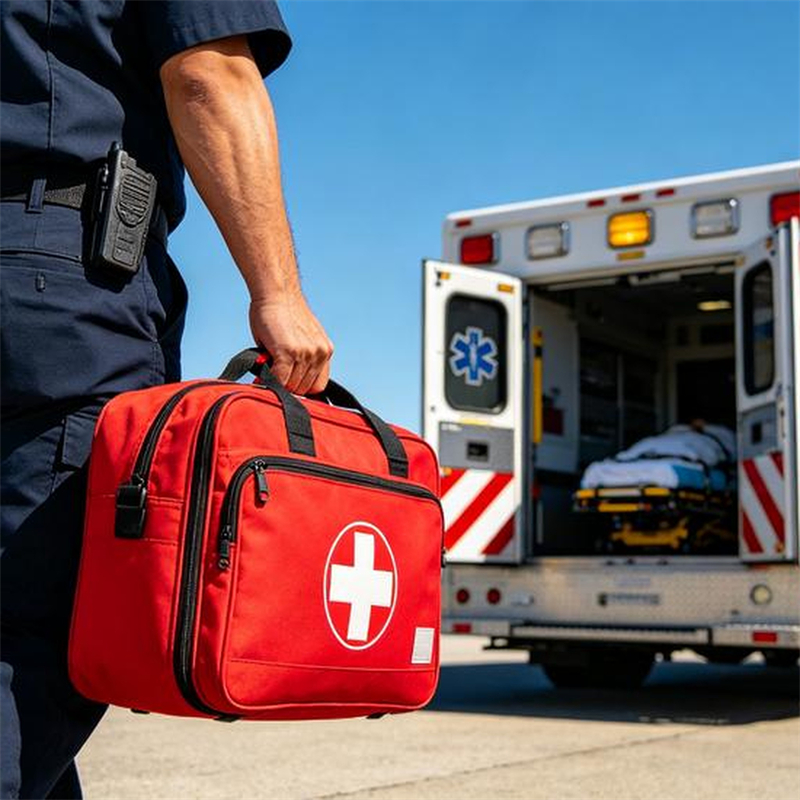
Not every site needs the same Vehicle Roadside Rescue Kit. Use this decision tree to match the pack to your real hazard profile. Send us the row that matches your site and we will quote the exact BOM.
Send us the row that matches your fleet and we will quote the exact BOM. Add one US-spec triangle for every North America-bound vehicle, and one reflective vest per passenger seat. Most buyers start with the sedan row and scale to the truck tier in year two.
Site profile
Condition
Recommended kit count
Add-ons
Sedan / passenger car
Single vehicle, urban
Standard trunk kit, 38 x 28 x 15 cm
Add US-spec triangle for North America
SUV / pickup
Light off-road, rural
Standard kit + extra tow rope
Upgrade jumper cables to 2-gauge for 3.0L diesel
Delivery van / box truck
Fleet, urban delivery
Standard kit per vehicle + 5% spare kits in depot
Number each kit for asset tracking
Heavy truck / coach
6.5L+ diesel, highway
Upgrade to 2-gauge x 4.5 m cables
Add triangle with E-Mark for EU routes
Mixed fleet
Sedan + van + truck
Tiered kit per vehicle class
Single PO, split delivery by depot

You get more than a bag. Every kit ships with a 25-point QC checklist signed by a named inspector — fabric thread count, zipper pull test, stitching density, MOLLE webbing test, expiry date stamp, weight check, carton drop test, IPX5 water test, and 17 more gates.
Monthly production capacity is 100,000 kits. We export to 40+ countries and have shipped industrial emergency programs for 8+ years. Certifications on file: CE, ISO 9001:2015, BSCI, REACH, ANSI Z87.1, E-Mark.
After-sales support: lifetime technical support from your named contact. We stand behind what we pack.

YRF Textile Co., Ltd
Bulk emergency kits, fall protection gear and rescue vests for tower, wind and high-rise crews worldwide.
Contact
Email: info@yrftextile.com
Export-ready, OEM and mixed-pallet orders welcome.
Company
About Us · All Emergency Kits
We work with families and communities worldwide. Whether you order a single kit or a container load, our team quotes within 24 hours and ships with FOB, CIF and DDP terms.
Previous :
Hazardous Chemical Emergency Kits for Industrial Spill ResponseNext :
Emergency Kit Shelf Life & Consumable Replacement Guide Factory Customized Red Cross Disaster relief Med Kit Bag With Multi-purpose compass
GREAT DESIGN - Comfortable design is perfect for all uses and for carrying a wide variety of tools and equipment. You'll find that, whatever you're looking to carry, the YRF Custom Oxford Material Multi Functional Camouflage Tactical Waist Bags is the perfect choice.
 Medical Care Stockpile Metal wire saw Card tool Survival Aid Kit with 16 Pcs Safety Kit
GREAT DESIGN - Comfortable design is perfect for all uses and for carrying a wide variety of tools and equipment. You'll find that, whatever you're looking to carry, the YRF Molle Tactical First Aid Kits Medical Bag Tablets is the perfect choice.
 Outdoor Medical Care Disaster relief First Aid Kit Empty Pouch And Ice Pack Emergency Tool
GREAT DESIGN - Comfortable design is perfect for all uses and for carrying a wide variety of tools and equipment. You'll find that, whatever you're looking to carry, the YRF Mini First Aid Kit Bags And Pouches is the perfect choice.
 High Quality Camping Emergency Face Mask Survival First Aid Kit for Institutional Donation
GREAT DESIGN - Comfortable design is perfect for all uses and for carrying a wide variety of tools and equipment. You'll find that, whatever you're looking to carry, the YRF Outdoor Camping Emergency Kits Tactical First Aid is the perfect choice.
 ICRC Supplies Fluorescent stick first aid medical bags 600d Nylon Emergency Safety Tools Kit
GREAT DESIGN - Comfortable design is perfect for all uses and for carrying a wide variety of tools and equipment. You'll find that, whatever you're looking to carry, the YRF Hunting Survival First Aid Kit Bag Molle Tactical is the perfect choice.
 Hot Selling Governmental Institutions List Descender Firefighting Tools Empty Pull Rod First Aid Kit
GREAT DESIGN - Comfortable design is perfect for all uses and for carrying a wide variety of tools and equipment. You'll find that, whatever you're looking to carry, the YRF Tactical Complete First Aid Kit is the perfect choice.
Copyright © Custom Disaster - Relief Bedding: Tents, Sleeping Bags, Blankets All Rights Reserved
the professional team to service !


