


Our heavy duty high temperature insulated coverall adopts multi layer aluminized fabric to block radiant heat and molten metal splash. This reusable thermal suit supports long shift operation for foundry, steel mill and smelter furnace work. Complete kit includes hood, gloves and boots. Batch test reports, custom logo and bulk wholesale service are available for industrial safety procurement.
Note: Price for reference only. Exact price based on quantity, size, weight and custom details.
model no. :
XFF-17Brand:
YRFmarket price :
$119.8sale price :
$59.9price range :
30-100/$59.9Color :
Multiple Colorsport of dispatch :
Guangdong/GuangzhouPayment :
TT, Paypal, Western Unionmin order :
30original region :
Made in ChinaLead Time :
5-15days
We supply high temperature insulation coveralls in bulk from China for foundry, steel mill, and industrial plant workers requiring full-body heat protection. This multi-layer heat coverall with built-in insulation layers, sealed closure system, and aluminized reflective outer surface provides reliable thermal protection for long shifts in high-heat industrial environments. Full specs, sizing, certification, and wholesale pricing below.

 |

|

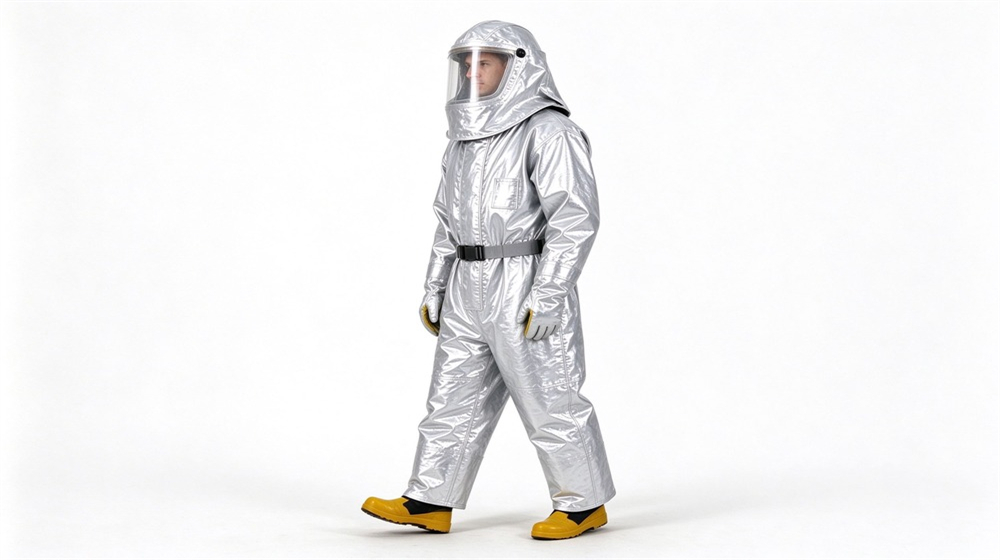
High temperature insulation coverall pair display, ready for foundry bulk supply. Wholesale buyers receive the complete kit from one factory, so the multi-layer fabric, sealed closure and sizing stay consistent across every order. The built-in insulation layer keeps radiant heat off the body during long shifts, and the batch test report ships with the goods for customs and end-user checks. Ordering in bulk from China shortens lead time because the full set is produced and inspected on one line before packing.

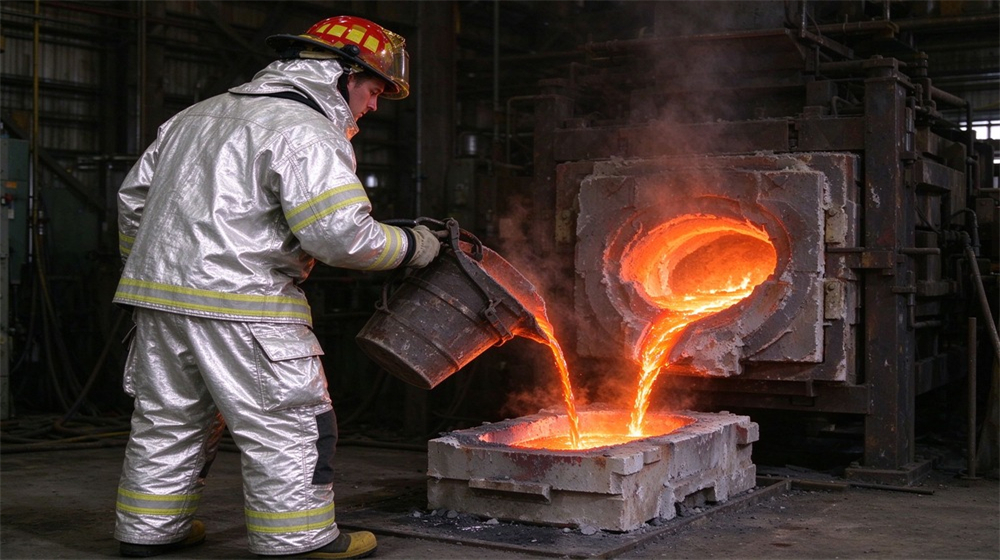
Foundry crews pour molten metal in thermal insulation work suit protection during tapping and casting. The sealed closure keeps hot metal vapor and radiant heat out, while the multi-layer build adds a comfort lining that reduces heat buildup on the skin. Workers report easier arm and shoulder movement when handling ladles, which matters when the pour stream is close to the body. The coverall also stops small splash droplets from clinging to the fabric, so crews stay dry and light during a full pour cycle.
Glass furnace teams rely on the glass furnace protective suit for infrared inspection near the tank opening. The reflective shell lowers the heat load during long inspection rounds, and the adjustable hood, insulating boots and gloves complete the enclosure. The suit is designed to keep the wearer mobile while checking glass levels through the furnace sight hole, and wholesale buyers can order extra hoods and gloves since these parts wear fastest in daily furnace work.
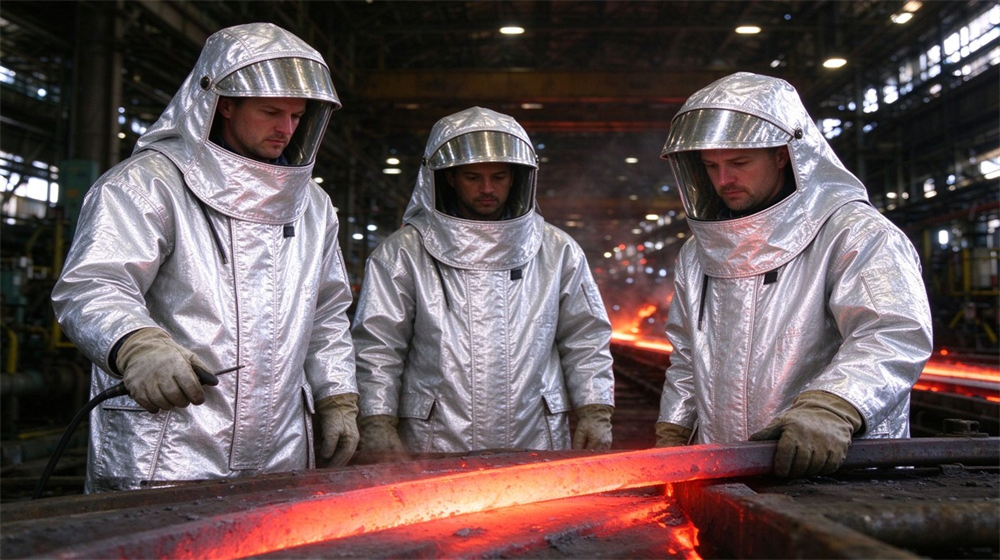
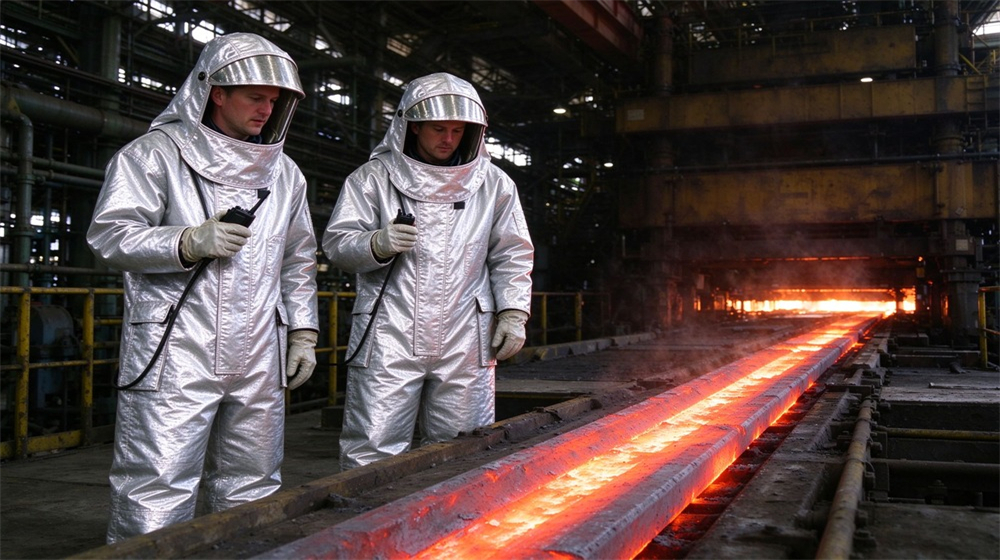
Steel hot rolling crews wear the steel plant heat suit beside red hot steel, where radiant heat is highest. The multi-layer construction blocks both direct flame contact and the heat radiating off the mill table, while the reflective surface reduces heat buildup during long exposure. The suit keeps workers mobile on the production floor, and sizing covers 160-190 cm so mixed teams can order matching sets from one supplier. Every suit is checked against the batch test report before packing, so buyers receive consistent protection across the whole order.
See how the multi-layer heat coverall compares with a standard work uniform in fabric, coverage and heat ratings. The built-in insulation layer and batch test report make the difference visible for buyers comparing suppliers before placing a wholesale order. For foundries, glass plants and steel mills, this coverall delivers protection where radiant heat is highest while keeping crews comfortable on the floor.
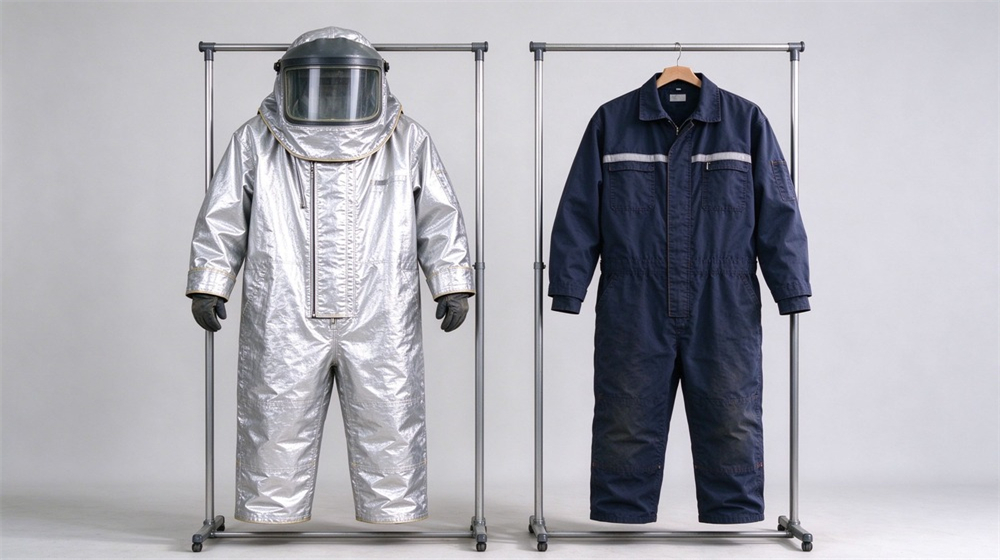
Table of Contents
Summary: this multi-layer high temperature insulation coverall uses a 5HL heat insulation construction with a reflective outer layer and built-in insulation layers for long duration heat protection in foundry, glass furnace and steel plant work. The one-piece coverall uses a sealed closure without an exposed zipper, and insulating boots DBS4, insulating gloves Class 00-4 and the firefighter hood RMT-MA complete the kit. A batch test report is included with every shipment.
A high temperature insulation coverall protects by trapping heat in an internal insulation layer rather than only reflecting it from the surface. This is the key difference from aluminized proximity suits, and it is why furnace teams choose an insulation coverall for long shifts near radiant heat sources. The multi-layer heat coverall gives a worker a protective buffer that slows heat transfer to the body over time, which matters when a shift runs for hours beside a furnace or kiln. The result is a thermal insulation work suit built for sustained exposure rather than brief emergency entry.
Furnace fronts deliver radiant heat continuously, and crews working casting, tapping and inspection posts absorb that heat for the whole shift. A heat resistant coverall with a built-in insulation layer lowers the heat load on the body during these long duration heat protection tasks. The insulation layer does the main work: it delays heat from reaching the skin, giving the wearer more working time before discomfort slows the job. This is exactly the specification gap that furnace safety teams evaluate when comparing insulation coveralls against lighter hot work clothing.

Many high-heat work areas combine radiant heat with moisture from cooling lines, quench tanks and steam release points. The MirPro-Kit-473 insulation coverall is designed for humid high-heat industrial environments, so the heat insulation suit keeps working where steam and heat appear together. The outer reflective surface handles the radiant component while the insulation layer manages the conductive component, and the sealed closure prevents hot air from circulating inside the garment. This combination is why the heat protection coverall is specified for furnace rooms rather than only for dry hot shops.
Typical posts include induction furnace operation, glass furnace inspection, steel hot rolling, aluminum smelting and welding. Each role shares the same exposure profile: sustained radiant heat with limited opportunity to step away. The multi-layer heat coverall covers the whole body in one piece, and insulating boots, insulating gloves and the firefighter hood close the gaps at hands, feet and neck. Matching the foundry heat protection suit to the job means choosing the right accessory set, not a different garment for every station.
The protection level of a high temperature insulation coverall is set by the layer construction, the closure system and the accessory set, not by a single fabric weight. For furnace posts with whole-shift exposure, the full 5HL configuration with insulating boots, insulating gloves and the hood is the standard choice. For support roles further from the heat source, the base coverall alone is often enough. Confirm the shift length and the distance from the heat source at quotation stage, and we will match the heat insulation coverall configuration to the actual duty.
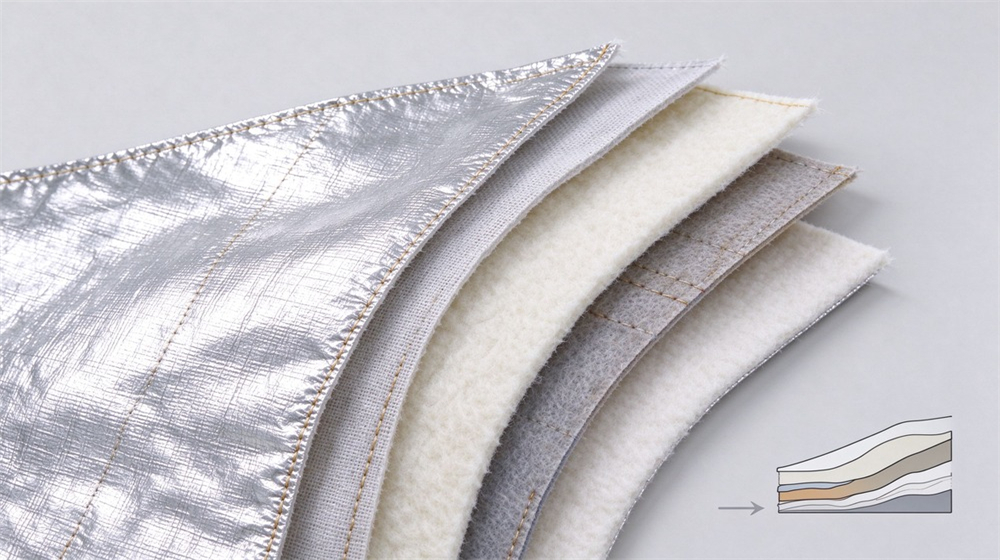
The 5HL construction stands for five functional layers inside the high temperature insulation coverall. Each layer has a defined job: the reflective outer layer handles radiant heat, the insulation layers delay conductive heat, the moisture barrier handles humid furnace environments and the comfort layer keeps the suit wearable for long shifts. Together they form the multi-layer heat coverall that furnace teams rely on for long duration heat protection. The layer stack is consistent across the whole coverall, so a full kit protects to one standard from collar to cuffs. For buyers, asking for the layer list in writing is the fastest way to compare heat insulation suit offers from different suppliers, and for safety managers it is the fastest way to audit a program against its own specification.
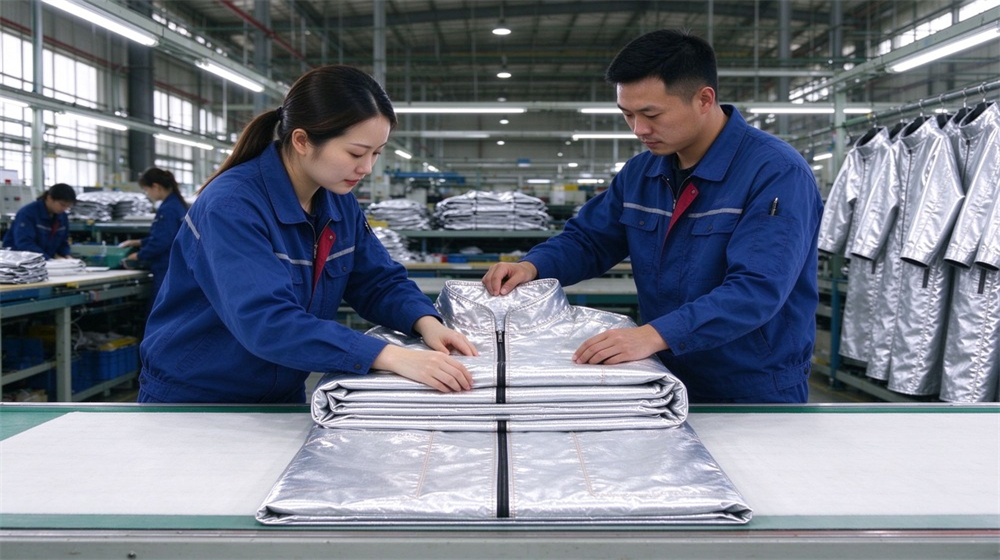
The outer surface is a fire-resistant reflective fabric that sheds radiant heat and resists ignition. It is the first barrier against heat radiated from furnaces, ladles and molten metal streams. The reflective finish also keeps the wearer visible against dark furnace backgrounds, which supports separation between crews and moving equipment. When radiant heat strikes the surface, a large share is reflected before it reaches the insulation layers, extending the working window of the heat resistant coverall in continuous furnace operations.
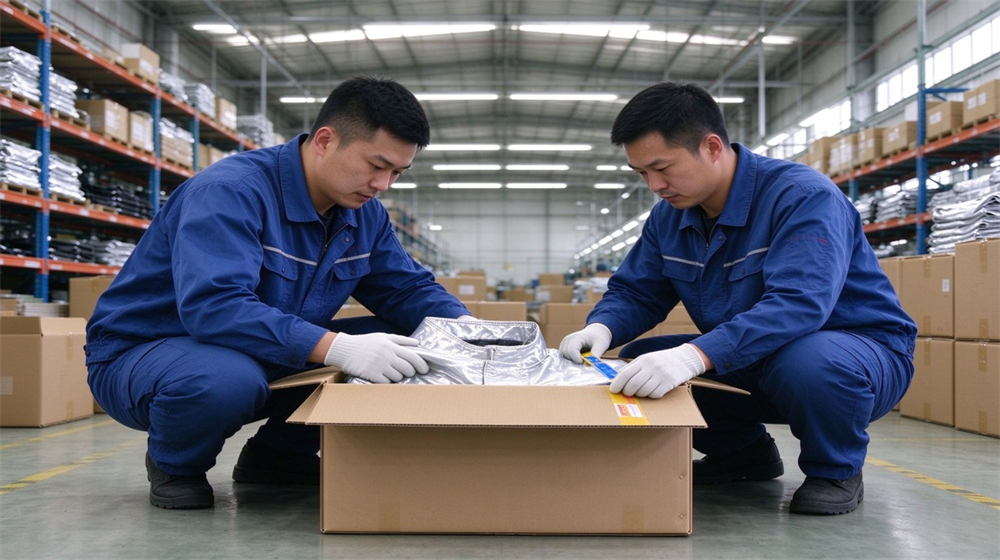
The insulation layers are the core of the thermal insulation work suit. They slow heat transfer to the body, so a worker gains usable time during each shift near the furnace. In long duration heat protection programs, this delay is what keeps crews productive: a worker who absorbs less heat stays focused and moves more steadily through the shift. The insulation is a built-in heat insulation suit feature rather than a removable liner, which keeps the protection consistent over the life of the garment. Over repeated heat cycles, the insulation layers hold their thickness instead of settling, so the protection level stays predictable shift after shift.
The inner comfort layer wicks moisture and reduces heat buildup, keeping the insulation coverall wearable for full shifts in hot environments. Comfort is a safety feature: a worker who removes the suit because it is too hot loses all protection. Seams are sewn with fire-resistant thread and closed with lapped construction, and the front opening uses a sealed closure without an exposed zipper, so hot air has no easy path into the garment. Cuffs and ankle openings are adjustable, and the hood collar overlaps the collar line to seal the neck.
The layer stack and seam system together define the quality of a heat insulation suit. When evaluating samples, check the seam direction, the closure type and the thickness of the insulation layer, because these three details decide whether the suit survives a full season of furnace work.
The table below groups the core specification points every heat insulation coverall buyer should request: layer structure, insulation mechanism, moisture handling, fit and intended use. Use it as the reference list when comparing quotes from different suppliers.
|
Test Item |
High Temperature Insulation Coverall (MirPro-Kit-473) |
|
Structure |
Multi-layer aluminized heat insulation construction from the MirPro family series |
|
Insulation layer |
Built-in heat insulation layer for long-duration radiant heat exposure |
|
Outer layer |
Fire-resistant reflective surface, batch tested per shipment |
|
Moisture resistance |
Designed for humid high-heat industrial environments |
|
Fit |
One-piece coverall with hood, matching insulating gloves and boots available |
|
Intended use |
Foundry, glass furnace, steel plant, aluminum smelting and welding |
|
Batch report |
Included with every shipment |
Reading the table: the layer structure describes how the coverall is built, the insulation mechanism describes how long duration heat protection is delivered, and the intended use describes which furnace posts the suit covers. Together they define what the high temperature insulation coverall protects against.
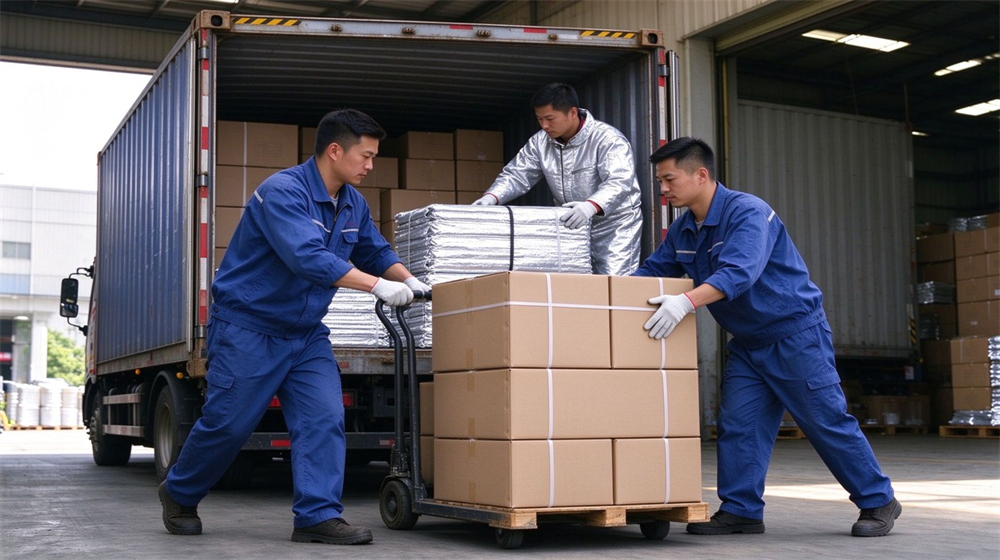
Foundry casting crews stand close to ladles and molds where radiant heat and splashes are constant. The high temperature insulation coverall gives them a full-body heat buffer that keeps protection consistent through long casting runs. Pairing the insulation coverall with insulating boots and insulating gloves closes the hand and foot exposure that casting work creates. Foundry managers typically order the complete kit so the whole crew works to one protection standard.
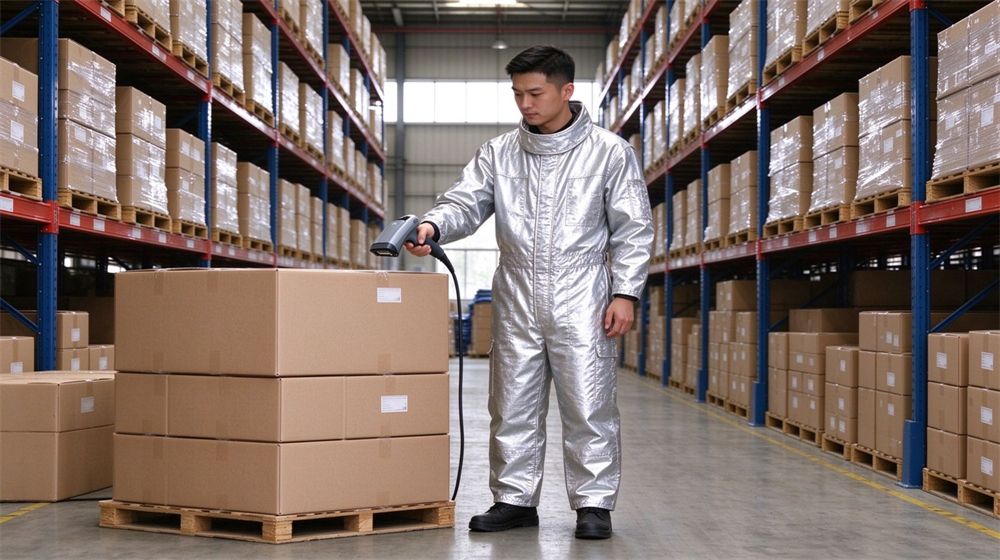
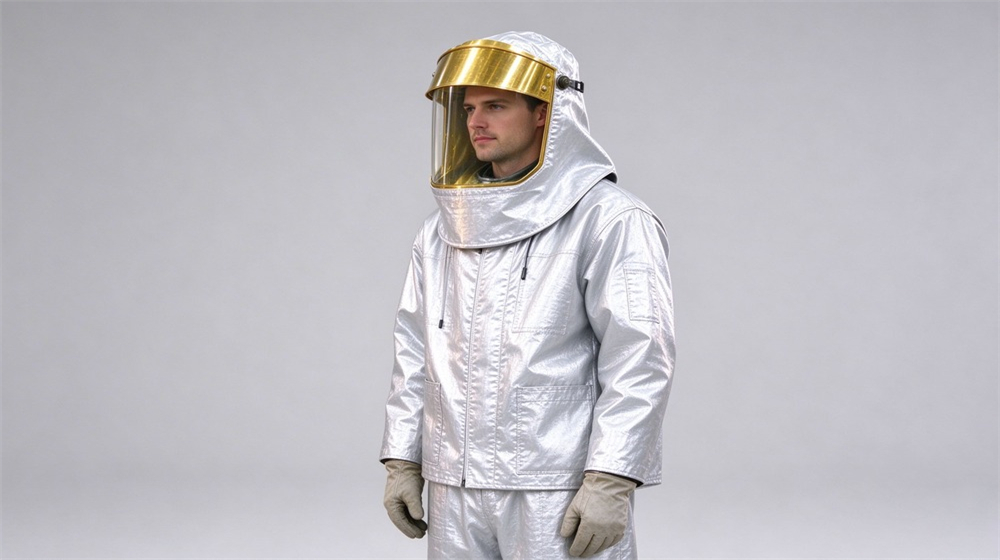
Glass furnace inspection involves checking kiln walls, burner ports and observation windows under continuous radiant heat. A glass furnace protective suit in insulation coverall form lets inspectors work closer and longer, because the multi-layer heat coverall delays heat reaching the body. The transparent visor on the hood keeps vision clear while blocking radiant heat, and the sealed closure prevents hot air from circulating inside.
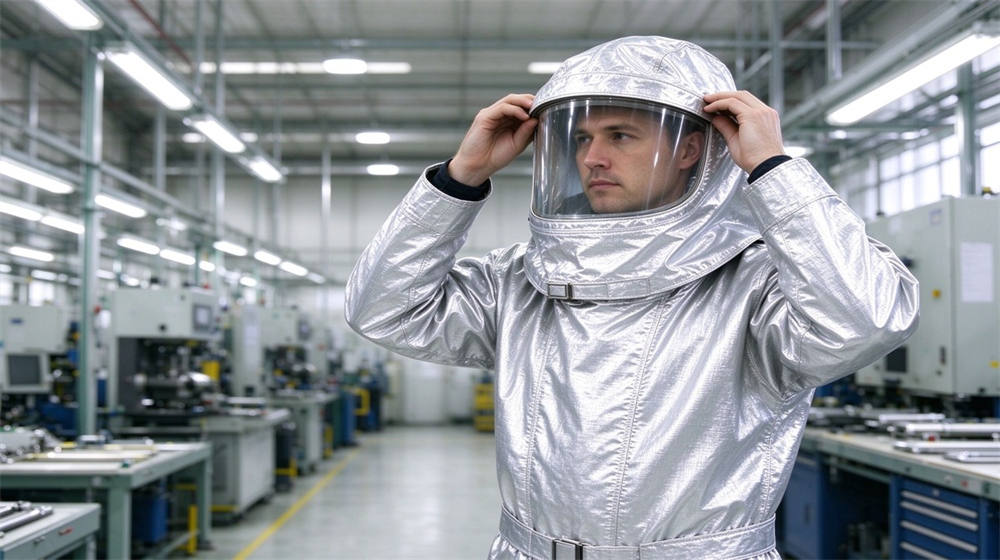
Steel hot rolling lines move red hot steel past operators for the whole shift, and the radiant load stays high even at a distance. A steel plant heat suit built on the multi-layer heat coverall structure keeps rolling mill crews comfortable and focused during long duration heat protection tasks. The same coverall works for billet handling, roller inspection and mill floor supervision, where heat exposure is continuous rather than occasional. Because the coverall is one piece, crews can move freely along the line without adjusting a jacket-to-trouser seam, which also reduces the spots where hot air can enter.
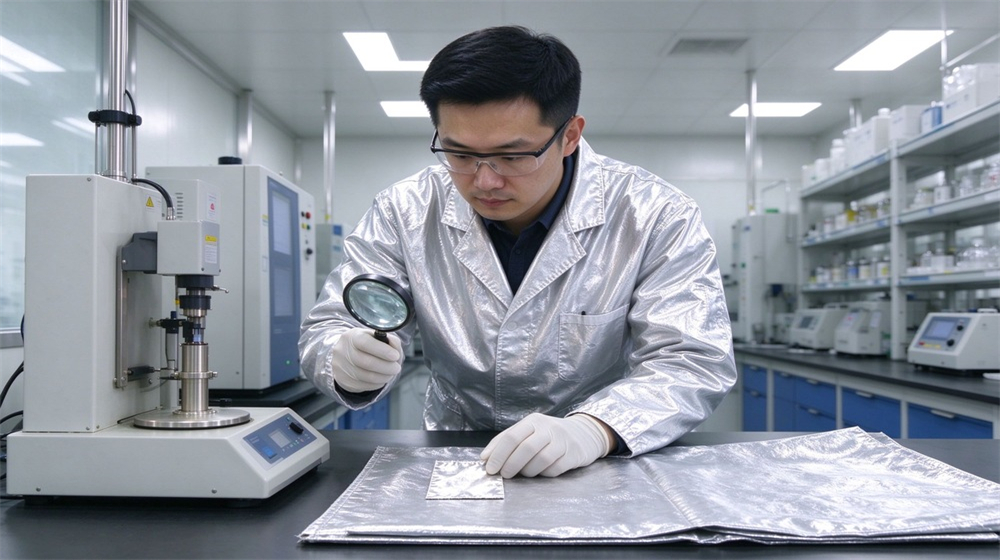
Aluminum smelting pot rooms combine radiant heat with high humidity from cell cooling systems, which is exactly the environment the MirPro-Kit-473 is designed for. Welding stations add spark and spatter on top of radiant heat, and the heat protection coverall handles both. For welding crews the visor and sealed closure are the main benefits; for pot room teams the moisture resistance and insulation layers matter most. The same thermal insulation work suit covers both roles with one specification, and the transparent visor keeps vision clear while the sealed closure keeps hot air out.

Aluminized proximity suits work by reflecting radiant heat off a polished metal surface, which suits short intense exposures near flame. An insulation coverall works by trapping heat inside insulation layers, which suits long shifts where heat arrives steadily rather than in a single flare. The distinction matters when you compare quotes: a heat resistant coverall that relies on reflection alone will not carry the same long duration heat protection as a multi-layer heat coverall with a real insulation core. Both approaches have a place in a high temperature protection program, and the job profile decides the right one. Many buyers find that their furnace area actually needs both garments, one for each task type.
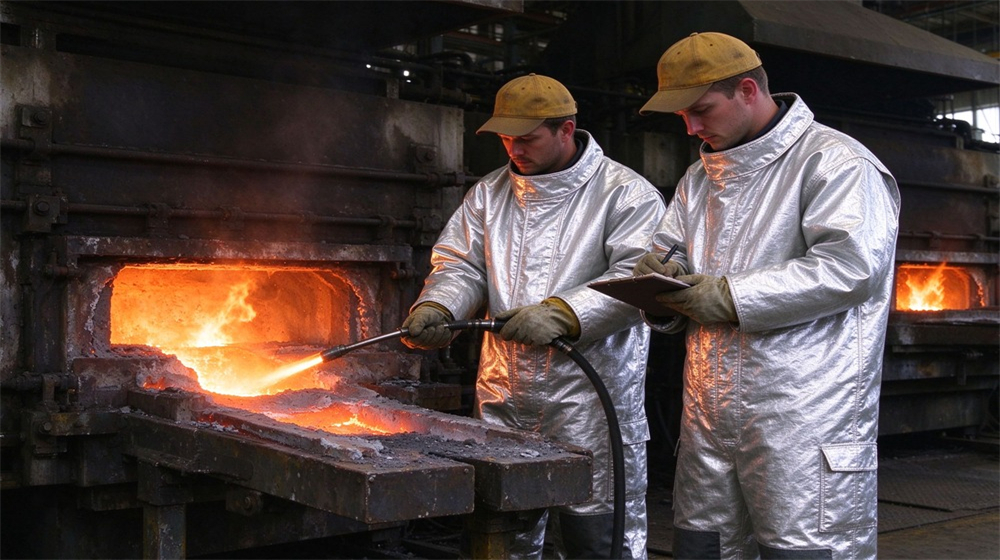
Radiant heat is reflected by the silver surface of an aluminized suit, while conductive heat passes through unless an insulation layer stops it. The high temperature insulation coverall combines a reflective surface with insulation layers, so it handles both radiant and conductive heat. In continuous furnace work, heat builds up on any surface over time; the insulation layer is what delays that buildup reaching the body. This is why furnace teams running multi-hour shifts tend to choose the insulation coverall over a pure reflection suit.
If your crews work close to flame for short rescue or proximity tasks, an aluminized suit remains the right tool. If your crews stand near furnaces, kilns or molten metal streams for whole shifts, the multi-layer heat coverall gives better long duration heat protection. Many programs carry both: proximity suits for emergency response and insulation coveralls for routine furnace operations. When you order from us, tell us the shift length and the distance from the heat source, and we will recommend the right heat insulation suit configuration.

An insulation coverall that keeps crews working longer also extends replacement cycles, because workers are less likely to overload the garment in short intense bursts. The sealed closure and reinforced seams of the heat resistant coverall add to its life on the foundry floor. Over a full season, the total cost of the insulation coverall program is often lower than replacing lighter hot work clothing repeatedly. Ask for the layer construction in writing when comparing prices, because a thin coated coverall is not the same product as a multi-layer heat coverall.
Furnace teams also need to know which garment to wear for which job, and that decision is a safety control as much as a sizing exercise. For emergency proximity entry, the aluminized suit is the right tool; for routine whole-shift furnace duty, the insulation coverall is the right tool. A simple rule for crews is to ask whether the task lasts minutes near flame or hours near radiant heat, then choose the high temp insulation suit accordingly. We include a one-page selection sheet with each order so safety managers can brief crews without rewriting their own program.
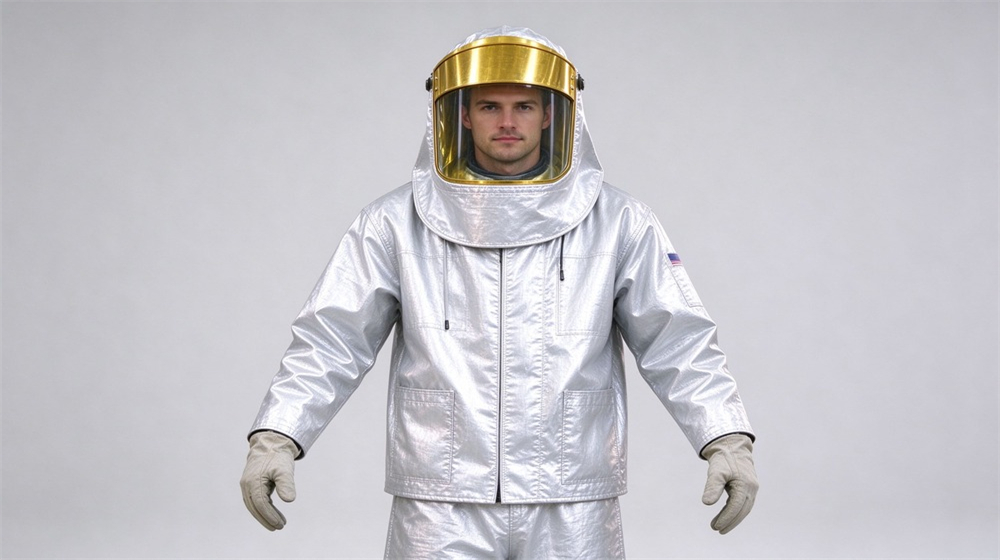
The high temperature insulation coverall is a one-piece design that covers the torso, arms and legs in a single garment. This removes the jacket-to-trouser gap that split suits leave at the waist, which is important for heat insulation suit programs where hot air must not circulate inside. The one-piece cut also makes donning faster for crews that change between furnace posts. The hood is attached and mates with the collar to seal the neck line, and the hood visor is fixed so it cannot be lost between shifts.
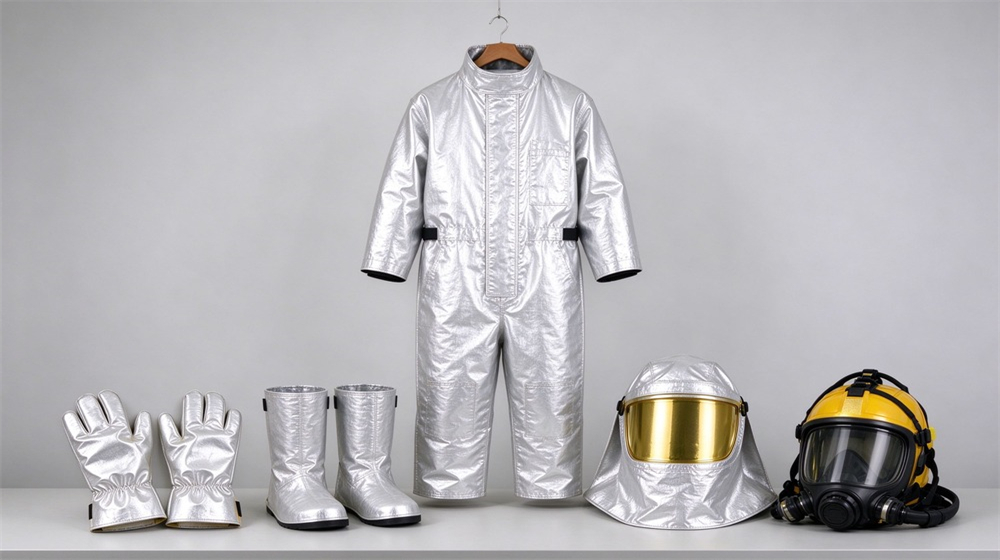
The front opening uses a sealed closure system without an exposed zipper. A metal zipper conducts heat and creates a hot spot against the body, so the insulation coverall uses a covered flap closure instead. Cuffs and ankle openings are adjustable to close the wrist and leg gaps, and the hood collar overlaps the neck line. These closure details are the difference between a heat resistant coverall that seals and one that lets hot air in.
We supply standard sizes from M to XXXL and can cut to custom measurements for wholesale orders. A roomy fit over base layers is standard for thermal insulation work suit programs, because crews wear FR base layers under the coverall in colder furnaces and nothing extra in hot pot rooms. Fitting guidance is included with each order so safety managers can match the insulation coverall to their crew without guesswork. For large fleets we keep size ratio data from past orders and suggest proportions that reduce post-delivery exchange, which is one of the largest hidden costs in bulk protective clothing programs.
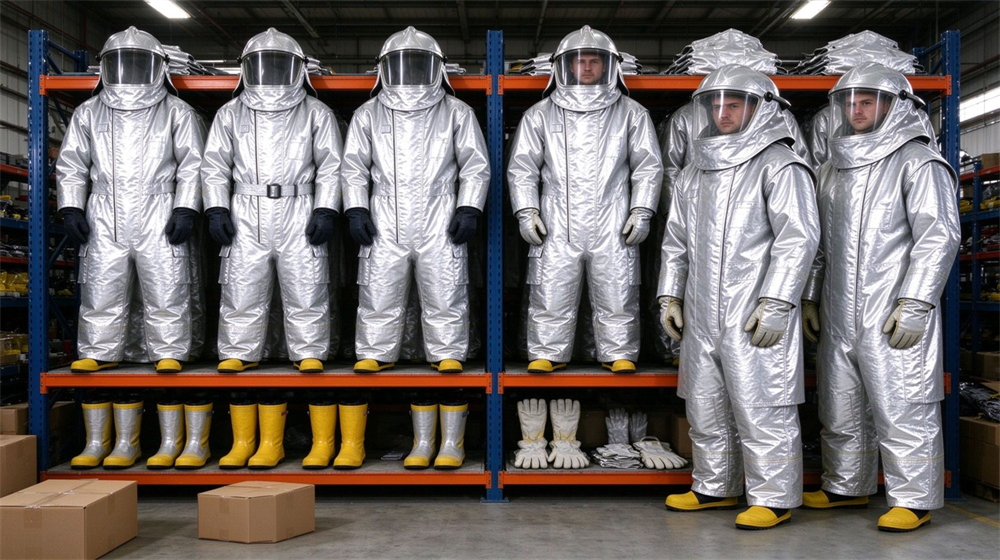
Heat reaches the hands, feet and head as much as the torso, so a heat protection coverall program is only complete when the accessory set matches the suit. The table below lists the standard accessory match for the high temperature insulation coverall.
This accessory table is the standard configuration we quote with the insulation coverall. Each item uses the same protective principle as the suit, so protection is consistent from head to toe.
|
Accessory |
Model |
Function |
|
Insulating boots |
DBS4 |
Live working; insulated; knee-high |
|
Insulating gloves |
Class 00-4 |
Natural rubber; live working; voltage rated |
|
Firefighter hood |
RMT-MA |
Double-layer aramid FR knit; for firefighting |
|
SCBA (optional) |
RHZK6.8CT |
6.8L carbon fiber cylinder; positive pressure; fire/industrial |
|
Dual cartridge half mask (optional) |
9200 |
Dual cartridge; silicone; industrial protection |
Buyers can order the base coverall first and add accessories later, since all items are matched by size and closure type. Most furnace programs, however, take the full insulated workwear kit to avoid gaps at the wrist, ankle and neck.
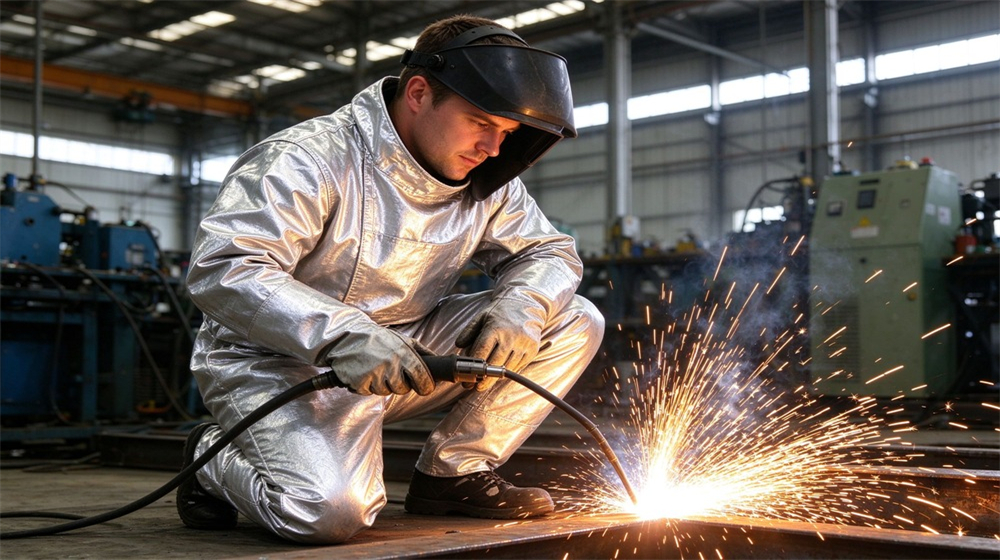
The insulating boots DBS4 are built for live working and insulated protection with a knee-high shaft. They are the standard foot match for the insulation coverall on furnace floors. Ask for the shaft height in millimeters when quoting, so the boot shaft meets the trouser leg opening instead of leaving an exposed strip.
The insulating gloves Class 00-4 are made from natural rubber for live working and are voltage rated across the class range. Gauntlet cuffs extend past the wrist so the glove overlaps the sleeve, closing the seam that is hardest to protect on a furnace front. Gloves are matched by size to the coverall sleeve opening.
The firefighter hood RMT-MA uses double-layer aramid FR knit and is the head match for the insulation coverall under the attached hood. For confined furnace work, the positive pressure SCBA RHZK6.8CT and the dual cartridge half mask 9200 are available as optional add-ons. These options let the same heat insulation suit serve both routine furnace posts and confined entry tasks, which is why the full kit is the configuration most furnace programs quote from the start.
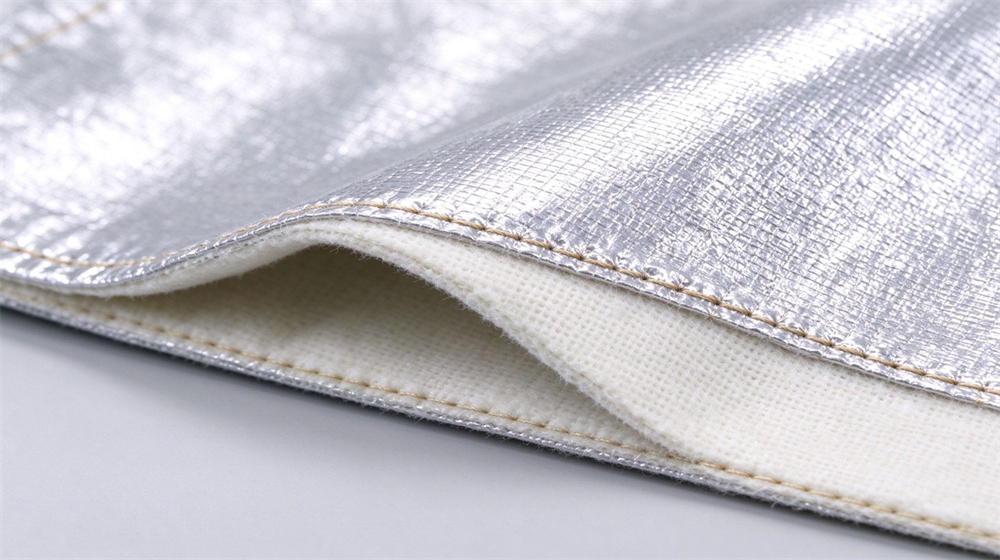
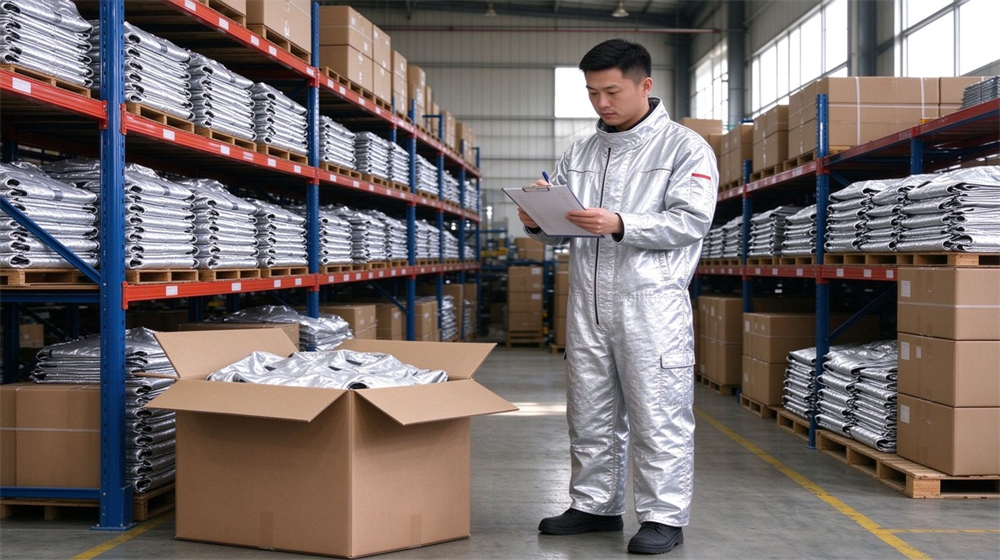
Every shipment of high temperature insulation coveralls is produced under in-house quality control. Fabric, insulation layers, seams and closures are inspected before packing, and each batch is sampled for the performance figures in the specification table. Incoming fabric is checked against the declared layer construction, and in-process sewing inspections catch seam issues before garments reach the finishing line. The same inspection flow applies to trial orders and full container programs, so the first sample and the final shipment are controlled to the same standard.
A batch test report is included with every shipment, covering the tested performance of the multi-layer heat coverall. Buyers receive the report as part of the shipping documents for their own records. The report states the tested values per batch, so a buyer can compare one shipment against the next and confirm the heat resistant coverall stays consistent.

Fabric samples are tested in our laboratory for the key parameters of the thermal insulation work suit, including heat resistance and mechanical strength, before the batch is released for export. Testing covers the reflective outer layer, the insulation layers and the assembled seam construction, because a strong fabric with a weak seam still fails at the first furnace shift.
We cut the insulation coverall to customer size ranges and can add optional features such as extended cuffs, reinforced knees or reflective trim. Samples are produced before mass production when required. For large fleets we keep size ratio data from past orders and suggest proportions that reduce post-delivery exchange. Logo embroidery and label customization are available for wholesalers, with artwork and placement confirmed before production starts.
Wholesale heat insulation coveralls are folded, boxed and loaded under export packaging standards. We ship by sea or air based on the order, with carton marking confirmed at quotation. Each carton is marked with the model, size mix and quantity, and the packing list matches the batch test report for customs and buyer review. For importers, the practical advantage is a single supplier that handles sizing, branding, testing documents and export packing under one order, so the whole wholesale heat insulation coverall program runs through one contact point from first sample to final carton.
Here are the questions buyers ask most often when sourcing high temperature insulation coveralls. Answers reflect our standard multi-layer configuration and wholesale process from China.
The 5HL construction stands for five functional layers inside the high temperature insulation coverall: a reflective outer layer, insulation layers that delay conductive heat, a moisture barrier for humid furnace environments and a comfort layer. The layer stack is consistent across the whole garment, so protection is even from collar to cuffs. Ask for the layer list in writing when comparing offers, because some suppliers market thin coated coveralls under the same product name.
The MirPro-Kit-473 is built for industrial insulation duties in the MirPro family series, covering sustained radiant heat from furnaces, kilns and molten metal streams. The reflective outer layer sheds radiant heat while the insulation layers delay heat reaching the body during long duration heat protection tasks. Tell us the furnace temperature and shift length at your site, and we will match the thermal protection suit configuration to the actual exposure profile. The same questions apply whether the site is a foundry, a glass plant or a steel mill, because the heat load profile is what drives the garment choice. Share the post list with us and we will confirm the right coverall for each station.
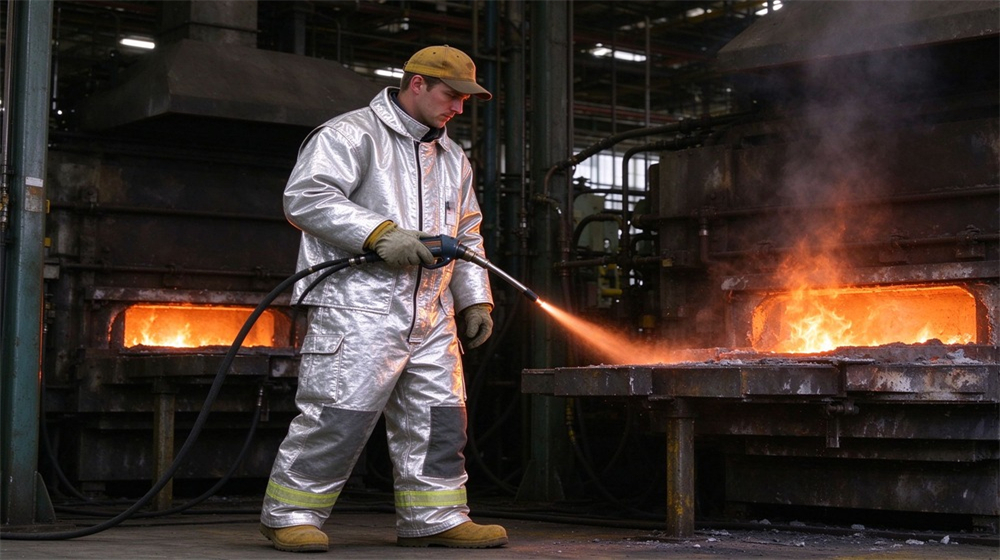
An aluminized suit reflects radiant heat off a polished metal surface, which suits short intense exposure near flame. An insulation coverall traps heat inside insulation layers, which suits long shifts where heat arrives steadily. The high temperature insulation coverall combines a reflective surface with insulation layers, so it handles both radiant and conductive heat. If your crews work near heat sources for whole shifts, the multi-layer heat coverall is the closer match, and the comparison photo in this article shows the two garment types side by side.
The 5HL construction uses five functional layers. The exact layer count and materials follow the MirPro family specification and are confirmed in the batch test report. When evaluating samples, check the insulation layer thickness and the seam construction, because these two details decide how long the heat resistant coverall keeps its protection in continuous furnace work. A useful comparison for buyers is to press the insulation area between two fingers: a genuine multi-layer heat coverall has visible loft and spring, while a thin coated coverall flattens immediately.
Yes. The MirPro-Kit-473 is designed for humid high-heat industrial environments, covering furnace areas where cooling lines, quench tanks and steam release points sit beside the hot zone. The moisture barrier sits inside the layer stack, so the thermal insulation work suit keeps working where heat and steam appear together. This is the specification that glass furnace and aluminum smelting teams check first, because humidity changes how heat feels on the body and how quickly a worker fatigues.
Yes. The insulating boots DBS4, insulating gloves Class 00-4 and the firefighter hood RMT-MA are available to complete the insulation coverall kit. They are matched by size and closure type to the suit. We recommend the full kit for furnace front crews and the base coverall alone for support roles further from the heat source, so you do not over-specify every station. The optional SCBA and half mask extend the same kit to confined furnace entry without a second garment program.
The accessory set includes insulating gloves Class 00-4 and insulating boots DBS4 that are rated for live working, so the complete kit covers furnace posts that combine heat exposure with electrical checks. The coverall itself is built for heat insulation duties; electrical tasks are covered by the matched insulating accessories. Confirm the voltage class at your site at quotation stage so we match the right glove and boot class. This combined kit is popular with steel plant and aluminum smelting buyers, because furnace areas often run electrical cabinets and bus bars close to the hot zone.
The front opening uses a sealed closure system without an exposed zipper. A metal zipper conducts heat and creates a hot spot against the body, so the insulation coverall uses a covered flap closure instead. Cuffs and ankle openings are adjustable, and the hood collar overlaps the neck line. The sealed closure is one of the three details to verify on a sample, along with the insulation layer and the seam direction. It is also the detail buyers ask about most often, because a closure that lets hot air in defeats the whole multi-layer heat coverall design.
Yes. A batch test report covering the performance of the multi-layer heat coverall is included with every shipment. It states the tested values per batch so buyers can track consistency across orders. The report is prepared in English and matches the packing list, so it can be forwarded to the end customer or safety department without retranslation.
We accept T/T payment; we do not offer L/C terms. Payment details are confirmed in the quotation before production, with the schedule agreed in writing. For repeat programs we issue the payment schedule in the quotation so both sides confirm milestones before the production timeline is locked.
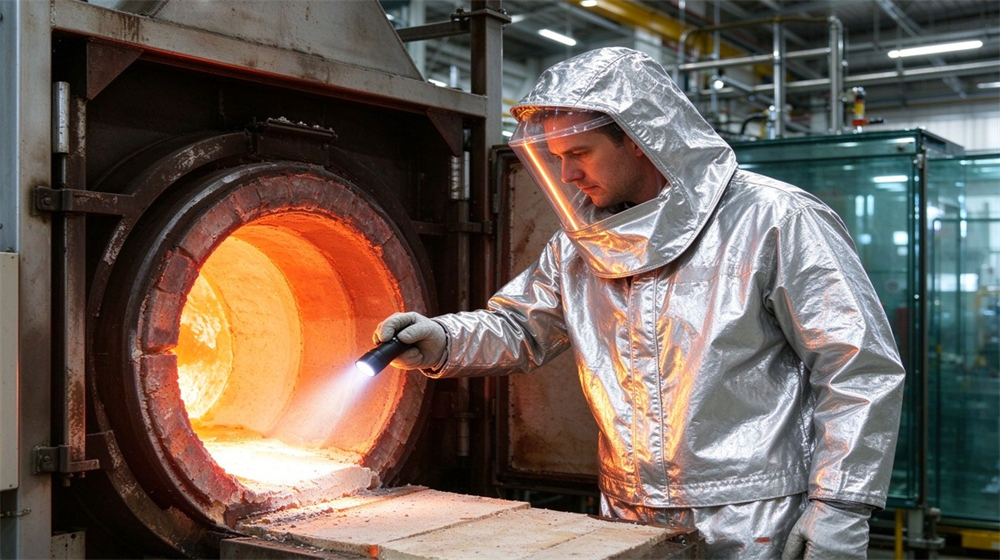
Production timeline is confirmed per order based on configuration and agreed in writing before production. We share a production schedule with the order confirmation so buyers can plan delivery. If you have a fixed loading date, tell us at quotation stage so the production schedule is planned around it rather than adjusted later. For repeat programs the schedule is easier to hold because the configuration is already known, and we keep stock programs for common sizes so repeat orders can move faster than full production cycles.
Yes. Logo embroidery and label customization are available for wholesale orders. Artwork and placement are confirmed before production starts, including position and size. Embroidery thread color and position are confirmed against a digital mockup before production, so there is no surprise at the final garment.
We supply standard sizes from M to XXXL and can cut to custom measurements for wholesale orders. A roomy fit over base layers is standard for thermal insulation work suit programs. Fitting guidance is included with each order so safety managers can match the insulation coverall to their crew without guesswork. Custom sizes follow the same layer and closure specification as the standard range.
Yes. Glass furnace inspection and steel hot rolling both involve sustained radiant heat for whole shifts, which is exactly what the insulation coverall is built for. The built-in insulation layer delays heat reaching the body during these long duration heat protection tasks, and the sealed closure prevents hot air from circulating inside. The same heat protection coverall covers foundry, glass furnace, steel plant, aluminum smelting and welding roles, which keeps a single specification across the whole high temperature work program.
Store the heat resistant coverall dry and away from direct sunlight. Clean according to the care label, air dry on a hanger and inspect the sealed closure before each use. After washing, check the reflective surface for peeling and the sealed seams for thread damage, because these are the first areas to fail in continuous furnace work. Keep the batch test report with the garment records, because safety auditors commonly ask for both the report and the maintenance log when reviewing high temperature work clothing programs.
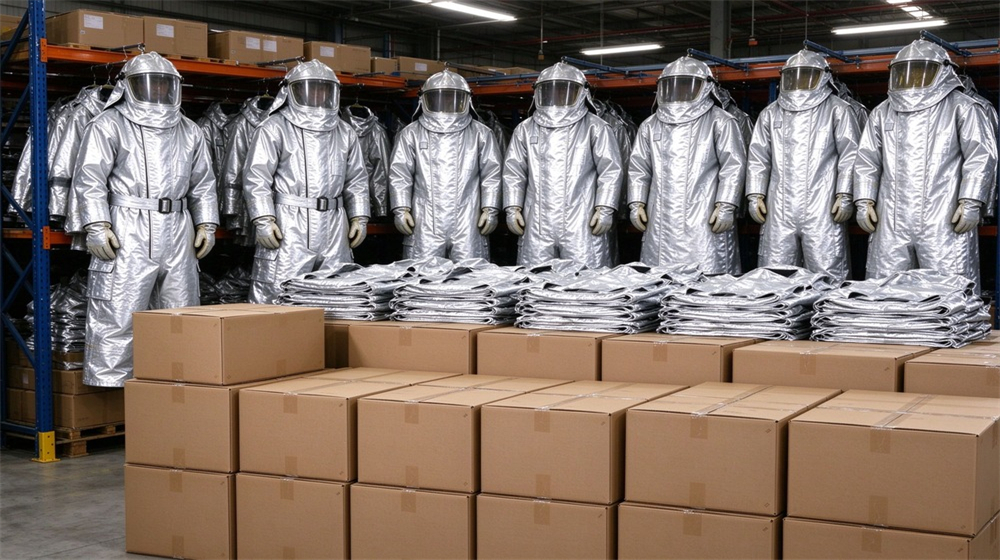
Export documents include the packing list, commercial invoice and the batch test report. Additional certificates requested at quotation are arranged where available. Documents are prepared in English for customs and buyer review. Tell us at quotation if your customs require additional declarations, so the document set is prepared from the start instead of amended at dispatch. For first-time importers we also include a simple packing summary in the same file, so the batch test report and the carton marking can be checked against each other at the receiving dock. Keep the packing summary with the batch report for the receiving team.
When selecting a high temperature insulation coverall, verify three points on the sample: the insulation layer thickness, the sealed closure and the seam direction. These three checks cover the failure modes that matter most in long duration heat protection, from the first furnace shift to long-term laundering.
Business terms: We accept T/T payment; we do not offer L/C terms. MOQ varies by kit type and configuration, confirmed at quotation. Production timeline is confirmed per order based on configuration and agreed in writing before production. A batch test report is included with every shipment.
For guidance on protective clothing selection and use, refer to the OSHA personal protective equipment pages, the NIOSH heat stress topics and the ISO 11612 standard page.
Browse high-temp insulation coveralls and related heat protection options at our high temperature protection collection: high-temperature-protection.
Previous :
Heat Resistant Apron Guards | 500-700°C Welding Protection GearNext :
Molten Metal Furnace Suit | 1200°C Splash Protection Split Design Deep Blue Firefighting Suit Set, Forest Fire Fighting Specialized, Full-body Protection
This Deep Blue firefighting suit set is specially designed for forest fire fighting, using special flame-retardant fabric that can withstand 700°C open flames in the wild, with a thermal protection value (TPP) of 25CAL/AM2. The vivid Deep Blue color combined with enhanced reflective strips enables identification from 500 meters away in forest smoke. The lightweight design of only 4.5KG does not affect mountain action speed, with a waterproof rating >40KPA, adapting to camping fire fighting and long-term field operations. The anti-plant puncture design increases wear resistance by 50%, making it professional equipment for forest firefighting, mountain rescue, and outdoor fire fighting actions, providing all-around body protection for forest firefighters.
 High-temperature Resistant Firefighting Suit Set, Emergency Rescue, Quick-wear
This high-temperature resistant firefighting suit set is made of professional-grade flame-retardant materials, capable of withstanding extreme temperatures up to 750°C, with a thermal protection value (TPP) of 26CAL/AM2, providing reliable protection for emergency rescue. The innovative quick-wear design allows complete dressing in 40 seconds during emergencies, with hydrostatic pressure resistance >45KPA and excellent breathability. Designed according to ergonomic principles, weighing only 4.8KG, it effectively reduces the burden on rescue personnel and is suitable for high-risk scenarios such as building fires, tunnel rescues, and industrial firefighting, making it an ideal equipment choice for professional firefighting teams.
 Professional Firefighting Suit Set, Flame-retardant Protection, Rescue Essential, 14-3C Certified
This professional firefighting suit set is made of high-grade flame-retardant cotton fabric, 14-3C certified, capable of withstanding extreme temperatures up to 800°C, with a thermal protection TPP value of not less than 28CAL/AM2. The three-layer composite protection structure, with waterproof static pressure resistance >50KPA and breathability >5000G/M²·24H, ensures comprehensive safety for rescue personnel in complex environments such as building fires, forest fires, and special chemical plant fires. Available in three models: 97/02/14, meeting different rescue scenario requirements.
 02 Firefighting Suit Multi-layer Composite Material Rescue Protection
This Type 02 firefighting suit is made of professional flame-retardant materials with excellent heat resistance, fire protection grade meeting international rescue standards, and waterproof puncture resistance rate of 98%. The deep blue body is equipped with eye-catching yellow reflective strips, increasing night visibility by 85%. The complete six-piece configuration provides comprehensive protection for firefighting, forest firefighting, earthquake rescue, and other scenarios, providing reliable protection for 300+ professional rescue teams.
 Forest Fire Rescue Service with Heat-Resistant Design
This professional forest fire rescue service uses flame-retardant heat-resistant material, achieving GB8624-A2 fire rating standard with heat resistance up to 800°C, and features high-visibility reflective strips visible from 300 meters away. It's suitable for emergency rescue scenarios such as forest fires, mountain rescues, and industrial disasters, providing comprehensive personal safety protection. Each set has undergone 10,000 abrasion tests and proven its reliability and safety in over 1,500 rescue operations nationwide.
 Fire Rescue Cap, Aramid Flame-Resistant Material, Forest Fire Emergency
This professional-grade forest firefighting vest and hat set is made of polyester/cotton blended flame-retardant fabric, with reflective visibility up to 300 meters, capable of resisting short-term flame contact, improving protection efficiency by 85%. The bright orange design with double-layer reflective strips complies with international rescue standards, ensuring 360° visibility in smoke and low light environments. Suitable for forest fire fighting, wilderness emergency rescue, post-earthquake sites, and other emergency disaster relief scenarios, providing comprehensive protection for rescue personnel.
Copyright © Custom Disaster - Relief Bedding: Tents, Sleeping Bags, Blankets All Rights Reserved
the professional team to service !


