


Our firefighter proximity suit delivers 500°C near-fire radiant heat protection with multi-layer aluminized construction. Designed for fire training, overhaul and structural rescue, it balances thermal protection and mobility. Available in M to XXL, complete ensemble includes hood, gloves and boots. Support wholesale bulk procurement for fire departments and industrial brigades.
Note: Price for reference only. Exact price based on quantity, size, weight and custom details.
model no. :
XFF-04Brand:
YRFmarket price :
$119.8sale price :
$59.9price range :
30-100/$59.9Color :
Multiple Colorsport of dispatch :
Guangdong/GuangzhouPayment :
TT, Paypal, Western Unionmin order :
30original region :
Made in ChinaLead Time :
5-15daysFirefighter Proximity Suit | 500°C Near-Fire Heat
Protection
Buying firefighter proximity suits for your fire department and rescue team? You're not buying aluminized fabric — you're buying 500°C close-range heat protection that lets your team operate safely near flames during overhaul, training, and structural fire response. This wholesale page covers full specifications, sizing charts, certification details, and factory pricing for fire station procurement.
 |

|
1. What Is Proximity Firefighting
2. Firefighter-Grade Construction
3. Fire Station Use Cases
4. Proximity Suit vs Turnout Gear
5. Maintenance & Inspection
6. FAQ
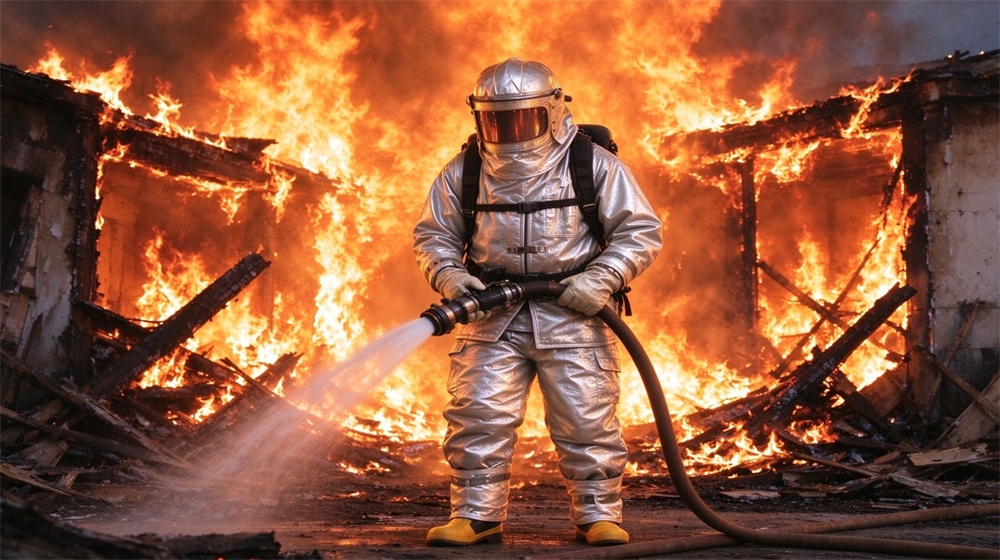
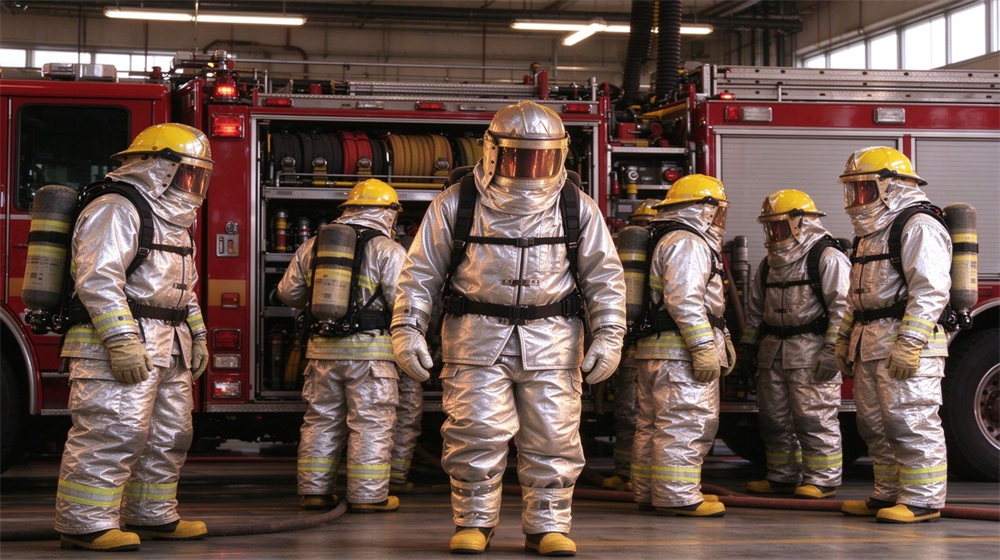
Live-fire training is where the suit earns its keep. Instructors and trainees work in the radiant heat zone for entire sessions, running evolutions that repeat again and again. The suit has to move like standard turnout gear while adding reflective protection for hotter work areas. In the drill yard, crews test how the suit feels under real load — bending, kneeling, reaching and moving hose — and a proximity suit that restricts movement fails the training ground test.
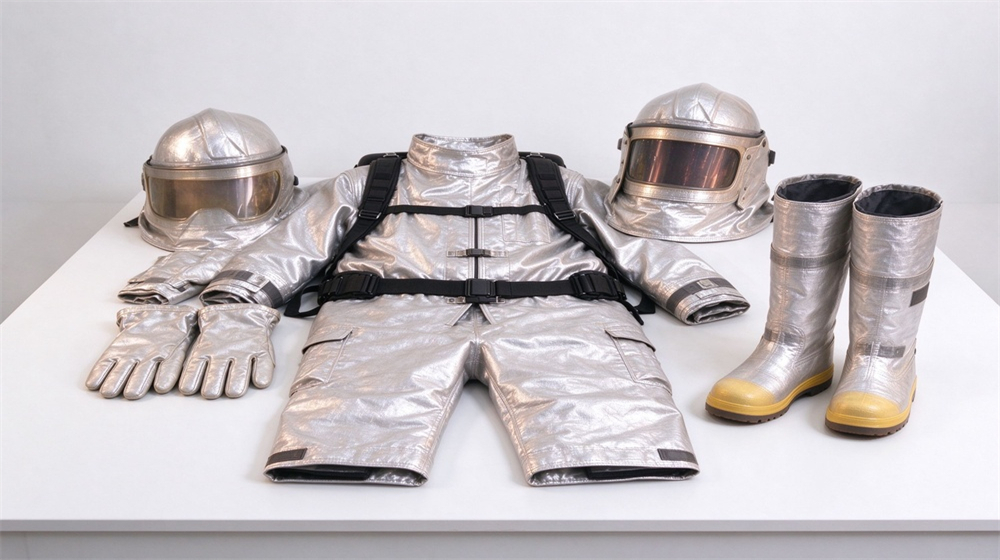
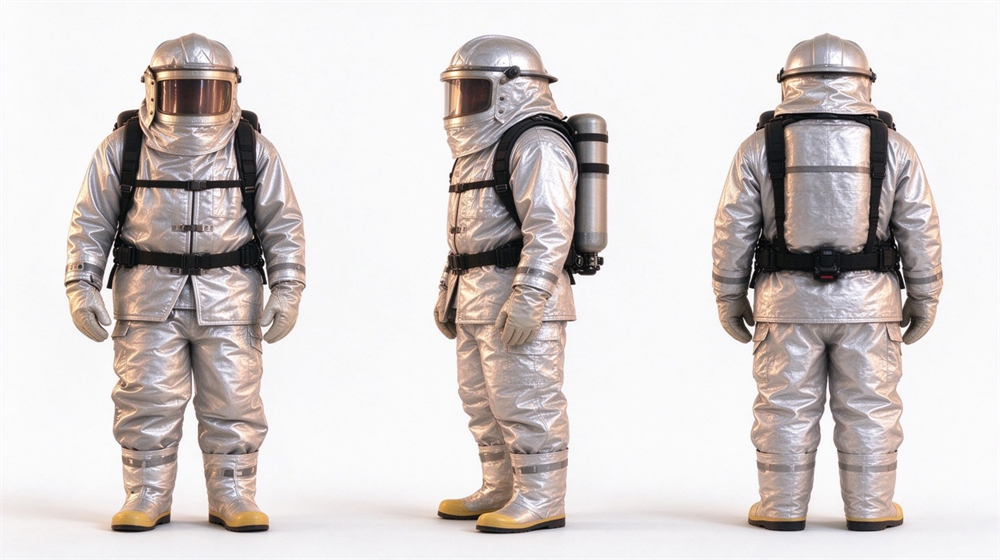
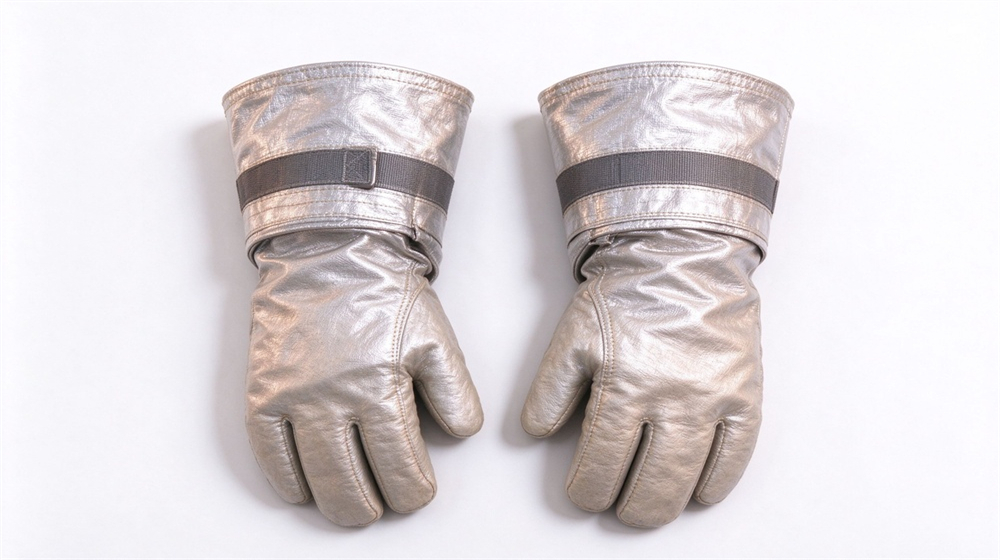
A complete near-flame ensemble covers every part of the body. The helmet protects the head and face, the aluminized suit covers the torso and limbs, and heat-resistant gloves and boots close the gaps at the hands and feet. When every component is present, protection stays consistent from head to toe. Departments ordering a full kit get one integrated system instead of mixing pieces from different suppliers, because protection is only as strong as its weakest component.
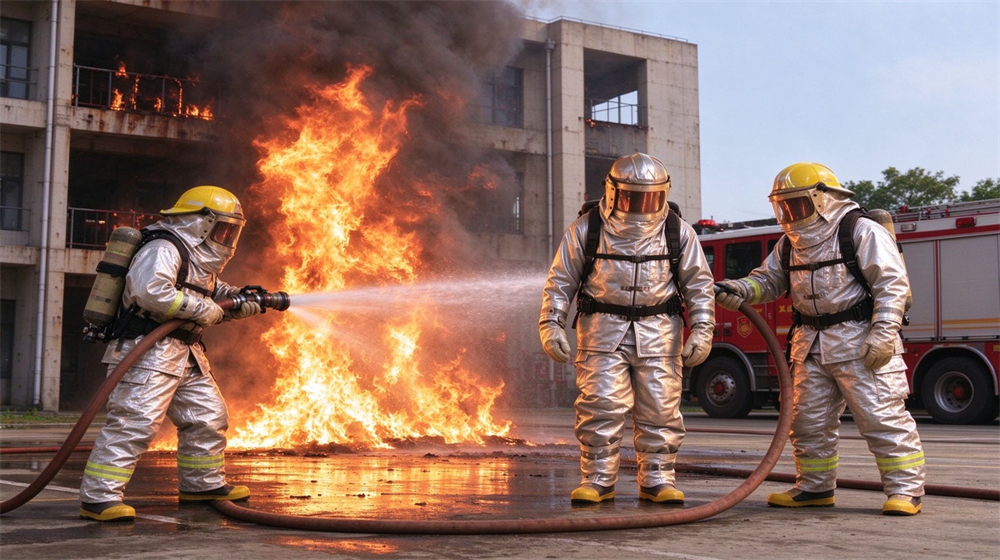
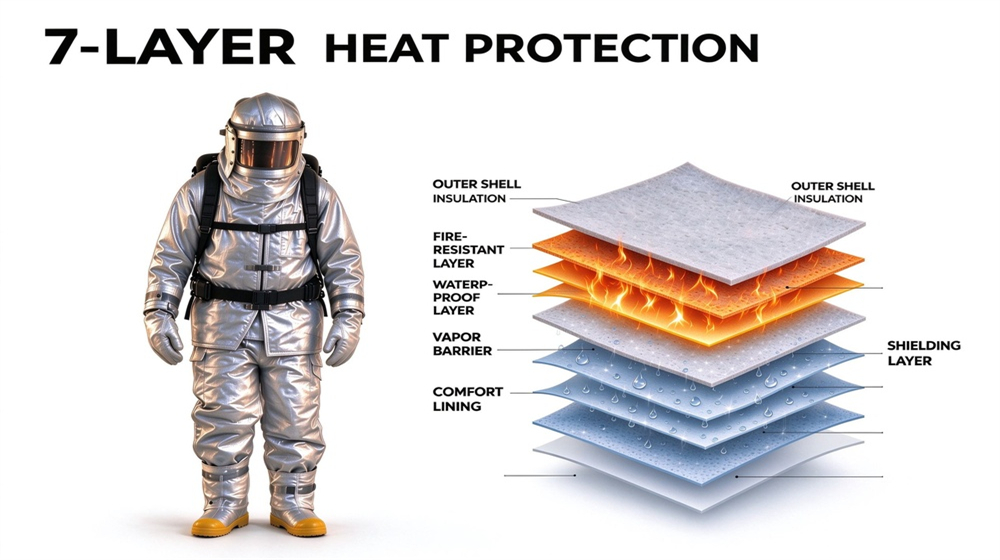
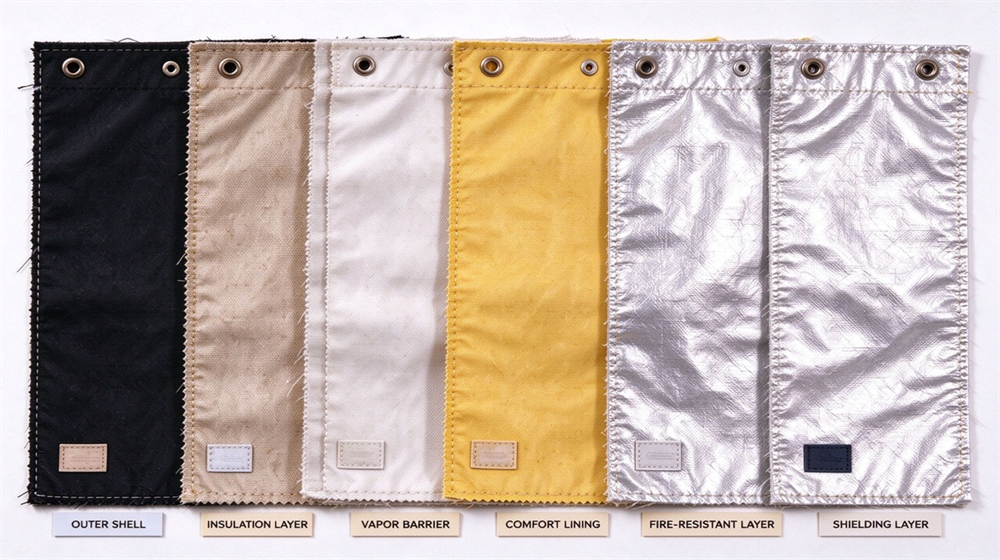
Inside the silver shell is a layered structure designed around one job: keep the firefighter cool while the outside gets hot. The reflective outer layer sends radiant heat back toward its source. Behind it, insulation layers slow the heat that gets through, and a comfortable liner sits against the wearer. Each layer has a specific role, and the whole system works together — which is why the layer construction tells buyers how much thought went into the protection.
Fabric is where protection starts. Aluminized fabric carries a reflective coating bonded to a strong base, and the layer thickness directly affects both heat protection and durability. Departments that run frequent training need fabric that survives repeated use and cleaning. The thickness comparison shows the practical difference between materials: a suit built on quality aluminized fabric keeps its reflective performance far longer than one built on a thinner base.
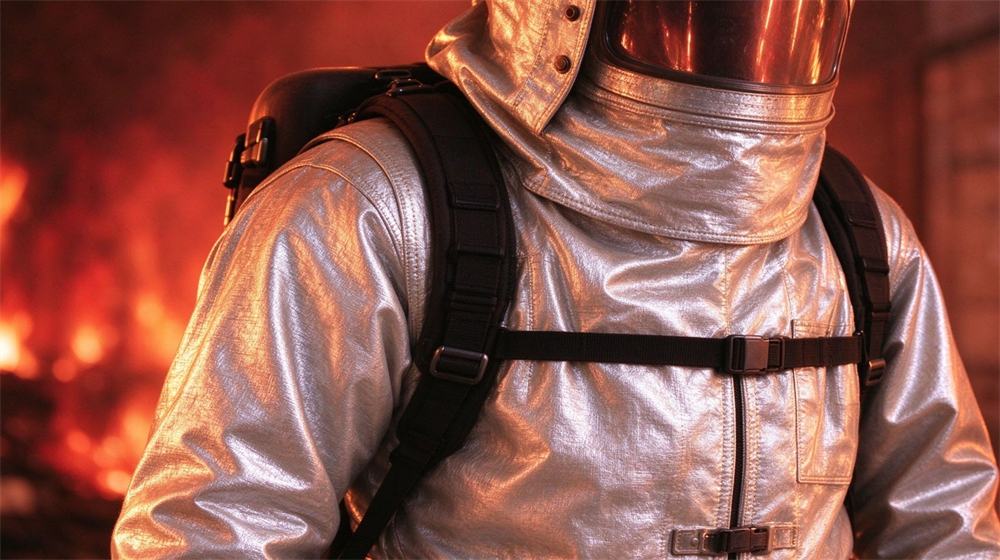
A firefighter proximity suit is built for crews who work near flames but not inside them.The two missions sit next to each other on the fireground, yet they call for different garments — and the boundary between them decides the specification. Before choosing any fire entry proximity garment, every department needs the same starting point: a clear definition of the two missions. Proximity work means sustained operations beside a fire — directing water, overhauling after knock-down, checking hot spots. Entry work means a short pass through the flame itself, which demands a heavier suit with a different rating.
For a fire department, the practical cost of confusing the two missions is real. A crew equipped for entry work carries unnecessary weight through every overhaul. A crew equipped only for proximity work is not protected if a mission demands flame contact. The FBH-FQA is explicitly a proximity suit: engineered for the radiant heat zone where firefighters spend most of their working time near fires. That focus keeps the suit lighter and more mobile than entry gear.
It also affects crew comfort on long incidents: a lighter suit means less fatigue in the final hour of an overhaul, when attention and coordination matter most. Buying the right class of suit is therefore not only a protection decision but a performance decision for the whole crew.
Departments that track incident time and crew rotation see the payoff directly: with the right suit, crews stay effective longer at the fire, which shortens operations and reduces the number of personnel needed in the hot zone.
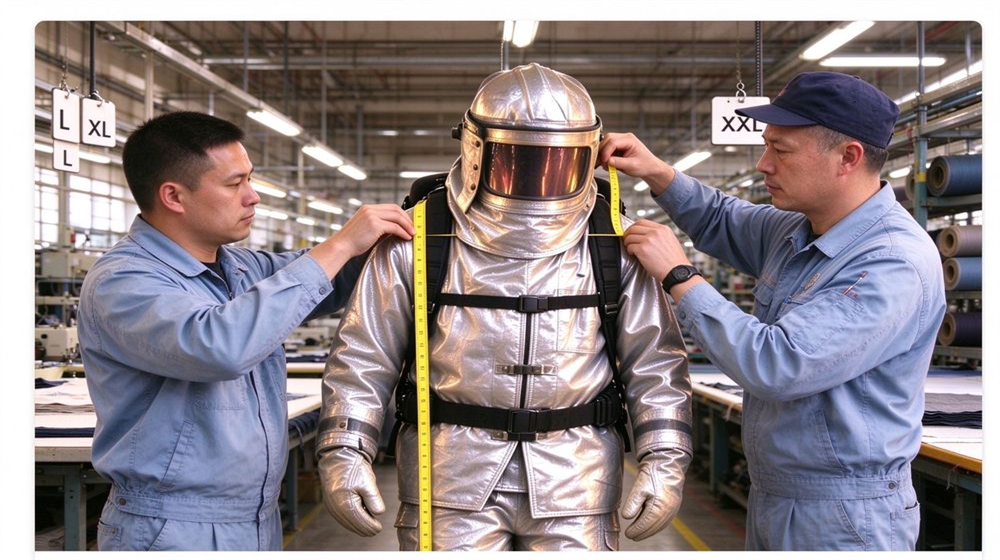
The sizing range also matters for performance: the FBH-FQA is produced from M to XXL with consistent proportions across the range, so the protection does not change when the wearer changes. Crew members of different builds get the same reflective coverage, the same closures and the same fit logic, which keeps the whole team protected to the same standard.
Radiant heat protection is not a marketing term. It is measured in a lab, and the test result tells a department how much time the suit buys the firefighter. When a flame proximity suit manufacturer shares test data, compare the method and the numbers behind the claim. Thermal protective performance testing exposes fabric to a controlled heat source and records how long the wearer stays protected.
Ask the supplier for the test standard and the sample preparation method, because the number only means something when you know how it was produced.
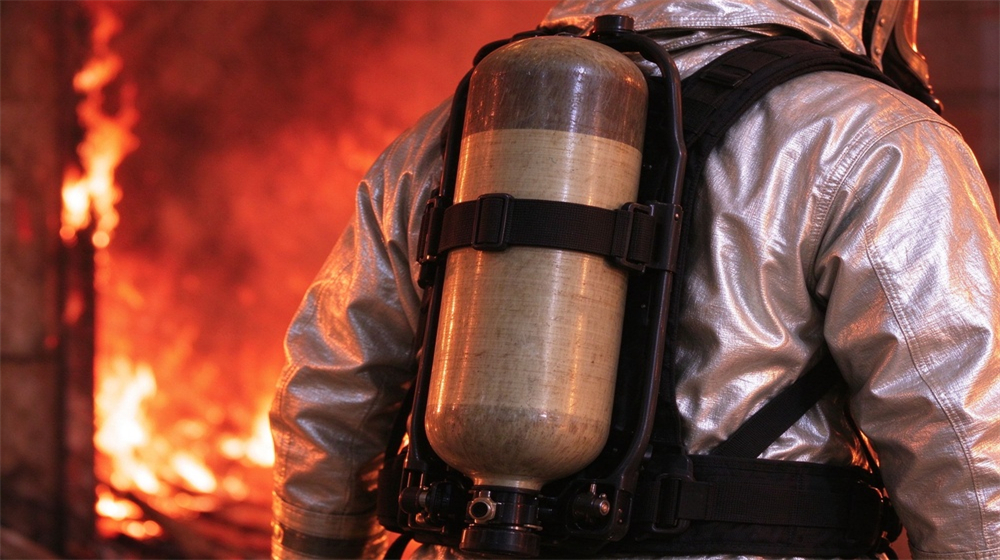
The fastest way to see the difference is to watch the crew position. In proximity firefighting, firefighters stay in the radiant heat zone, usually several metres from the flames, and they stay there for minutes or hours. The suit reflects the radiant heat that reaches them and lets them keep working. In entry operations, the firefighter crosses into the fire area for a short window measured in seconds — which is why fire entry suits are bulkier and heavier, while a proximity fire suit balances protection with mobility.
Why does this matter for procurement? Because buying the wrong class of suit wastes budget and creates false confidence. A department that mostly does training and overhaul needs a proximity suit, not an entry suit. An entry suit for everyday near-flame work is unnecessarily heavy and hot. Matching the suit class to the mission is the first decision in any firefighter proximity suit supplier conversation, and it should happen before price is discussed.
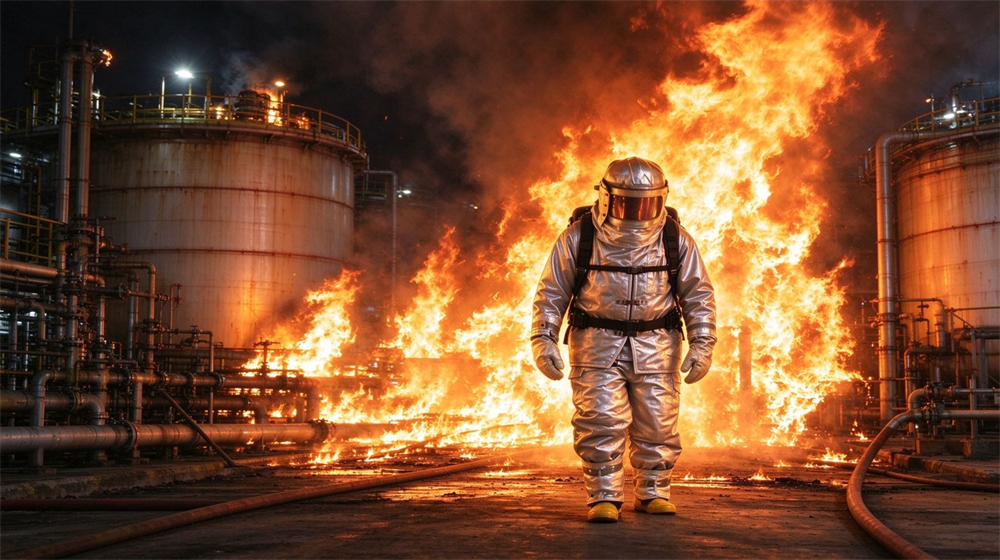
Fireground heat is not uniform. It drops quickly with distance, and a proximity suit heat zones model helps crews and buyers understand where a suit is actually needed. Direct flame contact is the hottest zone. The radiant heat zone — where proximity suits operate — still carries severe heat loads even though no flame touches the fabric. Beyond that, ambient heat drops to levels where standard structural gear may be enough.
Between the zones, the guidance is to use the higher protection class: when the distance is uncertain or the fire is growing, crews default to the suit that buys more time.
At two metres from a burning structure, radiant heat can still exceed what ordinary turnout gear is designed to stop. At closer working distances, the aluminized surface of a proximity suit reflects most of that radiation, keeping the interior temperature survivable for longer shifts. If your crews work within the radiant heat zone, a proximity suit is the correct class of protection.
Heat Zone
Distance from Fire
Heat Level
Suit Needed
Flame contact
Inside the fire
Extreme, seconds only
Fire entry suit
Radiant heat
1–5 metres
Severe, sustained
Proximity fire suit
Ambient heat
5+ metres
Moderate
Standard turnout gear
This heat zone table is the practical reference most departments keep near the gear room: entry suits for the extreme moments, proximity suits for the hours of real work that surround them.
If crews cross into the flame itself, only an entry suit belongs in the plan. But for the sustained work around an incident — in plants, at tank fires, beside process equipment — the proximity suit is the class that gets the job done hour after hour.
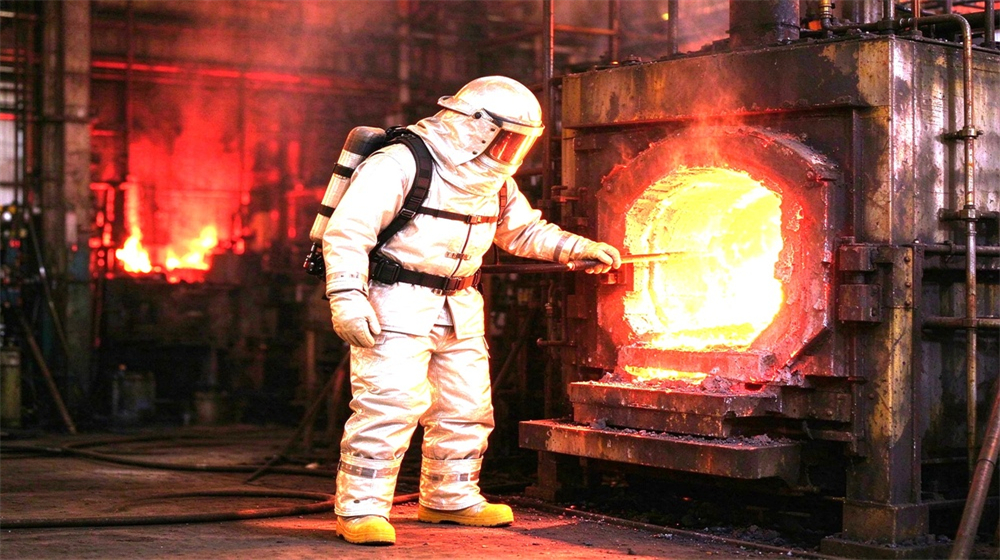
Under the bright silver shell, a firefighter radiant heat protection system works in two stages: reflect first, insulate second. The FBH-FQA follows that same logic. Most of the heat that threatens a firefighter in the radiant heat zone is radiation, not contact — it travels in straight lines from the fire, and a reflective surface is the most efficient way to send it back where it came from.
A non-reflective fabric absorbs that radiation and turns it into heat inside the garment.
Industrial fire brigades follow the same logic underNFPA 2113 standard for industrial fire brigade clothing, which guides plant teams in selecting and maintaining near-flame garments.
The two-stage design also explains the suit's weight. Because the aluminized layer does the heavy lifting against radiation, the insulation can stay moderate: thick enough for sustained near-flame work, thin enough to keep the crew mobile. That balance is the engineering signature of a proximity suit, and it is what separates this class from the much heavier entry suits.
The reflective shell is the first line of defence, and the insulation behind it is the second — together they define how long the crew can stay in the radiant heat zone before the heat inside the garment becomes the limiting factor.
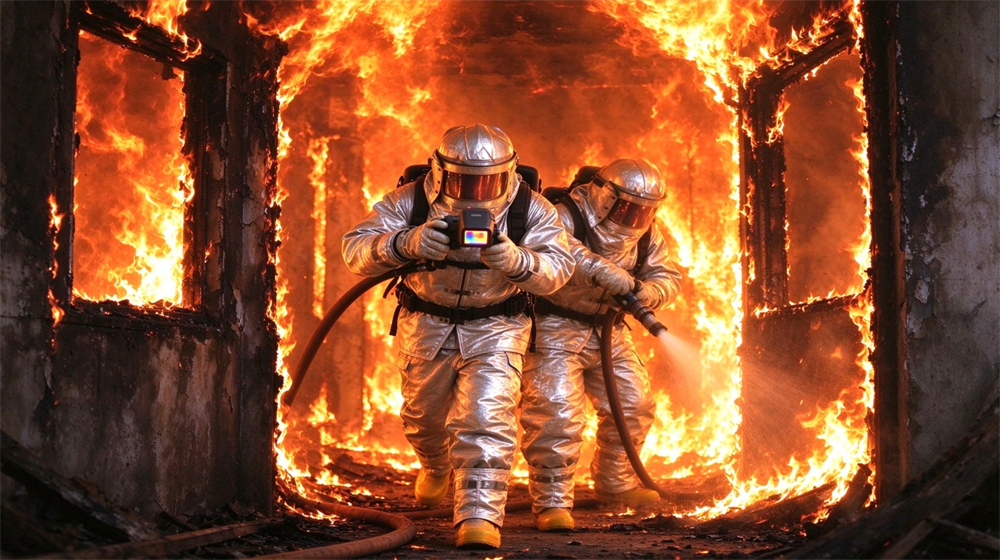
The outer surface is a bonded aluminized layer that reflects radiant heat away from the body. Radiant heat is electromagnetic radiation, not contact heat, and a reflective surface sends most of it back. That is why the suit stays workable in the radiant heat zone far longer than a non-reflective fabric would. The aluminized coating is applied to a strong base fabric so the reflection survives repeated use, folding and washing per the care routine.
The bond between coating and fabric is the quality checkpoint: a coating that flakes or peels is a protection failure, no matter how bright the shell looks on day one.
The reflection performance is also testable in practice: hold the suit under a bright light and check the surface for dull patches or clouding. Uniform brightness across the whole shell is the simplest field check a department can run, and it takes seconds during the weekly inspection.
For departments, the practical question is durability of the reflective surface. Scratches and abrasion reduce reflection over time, which is why inspection includes a look at the outer shell. A well-made aluminized suit keeps its reflective performance through many cycles of training and overhaul when the care routine is — and the visible condition of the shell is the first indicator a department can check without any equipment.
The coating process matters as much as the base fabric. A uniform aluminized layer reflects evenly across the whole surface, while an uneven coating leaves weak spots where heat gets through. When a flame proximity suit manufacturer controls the coating process carefully, every square metre of the shell carries the same protection — and that consistency is what wholesale buyers should ask about before ordering volume.
Consistency also matters for reorders: when a department tops up its stock, the new suits should match the old ones in appearance, weight and fit, so crews never have to adjust to a different garment mid-season.
Ask to see a full-width sample, not just a swatch, because coating uniformity is easiest to judge over a larger area. A consistent shell means every suit in the order performs the same, which simplifies training, maintenance and accountability.
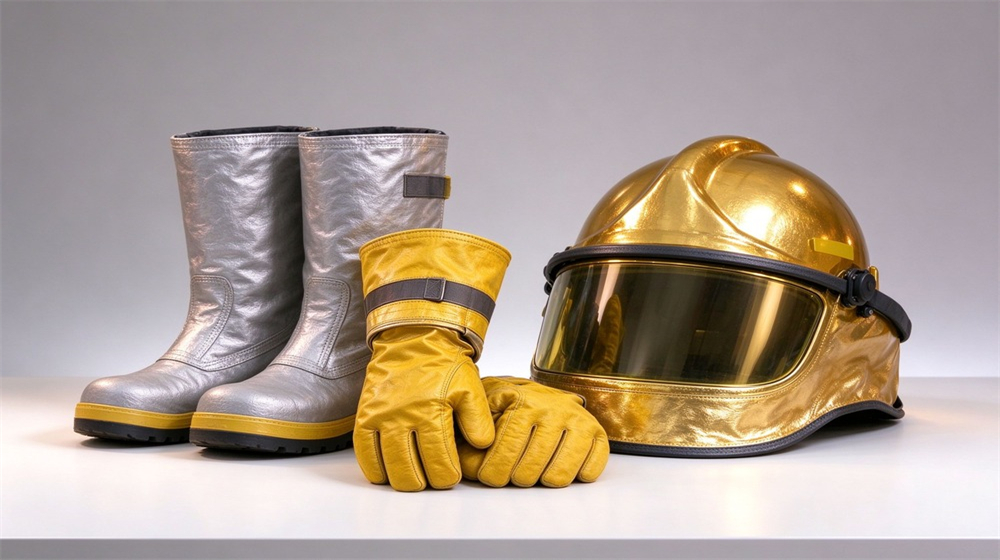
Behind the reflective shell sits the insulation core. Radiant heat that is not reflected must be stopped from reaching the body, and that is the insulation layer's job. Thicker insulation means more protection but also more weight and heat buildup for the wearer. A proximity suit balances the two: enough insulation for sustained near-flame work without turning the suit into an entry-class burden.
The correct insulation weight is a judgement the manufacturer makes with the firefighter in mind: protection that makes the wearer stop early is protection that fails in the field.
The liner also plays a comfort role: a smooth, breathable inner surface lets the wearer move and sweat without chafing, which keeps attention on the work rather than on the garment.
This balance is exactly what a manufacturer has to engineer. Sewn-in thermal batting, moisture barrier layers and a comfortable liner all work together. Buyers should ask for the layer construction of any suit they evaluate — the answer tells you whether it is built for the proximity mission or something heavier. Seams and closures matter as much as fabric, because radiant heat finds every gap.
A reinforced seam under tension, a double-stitched closure and a secure cuff all close the routes that heat and flame could take into the garment.
The same logic applies to every part of the ensemble. The helmet, the hood, the gloves and the boots all contribute to the protection system, and each one has to meet the same standard. When departments evaluate a full kit, they check that every component belongs to the same protection class. Mixed levels create weak points, and weak points are where injuries happen.
That is why the FBH-FQA is offered as a complete package: aluminized suit, near-flame helmet, heat-resistant gloves and boots sized to the wearer, so the whole ensemble works as one protection system rather than a collection of separate pieces.
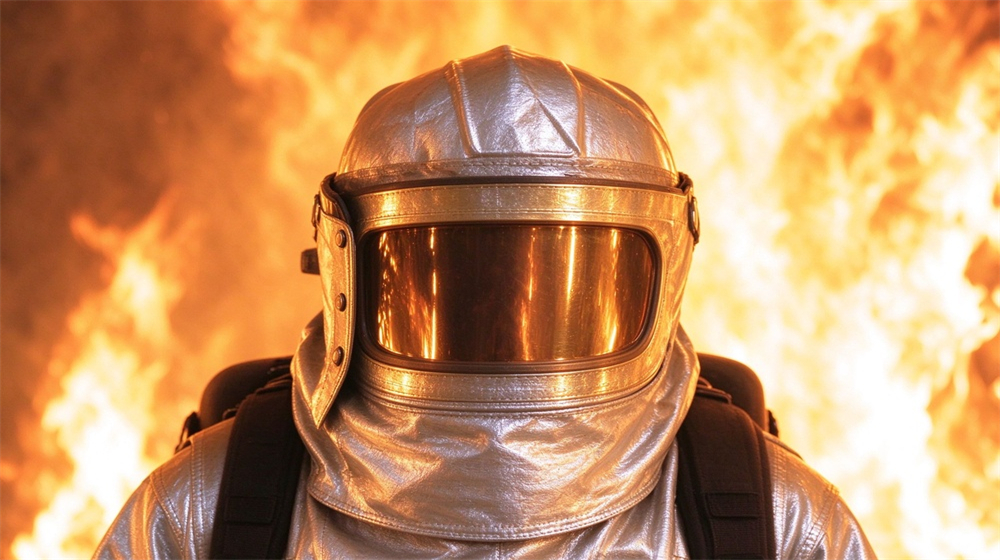
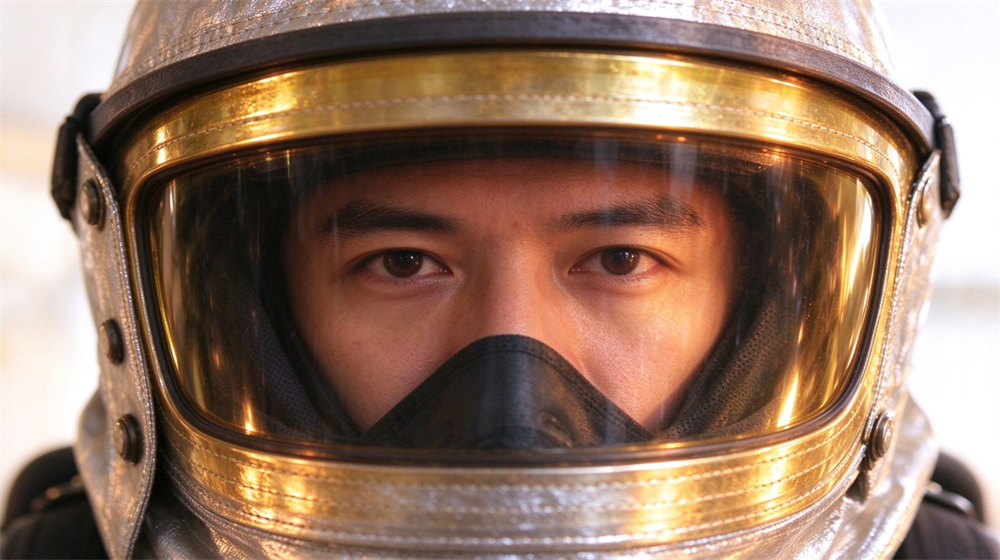
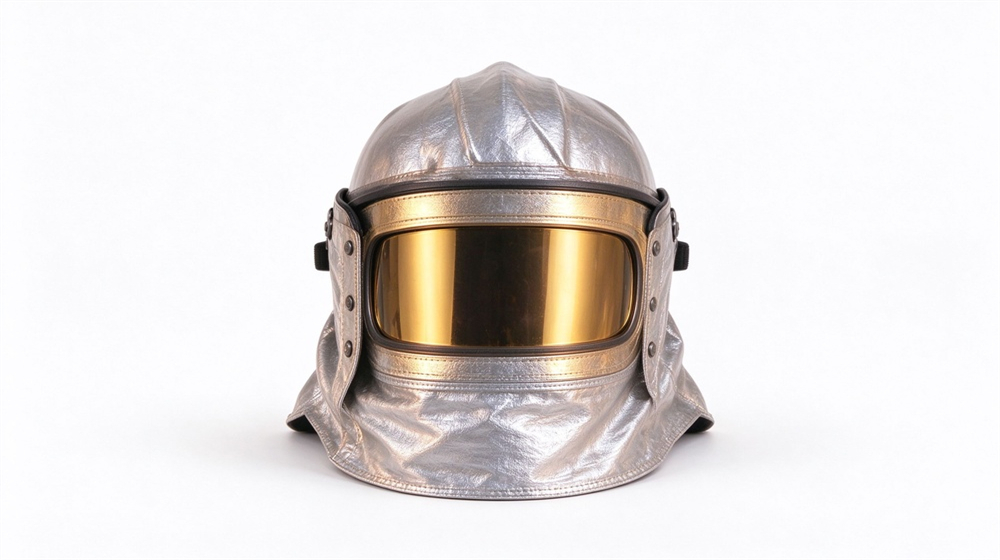
The helmet's gold-coated visor reduces glare from the fire while keeping a clear view of the scene; the gloves protect the hands that grip hose and tools; the boots carry the crew through debris and hot surfaces. Specified together, the components share the same care and inspection schedule, which makes the maintenance routine simpler for the gear officer.
That is why the FBH-FQA is offered as a complete package: aluminized suit, near-flame helmet, heat-resistant gloves and boots sized to the wearer. Every component is specified for the same radiant heat mission, so the whole ensemble works as one protection system rather than a collection of separate pieces.
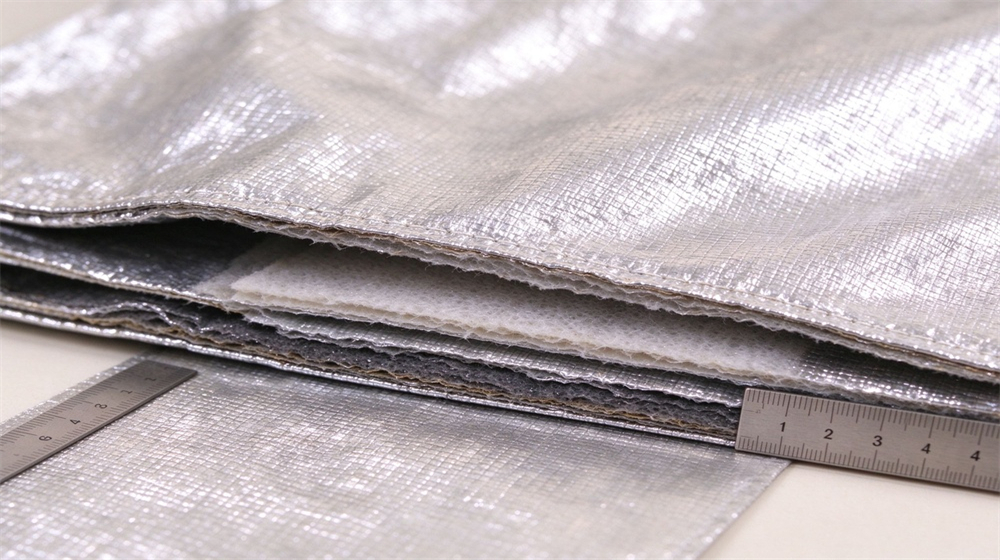
Where do proximity suits actually get used? Three fire station scenarios cover most of the working life of an FBH-FQA suit, and each one has a different protection story. Understanding the use cases helps departments size their order correctly and place suits where they are needed.
The same analysis also guides rotation: stations that burn more training hours get more suits per crew, while low-use stations carry a smaller reserve — a simple, defensible way to spread the budget.
A station that runs frequent live-fire drills will rotate proximity suits harder than one whose crews mostly respond to alarms, and the order quantity should reflect that reality.
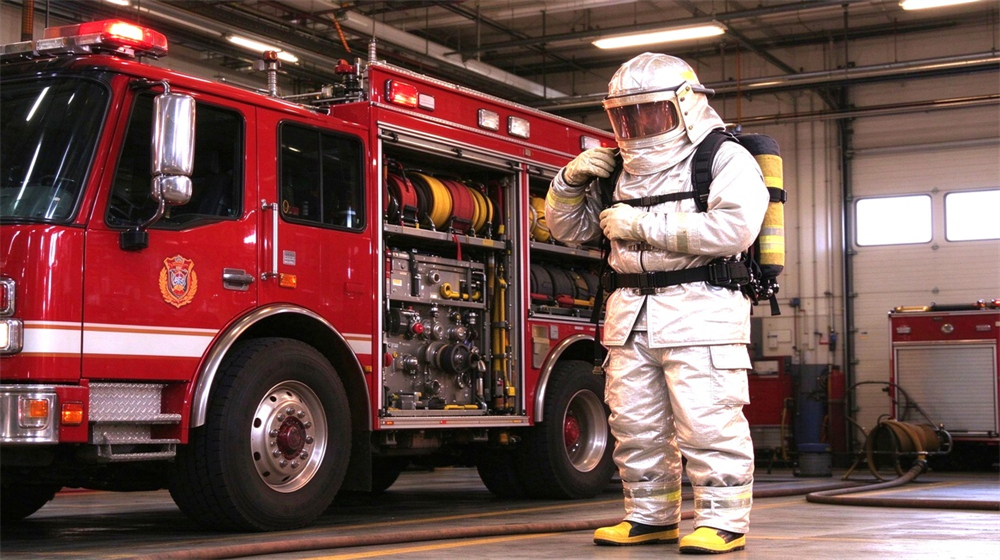
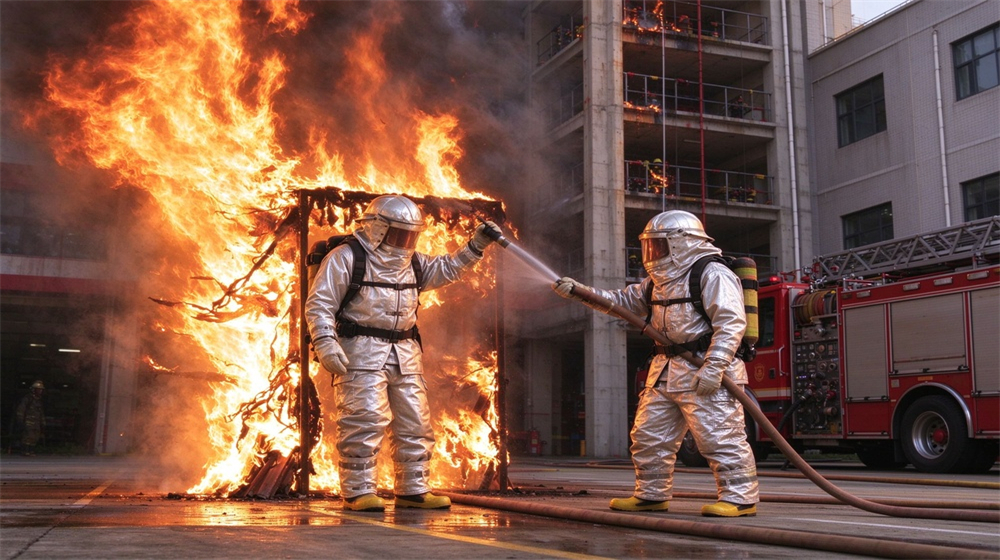
Training burns are where new firefighters learn to work near real flames. Instructors stand in the radiant heat zone for entire sessions, demonstrating hose handling and coordination. A fire station heat suit wholesale order usually starts here: the training cadre needs gear that can take repeated sessions.
Proximity suits fit that role: reflective, durable and lighter than entry gear, so instructors stay mobile through a long day of evolutions.
Departments also use training time to test gear before placing large orders. A few proximity suits in the rotation let instructors and command staff evaluate comfort, heat buildup and durability under real use — a low-risk way to validate a firefighter proximity suit supplier. Training grounds are the honest test: a suit failing there will not last in the field.
The evaluation period also reveals sizing issues, so departments can correct the size mix before the full order ships.
Training frequency makes durability visible. Departments that run live-fire drills weekly see wear patterns within a season, and that feedback shapes both maintenance routines and reorder decisions. A suit that survives a full training season without losing its reflective finish has proven itself for the department.
After a fire is knocked down, overhaul crews enter the structure to find and extinguish hidden hot spots. Temperatures remain high, and crews work close to smouldering materials. The radiant heat zone persists even when visible flame is gone. Proximity suits give overhaul crews reflective protection while they move, lift and search — work that requires the mobility a lighter suit class provides.
Overhaul often happens in awkward positions — reaching into ceilings, kneeling at wall openings — and the suit has to move with the crew member through every one of them.
In overhaul, the crew is not fighting a visible fire; they are chasing heat hidden inside walls and ceilings. That work keeps them close to hot materials for extended periods, and the reflective shell buys them time. Departments that routinely run overhaul operations find the proximity suit earns its place in the rotation faster than any other piece of gear.
Once a department sees the difference in the field, the proximity suit stops being an extra and becomes a standard part of the rotation.

Search and rescue crews may work beside active fires while they bring people out. The protection story is the same: crews need to stay close enough to reach victims without taking radiant heat damage themselves. A fire rescue aluminized suit supports that mission, and departments often pair proximity suits with standard gear so the right protection is available for the phase of the operation.
The rescue phase is fluid: attack may shift to rescue, then overhaul, and the crew benefits when the right garment is within reach.
Rescue work adds its own demands: lifting, carrying and moving through tight spaces. The suit has to protect and stay out of the way at the same time. That is the balance the proximity suit class is built for, and it is why rescue units that operate near active fires keep proximity suits in the bay alongside their standard turnout gear.
The rescue suit is not a replacement for anything — it is the right tool for the moments when crews must work close to active fire while carrying someone out.
In multi-company operations, the proximity suit becomes the common thread: the attack crew pushes forward in turnout gear, while instructors, overhaul teams and rescue crews hold the near-flame line in proximity suits. Every role stays protected, and every role stays mobile — which is why the next comparison matters for ordering decisions.
Once the crew sees the suit class working as a system, the ordering conversation becomes much easier.
The most common procurement question is how a proximity suit differs from the turnout gear firefighters already wear. The answer is not "better" — it is "different protection for a different position." Both suit classes belong in a modern fire department.
The question is not which one to buy, but how many of each — and the answer comes from the department's mission mix.
Turnout gear is the daily workhorse of structural firefighting. It protects against flames, heat, water and abrasion for general operations. But its outer shell is not designed to reflect sustained radiant heat the way an aluminized surface does. When crews work within the radiant heat zone for extended periods, the turnout gear absorbs heat and the wearer feels the buildup.
That buildup is not just discomfort; it drives fatigue, shortens effective working time and pulls crews out of the hot zone sooner than the operation plan expects.
For an aluminized fire suit for fire departments, the aluminized shell is the defining feature. It changes the heat experience of the wearer — reflecting radiation instead of absorbing it — without adding the extreme weight of an entry suit. That is the niche the proximity suit fills: the long middle of the operation, where the fire is close but not touched.
The table below turns that positioning into a side-by-side comparison that procurement teams can use directly.
Feature
Turnout Gear
Proximity Fire Suit
Primary role
General structural firefighting
Sustained near-flame work
Outer surface
Moisture-resistant shell
Reflective aluminized shell
Radiant heat
Limited reflection
High reflection, long working time
Weight
Standard
Moderate, below entry class
Best for
Attack, rescue, general ops
Training, overhaul, close work
Use the table as a quick selection guide. If the mission keeps crews near the fire for extended work, the proximity suit earns its place. If the mission is general structural response, turnout gear remains the primary protection. Departments that run both missions buy both — and the proximity suit vs turnout gear comparison is usually the deciding conversation with command staff.
Command staff appreciate the comparison because it ties the purchase to mission reality instead of product marketing.
NFPA standards anchor this comparison. NFPA 1971 protective ensembles for structural firefighting covers the turnout side of the equation, giving departments a clear baseline for general gear. Understanding that baseline makes the proximity suit's added reflection easier to evaluate — departments compare products on a common basis instead of on marketing language.
The standard also defines care and retirement criteria, which connects directly to the inspection routine in the next section.
NFPA 1971 also gives departments a documented baseline to reference in procurement documents, which speeds up approval for new gear and keeps the comparison fair between suppliers.
Proximity suits are specified in the same language as structural ensembles: reflective outer surface, thermal insulation, secure closures. That shared vocabulary makes it straightforward for a department to position the FBH-FQA next to gear they already own and see exactly what the aluminized shell adds.
A proximity suit evaluated beside turnout gear quickly shows its strength: where the turnout shell absorbs, the aluminized shell reflects, and that difference is exactly what near-flame work demands.
For industrial fire brigades and plant crews, the same comparison applies. Plant fire brigades working near furnaces and process equipment face the same radiant heat question as municipal crews, and the proximity suit class answers it the same way.
Industrial crews doing hot work near furnaces, kilns and process lines follow the same selection logic, which is why the same garment serves both municipal and industrial brigades.
For industrial buyers, the proximity suit is a straightforward addition to existing PPE programs: it follows the same selection, inspection and retirement logic as the rest of the plant's protective clothing, so it integrates without a new system.
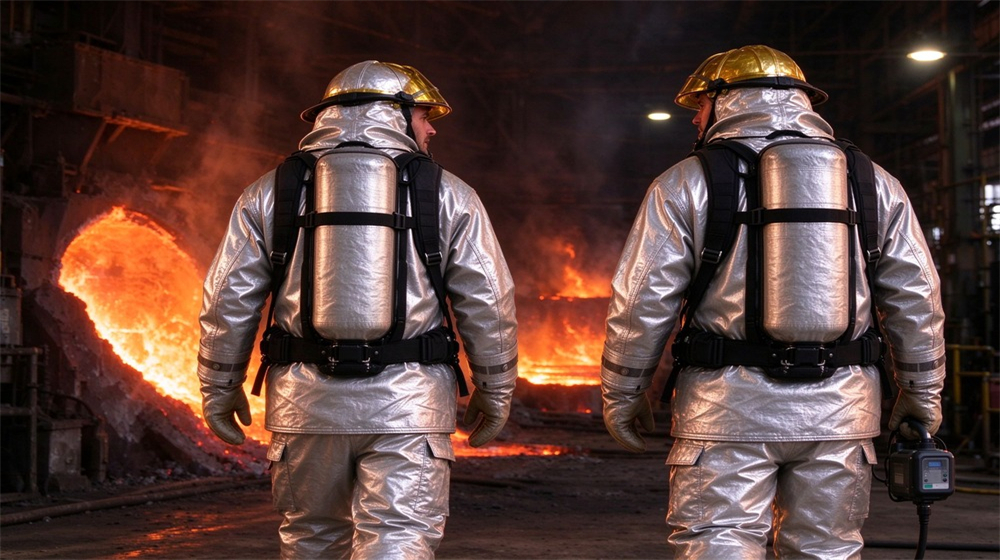
A proximity suit earns its place only if it stays in service. The FBH-FQA suit is designed for repeat use, and a simple inspection routine keeps it rescue-ready between incidents. Maintenance is the difference between a suit that protects and a suit that only looks like it protects.
A care routine built into the weekly schedule costs minutes; replacing a failed suit costs budget and, worse, risks the crew.
Assign the routine to a named role — a gear officer or the shift lead — so responsibility is clear and the record is kept in one place.
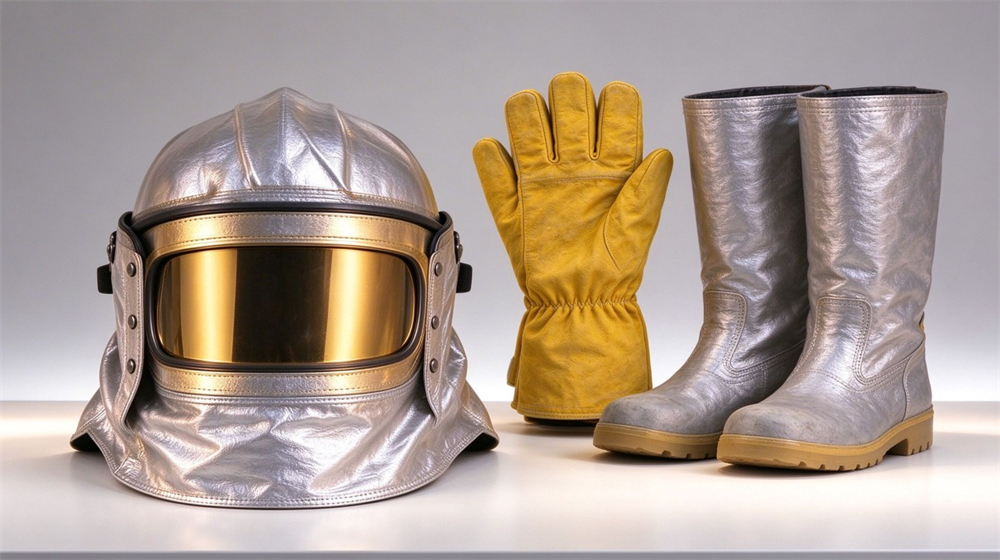
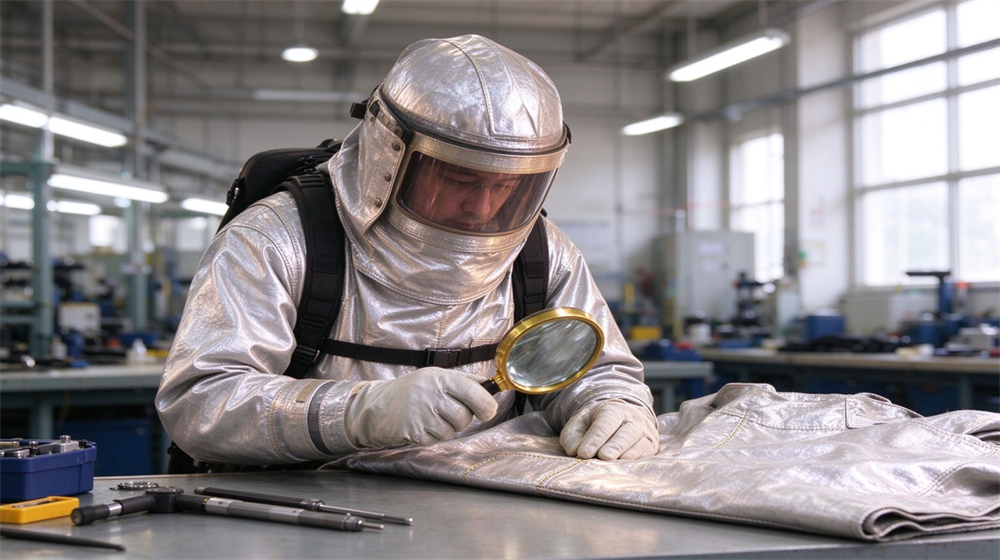
Daily and periodic checks follow the same logic as any fire service gear: look for damage, confirm closures, verify the reflective surface. After every training session or operation, crews should check the aluminized shell for scratches, tears and delamination. Zippers and closures get the same attention — a failed closure is a hole in the protection. The firefighter suit inspection checklist catches small problems before they become big ones.
Make the checklist visual: post it in the gear room, tick it after every use, and make the record part of the shift handover so nothing is missed.
A monthly review of the log shows wear patterns across the fleet, so the department can order replacements before a suit fails in service.
Item
Check
Frequency
Aluminized shell
Scratches, tears, delamination
After each use
Zippers & closures
Smooth operation, full seal
After each use
Seams & stitching
Loose threads, open seams
Weekly
Visor & helmet fit
Clear view, secure fit
Weekly
Full function test
Complete suit review
Monthly
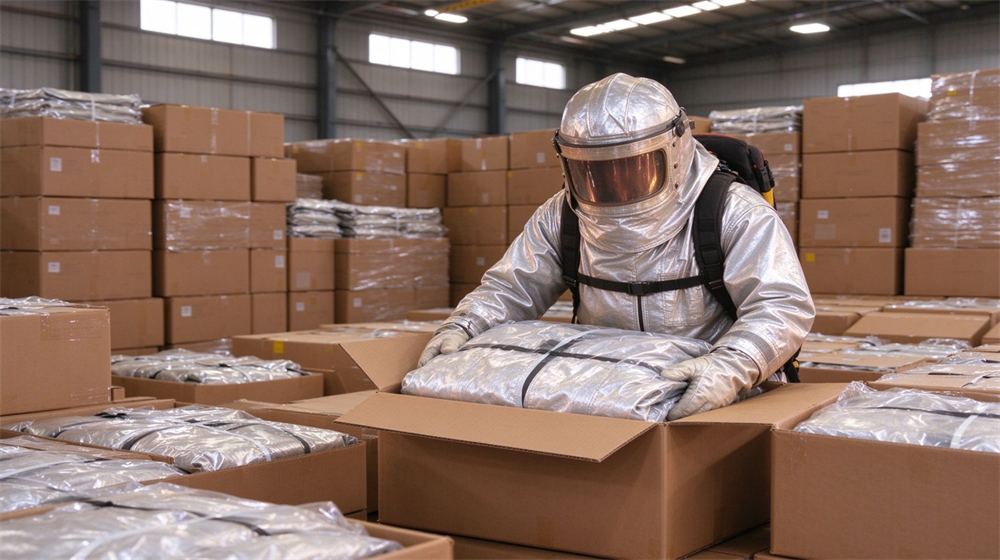
Cleaning matters too. Follow the manufacturer's care instructions, keep the reflective surface free of heavy soiling, and store the suit where it dries completely. A proximity suit maintenance guide from the supplier covers cleaning, storage and repair — worth keeping next to the inspection checklist in the gear room.
When in doubt about a repair, ask the supplier — most issues are solvable with the right replacement parts and instructions.
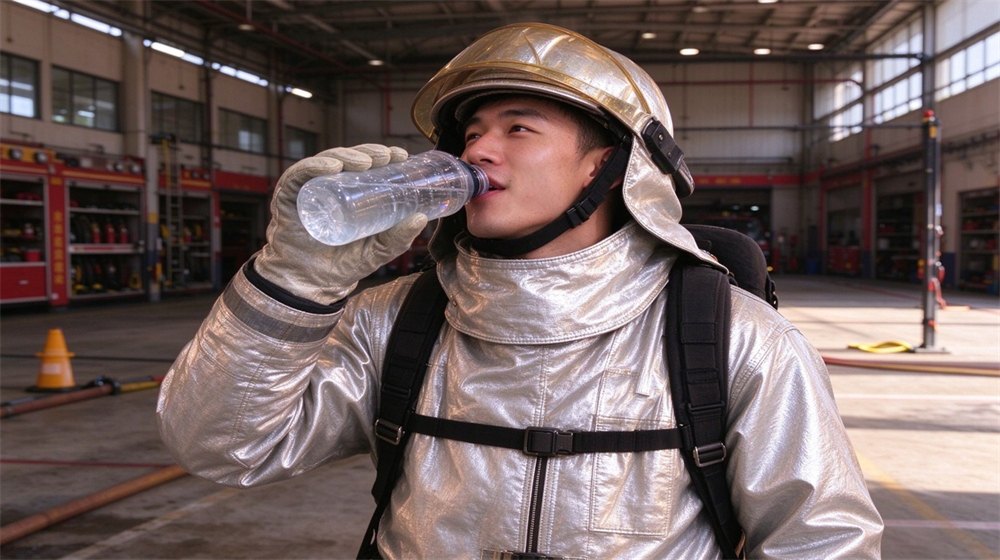
Cleaning a proximity suit is different from cleaning station laundry. The aluminized shell does its job by reflecting radiant heat, and heavy soiling or stiff creases can reduce that reflection. Wash the suit by hand or in a gentle machine cycle with warm water and a mild detergent made for technical fabrics. Skip bleach, solvents and fabric softeners — they can strip the reflective coating and attack the seams. Rinse thoroughly so no detergent residue stays inside the layers.
Drying matters as much as washing. Hang the suit where air moves freely and let it dry completely before storage, because moisture trapped in the insulation layer is what leads to odor and mildew between shifts. Do not tumble dry at high heat, do not dry-clean the aluminized shell, and do not hang it near direct heat sources such as radiators or exhaust vents. A suit that is clean and fully dry is ready for the next run; a suit that is rushed back into the locker is not.
Records matter for accountability. Log each inspection, note repairs, and retire any suit that no longer passes the checklist. Fire departments that run this routine keep their proximity suits in service far longer, and they have the paperwork to prove readiness when it counts.
Beyond the checklist, schedule a monthly function test of the whole ensemble, including helmet and gloves. This mirrors the discipline described in OSHA firefighter safety and health guidance, which treats protective gear as a system that has to be verified, not assumed. For departments running large fleets of suits, the same checklist on the same schedule keeps the system working across stations and shifts.
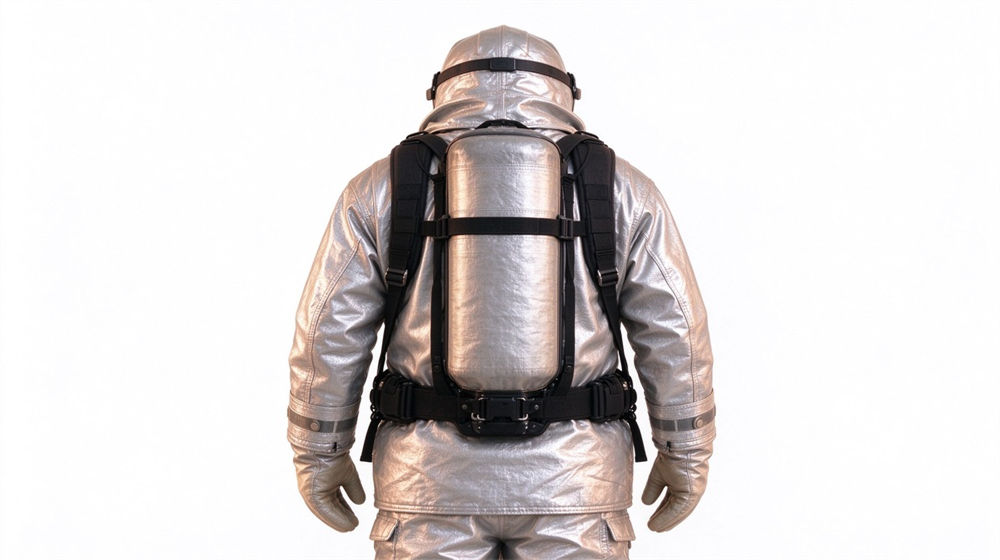
How a suit is stored decides how long it lasts. Hang the jacket on a wide, padded hanger so the shoulders keep their shape, and store the whole ensemble away from direct sunlight, heat sources and chemical storage areas. Keep the locker or gear room dry, and leave the zippers half-open so moisture does not sit against the closures. Folded storage is fine for shipping and temporary handling, but long-term hanging is better for the reflective surface.
Plan spare parts with the order. Replacement aluminized gloves, visors, hoods and elastic closures are the items that wear out first, so quoting a small spare kit with the initial order saves a second round of shipping later. Confirm the part numbers and lead time with the supplier at order time, and keep the list with the inspection checklist. Departments that stock the wear items keep every suit in the rotation instead of parking a suit for one missing glove.
Training records close the loop. When every shift signs off on the same checklist, the gear officer can see at a glance which suits are ready, which are in repair and which are due for replacement. That single habit — one checklist, one record, one owner — is what keeps a proximity suit program running season after season.
Q1. Can my fire station order proximity suits in bulk?
Yes. We supply fire station heat suit wholesale orders with consistent sizing across M to XXL, and production runs are scheduled to match department delivery needs. Contact us with your expected quantity and we will confirm lead time, packing and payment terms in the contract.
Q2. What is the difference between proximity and entry suits?
A proximity suit is for sustained work in the radiant heat zone near flames. A fire entry suit is for short passes through the fire itself. The two are different protection classes, and the fire entry proximity decision depends on whether your crews work beside the fire or cross into it.
Q3. How close to flames can I work in this suit?
The suit is designed for the radiant heat zone, typically 1–5 metres from the fire, where it reflects radiant heat for sustained work. It is not rated for direct flame contact — that is the fire entry suit's mission. See the proximity suit heat zones table above for the working distance guide.
Every department should brief crews on these zones so the suit is used inside its design envelope.
Zone briefings are short and practical: where the crew works, how close is safe, and when to hand the task to entry gear — fifteen minutes at the station keeps everyone aligned.
Q4. Is this suit suitable for rescue operations?
Yes. The fire rescue aluminized suit is used by crews in structure rescue and overhaul, where protection near active fire is needed while staying mobile. Departments often pair it with standard turnout gear so both protection classes are available.
The pairing lets crews switch garments as the operation evolves, keeping the right protection on the person doing the work.

Q5. How often should the suit be inspected?
Follow the firefighter suit inspection checklist: after each use check the aluminized shell, zippers and closures; weekly check seams, visor and helmet fit; monthly run a full function test. Log every inspection for accountability.
A written record also supports warranty claims and helps the department plan replacement cycles with confidence.
The record also feeds the budget: departments that can see exactly how long suits last in their own operation plan replacements accurately instead of guessing.
Q6. Do you supply to fire departments directly?
Yes, we work with fire departments and rescue units directly and through distributors. An aluminized fire suit for fire departments order starts with your mission profile and sizing needs — send us your requirement and we will confirm specifications in the contract.
Whether you order through a distributor or directly, the specification, sizing and delivery terms are all confirmed in writing before production starts.
Q7. How should we clean and store the aluminized suit?
Cleaning follows the care instructions supplied with the garment: rinse with clean water, avoid folding or scrubbing the reflective surface, and dry naturally away from direct heat. Store the suit unfolded on a hanger in a dry gear room so the aluminized layer keeps its reflection between uses.
Q8. Do you offer custom sizing for the proximity suit?
The FBH-FQA is produced from M to XXL with consistent proportions across the range. If your crew includes special body types, send measurements with your enquiry and we will confirm options together with the order details — sizing, quantity and delivery terms are all confirmed in the contract.
Q9. What performance specifications does the FBH-FQA proximity suit meet?
The garment is built from multi-layer high-performance materials — fire-resistant, fire-proof, insulation, waterproof and anti-steam layers — over a comfort layer. Key numbers: TPP ≥ 35 cal/cm², afterflame time ≤ 2 s, char length ≤ 100 mm, breaking strength ≥ 650 N, tear strength ≥ 60 N, thermal shrinkage ≤ 10%, and full-set weight ≤ 13 kg. Ask us for the test report with your order.
Q10. Is the suit available as a two-piece set or a coverall?
Both. The FBH-FQA comes in a two-piece configuration with a backpack-style jacket and bib pants, or as a coverall — confirm your preference with the order so the fit and protection stay consistent for the whole crew.
Q11. What does the complete FBH-FQA kit include?
The full kit covers the fire proximity hood, backpack-style jacket, bib pants (or coverall), fire proximity gloves and fire proximity boots. Ordering the complete set from one supplier keeps every component matched to the same protection standard.
Q12. What does the 1000°C rating mean for my crew?
The garment can briefly withstand flame temperatures around 1000°C during rapid passes near the flame front. Sustained work happens in the radiant heat zone, where the aluminized layer reflects heat; the 1000°C rating is not a licence to stand inside the flame. Confirm the working-distance guidance in the heat zone table above.
Q13. Can we add department branding to the proximity suits?
Yes, custom branding for fire departments is available — confirm the placement, artwork and quantity with your order, and the details go into the contract. The reflective surface and closures are unaffected by standard print and label placement.
For departments equipping crews for near-flame work, the firefighter proximity suit supplier conversation starts with the mission: proximity, not entry. The FBH-FQA aluminized suit covers training, overhaul and rescue, with a reflective shell, insulation core and a care routine that keeps it ready for the next incident. Ask us about bulk orders, sizing and samples — we will confirm everything in the contract.
YIROUFANG TEXTILE · Firefighter Proximity Suit FBH-FQA · info@yrftextile.com
High-temperature suit series: Aluminized Thermal Suit · Imported Fabric Thermal Suit · EU 1600°C Heavy Duty Suit · Firefighter Proximity Suit · Carbon Fiber Fire Entry Suit · Thermal + Chemical Composite Suit
View all high-temperature protective suits
Previous :
Fire Entry Suits – for Crossing Flame Zones Wholesale Carbon Fiber Fire Entry SuitsNext :
EU Standard Heavy Duty Heat Suit | EN ISO 11612 Certified 1000°C Deep Blue Firefighting Suit Set, Forest Fire Fighting Specialized, Full-body Protection
This Deep Blue firefighting suit set is specially designed for forest fire fighting, using special flame-retardant fabric that can withstand 700°C open flames in the wild, with a thermal protection value (TPP) of 25CAL/AM2. The vivid Deep Blue color combined with enhanced reflective strips enables identification from 500 meters away in forest smoke. The lightweight design of only 4.5KG does not affect mountain action speed, with a waterproof rating >40KPA, adapting to camping fire fighting and long-term field operations. The anti-plant puncture design increases wear resistance by 50%, making it professional equipment for forest firefighting, mountain rescue, and outdoor fire fighting actions, providing all-around body protection for forest firefighters.
 High-temperature Resistant Firefighting Suit Set, Emergency Rescue, Quick-wear
This high-temperature resistant firefighting suit set is made of professional-grade flame-retardant materials, capable of withstanding extreme temperatures up to 750°C, with a thermal protection value (TPP) of 26CAL/AM2, providing reliable protection for emergency rescue. The innovative quick-wear design allows complete dressing in 40 seconds during emergencies, with hydrostatic pressure resistance >45KPA and excellent breathability. Designed according to ergonomic principles, weighing only 4.8KG, it effectively reduces the burden on rescue personnel and is suitable for high-risk scenarios such as building fires, tunnel rescues, and industrial firefighting, making it an ideal equipment choice for professional firefighting teams.
 Professional Firefighting Suit Set, Flame-retardant Protection, Rescue Essential, 14-3C Certified
This professional firefighting suit set is made of high-grade flame-retardant cotton fabric, 14-3C certified, capable of withstanding extreme temperatures up to 800°C, with a thermal protection TPP value of not less than 28CAL/AM2. The three-layer composite protection structure, with waterproof static pressure resistance >50KPA and breathability >5000G/M²·24H, ensures comprehensive safety for rescue personnel in complex environments such as building fires, forest fires, and special chemical plant fires. Available in three models: 97/02/14, meeting different rescue scenario requirements.
 02 Firefighting Suit Multi-layer Composite Material Rescue Protection
This Type 02 firefighting suit is made of professional flame-retardant materials with excellent heat resistance, fire protection grade meeting international rescue standards, and waterproof puncture resistance rate of 98%. The deep blue body is equipped with eye-catching yellow reflective strips, increasing night visibility by 85%. The complete six-piece configuration provides comprehensive protection for firefighting, forest firefighting, earthquake rescue, and other scenarios, providing reliable protection for 300+ professional rescue teams.
 Forest Fire Rescue Service with Heat-Resistant Design
This professional forest fire rescue service uses flame-retardant heat-resistant material, achieving GB8624-A2 fire rating standard with heat resistance up to 800°C, and features high-visibility reflective strips visible from 300 meters away. It's suitable for emergency rescue scenarios such as forest fires, mountain rescues, and industrial disasters, providing comprehensive personal safety protection. Each set has undergone 10,000 abrasion tests and proven its reliability and safety in over 1,500 rescue operations nationwide.
 Fire Rescue Cap, Aramid Flame-Resistant Material, Forest Fire Emergency
This professional-grade forest firefighting vest and hat set is made of polyester/cotton blended flame-retardant fabric, with reflective visibility up to 300 meters, capable of resisting short-term flame contact, improving protection efficiency by 85%. The bright orange design with double-layer reflective strips complies with international rescue standards, ensuring 360° visibility in smoke and low light environments. Suitable for forest fire fighting, wilderness emergency rescue, post-earthquake sites, and other emergency disaster relief scenarios, providing comprehensive protection for rescue personnel.
Copyright © Custom Disaster - Relief Bedding: Tents, Sleeping Bags, Blankets All Rights Reserved
the professional team to service !


