


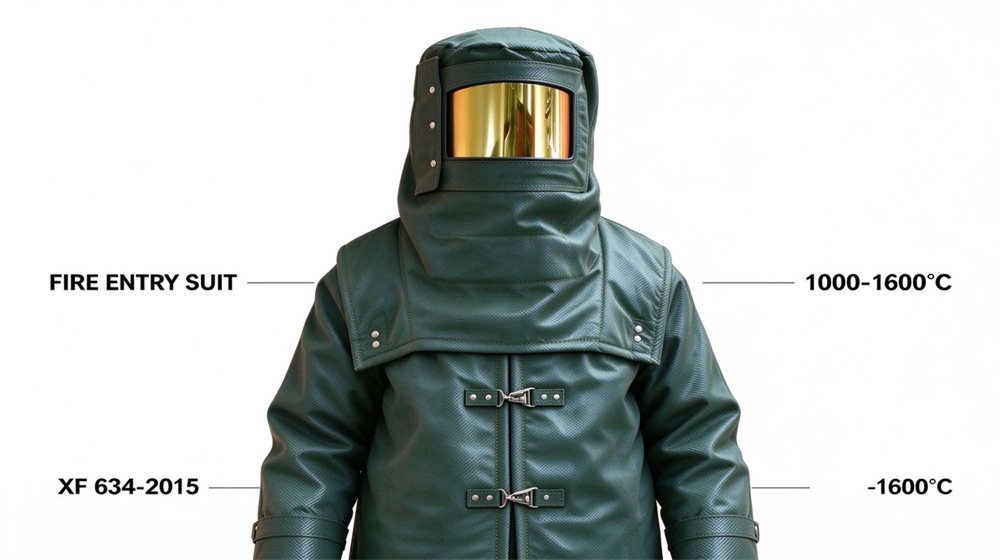
Our carbon fiber fire entry suit adopts seven-layer Hotment refractory construction, withstands short 1000–1600°C flame exposure. Designed for short-time flame crossing rescue and kiln hot repair. Equipped with built-in helmet and gold plated visor. Available in split and one-piece styles, sizes L to XXXL. Support bulk procurement for fire departments and industrial brigades.
Note: Price for reference only. Exact price based on quantity, size, weight and custom details.
model no. :
XFF-05Brand:
YRFmarket price :
$119.8sale price :
$59.9price range :
30-100/$59.9Color :
Multiple Colorsport of dispatch :
Guangdong/GuangzhouPayment :
TT, Paypal, Western Unionmin order :
30original region :
Made in ChinaLead Time :
5-15daysFire Entry Suits – for Crossing Flame Zones Wholesale
Carbon Fiber Fire Entry Suits
Which carbon fiber fire entry suit for your rescue team? Carbon fiber or glass fiber outer layer? 1000°C full immersion flame or 500°C proximity heat? With SCBA backpack integration or without? This page answers every specification question about seven-layer composite fire entry suits for wholesale bulk buyers, including sizing, certification, and factory direct pricing.
A fire entry suit gets rescue crews through the flame itself.

 |

|
1. What Is a Fire Entry Suit?
2. Carbon Fiber Construction
3. Entry vs Proximity vs Turnout
4. XF 634-2015 Standard
5. Split or One-Piece
6. Who Needs Entry Suits
7. Sizing, Inspection & Care
8. Bulk Ordering from China

If your teams work beside fires, a proximity suit is enough. If they must move through the fire — rescue a downed member, close a valve, reach a victim on the other side of a burning compartment — only an entry suit belongs in the plan. This carbon fiber fire entry suit is that tool: a seven-layer refractory shell that buys the wearer seconds of protected movement through flame, matched with a built-in safety helmet and a thickened gold-plated visor that keeps the face protected while the crew moves. As a fire entry suit supplier, we build the Mn-gr1008 in split and one-piece styles, from L to XXXL, and confirm every configuration in the contract.
Bought in bulk, the same suit equips an entire team to the same standard — which is why departments and industrial brigades order carbon fiber fire suits wholesale rather than mixing suppliers. One configuration, one protection level, one maintenance routine.
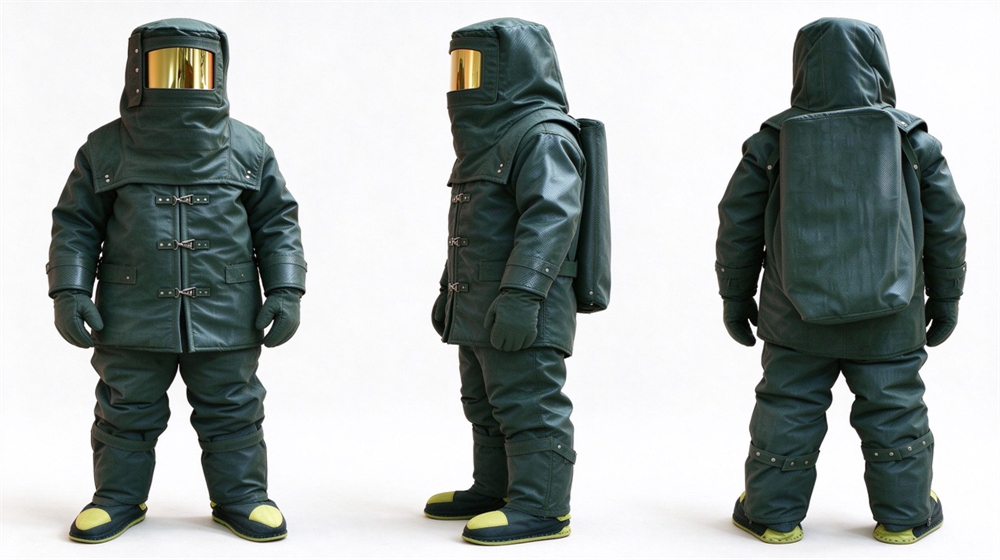
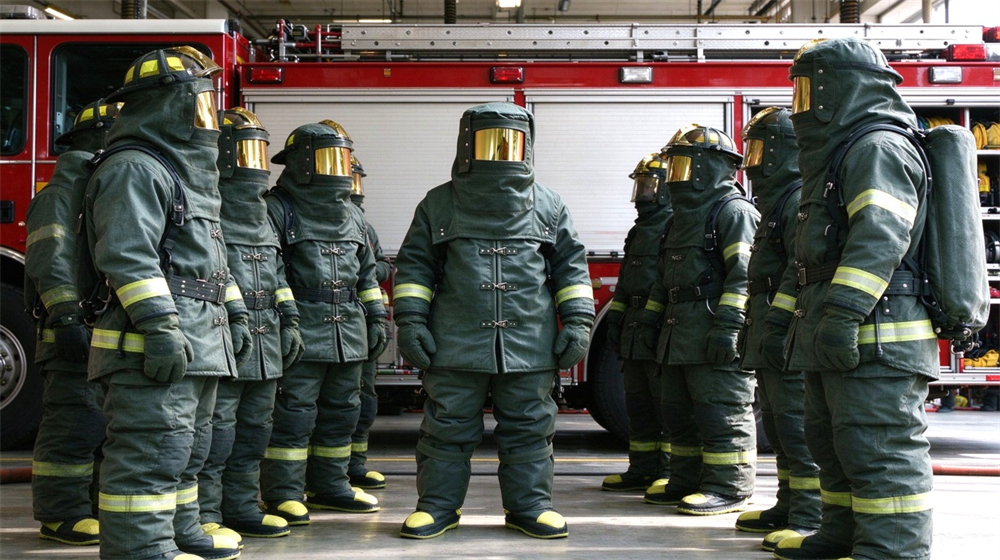
One protection level across the whole team, from the first fire entry suit to the last.
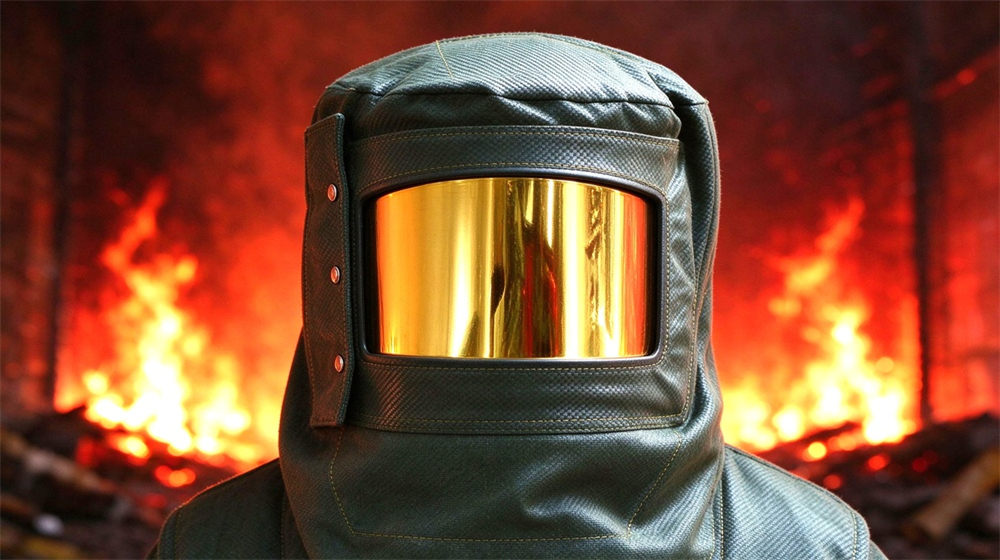
Reflects radiant heat before it reaches the eyes, across the full fire entry suit range.
Everything a fire zone crossing needs, packed in one case — carbon fiber fire suits wholesale ready for dispatch.
A fire entry suit is a heat-protection garment designed for short-time passage through fire. Where turnout gear and proximity suits protect crews working in the radiant heat zone — close to the fire but not inside it — the entry suit is rated for the moment a task requires moving through the flame itself. The carbon fiber fire entry suit does this with a refractory outer shell that does not burn away on contact, an insulation core that slows heat transfer to the body, and a closed system of hood, gloves and boots that keeps every part of the wearer covered.
Entry suits are not everyday working gear. They are mission gear: pulled out for the specific moments when the fire must be crossed — and worn for the shortest time that achieves the task. That is why the engineering focuses on protection per second of exposure, and why the suit is always paired with breathing apparatus.
Heat reaches the body through three channels: radiation, conduction and convection. Radiant heat travels in straight lines and is reflected by the gold-plated visor and the refractory shell; conducted heat moves through the fabric itself and is slowed by the insulation core; convective heat rides hot gases and is sealed out by the closed hood, wrist and ankle closures. A fire entry suit works on all three at once — which is why a single thick fabric can never replace a layered system, and why the seven-layer build is not marketing, it is physics.
The clearest example is a rescue: a downed member or a trapped victim on the far side of a burning compartment. Waiting is not an option. The entry suit covers that gap — the wearer moves through the fire front, reaches the victim, and the attack crew takes over from the safe side.
Three documents close the purchase: product sheet, test report against XF 634-2015, and contract with sizes and delivery. Without all three, the order is not ready.
An entry suit only protects a crew trained to use it. Teams rehearse the crossing drill, the hand signals and the timing — how long the pass takes, when to call it, how the exit is covered. The suit and its breathing apparatus are checked before every drill, and the drill is recorded. Hardware plus procedure makes the rescue repeatable.
Fire departments use them in rescue operations; industrial teams use them for kiln and furnace work at the mouth of heat that destroys ordinary clothing. In both cases the suit buys time, the mission uses it efficiently, and the wearer works with breathing apparatus.
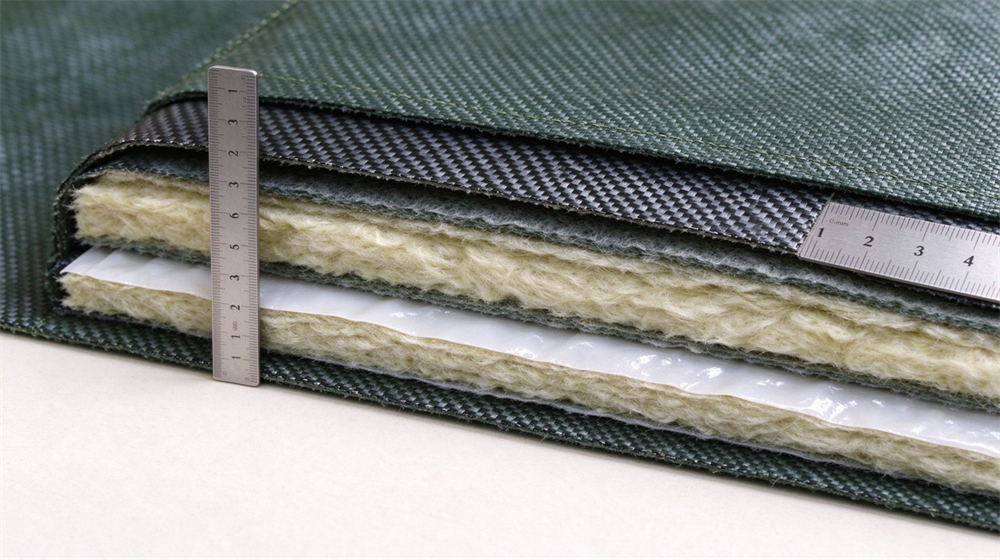
The Mn-gr1008 is built around a seven-layer system. Each layer has one job — reflect, insulate, seal or comfort — and the layers work together so that heat crossing the shell arrives at the body much later than it would through any single material. The documented build includes the Hotment® refractory fiber cloth, an insulation felt layer, a waterproof layer and a comfort layer, finished with aramid fire-resistant thread throughout.
Layer Role
What It Does in the Entry Suit
Refractory outer shell
Hotment® refractory fiber cloth resists flame contact during short-time passage and does not burn away on exposure.
Insulation felt
Slows conducted heat moving from the shell toward the body.
Waterproof layer
Keeps water and fireground liquids off the insulation core so it keeps working.
Comfort layer
Separates the protective build from the skin, so the suit can be worn during the task without chafing.
Additional flame-barrier layers
Complete the seven-layer build required by the entry-suit class; the full layer list is confirmed with the sample and test report.
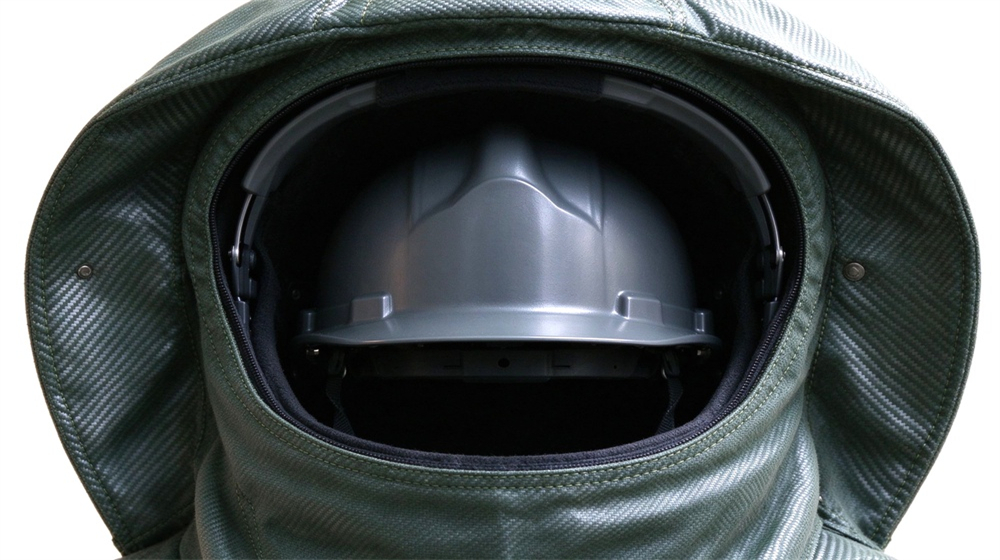
The outer shell uses Hotment® refractory fiber cloth, the same family of refractory material that keeps the suit working at flame temperatures rather than charring on first contact. Combined with the insulation behind it, the shell is what allows the short-time 1000–1600°C rating: the fabric takes the flame, the insulation slows the heat, and the wearer moves.
The difference between flame-retardant fabric and refractory fiber is the difference between resisting a spark and resisting the fire itself. Flame-retardant fabrics are treated to resist ignition and stop burning when the flame is removed; refractory fiber is engineered to keep its structure at temperatures where treated fabrics char. For an entry suit, the shell must do the second — the flame is not removed mid-crossing, it is present for the whole pass. That is why the Mn-gr1008 shell is refractory fiber, not treated cotton or treated polyester.
The visor is plated in gold and thickened for entry work. Gold reflects radiant heat far better than clear glass, and the thickening gives the visor the mechanical strength to survive movement through a fire scene. The wearer keeps full vision — the difference between crossing a compartment blind and crossing it with the exit in sight.
Maintaining the visor is part of maintaining the suit. A scratched or hazed visor reflects less heat and distorts the exit view, so the inspection routine checks it first and keeps it covered when the suit is stored. Replacement visors are part of the spare-parts conversation with the supplier; the hood is engineered so the visor can be changed without replacing the whole hood.
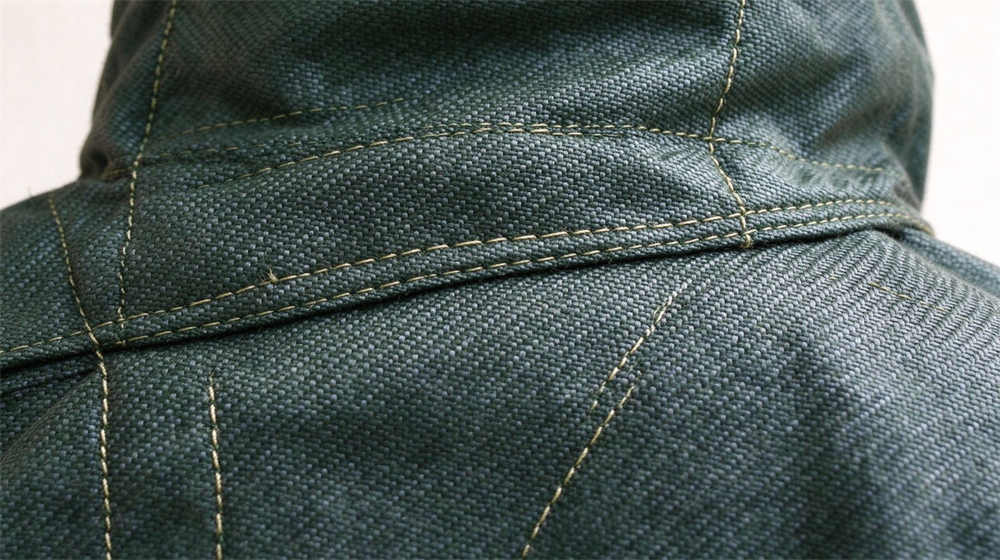
The hood carries a built-in fire safety helmet, so the head has impact protection under the refractory layer instead of depending on a separate shell. Every seam is stitched with aramid fire-resistant thread, which keeps the seams intact when the fabric around them is doing its job. A seam that fails at temperature is a gap in the protection, and aramid stitching is the standard answer.
Two details in the build deserve attention at inspection time. First, the waterproof layer: fireground work is wet work — hose streams, extinguishing agents and runoff — and a wet insulation core conducts heat faster than a dry one. The waterproof layer keeps the insulation dry so it keeps insulating. Second, the stitching: aramid thread is used throughout, including the load-bearing seams of the backpack and the closures, because those seams carry the cylinder and the movement of the whole suit.
Aramid thread keeps every seam intact at temperature, closing every gap in the shell.
Every performance claim on this page traces back to the product sheet and the test report: ask for the report with your sample, and compare the method before you compare the number.
Buying the right class of suit starts with the mission, not the material. Three classes cover almost every fireground task, and each one protects a different kind of work. The table below is the decision matrix: match the task, then match the suit.
|
Decision Point |
Fire Entry Suit (Mn-gr1008) |
Proximity Suit |
Turnout Gear |
|
Primary mission |
Short-time passage through the flame for rescue |
Sustained work in the radiant heat zone near fires |
General structural firefighting and overhaul |
|
Flame contact |
Rated for short-time crossing of the fire front |
Not for direct flame contact |
Not for sustained flame contact |
|
Typical exposure |
Seconds, deliberate and mission-driven |
Minutes to hours in radiant heat |
Whole-incident protection |
|
Weight focus |
Maximum protection per second |
Balance of protection and mobility |
Comfort and durability across the shift |
|
Breathing apparatus |
Always paired (mandatory) |
Mission-dependent |
Standard with SCBA |

Name the task first. A rescue that crosses flames needs the entry suit; sustained attack from the radiant heat zone needs a proximity suit; standard suppression and overhaul need turnout gear. Departments that stock more than one class keep every mission covered — in the lightest suit that fully protects the task.
Stocking more than one class is a budget decision as well as a safety decision. Entry suits cost more per unit than turnout gear because the refractory build is materially heavier to produce; departments therefore size the entry-suit inventory to the rescue mission, not to the whole fleet. The planning rule is simple: every crew member who may cross the fire front has a suit, every suit has a breathing apparatus partner, and the rest of the crew works in the class that matches their task. That keeps protection adequate without converting the whole department to entry-suit pricing.
That is why inspection matters: a suit that has crossed the fire zone has a service history, and the next deployment decision is made on the record, not on memory.
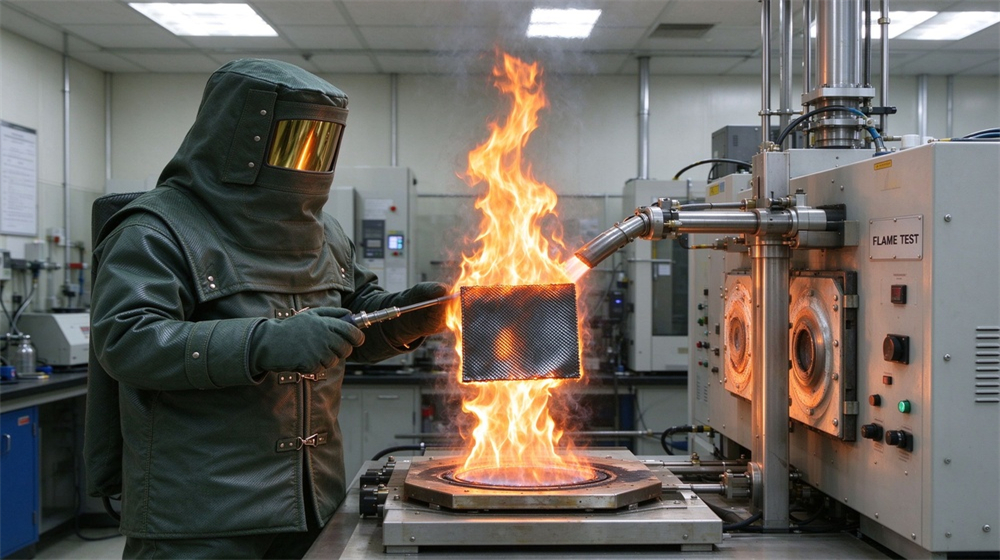
The Mn-gr1008 is produced to XF 634-2015, the Chinese standard for firefighter thermal protective clothing. The standard sets the frame for the whole garment: the refractory materials, the seam construction, the visor and the overall performance of the suit when it is exposed to heat. Producing to a standard is different from claiming a standard — it means the build, the materials and the inspection routine are held to that document, and the test report is the proof.
In practical terms the standard holds the suit to a single promise: that the garment protects the wearer during the exposure it is rated for. That means the outer shell resists flame, the insulation slows heat, the seams hold, the visor keeps its function, and the whole assembly is tested as a system — not as a stack of fabrics. When you order, the test report for the batch accompanies the shipment, and you can review the recorded values before dispatch.
For procurement teams, the standard is the paperwork that makes the purchase defensible. Tenders and internal review processes ask for the standard, the test report and the batch traceability; a supplier that produces to XF 634-2015 and ships the report with every order answers those questions in one folder. Ask for the standard number on the label, the report on the batch, and the sample before the bulk order — the three together close the compliance loop.
Verification runs at two levels. First, the factory routine: each batch is inspected for material condition, seam integrity, visor clarity and closure function before packing. Second, the documented evidence: the batch test report records the values measured against the standard, and that report is what you review with your order. Ask for both — the routine protects the garment, the report protects your purchase decision.
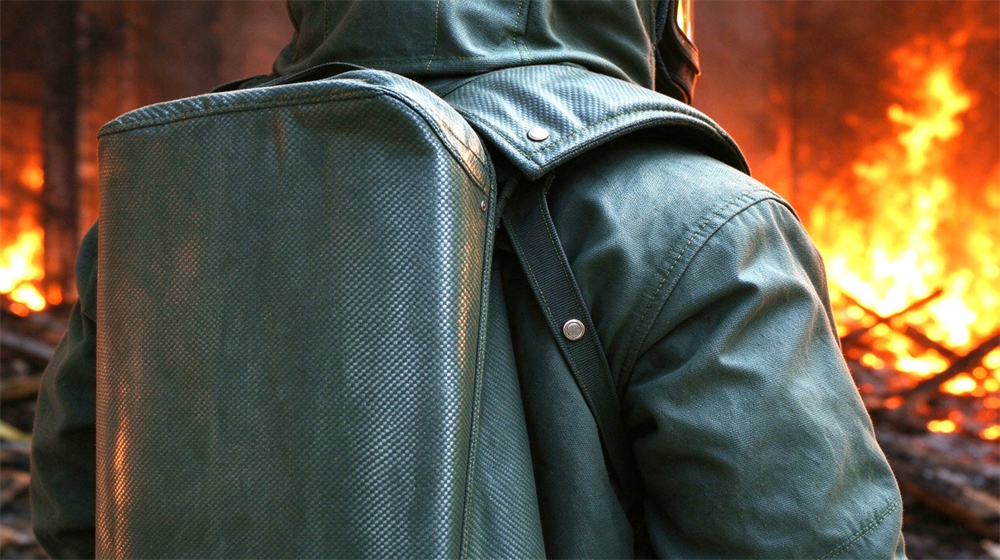
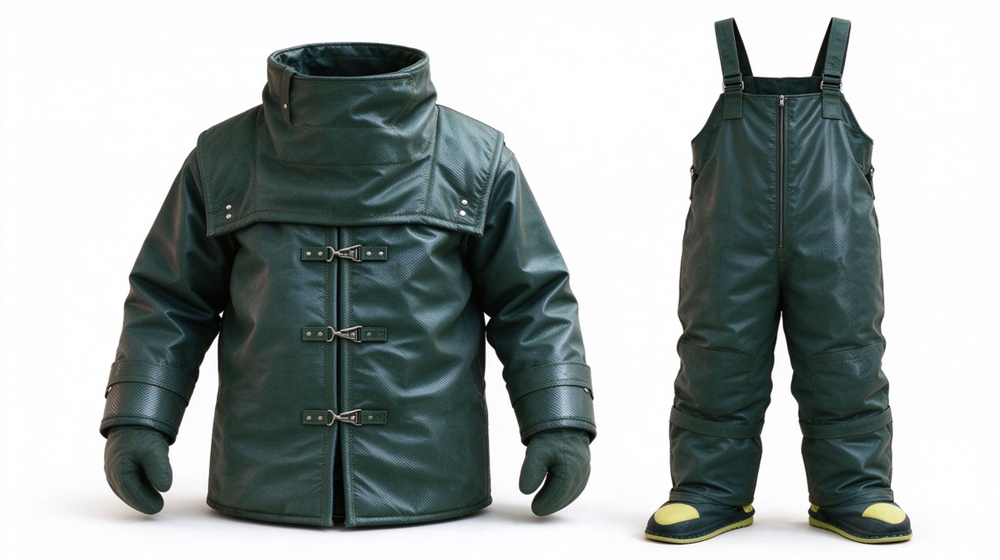
The Mn-gr1008 comes in two configurations, and the choice changes how the suit works with breathing apparatus. The split style uses a jacket and bib trousers; the one-piece style carries an integrated backpack designed to sit with the breathing apparatus cylinder. Both end at the same protection level — the difference is fit logic and how the crew moves.
|
Configuration |
Structure |
Breathing Apparatus |
Best For |
|
Split (jacket + bib trousers) |
Two parts, closed by overlapping closures |
Standard SCBA worn over or under the jacket |
Teams that prefer flexible sizing and easy donning |
|
One-piece (with backpack) |
Single garment with integrated backpack |
Backpack sits with the cylinder, reducing snag points |
Missions where the crew moves fast through obstacles |

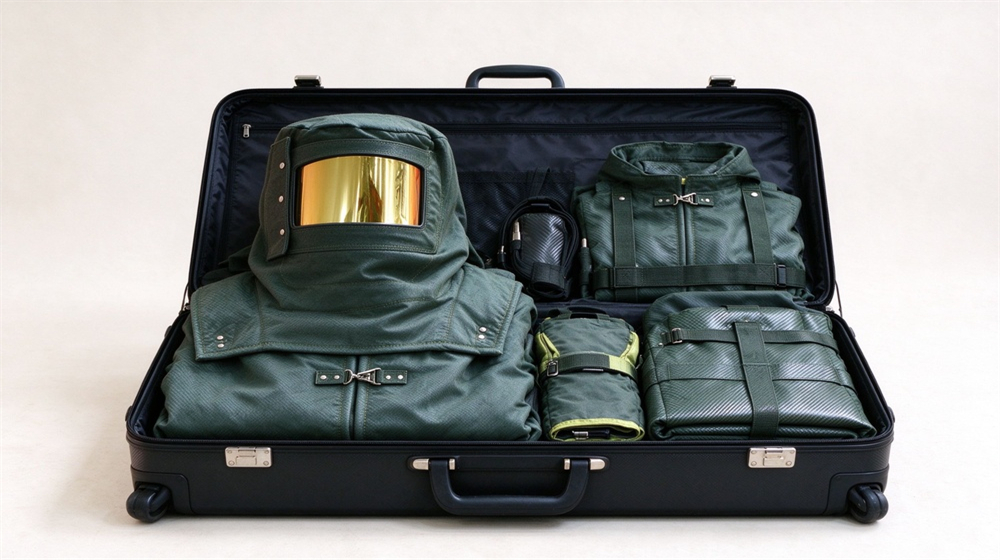
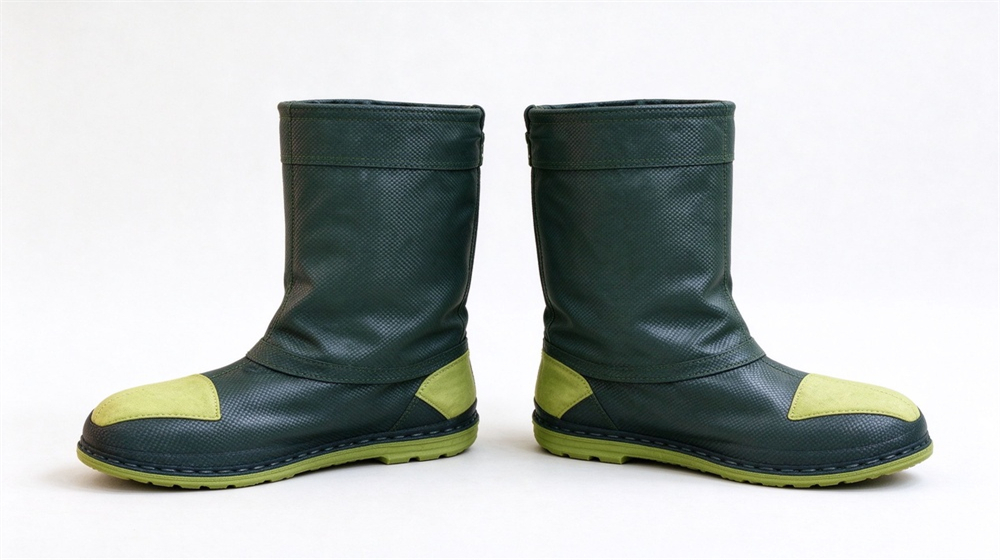
The complete suit ships as a system: jacket, bib trousers, hood, fire-resistant gloves, fire boots and a trolley case for storage and transport. Ordering the full kit from one supplier means every component is matched to the same standard — the gloves, the boots and the hood are not afterthoughts, they are part of the protection envelope.
Component matching matters most in an entry suit, because every gap is a heat bridge. The gloves and boots are built to the same thermal class as the suit, the hood completes the head envelope, and the wrist, ankle and neck closures overlap so there is no unprotected seam.
Donning speed is a design factor, not a convenience. The split style lets a team member dress while seated in the apparatus bay, which suits stations that keep suits on the engine; the one-piece style reduces the number of closures and is faster when the crew dresses standing at the scene. Both styles use the same closure logic — overlap and secure, never exposed gaps — and both are sized so the wearer can move the arms, climb and carry without the suit binding. When you compare the two, time a dress drill in each; the right choice shows up in the seconds.
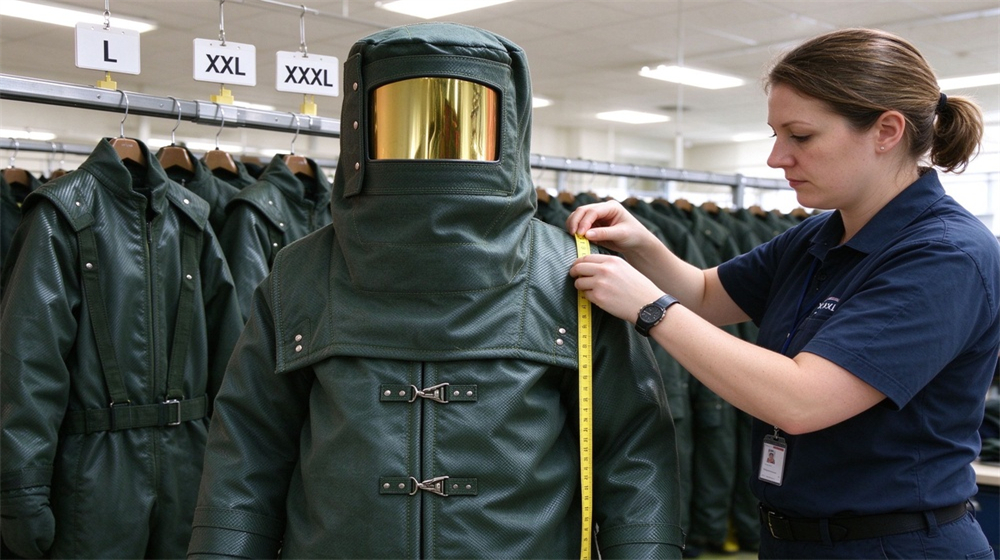
The split style is easy to size and don; the overlap closures seal the suit completely.
The one-piece style moves with the wearer and carries the cylinder without snag points.
Gloves are part of the protection envelope, not an add-on to the order.
Boots close the protection envelope at the feet, completing the coverage.
Because the suit is always used with breathing apparatus, the backpack and the hood are designed around that reality — the cylinder sits in the backpack, the hood fits over the mask, and the visor keeps vision clear above it.
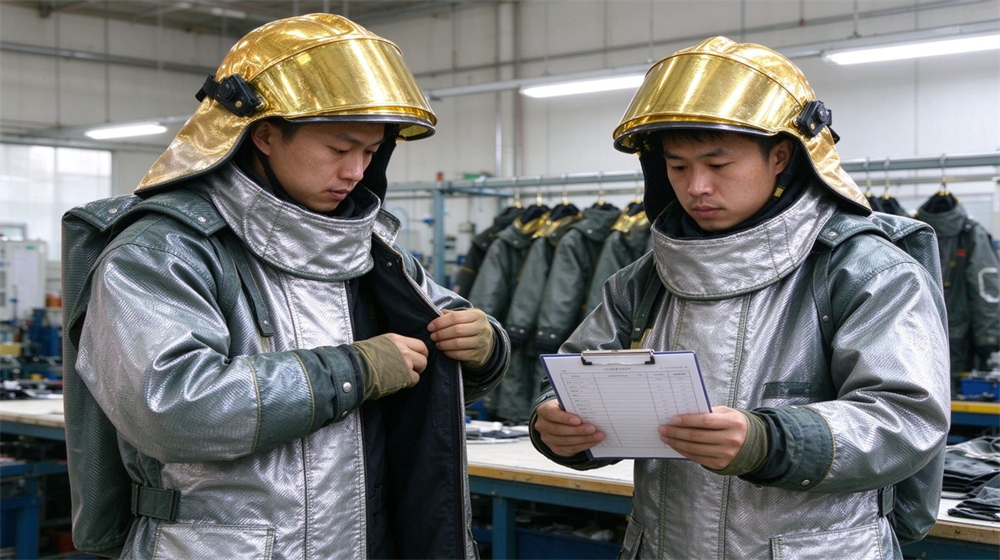
Choosing sizes across the range follows the same logic as choosing the configuration. Measure the crew wearing the under-layer they will use, compare against the size chart, and order the distribution that fits the real team — not a repeat of the previous order. The proportions stay consistent from L to XXXL, so a department that recruits mid-cycle can add a suit in the new size without changing the protection standard the rest of the team wears.
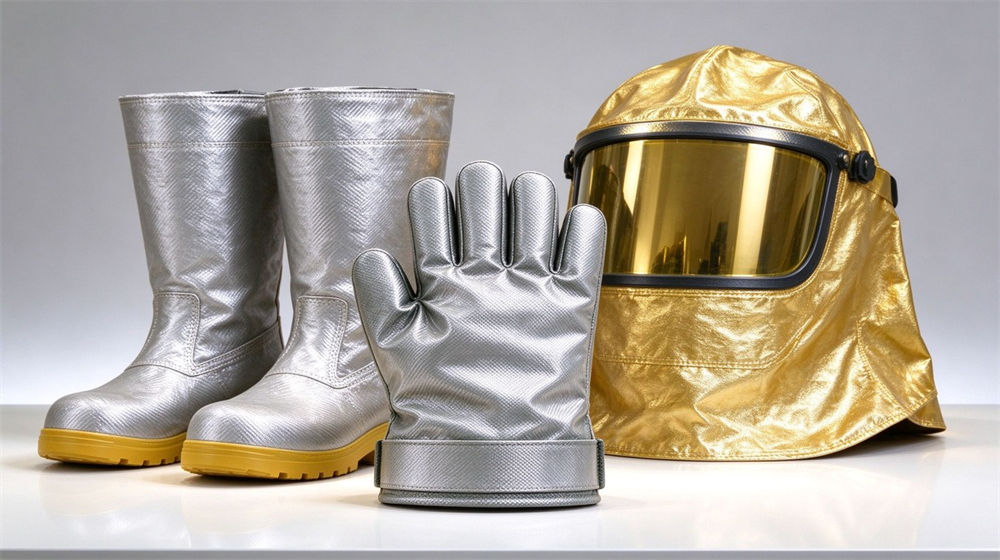
Two industries carry the weight of the entry-suit mission: fire rescue and industrial hot work. Both share the same physics — a task that sits inside or at the mouth of flame — and both use the suit the same way: short time, protected passage, breathing apparatus on.
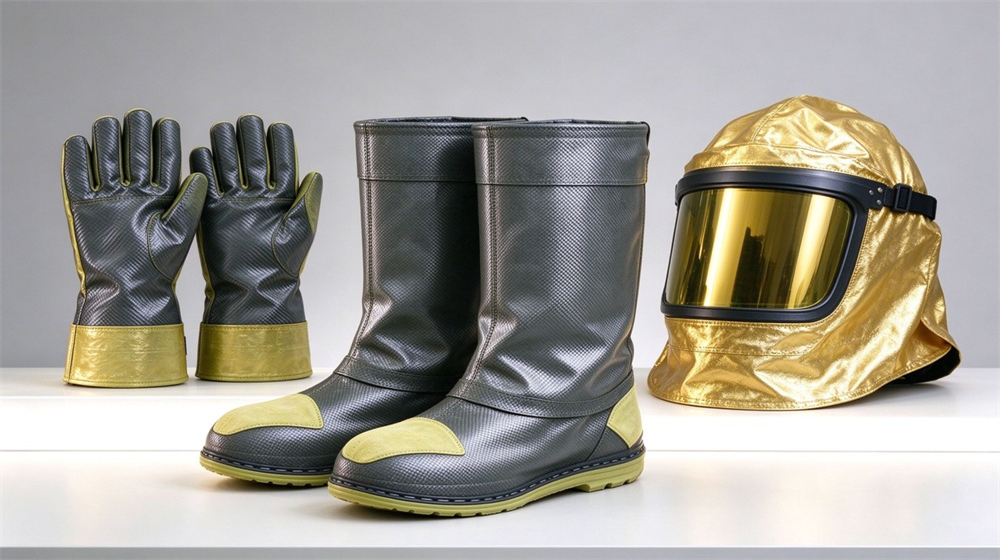
For fire departments, the entry suit is the rescue asset: when a member or a victim is on the far side of the fire, the gap is crossed in seconds, not minutes. The suit is stored ready with the breathing apparatus, inspected on a routine, and deployed the moment the incident commander calls the rescue.
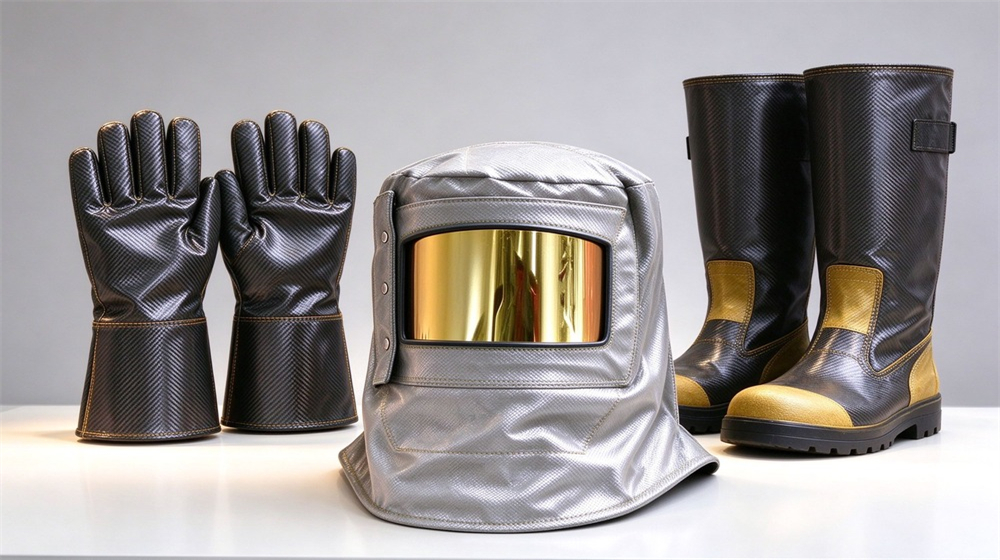
Kiln repair teams face a different version of the same problem: the furnace is down, but the repair point is at the mouth of residual heat that keeps radiating. The entry suit lets the team reach the repair point, do the work in protected passes, and back out — the same mission logic as fire rescue, applied to refractory maintenance.
Beyond kilns, the same class of suit supports furnace hot repair, boiler work and other heavy thermal tasks where the job site sits inside the heat envelope. The mission profile stays identical to fire rescue — reach the point, do the work in protected passes, get out — which is why the suit specification does not change between fire departments and industrial teams. What changes is the inspection and maintenance routine, which follows the plant’s own work-permit system.
In both industries the purchasing logic is the same: buy the suit as a system, keep it as a system, and deploy it only for the tasks that genuinely cross the flame.
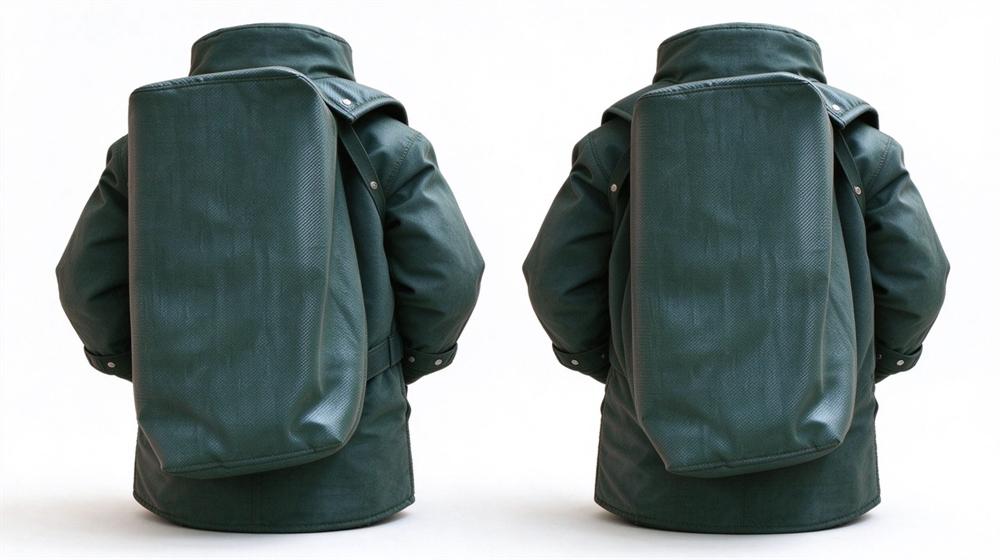
There is a practical edge to buying from a China-based supplier for both markets: the same production line serves fire departments and industrial teams, so the specification does not drift between orders. The suit you reorder next season is the suit you bought this season — same materials, same standard, same fit logic — which matters for teams that replace suits as they age rather than as a fleet.
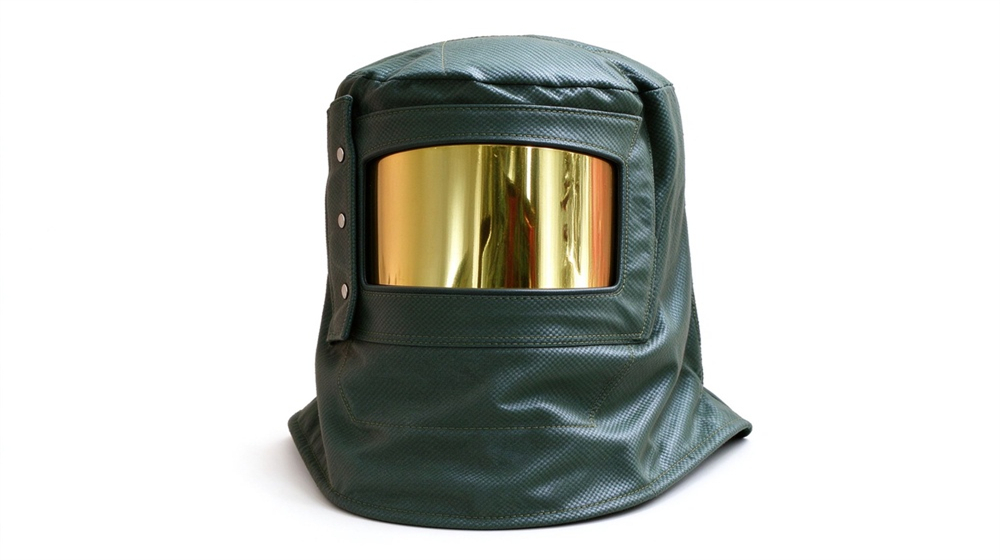
The Mn-gr1008 is produced from L to XXXL with consistent proportions across the range, so the protection does not change when the wearer changes. Crew members of different builds get the same coverage, the same closures and the same fit logic — the whole team protected to the same standard.
Check the gold-plated visor for scratches and clarity after every use, because vision is the first casualty of a damaged visor. Check the seams and closures weekly, and run a full functional check monthly — zippers, straps, the backpack and the hood-to-helmet fit. Record every check; the record is what supports the next deployment decision.
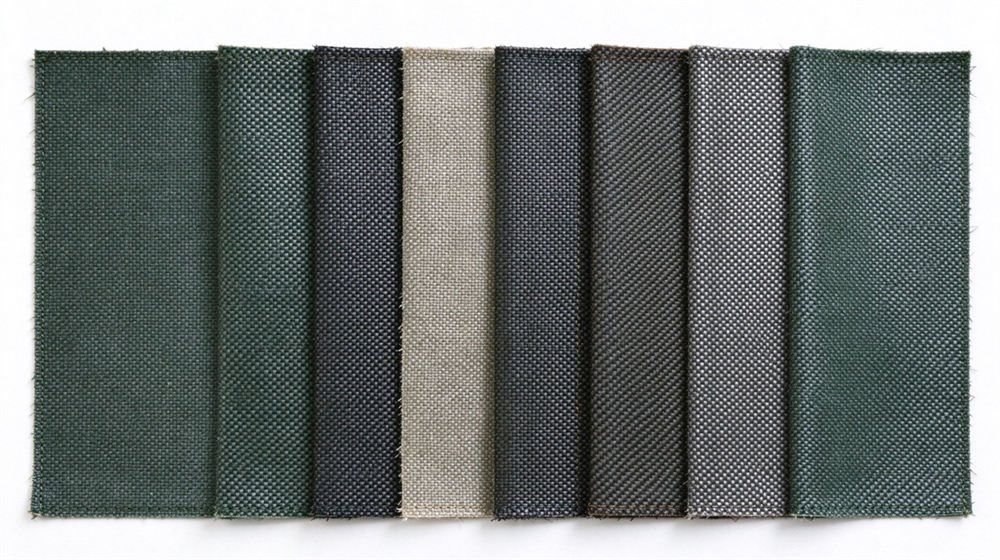
Clean the suit according to the care instructions supplied with the garment, keep the visor covered when stored, and hang the suit unfolded in a dry gear room. The trolley case is built for transport and storage between deployments — the suit should be ready, not wrinkled into a drawer.
Hydration and recovery belong in the same conversation as the suit, because a suit only protects a crew that is still effective when it matters.
Run the inspection as a checklist, not a glance. Before each use: visor clarity, closure function, backpack straps, hood-to-helmet fit. Weekly: seam condition across the shell, stitching at the load points, condition of the gloves and boots. Monthly: a full functional check including the trolley case and the breathing apparatus interface. Every check goes on the record, and the record travels with the suit — that is how a department knows which suit has crossed the flame and how many times.
Service life is a record decision, not a calendar decision. A suit that has made flame crossings has a history, and the replacement trigger is what the inspection finds — visor damage, seam weakening, shell wear — combined with that history. The supplier supports the decision with the batch report and the care documentation; the department owns the record between orders.
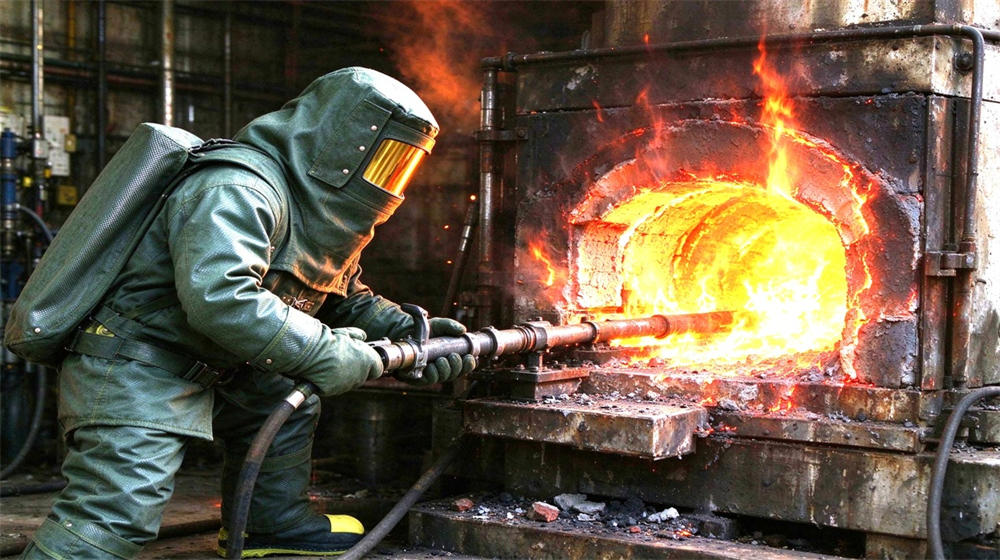
Ordering carbon fiber fire entry suits wholesale from China starts with the configuration. Send your mission profile, your crew sizes and your expected quantity; we confirm the style — split or one-piece — the sizes, the quantity and the delivery terms in the contract before production starts. Minimum order quantities vary by configuration and are confirmed at quotation; production timelines are confirmed per order based on the configuration.
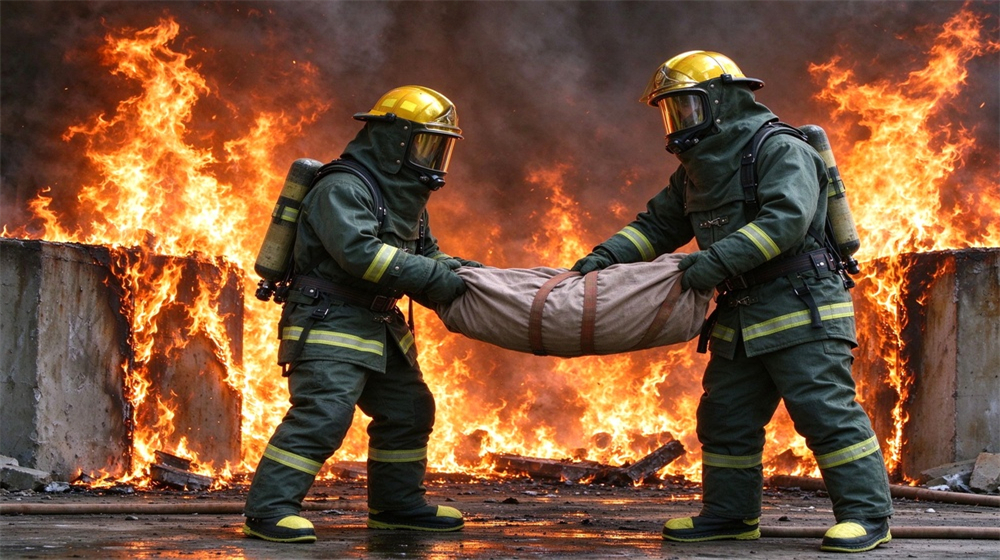
Three points settle the order: configuration, certification evidence and delivery. Confirm the style and sizes, ask for the batch test report against XF 634-2015, and agree packing, lead time and payment terms in writing. Anything not listed — MOQ, timeline, packing — is settled at quotation and recorded in the contract.
For a first order, the sample step is worth doing in full: one suit in each configuration you are considering, reviewed by the crew that will wear it. The review checks fit, donning speed, visor clarity and the breathing apparatus interface — the same criteria the bulk order will be judged against. The sample review feeds the specification, the specification feeds the contract, and the bulk order starts from a decided configuration instead of a guess.
Packing for export follows the same logic: no weak points. Each suit is protected in its carton, the visor is covered, and cartons are staged for inspection before dispatch. Carton contents and packing list are confirmed in the contract, so the receiving team knows what arrived.
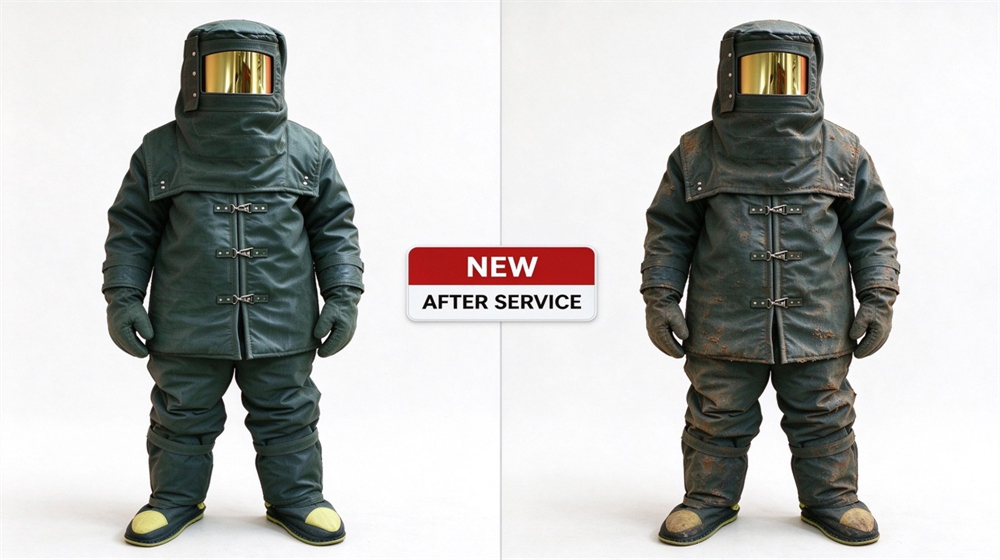
Buying the complete kit — suit, hood, gloves, boots and case — from one supplier keeps every component at the same standard. Mixing suppliers means mixing protection levels; the full-system order closes that gap.
Buying from China balances lead time against price: the schedule is part of the decision. Production starts after the order is confirmed, the batch test report ships with its batch, and export packing is written into the contract. Repeat orders keep the specification on file, so the next batch matches the previous one.
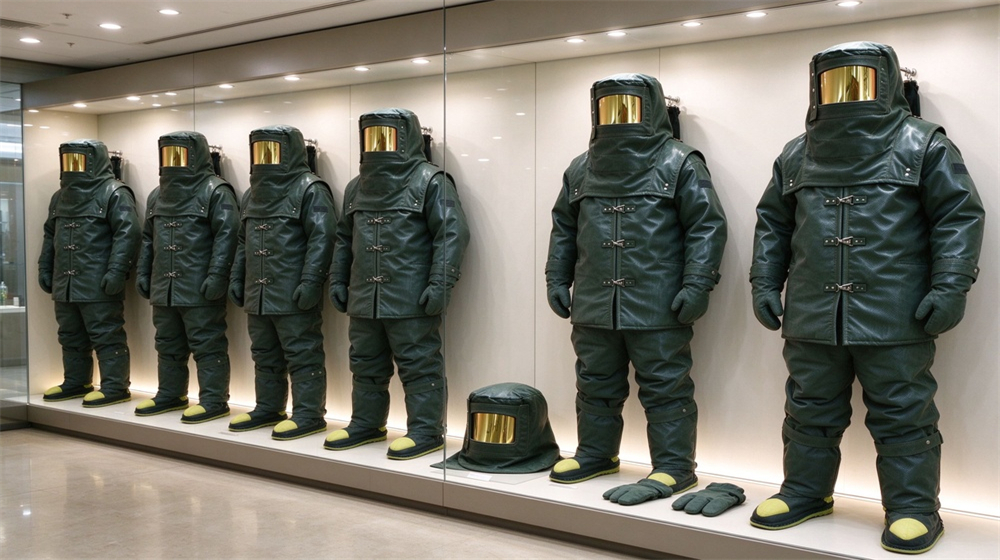
The full configuration is visible before you order — suit, hood, gloves and boots together.
Training builds the routine the suit depends on before the real call comes.
Ask us about bulk orders, samples and the test report — every detail goes into the contract, so the suit your crew wears matches the suit you ordered.
Q1. What is a fire entry suit used for?
A fire entry suit is used for short-time passage through flame — rescuing a downed member, reaching a victim on the far side of a burning compartment, or crossing the fire front for a specific mission. It is mission gear, worn for the shortest time the task allows.
Q2. What is the difference between a fire entry suit and a proximity suit?
A proximity suit protects crews working in the radiant heat zone beside the fire; a fire entry suit is rated for crossing through the flame itself. The entry suit carries a heavier refractory build and is always paired with breathing apparatus, because the exposure is deliberate, short and inside the fire.
The practical difference shows in the mission plan. A proximity suit is worn for the whole incident — attack, overhaul, mop-up — because the crew works near the fire throughout. An entry suit is deployed for one movement: the crossing. If the plan does not name a flame crossing, the entry suit stays on the rack; if it does, the crew dresses for the pass and the attack team covers the exit.
Q3. How long can I stay inside the fire with this suit?
The suit is designed for short-time passage — seconds of deliberate movement through the flame front to complete a rescue or task — not for sustained station inside the fire. Mission time is confirmed with the test report and the incident plan, and the wearer moves efficiently to keep exposure minimal.
In practice the crew times the crossing before the pass: the rescue plan names the path, the exit and the back-up, and the wearer moves on that plan. Training builds the timing so the seconds are used deliberately, and the attack crew at the safe side takes over the moment the pass is complete.
Q4. What temperature can the carbon fiber suit withstand?
The Mn-gr1008 can withstand short-time 1000–1600°C flames thanks to the seven-layer Hotment® refractory build. The rating describes brief flame exposure during fire-zone crossing; the exact performance values are documented in the batch test report supplied with the order.
Q5. What materials make up the seven-layer structure?
The documented build includes Hotment® refractory fiber cloth as the outer shell, an insulation felt layer, a waterproof layer, a comfort layer, plus the additional flame-barrier layers required by the entry-suit class, all stitched with aramid fire-resistant thread. The full layer list ships with the sample, and each layer’s role in slowing heat — reflect, insulate, seal, comfort — is documented in the product sheet so the buyer can compare the build before ordering.
Q6. What does the full fire entry suit kit include?
The complete kit includes the jacket, bib trousers, hood with built-in safety helmet and gold-plated visor, fire-resistant gloves, fire boots and a trolley case. Ordering the full kit from one supplier keeps every component matched to the same standard.
Q7. Do you offer split and one-piece styles?
Yes. The split style uses a jacket and bib trousers; the one-piece style carries an integrated backpack designed to sit with the breathing apparatus cylinder. Both are produced from L to XXXL and end at the same protection level.
Q8. Must I wear a breathing apparatus with this suit?
Yes. The Mn-gr1008 must be used with breathing apparatus — it is part of the entry-suit protection envelope, and the one-piece backpack is designed around the cylinder.
Q9. What standard does this suit meet?
The suit is produced to XF 634-2015, the Chinese standard for firefighter thermal protective clothing. The standard frames the refractory materials, seam construction, visor and overall performance, and the batch test report is supplied with the order so you can review the recorded values before dispatch.
Q10. What sizes are available?
The suit is produced from L to XXXL with consistent proportions across the range, so protection stays the same when the wearer changes. Send your crew size distribution with the enquiry and we will confirm the breakdown with the order; if the crew includes unusual body types, send measurements and we will confirm options together with the order details.
Q11. How should we inspect and store the suit?
Check the gold-plated visor for clarity after every use, check seams and closures weekly, and run a full functional check monthly. Store the suit unfolded in a dry gear room with the visor covered, and use the trolley case for transport. Keep the care record with the suit, and confirm the spare-parts list — visor, straps, closures — with the supplier so replacements are ready when the inspection finds them.
Q12. Can the suit be used for kiln repair and furnace hot work?
Yes. Kiln repair and furnace hot work are a core application: the team reaches the repair point in protected passes through radiant heat and flame, works efficiently, and backs out — the same mission logic as fire rescue.
Q13. Do you supply fire entry suits in bulk to departments?
Yes. We supply carbon fiber fire entry suits wholesale to fire departments and industrial brigades, with consistent sizing and configuration across the order. MOQ varies by configuration and is confirmed at quotation; delivery terms are written into the contract.
YIROUFANG TEXTILE · Carbon Fiber Fire Entry Suit Mn-gr1008 · info@yrftextile.com
High-Temperature Protective Clothing Series: Aluminized Insulation Suit · Imported Material Insulation Suit · EU 1600°C Heavy Duty Suit · Firefighter Proximity Suit · Carbon Fiber Fire Entry Suit · Heat + Chemical Protective Suit
View All High-Temperature Protective Clothing Series
Previous :
Thermal Chemical Suit | Dual Fire and Chemical Barrier ProtectionNext :
Firefighter Proximity Suit | 500°C Near-Fire Heat Protection Deep Blue Firefighting Suit Set, Forest Fire Fighting Specialized, Full-body Protection
This Deep Blue firefighting suit set is specially designed for forest fire fighting, using special flame-retardant fabric that can withstand 700°C open flames in the wild, with a thermal protection value (TPP) of 25CAL/AM2. The vivid Deep Blue color combined with enhanced reflective strips enables identification from 500 meters away in forest smoke. The lightweight design of only 4.5KG does not affect mountain action speed, with a waterproof rating >40KPA, adapting to camping fire fighting and long-term field operations. The anti-plant puncture design increases wear resistance by 50%, making it professional equipment for forest firefighting, mountain rescue, and outdoor fire fighting actions, providing all-around body protection for forest firefighters.
 High-temperature Resistant Firefighting Suit Set, Emergency Rescue, Quick-wear
This high-temperature resistant firefighting suit set is made of professional-grade flame-retardant materials, capable of withstanding extreme temperatures up to 750°C, with a thermal protection value (TPP) of 26CAL/AM2, providing reliable protection for emergency rescue. The innovative quick-wear design allows complete dressing in 40 seconds during emergencies, with hydrostatic pressure resistance >45KPA and excellent breathability. Designed according to ergonomic principles, weighing only 4.8KG, it effectively reduces the burden on rescue personnel and is suitable for high-risk scenarios such as building fires, tunnel rescues, and industrial firefighting, making it an ideal equipment choice for professional firefighting teams.
 Professional Firefighting Suit Set, Flame-retardant Protection, Rescue Essential, 14-3C Certified
This professional firefighting suit set is made of high-grade flame-retardant cotton fabric, 14-3C certified, capable of withstanding extreme temperatures up to 800°C, with a thermal protection TPP value of not less than 28CAL/AM2. The three-layer composite protection structure, with waterproof static pressure resistance >50KPA and breathability >5000G/M²·24H, ensures comprehensive safety for rescue personnel in complex environments such as building fires, forest fires, and special chemical plant fires. Available in three models: 97/02/14, meeting different rescue scenario requirements.
 02 Firefighting Suit Multi-layer Composite Material Rescue Protection
This Type 02 firefighting suit is made of professional flame-retardant materials with excellent heat resistance, fire protection grade meeting international rescue standards, and waterproof puncture resistance rate of 98%. The deep blue body is equipped with eye-catching yellow reflective strips, increasing night visibility by 85%. The complete six-piece configuration provides comprehensive protection for firefighting, forest firefighting, earthquake rescue, and other scenarios, providing reliable protection for 300+ professional rescue teams.
 Forest Fire Rescue Service with Heat-Resistant Design
This professional forest fire rescue service uses flame-retardant heat-resistant material, achieving GB8624-A2 fire rating standard with heat resistance up to 800°C, and features high-visibility reflective strips visible from 300 meters away. It's suitable for emergency rescue scenarios such as forest fires, mountain rescues, and industrial disasters, providing comprehensive personal safety protection. Each set has undergone 10,000 abrasion tests and proven its reliability and safety in over 1,500 rescue operations nationwide.
 Fire Rescue Cap, Aramid Flame-Resistant Material, Forest Fire Emergency
This professional-grade forest firefighting vest and hat set is made of polyester/cotton blended flame-retardant fabric, with reflective visibility up to 300 meters, capable of resisting short-term flame contact, improving protection efficiency by 85%. The bright orange design with double-layer reflective strips complies with international rescue standards, ensuring 360° visibility in smoke and low light environments. Suitable for forest fire fighting, wilderness emergency rescue, post-earthquake sites, and other emergency disaster relief scenarios, providing comprehensive protection for rescue personnel.
Copyright © Custom Disaster - Relief Bedding: Tents, Sleeping Bags, Blankets All Rights Reserved
the professional team to service !


