


Our 72 Hour Emergency Kit Collection covers family, office, school, vehicle and humanitarian relief scenarios in Basic, Standard and Premium tiers. Preloaded with water, food, first aid, light and communication supplies. Support bulk orders, custom contents, logo and packaging for global institutional buyers.
Note: Price for reference only. Exact price based on quantity, size, weight and custom details.
model no. :
EK-01Brand:
YRFmarket price :
$39.8sale price :
$19.9price range :
30-500/$19.9Color :
Multiple Colorsport of dispatch :
Guangdong/GuangzhouPayment :
TT, Paypal, Western Unionmin order :
30original region :
Made in ChinaLead Time :
5-15days
Quick Answer: This 72 Hour Emergency Kit Collection groups ready-to-use preparedness kits for home, office, school, vehicle and relief use, across Basic, Standard and Premium tiers. Each kit covers the first 72 hours with water, first aid, warmth, light and communication supplies. Match the tier to your household size, from 2 to 3 people up to 6 or more, and check contents every 6 months.

 |

|
A 72-hour emergency kit collection groups family, office, school, car and disaster-relief backpacks in economy, standard and premium tiers, matched to who will use the kit and the scenario.
You are looking for a 72 hour emergency kit collection that fits the people who will use it, scene by scene. This range brings together family, office, school, car and relief-ready survival kits in consistent quality and three configurable tiers, so buyers can match the right bulk emergency supplies to households, workplaces, classrooms, vehicles and humanitarian distribution.
14. FAQ
Every kit in the collection is built around the 72-hour self-sufficiency window recommended by Ready.gov and FEMA. What changes is the module mix, the headcount served, the carrying format, and the regulatory expectations each kit meets.
Read on and pick the scene you are buying for.
Why buyers choose this collection?
✓ Five scenes covered: home, office, school, vehicle, relief
✓ Three tiers per scene: basic, standard, premium
✓ Contents aligned to OSHA, ANSI, and SPHERE expectations
✓ Full customization: contents, bag color, logo, packaging

Choosing among the different types of emergency kits starts with who you protect and where. This collection is an emergency kit for different scenarios, with a dedicated configuration for each setting rather than one bag reused everywhere.
A home kit serves grandparents, infants, and pets under one roof. An office kit serves shift-based adults who rarely know each other personally. A school kit serves hundreds of minors who panic under stress.
A vehicle kit serves one or two people in a confined, moving space. A relief kit serves thousands of strangers in a disaster zone.
When you put the same generic bag into all five scenes, you under-serve most of them.
The home bag lacks infant formula; the office bag lacks evacuation routing; the school bag lacks child-safe items; the vehicle bag lacks road-side tools; the relief bag lacks standardized bulk packing.
That is why we built five dedicated kits rather than one universal bag.
Workplace kits are measured against OSHA expectations under 29 CFR 1910. School kits are measured against state education codes and local district emergency plans. Relief kits are measured against the SPHERE Standards used by humanitarian agencies.
Vehicle kits are measured against state highway and insurance guidance.
Designing each kit against its own benchmark means your procurement file can point to a named standard during an audit.
That is the difference between a purchase order that disappears into a closet and a kit that holds up during a real inspection.
Because all five kits share the same base modules, procurement teams can standardize their purchasing. You deal with one supplier, one inspection cycle, one maintenance calendar, but five tailored product lines.
That consolidation is why facility managers, NGO buyers, and school district teams come back to this collection.
The 72 hour emergency kit categories below cover the five most common scenes. Each group lists the main emergency kit types, the headcount they serve, and the modules that set them apart.
Browse this emergency kit collection to match your scene before comparing tiers.
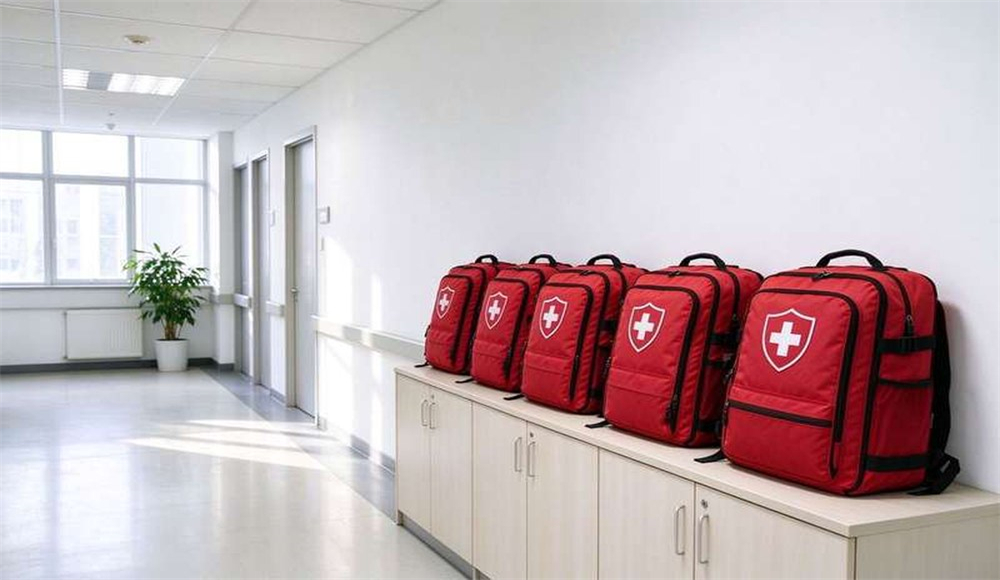
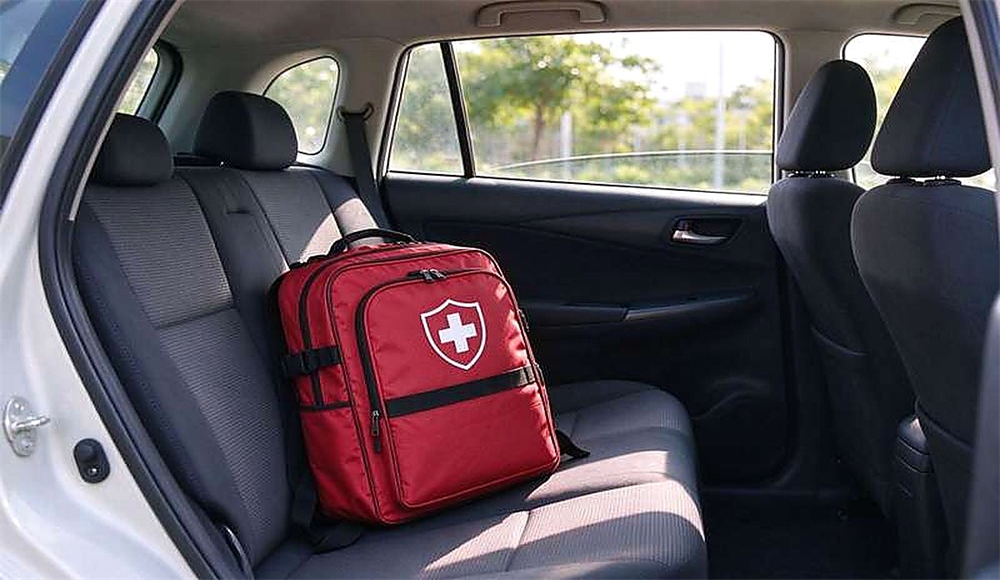
The home 72 hour emergency kit is built for the household. It covers 2-person, 4-person, and 6-plus-person configurations. Contents include a family-sized first aid module, flashlights, hand-crank radio, emergency blankets, whistle, and a water pouch and filter.
We add optional modules for infant care, senior mobility, and pet needs.
Placement matters at home. Store the kit near the main exit, not in the back of a closet, and every household member should know where it lives.
For homes with elderly members, a smaller grab-and-go version can sit on the bedside table.
The office kit is built for commercial floors. Three tiers cover 1-10 people, 10-50 people, and 50-plus people.
The module mix is designed around OSHA expectations: first aid aligned to ANSI Z308.1, evacuation whistles, hand-crank radio, glow sticks, and a printed floor evacuation card.
Office kits sit near each exit stairwell. Shared supplies scale with headcount rather than personal kits, because an office cannot issue a full kit to every employee.
The goal is to keep everyone safe until they reach the assembly point.
The school kit is built around minors. Three tiers cover a single classroom, a whole floor, or an entire campus. Contents are child-safe: rounded-edge scissors, smaller bandages, and comfort items for distraught students.
A teacher-friendly instruction card is included in English.
Schools face a special challenge: hundreds of students, multiple age groups, and panicked behavior during drills. Our school kit is sized so a teacher can reach it in under ten seconds and start triage before administrators arrive on scene.
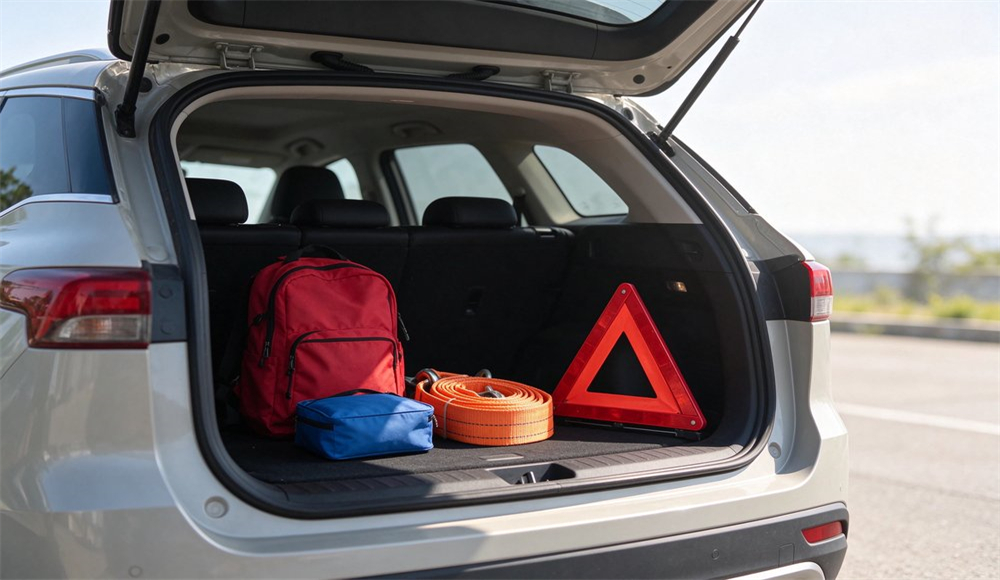
The vehicle kit is built for the trunk. Three tiers cover daily commuting, long-distance travel, and remote or off-road driving. Core modules include first aid, flashlight, hand-crank radio, emergency blanket, whistle, and a water pouch and filter.
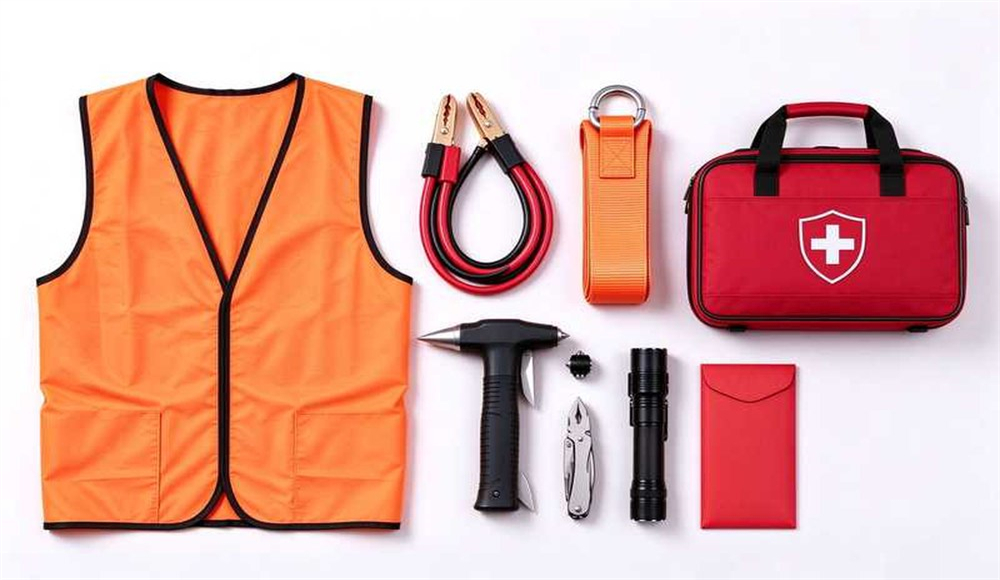
Optional add-ons include a reflective vest, jumper cables, and a compact tire repair kit.
Vehicle kits must stay compact. Trunk space is limited, and the kit cannot interfere with the spare tire or the jack. We design vehicle bags to slide under the cargo cover rather than occupy the whole trunk.
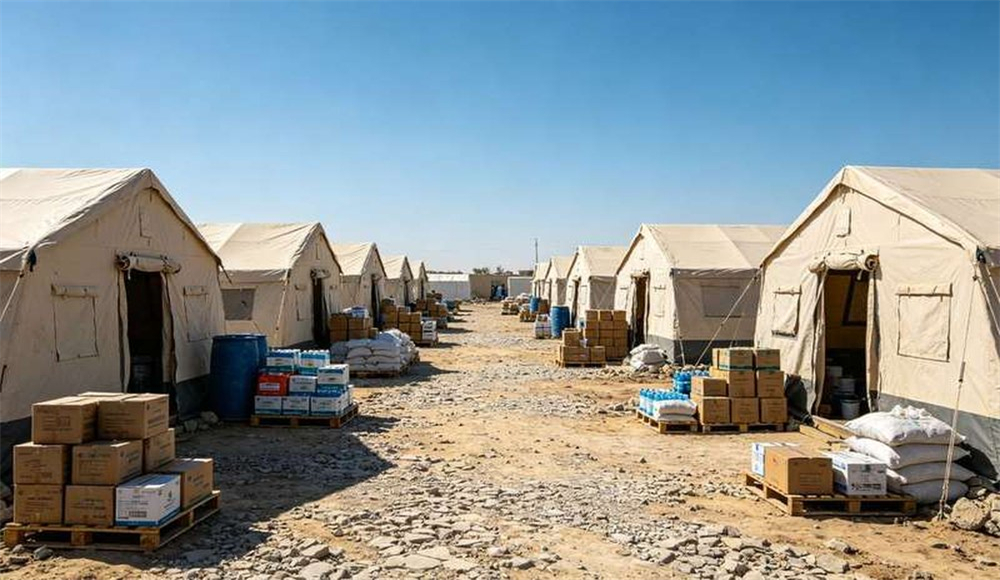
The relief kit is built for mass distribution. Three tiers cover rapid response, standard relief operations, and full-scale disaster response.
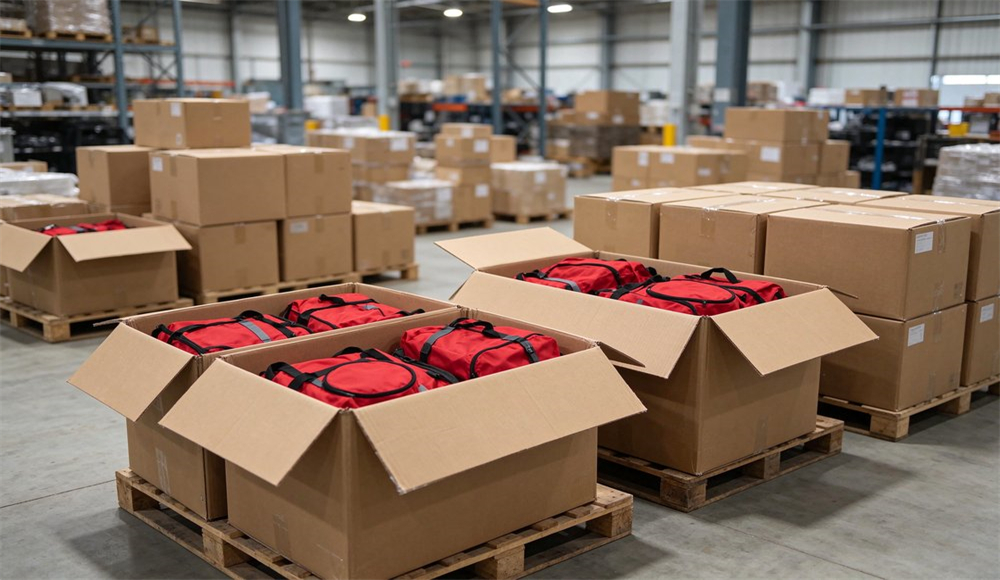
Contents align to SPHERE Standards and public health guidance from the WHO: basic first aid, water purification, thermal shelter, communication, and hygiene items. Bags are standardized for pallet loading and fast distribution across thousands of recipients.
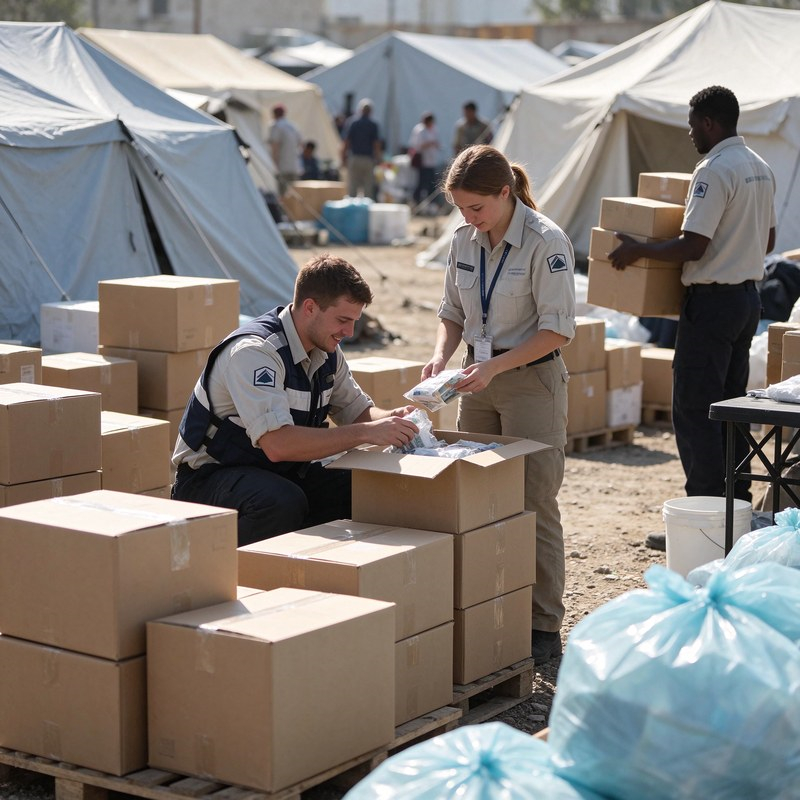
NGO buyers, Red Cross affiliates, and government relief agencies order this tier in bulk. Standardization matters more than personalization here: every recipient should receive the same kit, with the same expiration date, so distribution teams can move fast.
The table below summarizes all five scenes in this emergency kit collection, so you can match the kit to the people it serves, the headcount it covers, and where it will be stored before you compare tiers.
Use this grid to narrow the scene before choosing a tier. If your use case sits between two scenes, describe the people and risks, and we will recommend the closest configuration.
Scene
Serves
Tier range
Typical placement
Family
2 to 6+ household members
Basic / Standard / Premium
Near the main exit
Office
Per floor, by headcount
Basic / Standard / Premium
Near each exit stairwell
School
Classroom, floor, or campus
Basic / Standard / Premium
Inside each classroom
Car
1 to 2 occupants
Basic / Standard
In the trunk
Relief
Mass distribution
Standard / Premium
Dry warehouse until dispatch
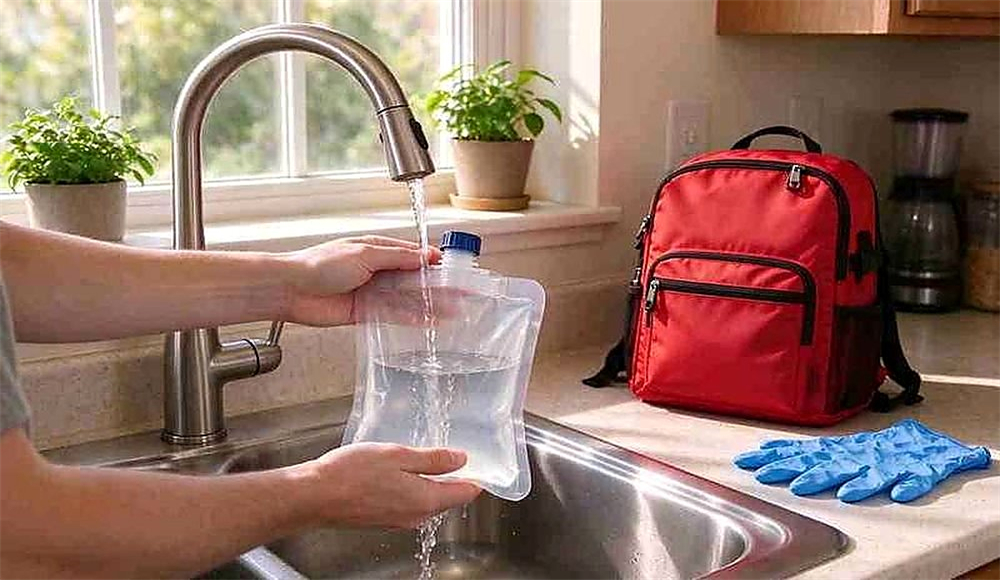
Regardless of scene, every 72 hour emergency kit in this 72 hour emergency kit collection covers the same eight core modules. These modules appear across all 72 hour emergency kit categories, even though individual emergency kit types adjust the quantities.
Here is what each module does and why it is non-negotiable.
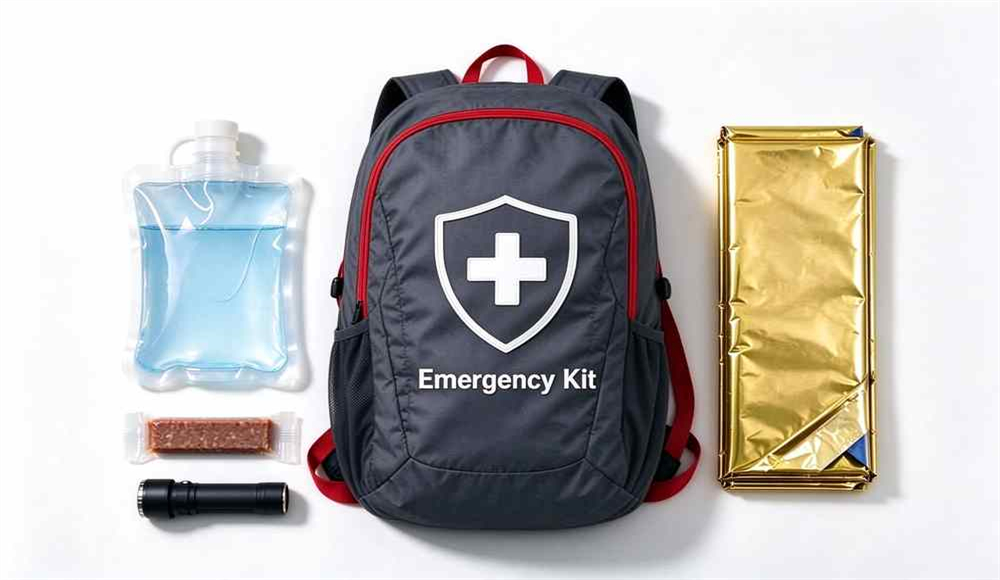
Water: the planning standard is roughly one gallon (about 3.8 liters) per person per day for drinking and sanitation. Over 72 hours, that is about three gallons (roughly 11.4 liters) per person.
We include a collapsible water pouch and filter so recipients can treat water from lakes, taps, or rain barrels rather than carrying heavy bottles.
Food: no refrigeration, no cooking required. Energy bars, dried fruit, nuts, and sealed rations. We size food to roughly 2,000 calories per person per day for three days. All items carry clear expiration dates.
First aid: adhesive bandages, gauze rolls, conforming bandages, antiseptic wipes, gloves, and tweezers. Office and relief kits step up to ANSI Z308.1 Class B; home and vehicle kits use Class A.
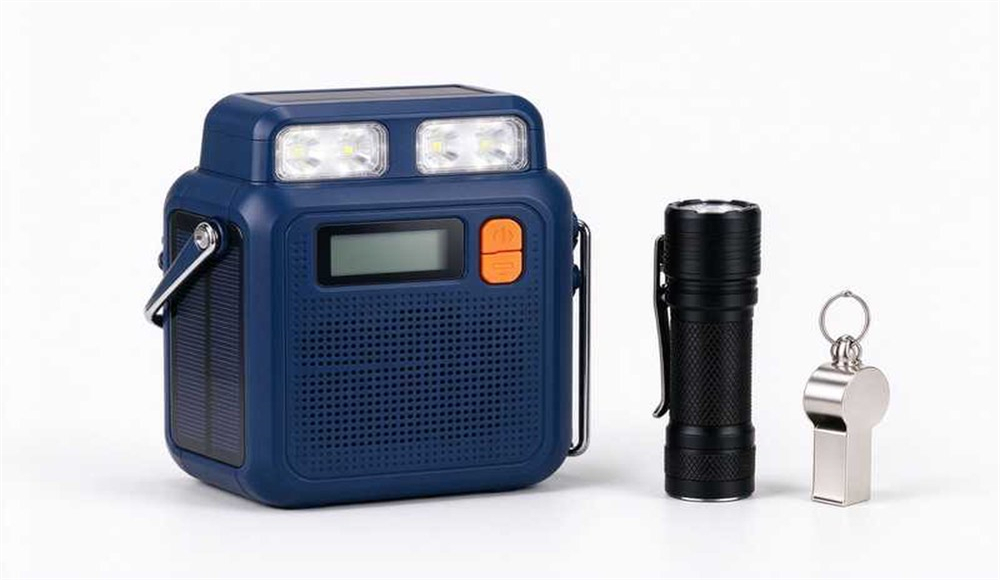
Lighting: flashlight with spare batteries, plus a hand-crank radio that doubles as a charger. Hand-crank means the kit works even when batteries expire in storage. Glow sticks are added to office and school tiers for dark evacuation routes.
Shelter and warmth: Mylar emergency blankets that reflect body heat. Premium tiers add a thermal bivvy for overnight exposure, especially relevant in vehicle and cold-climate scenarios.
Communication: hand-crank NOAA/weather-band radio so recipients can hear emergency broadcasts. Whistle for signaling when voice fails. Relief kits add a printed communication card with agency contacts.
Tools: multi-tool, paracord, duct tape, and a sturdy pocket knife where permitted. Vehicle tiers add jumper cables and a reflective warning triangle.
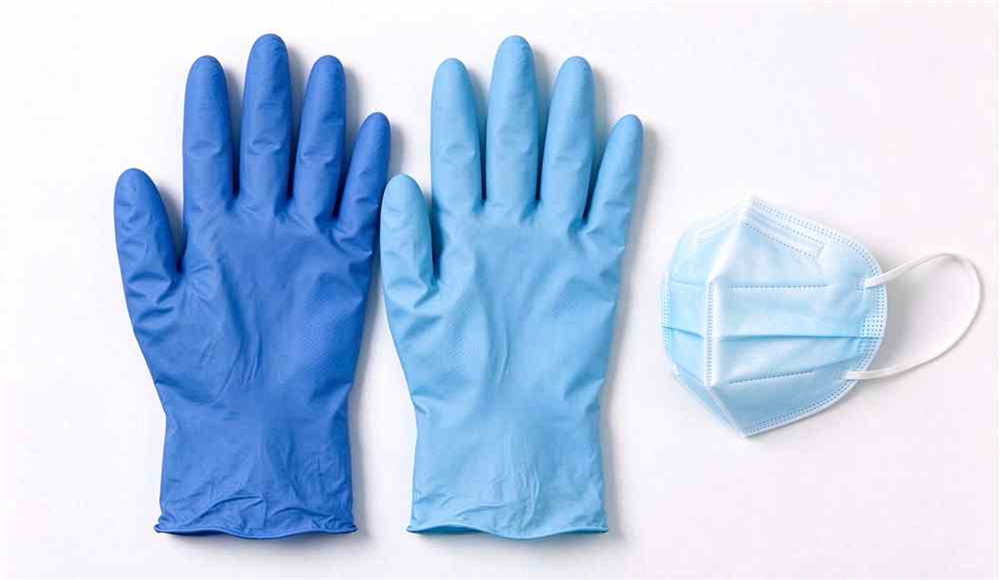
Sanitation and other: sanitary gloves, face masks, wet wipes, trash bags, and a notepad with pencil for recording incidents. These items are often omitted from cheaper kits, but they matter once the power is out and hygiene deteriorates fast.

This emergency kit buying guide follows the same three steps most buyers use: scene, headcount, and tier.
It applies whether you are comparing the different types of emergency kits for one site or building an emergency kit for different scenarios across several locations, using the same emergency kit collection for every order.
The first decision is the scene: household, corporate floor, classroom, vehicle fleet, or relief operation. Match the scene to one of the five kits above. Do not stretch one kit across two scenes.
Next, decide how many people each kit must serve. A home kit for two is very different from a home kit for six. An office kit for 50 people is very different from a classroom kit for 25 students.
Under-sizing a kit means sharing scarce resources in a real event.
Three tiers exist in every scene. Basic covers the floor. Standard covers most buyers. Premium covers higher-risk or regulated environments.
If you are unsure, step up rather than down: a slightly overstocked kit is easier to justify than an understocked one.
Finally, add modules that match your specific risks. Infant formula for a household with a baby. Trauma dressings for a machine shop. Reflective vests for a roadside kit.
Child-safe comfort items for a school. We build these add-ons into the quote rather than forcing you to buy a generic bag.
Three mistakes come up again and again. The first is under-sizing: buying a kit for 10 people when the floor actually has 25 on a busy shift.
The second is storing the kit in the wrong place: locked in a supply closet when it should be by the exit.
The third mistake is forgetting maintenance: buying the kit once and never checking expiration dates. A kit only works if someone inspects it before it is needed.
We help buyers avoid all three: sizing by headcount and shift pattern, recommending placement during the quote, and shipping a six-monthly inspection calendar with every order. A kit is only as good as its maintenance discipline.
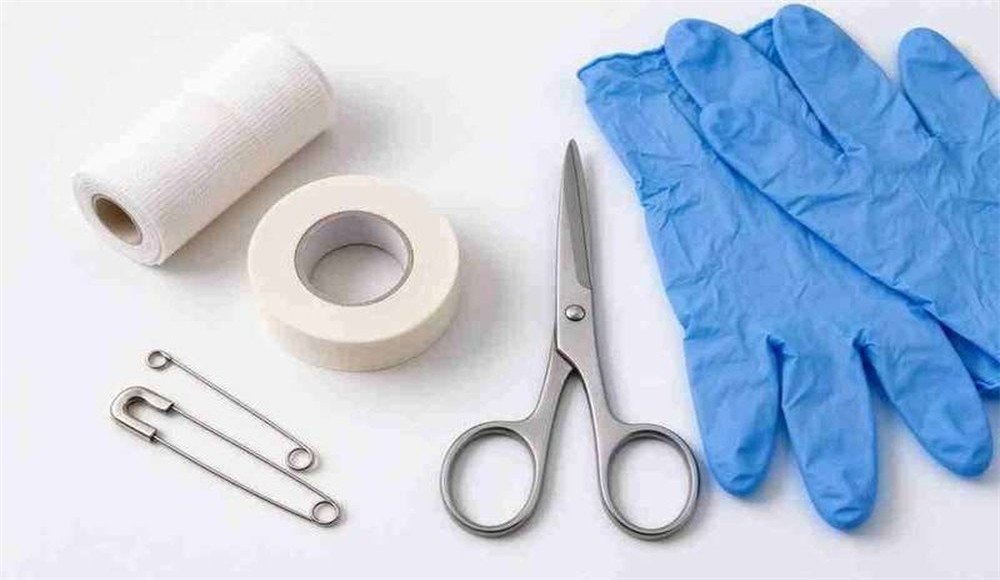
Across the 72 hour emergency kit categories, the same three tiers apply, so you can compare emergency kit types side by side without learning a new module system for each scene.
The basic tier covers the minimum every kit needs: water purification, food, basic first aid, lighting, shelter, and communication. It is the entry point for households on a budget, small offices, and rapid-distribution relief operations.
Basic is not a stripped product; it is the core set without premium add-ons.
The standard tier is the most popular configuration. It adds a larger first aid module, multi-tool, paracord, glow sticks, and extra water storage. Standard fits most mid-size offices, most classrooms, most family households, and most long-distance travelers.
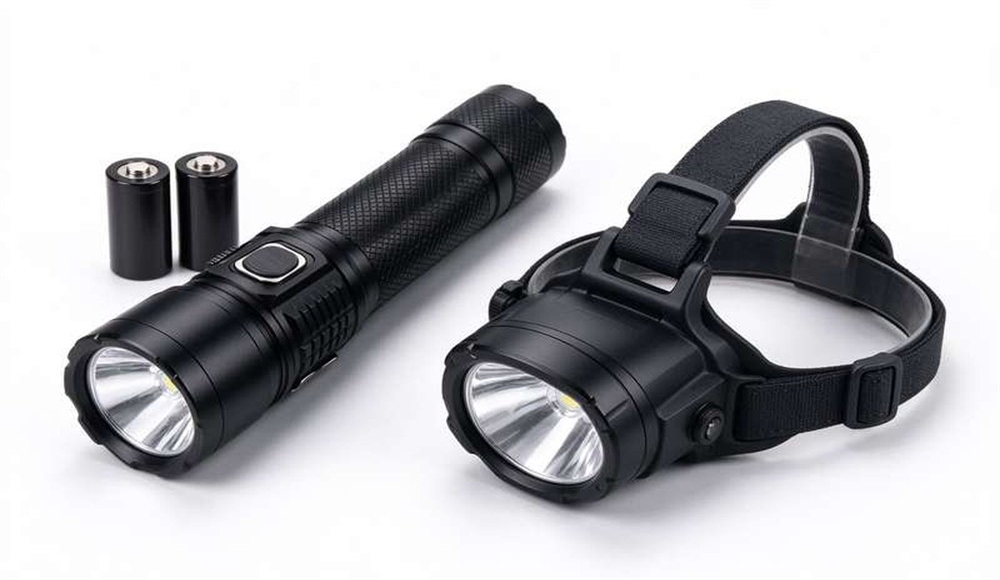
The premium tier adds advanced first aid dressings, a satellite communication option, a GPS marker, thermal bivvy shelter, and a hard transit case. Premium is built for heavy manufacturing floors, remote construction sites, cold-vehicle travelers, and full-scale disaster response.
Use this grid as your internal approval document. Most procurement teams present a similar table to finance when they justify a purchase order. If your site falls between two tiers, the safer choice is the tier above.
Module
Basic
Standard
Premium
First aid
Class A
Class A+
Class B
Lighting
1 flashlight
Flashlight + glow sticks
Flashlight + headlamp + glow sticks
Communication
Hand-crank radio
Radio + whistle
Radio + whistle + satellite option
Water
Water pouch
Pouch + filter
Pouch + bladder + extra filter
Shelter
1 blanket
2 blankets
Thermal bivvy + 2 blankets
Tools
Whistle
Multi-tool + paracord
Multi-tool + paracord + tape
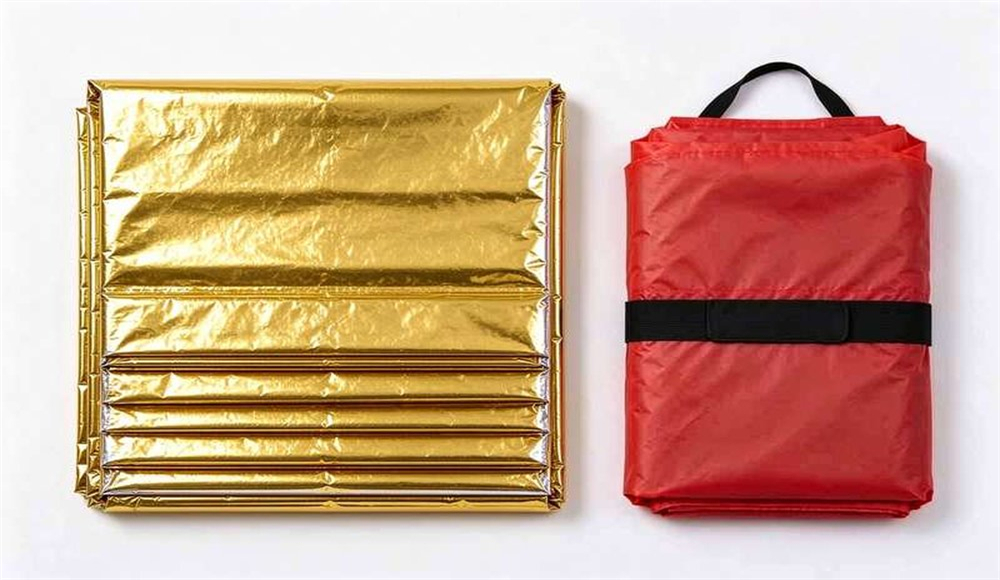
Bulk buyers fall into four groups. Corporations outfit every office floor across a region. School districts outfit every classroom across a county. Government agencies outfit department facilities and emergency depots.
Humanitarian agencies like the Red Cross and UNHCR order kits for pre-positioning and rapid deployment.
Each group has different documentation needs. Corporate buyers want OSHA alignment. School buyers want district emergency plan sign-off. Government buyers want tender-level compliance. Humanitarian buyers want SPHERE alignment.
We prepare the paperwork for each group rather than shipping a generic quote.
Customization covers four dimensions. Contents: add or remove modules to match your risk list. Bag color: match your brand or your site safety color. Logo print: print your organization name on the bag and on the instruction card.
Packaging: palletize, shrink-wrap, or box per your warehouse requirements.
Most bulk buyers start with the standard tier and then adjust contents.
If you need a different module mix than our grid, send us your list and we will build the quote around it rather than asking you to fit your risk list to a fixed module set.
Pricing scales with volume. Small orders at list price. Mid-size orders at a modest discount. Large orders at deeper margins. Larger program volumes ship on a longer timing but at the strongest unit price.
We quote per project because freight, packaging, and customization all move the final number.
Email us the scene, the tier, the headcount per kit, the quantity, and any customization you need. We reply with a written quote promptly.
If you are unsure which tier fits, tell us about your site and we will recommend the configuration.
Once you approve the quote, we confirm the timing. Standard configurations ship on a typical timing suited to purchase orders. Custom configurations add a short development window. We confirm both in writing before your order is prepared.
Orders ship by sea, air, or courier depending on urgency, with tracking for every shipment. When kits arrive, inspect expiration dates on food, water pouches, and dressings, log the date on your maintenance calendar, and run a six-monthly re-inspection thereafter.
The first training step is the simplest: every user should know where the kit lives. In a home, every family member. In an office, every employee.
In a school, every teacher. In a vehicle, the driver and regular passengers. If people cannot find the kit in under ten seconds, training has not really happened.
Second, teach the basic modules. How to open the first aid kit. How to charge the hand-crank radio. How to activate an emergency blanket. How to blow the whistle for help.
A short five-minute walkthrough during onboarding is enough; most users will never need more than these basics in a real event.
Drills turn instructions into muscle memory. Run an evacuation drill at least once a year in every scene. Home drills are quick and informal. Office and school drills follow documented procedures.
Vehicle drills are less formal but should include grabbing the kit from the trunk. Relief drills follow agency standard operating procedures.
Every six months, inspect the kit. Check expiration dates on food, water pouches, and first aid dressings. Verify flashlight batteries and the hand-crank radio. Replace anything expired, and log the inspection.
When a family grows, a headcount changes, or a class roster shifts, update the kit size accordingly.
Buyers across every scene are ordering more kits. Climate events, geopolitical uncertainty, and a public-health-driven shift in household behavior have all moved preparedness from a niche hobby into a mainstream procurement category.
Schools, offices, and relief agencies are all ordering earlier than they did five years ago. Inventory pre-positioning has replaced last-minute panic buying in most mature procurement programs.
Procurement teams are asking for named standards on every invoice. OSHA for workplace kits, ANSI Z308.1 for first aid modules, and SPHERE for relief kits.
Buyers no longer accept vague "emergency supplies" language; they want a citation for an auditor or tender evaluator.
This shift favors suppliers who can document contents rather than describe them in marketing copy.
The retail-style one-size-fits-all kit is losing ground. Bulk buyers want modules tailored to their risk list, their brand, and their language. Customization used to be a premium; today it is the default expectation across organizational and program orders.
Procurement teams treat generic bags as a placeholder, not a final product.
Newer kits favor hand-crank and solar charging over disposable batteries. Weighs less, lasts longer in storage, and avoids battery acid leakage in a hot trunk.
This trend is especially visible in vehicle and relief kits, where weight and shelf life both drive cost. Hand-crank radios now come standard across every tier in our collection for this reason.
Buyers are asking for less single-use plastic, recyclable bag materials, and pallet packaging that can be reused. We are adjusting materials across the line to meet this expectation without compromising the 72-hour survival function of the kit.
NGOs and government buyers in particular now include packaging recyclability in their tender scoring.
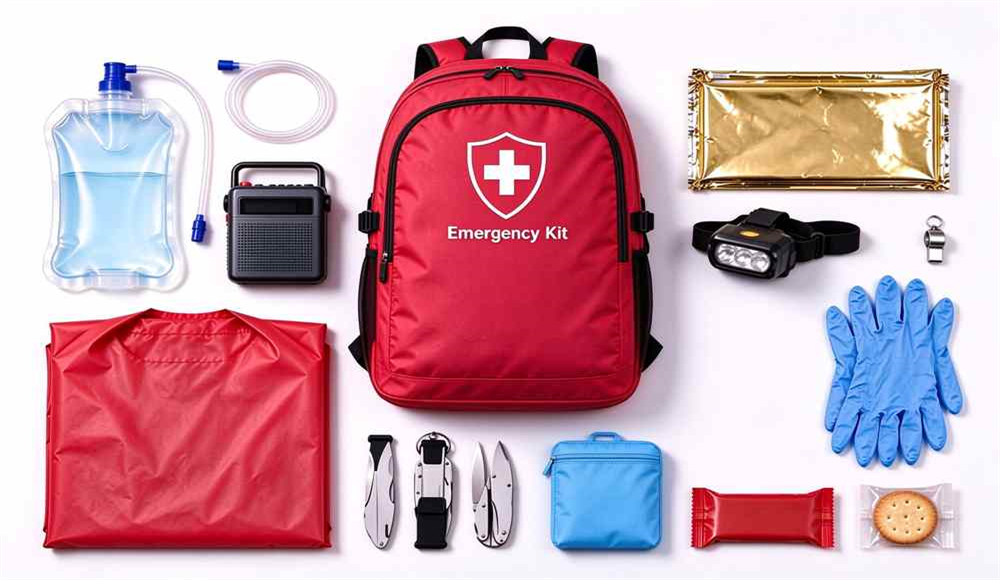
Home kits serve the widest age range of any scene: infants, children, adults, and seniors under one roof. That means the kit must scale across generational needs.
Diapers and baby wipes are add-ons in home kits that no office or school kit would include. Senior add-ons include extra dressing pouches, magnifying cards, and non-slip grip socks.
Pets are another home-only variable. Many households count dogs, cats, or other animals as family members. A home kit can add a small pet first aid module, extra water, and a leash.
This personalization is exactly why a home kit cannot be the same product as an office kit.
Office kits serve people who share a building but not a household. Headcount is large, shift patterns rotate, and many employees do not know each other personally.
This means office kits lean on shared rather than personal supplies. You cannot issue a full kit to every employee; you place shared kits on each floor and train wardens to open them.
Evacuation routing is the office-specific add-on. When the alarm sounds, employees need to know where the stairwell is, where the assembly point is, and who is accounted for.
Our office kits include a printed floor evacuation card and a whistle for wardens. That combination is not needed in a home or vehicle kit.
School kits serve minors, often in the hundreds, under the supervision of teachers who are not medical professionals. Three constraints shape the design. First, contents must be child-safe: rounded-edge scissors, smaller bandages, comfort items.
Second, the kit must be reachable by a teacher in seconds. Third, instructions must be simple enough to follow under stress.
Schools also face panic management. During a real event, students may freeze, cry, or wander off.
Our school kits include a laminated instruction card in plain English, a whistle for the teacher to signal the class, and comfort items like a small stuffed toy or a coloring sheet to calm younger students.
Vehicle kits are built for movement. The bag rides in a trunk that swings hot in summer and cold in winter, and space is limited.
The kit must work on a highway shoulder, in a remote parking lot, or on a back road with no cell signal.
Weight and size therefore matter more than they do in a home or office kit, which is why vehicle bags stay compact and road-specific.
Road-specific modules set vehicle kits apart. A reflective vest, a warning triangle, jumper cables, and a compact tire inflator. A home kit would never include these.
A vehicle kit also stays compact enough not to interfere with the spare tire or the jack.
Relief kits serve thousands of strangers, often within 24 hours of a disaster. Four constraints dominate. Scale: the kit must cover a population, not a household.
Speed: it must be palletized and distributable fast. Standardization: every recipient should get the same contents. Cost: per-unit price must be low enough to fund at scale.
Our relief kits are aligned to the SPHERE Standards used across the humanitarian sector. Contents are standardized, expiration dates are batch-tracked, and packaging is built for pallet loading.
This is a different product category from the home kit, even though both are described as a 72 hour emergency kit.
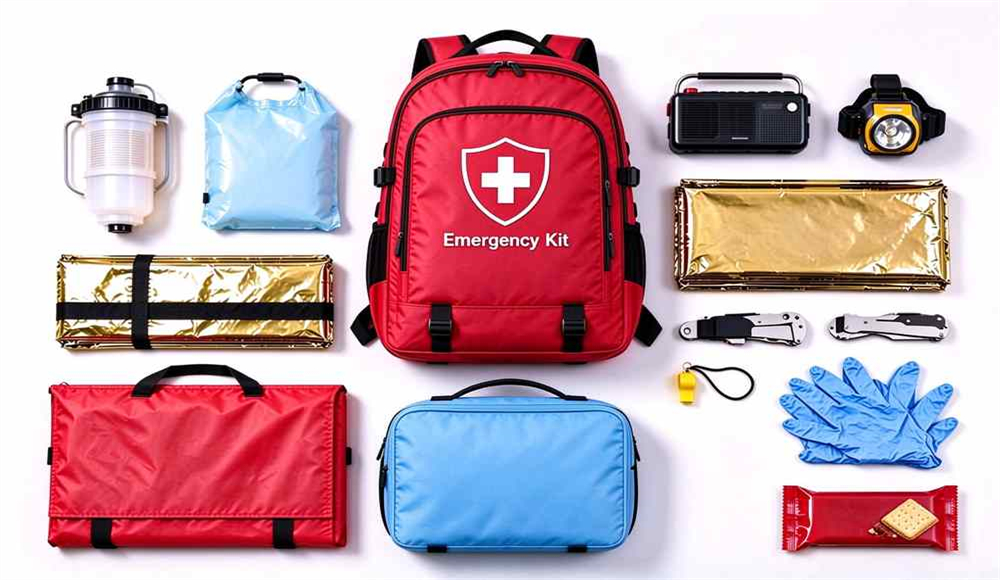
A home kit is sized for 2 to 6 people and personalizes by generation and pet. An office kit is sized by floor and leans on shared supplies plus evacuation routing.
A home kit lives by the front door; an office kit lives by the stairwell.
Buyers sometimes ask if they can use an office kit at home. The answer is no, because the office kit lacks the personalization a household needs.
A school kit serves minors inside a controlled building, under teacher supervision, with child-safe contents. A relief kit serves displaced adults and children in a camp setting, distributed by aid workers, with standardized SPHERE-aligned contents.
The shared element is scale, but the risk profile and the user behavior are completely different.
A vehicle kit is compact, road-specific, and built for a trunk. A home kit is roomier, personal, and built for a household. Many buyers keep both: a home kit at the house and a vehicle kit in the trunk.
The two kits do not overlap; they cover different risk windows.
An office kit serves adults who rotate in shifts. A school kit serves minors who stay in one classroom all day.
The office kit leans on shared first aid and evacuation cards; the school kit leans on child-safe items and teacher-facing instructions.
A school district and a corporate HR team both buy kits, but they are not buying the same product.
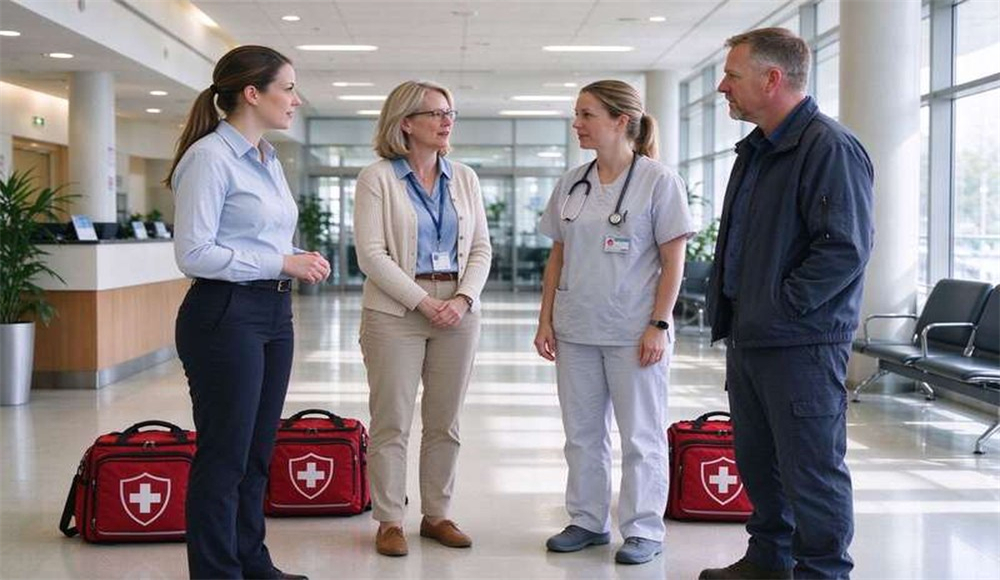
Procurement teams value consolidation. Instead of sourcing five products from five vendors, you source five scene-configured kits from one supplier. One invoice, one maintenance calendar, one inspection cycle.
This consolidation reduces administrative cost and makes emergency preparedness easier to audit.
Every kit in the collection is aligned to a named external standard. Office kits point to OSHA and ANSI. School kits point to state education emergency guidance.
Relief kits point to SPHERE. Vehicle kits point to state highway guidance. Your procurement file can cite these standards rather than describe vague expectations.
We adjust contents, bag color, logo, and packaging to your needs. Most bulk buyers start from the standard tier and then fine-tune. If your risk list includes items we do not stock by default, we build them in.
The end result is a kit that reflects your site, not a fixed module set.
The more units you order, the stronger the unit price. Mid-size orders qualify for a modest discount. Large relief and government orders qualify for deeper margins.
We quote per project because freight, packaging, and customization all affect the final number.
We provide a contents list, a maintenance calendar, and an audit-ready summary with every order. Corporate buyers, school districts, and government agencies use these documents in their EHS file.
NGOs use them in their donor reporting. This paperwork is part of the product, not an afterthought.
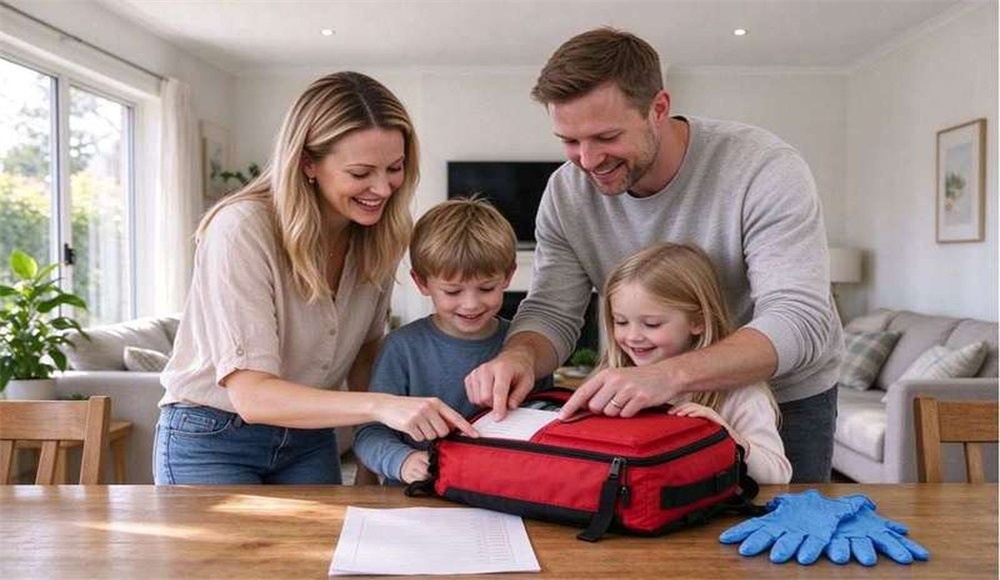
Every kit passes a contents check before dispatch. Food, water pouches, and first aid dressings are verified within date. Flashlights and hand-crank radios are checked for function.
The bag, zip, and printed label are confirmed against the order, and check records travel with the shipment.
Kits pack in cartons sized for easy warehouse handling, labeled with kit type, tier, quantity, and batch number. Palletization is available for bulk orders, and humanitarian orders can meet relief logistics partner specifications.
We ship by sea, air, or courier to any destination. Tracking information is provided for every order. For urgent relief or emergency procurement, rush options are available. Customs documentation is prepared to clear the destination country without delay.
Once your kits arrive, our team stays reachable. If a module is missing, if an item is out of date, or if you need a refill on a specific component, we respond promptly.
Refill follows each item's expiry date and the inspection cycle.
We also help with documentation refreshes. When your site floor plan changes, when your headcount grows, or when a new regulation lands, we update the contents list and the audit summary so your EHS file stays current.
Preparedness is not a one-time purchase; it is a maintained program.
Buyers who treat the 72 hour emergency kit as a maintained program consistently tell us the same thing: the kit stops feeling like a shelf item and starts feeling like a working part of their preparedness plan.
That shift is what makes the difference between a kit that collects dust and a kit that holds up when the alarm sounds.
If you have been buying generic retail bags and wondering why your drills never feel convincing, the answer is usually module mismatch.
A home bag on an office floor, a school bag in a vehicle trunk, or a vehicle bag in a relief warehouse will never fit the user behavior.
Match the scene to the scene-specific kit, and the drill behaves like a real event rather than a rehearsal.
Q: Which kit should I choose for my situation?
A: Match the scene to the product. Home kits serve households. Office kits serve floors. School kits serve classrooms. Vehicle kits serve trunks. Relief kits serve mass distribution.
If you are between two scenes, tell us your use case and we will recommend.
Q: Do you offer customization?
A: Yes. Contents, bag color, logo print, and packaging are all configurable. Most bulk buyers start from the standard tier and adjust contents to their risk list.
Q: Do you offer bulk discounts?
A: Yes. Pricing scales with volume. Mid-size orders qualify for a modest discount, and larger program volumes qualify for the strongest unit price.
We quote per project because freight and customization move the final number.
Q: What is the shelf life of a kit?
A: Food and water items typically last 2 to 5 years. First aid supplies last 3 to 5 years. Electronic components last 5 to 10 years.
We recommend a six-monthly inspection to catch expired items before they matter.
Q: Where should the kit be stored?
A: Home kits near the main exit. Office kits near each exit stairwell. School kits inside each classroom. Vehicle kits in the trunk. Relief kits in a dry, cool warehouse until distribution. Avoid direct sunlight and extreme heat.
Q: How long does an order take?
A: Standard configurations ship on a typical timing. Custom configurations add a short development window. We confirm timing in writing when you approve the quote. Rush options are available for urgent relief or emergency procurement.
Q: Do you ship internationally?
A: Yes. We ship by sea, air, or courier to any destination. Tracking is provided for every order. Humanitarian orders can be routed through relief logistics partners to reduce cross-border friction.
Q: Can you print our logo on the bags?
A: Yes. Logo print is available across every scene and every tier. Most bulk buyers print their organization name and a small safety contact number. Minimum quantities apply for logo print; we confirm in writing when you approve the quote.
Q: Can you adjust contents for our specific risk list?
A: Yes. Most bulk buyers start from the standard tier and then add or remove modules. Tell us your site risks — for example, cold storage, chemical exposure, or earthquake zone — and we will build the module mix around them.
Q: Do you provide documentation for tenders?
A: Yes. We provide a contents list, a standards-aligned summary, a maintenance calendar, and batch expiration tracking. These documents are designed to attach directly to a tender response or an EHS audit file.
Q: How often should we replace the kit contents?
A: Run a six-monthly inspection. Replace food, water pouches, and first aid dressings at their printed expiration dates. Verify flashlight batteries and hand-crank radio function. Log every inspection. Most buyers place a refill order around the 24-month mark.
Q: Can we order samples before a bulk commitment?
A: Yes. Sample orders are available so you can inspect the bag, feel the contents, and test the radio before committing to a full bulk order.
Samples ship faster than production orders and are a low-risk way to validate the product.
Q: What languages are the instruction cards printed in?
A: Default is English. We can print instruction cards in other languages on request for school, relief, or government programs. Tell us your target language when you approve the quote.
Looking for the right 72 hour emergency kit in this 72 hour emergency kit collection? This emergency kit buying guide points you to the scene, headcount, and tier.
Tell us your use case, headcount, and quantity, and we will match a tier and send a written quote promptly.
Buyers who start with one scene often come back for the rest. A corporate HR team that orders office kits eventually orders vehicle kits for its fleet and school kits for its daycare.
A relief agency that orders mass kits eventually orders home kits for its staff housing.
Because the same supplier covers every scene, procurement programs scale without changing vendors.
If you are still deciding between scenes, our team can review your use case and recommend the configuration. Send us a short description of the people you are outfitting, the risks you are planning for, and the headcount per kit.
We will reply with a tier recommendation, a contents list, and a written quote.
Q: What is the difference between the three tiers?
A: Basic covers core survival needs; Standard adds lighting, tools and first-aid; Premium covers more people and special needs. The contents list is provided by tier.
Q: How many days should an emergency kit last?
A: Kits are planned around a 72-hour preparedness window; water, food and supplies are checked and rotated on a regular inspection cycle.
Key Takeaways
Five scenarios: family, office, school, vehicle and relief kits.
Three tiers: Basic, Standard and Premium for different group sizes.
Each kit covers the critical first 72 hours after a disaster.
Choose tier by group size, from 2 to 3 people to 6 or more.
Inspect and restock every 6 months to keep the kit ready.
Authoritative preparedness references:
Ready.gov
Institutional Textiles and Emergency Rescue Supplies Sourcing Partner · Foshan, Guangdong, China
Previous :
72 Hour Emergency Kit: Bulk Preparedness Guide for OrganizationsNext :
Office Emergency Kits for Workplace Safety Compliance Factory Customized Red Cross Disaster relief Med Kit Bag With Multi-purpose compass
GREAT DESIGN - Comfortable design is perfect for all uses and for carrying a wide variety of tools and equipment. You'll find that, whatever you're looking to carry, the YRF Custom Oxford Material Multi Functional Camouflage Tactical Waist Bags is the perfect choice.
 Medical Care Stockpile Metal wire saw Card tool Survival Aid Kit with 16 Pcs Safety Kit
GREAT DESIGN - Comfortable design is perfect for all uses and for carrying a wide variety of tools and equipment. You'll find that, whatever you're looking to carry, the YRF Molle Tactical First Aid Kits Medical Bag Tablets is the perfect choice.
 Outdoor Medical Care Disaster relief First Aid Kit Empty Pouch And Ice Pack Emergency Tool
GREAT DESIGN - Comfortable design is perfect for all uses and for carrying a wide variety of tools and equipment. You'll find that, whatever you're looking to carry, the YRF Mini First Aid Kit Bags And Pouches is the perfect choice.
 High Quality Camping Emergency Face Mask Survival First Aid Kit for Institutional Donation
GREAT DESIGN - Comfortable design is perfect for all uses and for carrying a wide variety of tools and equipment. You'll find that, whatever you're looking to carry, the YRF Outdoor Camping Emergency Kits Tactical First Aid is the perfect choice.
 ICRC Supplies Fluorescent stick first aid medical bags 600d Nylon Emergency Safety Tools Kit
GREAT DESIGN - Comfortable design is perfect for all uses and for carrying a wide variety of tools and equipment. You'll find that, whatever you're looking to carry, the YRF Hunting Survival First Aid Kit Bag Molle Tactical is the perfect choice.
 Hot Selling Governmental Institutions List Descender Firefighting Tools Empty Pull Rod First Aid Kit
GREAT DESIGN - Comfortable design is perfect for all uses and for carrying a wide variety of tools and equipment. You'll find that, whatever you're looking to carry, the YRF Tactical Complete First Aid Kit is the perfect choice.
Copyright © Custom Disaster - Relief Bedding: Tents, Sleeping Bags, Blankets All Rights Reserved
the professional team to service !


