


We supply refugee camp bedding for humanitarian relief, shelters, camps and remote field sites. Our emergency shelter bedding packs blankets, sheets and pillow inserts, built to deploy fast, sleep warm and survive repeated laundering. Vacuum kits are climate matched and reach displaced families fast, ready to hand out on arrival at each new camp site.
Note: Price for reference only. Exact price based on quantity, size, weight and custom details.
model no. :
SQ-02market price :
$79.8sale price :
$39.9price range :
30-100/$39.9Color :
Multiple Colorsport of dispatch :
Guangdong/GuangzhouPayment :
TT, Paypal, Western Unionmin order :
30original region :
Made in ChinaLead Time :
5-15daysSize :
180*200CM Or customize |

 |

|
Table of Contents

Shelter populations move fast, and bedding is often the first comfort a displaced family receives. Good refugee camp bedding wholesale keeps people warm through cold nights without weighing down the relief chain. We manufacture blanket sets, bed linen and sleep kits in polyester, cotton blends and recycled fibers, tuned for quick packing, long storage and field washing.

Because relief orders arrive on tight timelines, production planning matters. We hold base fabric stock and stage packing lines so a bulk relief bedding order can be cut, sewn, folded and container-loaded within a planned schedule. Document-ready packing lists and labels help aid agencies clear customs and distribute without delay.

A displaced family needs more than a blanket. They need a warm, clean place to sleep that holds up to children, shared spaces and limited laundry. Our camp bedding balances warmth, durability and low cost per person, because relief budgets must stretch across thousands of people rather than a single room.
This guide covers fabrics, weights, packing, durability and humanitarian procurement. Use it to plan your next relief bedding tender, and send us your camp population and lead time for a matched proposal.
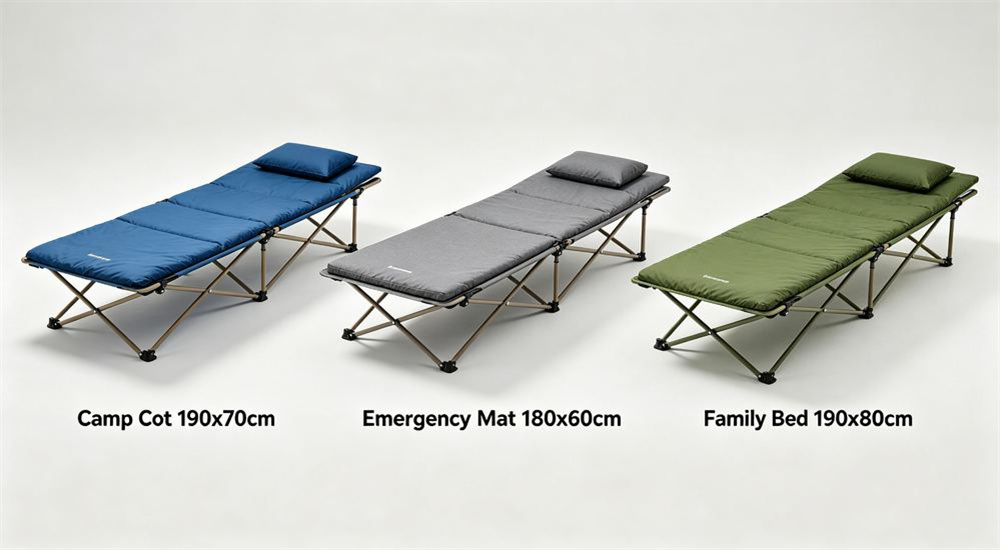
Emergency camp bedding Emergency camp bedding faces conditions a normal hotel b may live in a tent, a community hall or a container that arrived yesterday. It must stay warm when nights are cold, dry fast after washing, and survive being folded into a pack that a family carries themselves. Designing for these realities is the starting point of every product we offer.
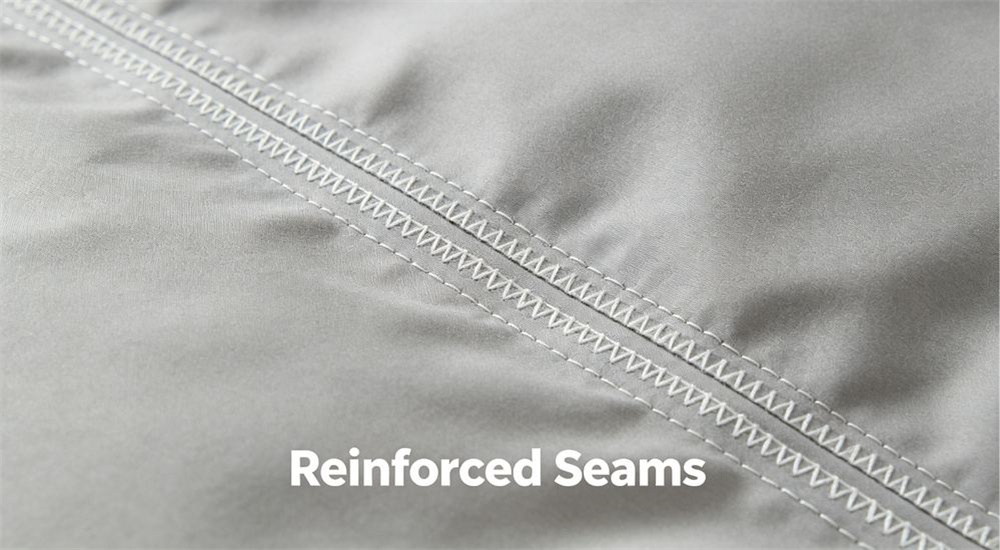
First, it must pack small. A bulky blanket that fills a whole bag leaves no room for other relief items. We vacuum-compress or tightly fold camp bedding so more sleep kits fit in each carton and each container. Second, it must forgive rough handling. Camp linen is tied, dragged, reused and washed in shared facilities, so weak seams thin fast. Reinforced stitching is not optional here.

A basic relief sleep kit usually combines a blanket or duvet, a sheet set and a pillow. You add or remove pieces to match the climate and the agency standard we supply against.

The right camp bedding fabric weighs comfort against cost and ruggedness. Relief programs usually need large quantities quickly, so the fabric must be producible at volume without losing basic warmth. We offer three main families.
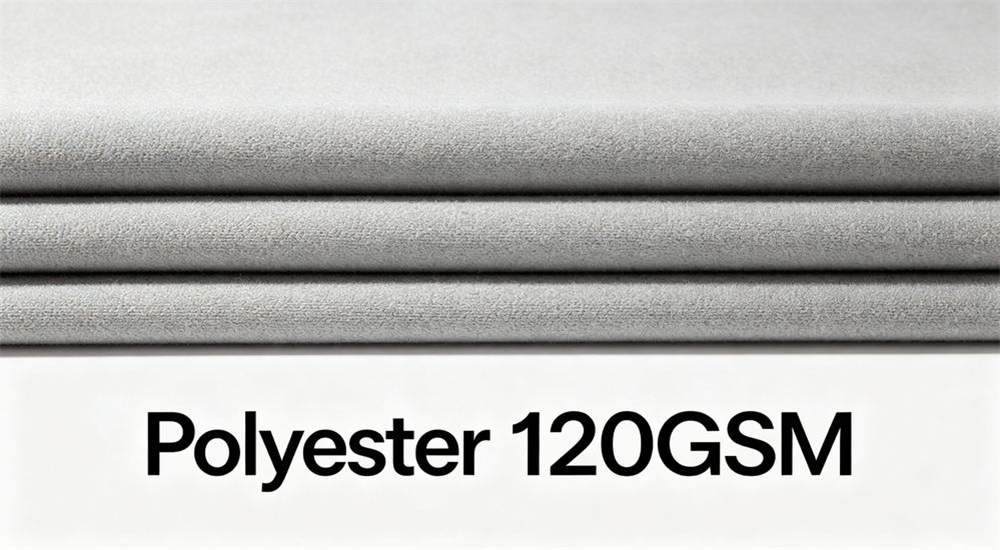
Polyester is the workhorse of relief bedding. It is light, quick-drying, wrinkle-resistant and kind to a tight budget. It dries fast after a wash, which matters when laundry days are limited by water supply. It is the default choice for large, fast-deploying orders.
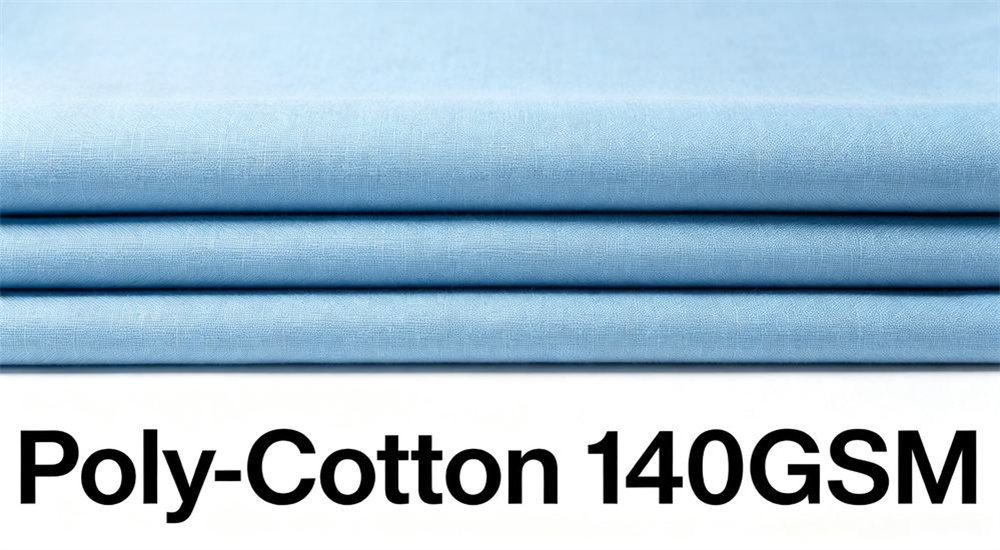
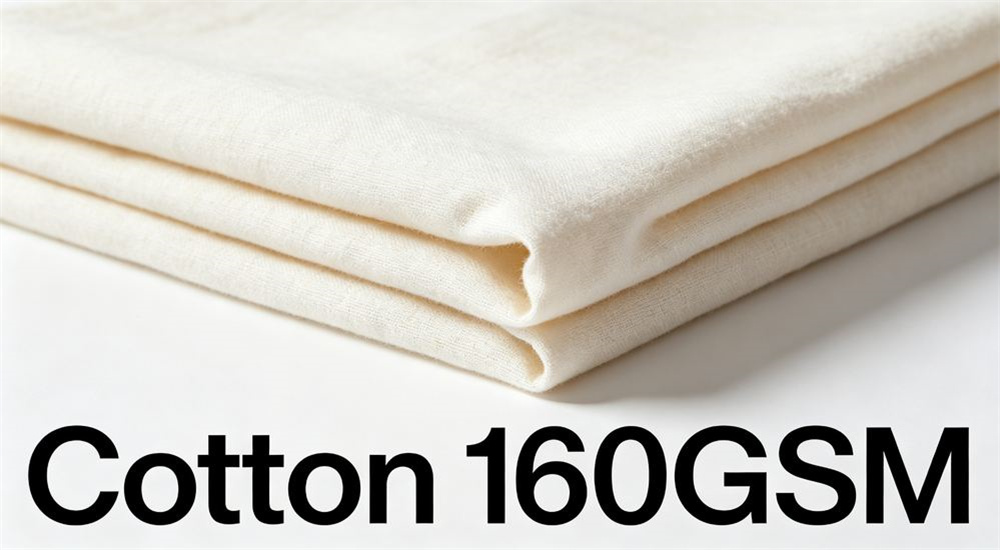
Cotton or cotton-blend sheets feel gentler against skin and breathe better. They suit longer stays where people are resettled for months, not just days. They wash well and age gracefully, though they dry slower than pure polyester.
The table below compares the two main fabric choices for refugees for relief programs. Most agencies blend them: polyester blankets for warmth and packability, cotton-blend sheets for comfort on the bed.
|
Property |
Polyester |
Cotton Blend |
|
Drying speed |
Fast |
Slower |
|
Warmth to weight |
High |
Medium |
|
Skin comfort |
Good |
Excellent |
|
Cost per kit |
Low |
Medium |
|
Best use |
Rapid mass relief |
Longer stay comfort |

Blanket weight sets the warmth level of refugee camp bedding. A lighter blanket suits warm climates and summer distribution; a heavier quilted blanket suits cold nights in highland camps. Choose weight by the expected climate, not by average global temperature, because a night in a mountain camp can be freezing.
A lighter blanket serves warm-weather and indoor shelter use. It packs smallest and costs least per unit, which fits programs serving large populations in hot or tropical zones.

The all-season quilt is the most ordered grade, balancing warmth and packability. It handles cool nights without becoming too bulky to distribute efficiently, which is why it fits the broadest range of relief programs.
|
Grade |
Warmth |
Climate Fit |
Pack Priority |
|
Lightweight |
Basic |
Warm / indoor |
Smallest |
|
All-season |
Medium |
Mixed / general |
Compact |
|
Heavy winter |
High |
Cold / highland |
Bulkier |

Relief bedding is judged by how long it lasts after the trucks leave. A cheap blanket that tears in a month costs the program twice, because it must be replaced. Durability in emergency shelter bedding comes from three design choices: strong stitching, stable fill and a fabric that shrugs off repeated folds.
Quilted stitching holds the fill in place so a blanket does not clump into cold spots after repeated use. Reinforced hems resist tearing where the fabric is grabbed most. We test wash cycles so the bedding keeps its shape through the laundry that a shared camp laundry imposes.

Use this quick guide to match your setting to the right bedding specification. Most facilities combine two or three configurations across departments rather than forcing one spec everywhere.

Humanitarian buyers follow standards and need documents they can file. Relief bedding procurement usually means a defined population count, a delivery window and a set of product specifications. We support this by matching your spec, staging production to your deadline and preparing the packing and shipping papers.

Relief budgets measure cost per person, not per room. The right bulk camp bedding choice maximizes the number of people served within a fixed budget. A slightly heavier blanket that lasts two winters can beat a cheap one that wears out in one, especially in cold highland camps.
Vacuum compression also lowers the landed cost per kit. When more bedding fits in each container, freight per person drops, and relief dollars reach more families. Ordering blankets, sheets and pillows together in one sleep kit also saves distribution labor on the ground.

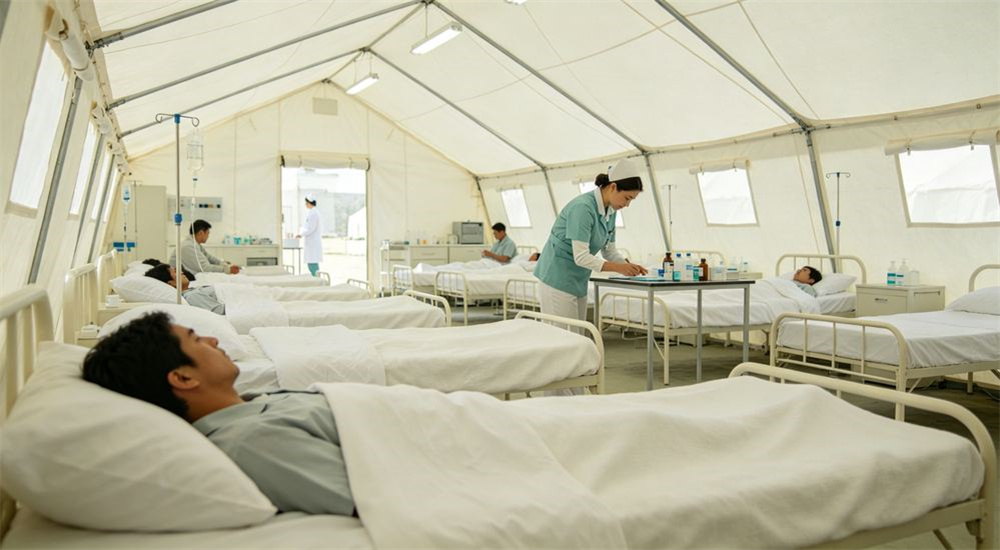
Our bedding fits many relief and temporary housing settings. Each has a different warmth and durability requirement.

Night time is when relief bedding proves itself. A shelter that stays warm after sunset matters more than any product spec, because a family that sleeps poorly the first night judges the whole response as a failure. Durable camp linen holds warmth through cold highland nights and dries fast if it gets damp, which is why we match blanket weight to the expected night-time low rather than the daytime average.

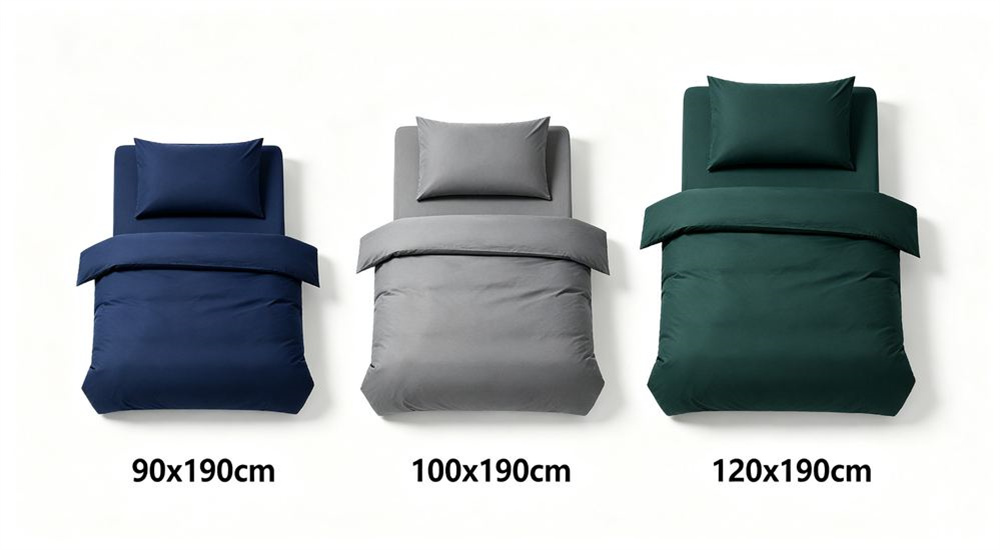
Blanket and sheet sizes in relief programs follow standard distribution dimensions, but we can adjust to your program specification. A blanket too small leaves an adult uncovered; too large and excess fabric drags on the floor and gets soiled fast. Sizing to the actual sleep surface, whether a cot, a bunk frame or a floor mat, is a small detail that improves every night's comfort for displaced families.

Sourcing refugee camp bedding from China gives relief buyers volume, controlled cost and fast staging. Direct production means large orders are cut and sewn on one floor, with base fabric stock ready before the tender is even confirmed. That readiness is what lets a relief deadline be met.
We also support emergency relief bedding programs and institutional bulk bedding buyers who combine relief and facilities orders in one consolidated shipment.
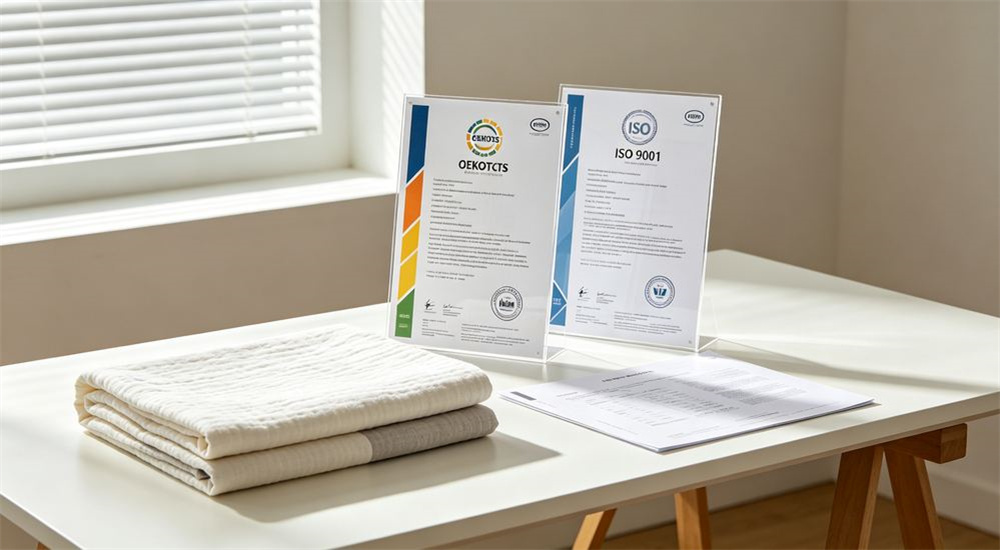
Relief procurement needs traceable quality. We provide product details and packing documents on request, built only on what has actually been tested. Quality checks run from incoming fabric to folded cartons, so a weak lot is caught before it ships to a camp.

We tailor custom relief bedding to program needs: blanket weight, sheet size, pillow fill and pack style. Logos or program labels can be added for distribution tracking. Vacuum compression is the default for large shipments, because it stretches every container further.
Relief programs often need clear marking on each kit or carton. A program code, a piece count and a distribution zone printed on the label helps staff account for stock and reduces loss between the warehouse and the family. We can apply woven labels or printed marks to your coding standard, so a pile of blankets becomes a trackable inventory that auditors and program managers both value.
Before a large relief order, order samples to confirm warmth, weight and pack size. Test how the blanket folds and how the sheet feels on a bed, because these details decide whether distribution runs smoothly. Lead times and loading quantities are confirmed in your contract, as they depend on volume and customization.

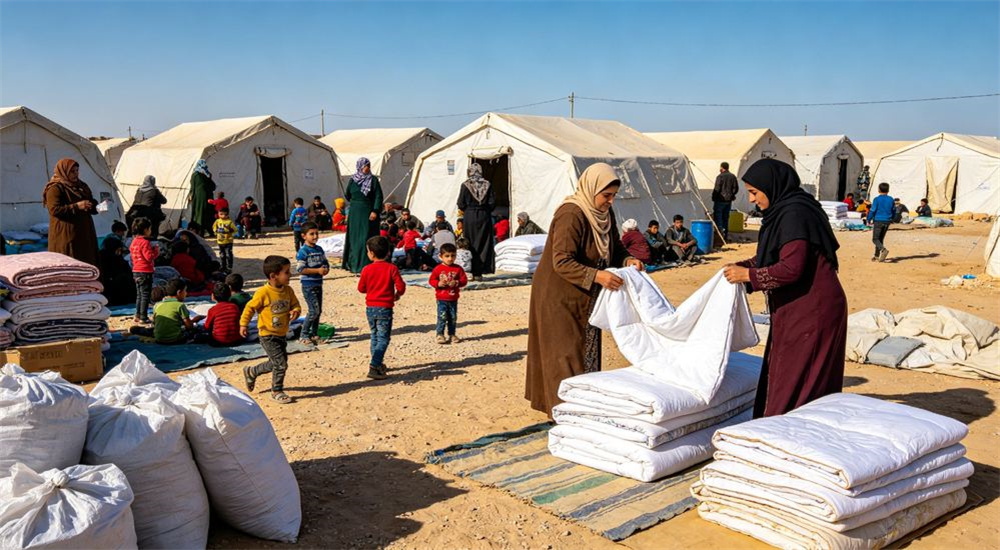
How refugee camp bedding is packed decides how fast it reaches families on site. A sleep kit that arrives as one bundled pack can be handed directly to each household without sorting. Loose, mixed cartons demand volunteers to sort blankets from sheets from pillows, which slows distribution and raises the risk of missing pieces. We pack to match how your team distributes, whether that is one kit per family or bulk piles by item type.
Carton labels carry the piece count and program reference, so unloading staff know at a glance what each box holds. This matters when trucks arrive at a camp under time pressure, and when night falls before the last box is opened. Clear marking removes the guesswork and speeds up the queue of families waiting for their bedding.
A blanket that works on a warm coastline is wrong in a highland desert where nights drop below freezing. Climate matching is the single biggest comfort decision in emergency shelter bedding. Start from the expected night-time low, the wind exposure of the site and how well the shelter retains heat, then pick the blanket weight. Over-ordering a heavy blanket wastes budget and packing space; under-ordering leaves people cold on the first night.
Where shelters are thin tents that leak cold air, the effective temperature inside is colder than the official forecast. Plan for that. A layered approach, with a sheet and a light blanket that can be combined, gives families flexibility to adjust as the season changes, rather than forcing one fixed warmth level on everyone.
Relief bedding often sits in a warehouse or staging area before it reaches families. Good storage conditions protect the product until it is needed. Keep cartons off damp floors, away from direct sun and in a dry room. Polyester bedding tolerates storage well, but long exposure to damp can damage even tough fabric. Vacuum packs should stay sealed until distribution, because re-opening them ruins the space-saving benefit.
Agencies choose between pre-packed family sleep kits and bulk piles by item. Family kits are faster to hand out and guarantee each household gets a matched set. Bulk piles let staff tailor quantities to family size, but need more on-site sorting. We support both packing styles, and can put a label on each kit showing how many people it covers.
For a fast, large-scale rollout, the family kit is usually the smoother option. It turns a complex sorting job into a simple handover: one kit per household. For programs where family sizes vary widely, bulk packing lets a family of six receive more blankets than a family of two, which matches the aid to actual need.
Camp laundry is not a hotel laundry. Water may be limited, drying space may be shared, and machines may be few. Durable camp bedding is chosen to forgive these conditions. Polyester dries in hours, which matters when drying lines are short. Cotton feels better but needs more water and drying time, so it suits sites with reliable laundry facilities rather than remote, resource-poor camps.
Once bedding is shipped to a distant camp, fixing a quality problem is hard. We check product before it leaves the floor so defects are caught early. Incoming fabric is checked for weight and weave. Folded pieces are spot-checked for stitching and hems. Cartons are sealed only after the piece count matches the packing list. This staged check protects the relief budget, because a container of damaged bedding cannot easily be recalled.
A relief tender can be a very large order, so testing first is cheap insurance. Order a sample kit, check the blanket warmth, the sheet feel and the pack size. If possible, run one small trial shipment to a pilot site and watch how families use it. What works in a warehouse can surprise you in the field, and a small pilot catches that before the full container ships. This approach is standard practice for experienced relief buyers.
Camps grow in stages as more people arrive. A phased bedding rollout matches supply to that growth. The first order equips the opening capacity, then repeat orders follow as the camp expands. We keep your spec archived so each follow-up shipment matches the first, preventing a mismatch between early and later bedding batches that would show up clearly in a single camp.
Relief buyers often compare price per kilogram of blanket or price per sleep kit. Both are useful, but the landed cost per person served is what finally matters. A slightly heavier, better blanket that costs more per kilogram but lasts two winters can be cheaper over the program than a thin one replaced after one cold season. Factor in freight too, because vacuum compression can cut the shipping cost per kit sharply. The table below compares packing options by space efficiency.
Pack Style
Space Efficiency
Unpack Effort
Best For
Loose folded
Low
Quick
Short local delivery
Tight bundle
Medium
Quick
Standard relief orders
Vacuum compressed
High
Needs cutting open
Long sea freight, large volume
The fill inside a quilt decides how warm it feels. Hollow polyester fill traps air and holds warmth without heavy weight, which keeps the pack small. Heavier fills feel warmer but bulk up the carton. We match fill weight to the target climate so the blanket is warm enough without becoming too large to distribute efficiently. Quilted stitching keeps the fill evenly spread, so no cold spots develop after repeated use.
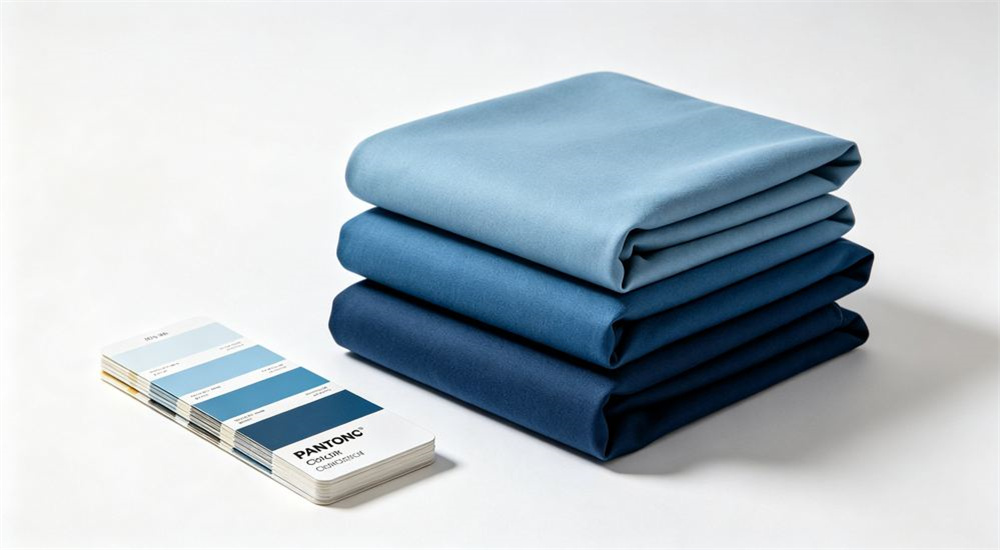
In relief settings, practical, durable colors matter more than bright home decor tones. Neutral, earthy or calm tones hide light wear and look tidy on shared beds. Color choice is also a branding or program decision, and we can match a required tone if your program has a standard. The point is to pick a color that stays presentable after months of camp use, not one that shows every mark on day one.
Before you request a refugee camp bedding proposal, gath. The more complete the brief, the faster and more accurate the reply.
Send these five points and we will come back with a recommended grade, packing plan and indicative structure. Final pricing and lead time are confirmed once the spec is locked, because weight, size and volume all move the number. This keeps the process focused and avoids a generic quote that does not match your real camp.
In a relief sleep kit, each piece has a clear job. The blanket is the warmth layer. The sheet is the clean surface between the person and the shared bed or mat. The pillow supports the head. Understanding this split helps you spec the right product, because a thin blanket and a thin sheet together still leave someone cold at night. Balance the warmth where the night is cold, and the comfort where people rest for hours.
For very cold sites, consider an extra inner layer rather than one very thick blanket. Two lighter layers trap air between them and actually insulate better than a single heavy piece, and families can adjust the layers as the temperature changes. This layered principle is the same one outdoor sleeping uses, and it works well in thin-walled shelters.
A small pack is not just about shipping cost. It also affects how families carry their bedding home from the distribution point. If a kit is too bulky, a tired parent with small children struggles to carry it back to their shelter. A tightly folded or vacuum pack that a person can sling over one shoulder makes distribution actually work. When you order samples, lift the packed kit and imagine carrying it a few hundred meters across a camp.
A few details come up in almost every camp bedding inquiry. Sorting them out early prevents rework later, and they are normal parts of a well-run relief order.
When a sudden emergency hits, timing is everything. We keep base fabric on hand so a large order can start cutting fast without waiting for fabric to arrive. The sequence is simple: confirm the spec, pull the base fabric, cut and sew, fold and pack, then load to your port. Holding the fabric in stock is the step that shortens the lead time most, because fabric delivery is usually the long pole in the production timeline.
A relief program rarely ships one container. Once the first lot works, agencies reorder for new arrivals. The risk is that the second container drifts from the first, so camp bedding starts to look uneven. We lock the fabric weight, stitching and pack method after the first approval, then check each repeat lot against that reference. This keeps a multi-container program visually and physically consistent, which matters when bedding is inspected.
Bedding is one part of a shelter response. If your program also provides tents, mats or blankets, ordering bedding from the same planning cycle helps you coordinate the overall kit. We can align packing and delivery with your wider relief package, so blankets, mats and linen arrive together rather than in separate, uncoordinated shipments.
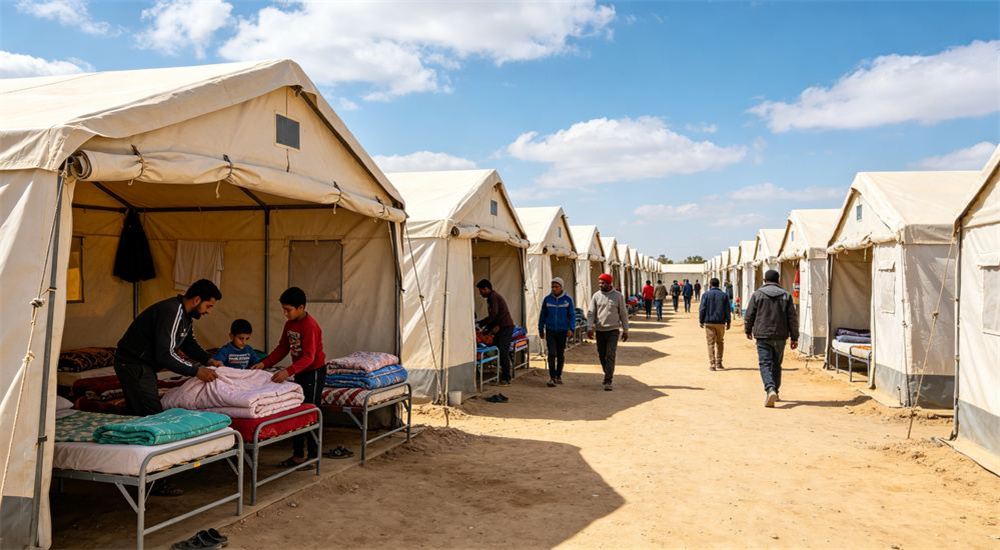
A retail bedding shopper buys one set for their own bed. A relief buyer specifies bedding for thousands of strangers in unpredictable conditions. That difference changes the priorities: packability, durability and cost per person rise, while decorative finishes drop out. The product that looks modest in a showroom can be exactly right when it must keep thousands warm, stack compactly and survive rough handling. We design for that bulk reality, not for a display shelf.
A camp expected to run for weeks has different needs than one planned for months. Short stays favor compact, fast-distributing polyester. Longer stays favor softer cotton blends and more durable construction, because the bedding will be washed and reused many times. Tell us the expected duration, and we match the product grade to it. Buying for a long camp with short-stay quality means early replacement; buying for a short event with premium quality wastes budget.
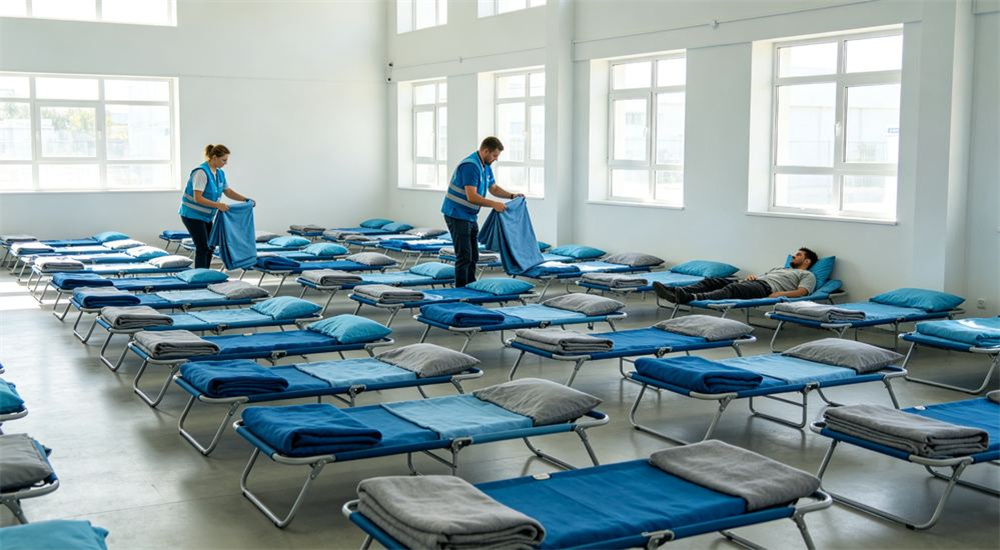
Camp beds come in many forms: simple cots, mats on the floor, bunk frames in converted buildings. Sizing the bedding to the actual sleep surface avoids two problems. Too small, and the blanket does not cover a sleeping adult. Too large, and excess fabric drags on the floor and gets dirty fast. We can set blanket and sheet dimensions to your bed type, whether that is a narrow cot, a standard single bed or a floor mat. Matching size to bed is a small detail that quietly improves every night's comfort.
Pillows are often the most appreciated part of a sleep kit, yet the most overlooked in planning. A flat, unwashed-feeling pillow lowers the comfort of even a good blanket. We offer lightweight washable pillows, vacuum-packed to save space. Because a pillow is personal, it is usually given as one per person rather than shared, which is why family kits count pillows by the people they cover. Cheap pillows flatten quickly, so the fill density matters for comfort over a stay.
Tents and temporary shelters trap moisture from breathing, cooking and rain. Bedding that breathes and dries fast handles this better than a sealed plastic cover. Polyester microfiber wicks moisture and dries in hours, which is why it suits damp shelters. Cotton absorbs water but releases it slowly, so in a perpetually damp camp it can stay cold against the skin. Choose the fabric with the site humidity in mind, not just the temperature.
Not every program has the same budget, and a good supplier offers tiers rather than one fixed product. A basic tier uses lightweight polyester and simple folding for the tightest per-person cost. A mid tier adds cotton-blend sheets and a better blanket weight. A comfort tier upgrades fill and fabric for longer or higher-need stays. Choose the tier that matches both your budget and the expected hardship of the population, and we will build a kit inside it.
|
Tier |
Fabric |
Blanket Weight |
Best Fit |
|
Basic |
Polyester |
Light |
Tight budget, warm sites |
|
Mid |
Poly-cotton |
All-season |
General relief programs |
|
Comfort |
Cotton blend |
Heavy quilt |
Long-stay, cold sites |
Where temperatures drop sharply, an inner liner inside the blanket adds warmth with very little extra pack size. A liner is a simple cotton or cotton-blend sleeve that goes inside the quilted cover, adding a breathable layer. It is cheaper and lighter than doubling the whole blanket, and it can be removed on warmer nights. For highland camps, this layered approach often gives better comfort than a single very heavy blanket.
Every minute volunteers spend sorting is a minute families wait. Pre-bundling a matched set per household removes sorting entirely. Where that is not possible, clear carton coding by piece type still cuts confusion. Label each carton with its contents, and stack the distribution area by piece type so volunteers move along a simple line rather than digging through mixed boxes. These packing choices, decided before shipment, shape how smoothly distribution goes on the ground.
Reliability in relief supply comes from consistent product and honest documents, not from sales claims. We describe the fabric, the weight and the pack size as they are, stage production to a real schedule, and provide the packing papers your team needs. The right partner for a relief tender is one whose samples match the delivered containers, and whose documents clear customs without questions. That consistency is what we build every order toward.
The fastest way to move from reading to deciding is a sample. Send us the target climate and the people count, and we recommend a starting grade. Order that as a sample kit, feel the blanket, lift the pack, and see how it folds. Once the sample matches your expectation, we scale it to the full relief order with the spec locked. This sample-first path is how most of our relief buyers run their first order, because it de-risks a large commitment cheaply.
A relief quote can look simple, but a few details change the real cost. Ask whether the quoted price covers the blanket, the sheet and the pillow, or just one piece. Ask how the pieces are packed, because vacuum packing changes the freight. Ask the weight per kit, because heavier kits cost more to ship. Comparing quotes line by line, piece by piece, prevents a cheap-looking offer from hiding missing items. We itemize each kit so the comparison is clear, not bundled into one vague number.
Large relief programs span more than one country or site. When bedding ships to several destinations, consistency matters so every site gets the same product. We can stage production against a single spec and split containers to different ports, keeping the product identical across locations. This avoids the confusion of buying from different suppliers per country, where quality and color drift between sites.
Two things set warmth: the outer fabric and the inner fill. A tight-woven outer blocks drafts, while a lofty fill traps warm air. A cheap fill clumps and loses loft after washing, creating cold patches. A quality hollow-fiber fill bounces back, holding warmth through the bedding's service life. When you compare samples, press the blanket and watch how fast it springs back. Good loft returns quickly; poor fill stays flat. That simple test predicts how warm the blanket will stay after a year of camp use.
Relief programs need to track where bedding goes. Clear labels on each kit or carton support that: a program code, a piece count and a distribution zone. This helps staff account for stock and reduces loss. We can apply woven or printed labels to your coding standard. Thoughtful labeling turns a pile of blankets into a trackable inventory, which auditors and program managers both value.
The first cold night after arrival is when relief bedding proves itself. If families are warm that night, the program is judged a success. That is why we stress climate matching and adequate fill weight over marginal cost saving. Slightly under-heating the order is the most common and most expensive mistake relief buyers make, because it cannot be fixed after the container ships. Plan for the coldest plausible night, and let a sample confirm the warmth before you commit the full volume.
Relief programs increasingly ask about durable and recycled options. Long-lasting bedding that survives many wash cycles is itself sustainable, because it is not thrown away after one season. We can discuss recycled-fiber options where they fit the product, choosing materials that balance cost, warmth and reuse. The most sustainable relief bedding is the tough kind that lasts and re-distributes, rather than the thin kind that wears out and needs replacing.
A typical relief bedding order moves through clear stages. First you send the population count and climate. We recommend a grade and you confirm samples. Production starts on a dedicated line, then pieces are folded, packed and labelled. Finally the cartons are container-loaded to your port. Each stage is planned around your delivery window, and the packing documents travel with the shipment. Knowing these stages helps you schedule your own receiving and distribution dates.
Relief work rarely offers a relaxed schedule. When a deadline is tight, the biggest lever is the spec. A standard, off-the-shelf grade with base fabric in stock ships fastest, while custom weights, sizes or labels add production time. If time is critical, choose a standard product and minimal custom marking, and add customization to the next phase order instead. Telling us your deadline up front lets us tell you honestly what is achievable, and stage production to it rather than promising a date we cannot hold.
Every relief bedding order is a balance of three forces: enough warmth, a price that serves enough people, and a pack that ships and distributes well. Maximizing one usually costs another. Heavier blankets warm more but bulk up the carton. Premium fabrics feel better but raise the per-person cost. Our role is to walk that balance with you, starting from your coldest expected night and your budget, and landing on a grade that serves the most people well rather than a few people perfectly. The table at the tier section above shows how that balance shifts by program level.
When the container reaches the port, the work is not over. Unload to dry storage, keep cartons sealed, and distribute family kits as whole packs rather than opening mixed boxes. Track the piece count against the packing list as you unload. If any carton is short, note it while the container is still accessible. Good receiving practice means the bedding stays protected and the count reconciles, so your distribution starts on a clean inventory.
Once a relief program is running, certain items reorder more often than others. Blankets reorder as families grow or winter arrives. Sheets reorder because they wash more often and wear first. Pillows reorder when early low-density ones flatten. Knowing this, many buyers stage a standing repeat order for sheets alongside the initial blanket bulk buy, so worn sheets can be refreshed without a whole new tender. We keep the spec archived to make those repeat orders simple.
A first relief order is a test. The second and third orders are where a partnership matters. You want a supplier who remembers your spec, matches the last delivery and stages production to your repeat schedule. Changing suppliers between orders means re-sampling, re-confirming quality and risking inconsistency. Staying with one consistent source means each repeat container arrives knowing exactly what it should be. That continuity is worth more than a slightly cheaper first quote from a new source.
Delays at the port delay warmth reaching families. Clear, correct shipping documents are the front line against that delay. We prepare the packing list, carton marks and commercial papers to match the shipment exactly, so customs does not send questions back. Where a program has specific documentation needs, tell us early so the papers are built to that standard from the start, rather than corrected after the goods are on the water.
Before you commit, three checks pay off. First, confirm the coldest plausible night at the site and size the blanket to it. Second, order a sample and lift the packed kit. Third, decide your packing style so distribution is planned before shipment. Do these three and the rest of the order follows cleanly. We are ready to turn your climate, people count and deadline into a matched relief bedding proposal.
Buyers new to relief bedding often ask what a gram weight really means for warmth. Put simply, more grams per square meter usually means a warmer, heavier blanket, up to a point. Beyond a certain weight, the blanket stops gaining warmth and just gets harder to carry. We match the gram weight to the climate: a lighter weave for warm sites, a denser quilt for cold ones. When you compare samples, hold one in each hand and imagine it on a camp bed on a cold night. That feel is the best guide.
A pillow either supports the neck or flattens into a thin pad. Hollow-fiber fill keeps loft and is washable, which suits shared housing. A cheap fill clumps into hard lumps after a few washes. For a sleep kit meant to serve many people over time, a washable, loft-retaining pillow is worth the small extra, because it is the piece people notice most. We set pillow fill density so it stays supportive through repeated use rather than collapsing after the first wash.
In camps, flat sheets are usually the practical choice. They wrap around a simple cot or mat with no elastic corner to fail, and they work across many bed sizes. Fitted sheets need an exact mattress size and lose their elastic after many washes, which is a problem when beds vary. Flat sheets fold smaller and adapt to whatever sleep surface the camp uses. For shared and changing housing, the flat sheet is the more forgiving, longer-lasting option.
Estimating quantity is simpler than it looks. Start with the number of people to serve, then add a spare buffer for replacements and new arrivals. A common approach is to order bedding for the expected population plus a modest reserve for worn-out or lost pieces. Over-ordering a small buffer is cheaper than placing an urgent reorder halfway through a season. Talk with us about your expected growth, and we will help you set a total that covers both current need and a reasonable reserve.
Choosing relief refugee camp bedding comes down to four calls: the fabric for the climate, the blanket weight for the coldest night, the pack style for distribution, and the supplier who keeps every repeat order consistent. We are built around those four calls, with base fabric stock, matched production and document-ready packing. Send us your climate and people count, and we will turn them into a proposed sleep kit you can sample, test and scale to the full relief order. The goal is simple: warm, clean beds that reach the families who need them, on a budget that serves as many as possible.
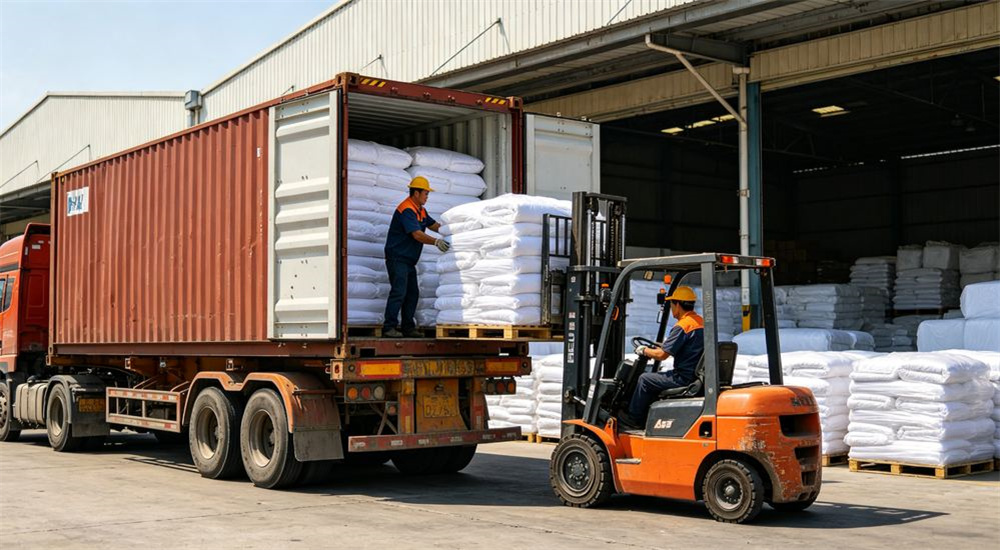
Minimum order quantities depend on the product and customization. Standard blankets and sheets have lower minimums, while custom weights, sizes or labels may need larger volumes. Exact MOQ is confirmed with your quotation and subject to order confirmation.
Yes. Vacuum compression is widely used for relief bedding because it lets more kits fit in each container, lowering freight cost per person. Compression may be added per carton or per bundle, depending on how your distribution team unpacks on site.
For cold highland camps, choose a heavier quilted polyester or cotton-blend blanket, layered over a cotton sheet. The blanket carries warmth while the sheet adds comfort against skin. Weights are matched to the expected night-time temperature at your camp site.
We lock the fabric weight, stitching and fill after your sample approval, then archive the spec. Each production batch is checked against that reference before packing, so a repeat container matches the first order even at large volumes.
Yes. We can add woven labels, printed marks or program branding for distribution tracking. Clear labeling helps your team track kits and distribute them efficiently across a camp.
Production timing depends on volume, customization and current schedule. After sample approval and deposit, we stage the order to meet your delivery window. Large emergency orders may be staged to meet your delivery window. Final dates are confirmed in your contract.
Yes. We provide carton labels, packing lists and commercial documents to support customs clearance and on-site distribution. Clear marking speeds up unloading and counting at the camp.
Yes. Bundling a blanket, sheet set and pillow into one sleep kit simplifies distribution, because each family receives a complete pack. This also reduces on-site sorting time during a large rollout.
Reinforced stitching and quilted fill help the bedding survive repeated camp laundering. Durability depends on fabric weight and wash frequency; we match the grade to expected reuse so the bedding lasts the planned service period.
We produce standard relief sizes and can adjust to your program specification. Tell us the size you need for blankets, sheets and pillowcases, and we match production to that standard.
Yes. Many relief programs stage deliveries as camp capacity grows. We keep your spec archived so each later shipment matches the first, and plan production around your phased delivery schedule.
Standard terms are a deposit by bank transfer with balance before shipment. For established relief buyers or large orders, alternative terms may be discussed. Final terms are confirmed in your contract.

Previous :
Institutional Bedding Wholesale: Durable Public Bed Linen SupplyNext :
Wholesale Hospital Medical Bedding: Cotton Poly-Cotton Bed Linen YRF-Wholesale Vanuatu Extremely absorbent towels,Police Blue blended Wool blanket,Double bed Bedding
Our bedding sets for emergency relief and humanitarian assistance. Military and national defense. Fire department, medical care department. Prison facilities, government agencies and the police. Camping, picnicking and outdoor leisure are proud to provide high-quality bedding solutions. We are committed to bringing innovation and technology to every user to make you have a good dream every day.
 YRF-WholesaleIndonesia High quality Green wash towels,Medical Care Gray Wool blended Blanket,Green Bed Quilt Cover
Our bedding sets for emergency relief and humanitarian assistance. Military and national defense. Fire department, medical care department. Prison facilities, government agencies and the police. Camping, picnicking and outdoor leisure are proud to provide high-quality bedding solutions. We are committed to bringing innovation and technology to every user to make you have a good dream every day.
 YRF-Made in ChinaJordan High quality Green wash towels,Police Blue blended Wool blanket,Maximum comfort Mattress Pad
Our bedding sets for emergency relief and humanitarian assistance. Military and national defense. Fire department, medical care department. Prison facilities, government agencies and the police. Camping, picnicking and outdoor leisure are proud to provide high-quality bedding solutions. We are committed to bringing innovation and technology to every user to make you have a good dream every day.
 YRF-ManufacturerJordan 100% cotton Green hand towels,Police Blue blended Wool blanket,anti-bacterial Quilt
Our bedding sets for emergency relief and humanitarian assistance. Military and national defense. Fire department, medical care department. Prison facilities, government agencies and the police. Camping, picnicking and outdoor leisure are proud to provide high-quality bedding solutions. We are committed to bringing innovation and technology to every user to make you have a good dream every day.
 YRF-Wholesale Georgia Soft cotton Blue Bath towels,Police Blue blended Wool blanket,Cotton Fabric Quilt Cover
Our Military 100% Cotton Bedding Set for emergency relief and humanitarian assistance. Military and national defense. Fire department, medical care department. Prison facilities, government agencies and the police. Camping, picnicking and outdoor leisure are proud to provide high-quality bedding solutions. We are committed to bringing innovation and technology to every user to make you have a good dream every day.
 YRF- Canary Islands Government Agencies blended Wool blanket,Extremely absorbent towels,Beige Quilt,Best Price
Our Encampment 100% Cotton Sets Bedding for emergency relief and humanitarian assistance. Military and national defense. Fire department, medical care department. Prison facilities, government agencies and the police. Camping, picnicking and outdoor leisure are proud to provide high-quality bedding solutions. We are committed to bringing innovation and technology to every user to make you have a good dream every day.
Copyright © Custom Disaster - Relief Bedding: Tents, Sleeping Bags, Blankets All Rights Reserved
the professional team to service !


