


Our WHO approved LLIN mosquito net is made of high strength polyester fabric with deltamethrin insecticide treatment. It features 156 holes per square inch mesh, reinforced seams, available in rectangular, conical and pop-up styles. Suitable for humanitarian relief, disaster shelter and institutional bulk procurement, offering long term malaria protection.
Note: Price for reference only. Exact price based on quantity, size, weight and custom details.
model no. :
SAF-01Brand:
YRFmarket price :
$9sale price :
$3price range :
30-100/$3Color :
Multiple Colorsport of dispatch :
Guangdong/GuangzhouPayment :
TT, Paypal, Western Unionmin order :
30original region :
Made in ChinaLead Time :
5-15days
Emergency mosquito nets wholesale are a front-line defence against malaria, dengue and Zika in refugee camps, disaster shelters, military barracks, police dormitories, school evacuation centres and field hospitals. Our production lines supply Long-Lasting Insecticidal Nets (LLIN) and untreated emergency mosquito nets to Red Cross societies, UN agencies, humanitarian NGOs, military emergency mosquito net procurement units and government disaster relief programmes. This guide compares five production models using real measurements — size, mesh count, insecticide type, suspension method, weight and packing — so you can match the right net to your users and installation conditions before placing a bulk order.
 |

|
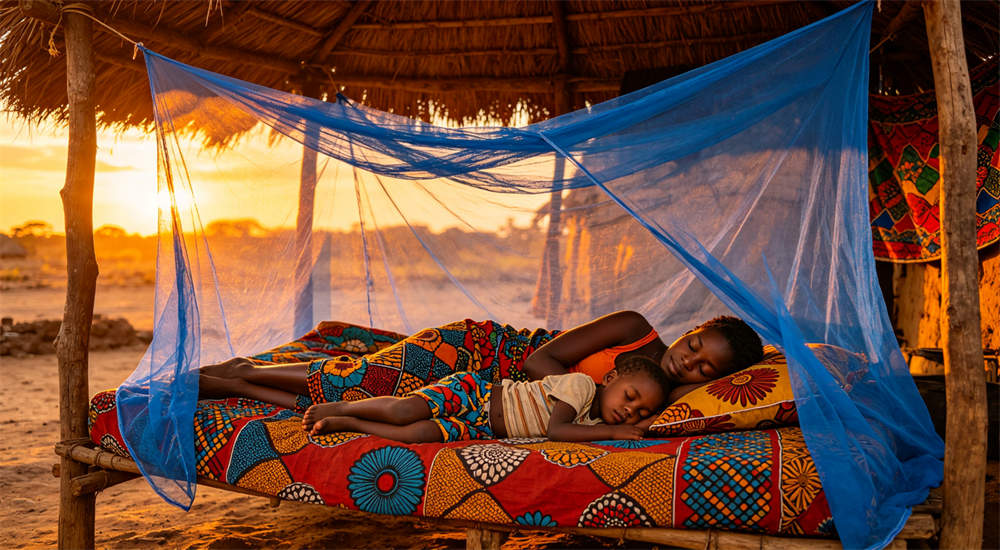
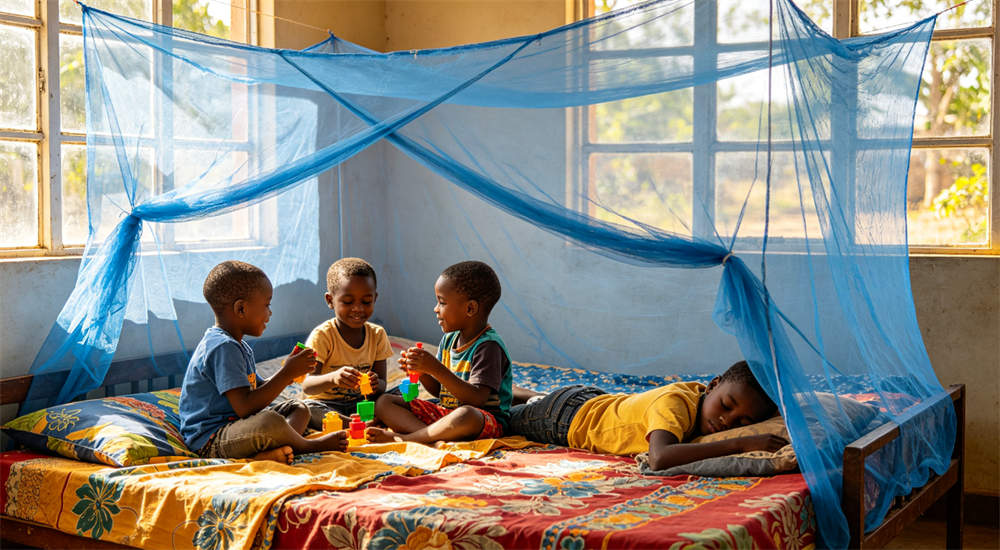
A mother and children sleep safely under an LLIN in rural Africa — protection that starts at home.
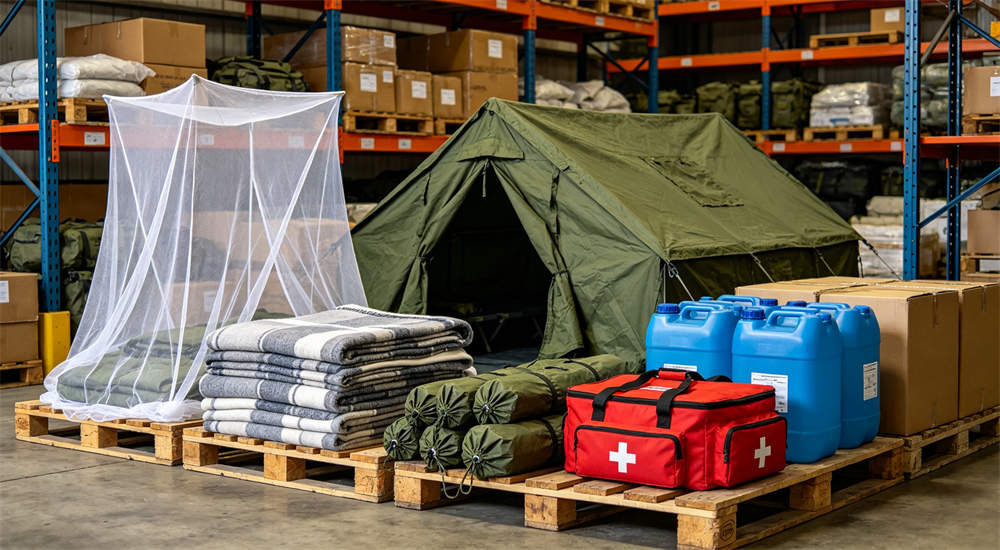
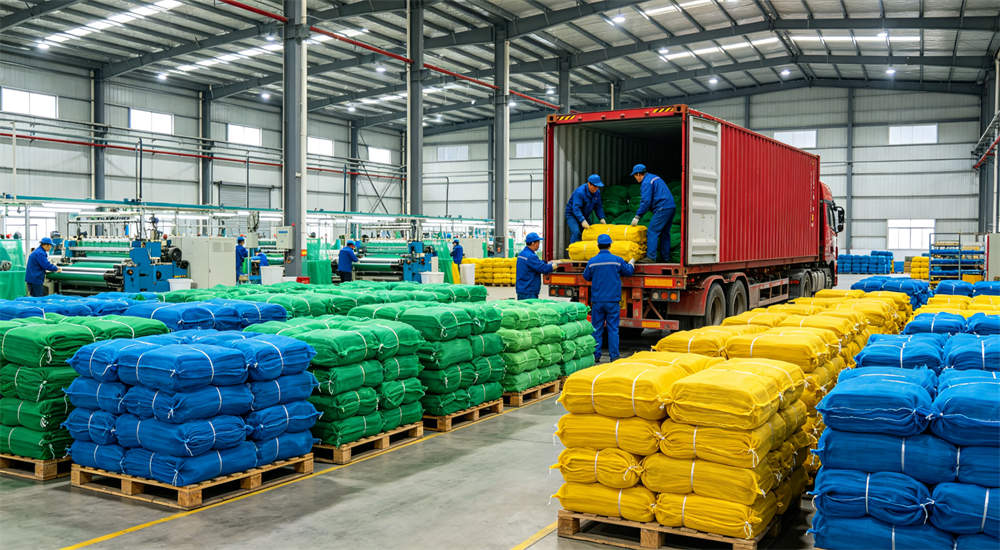
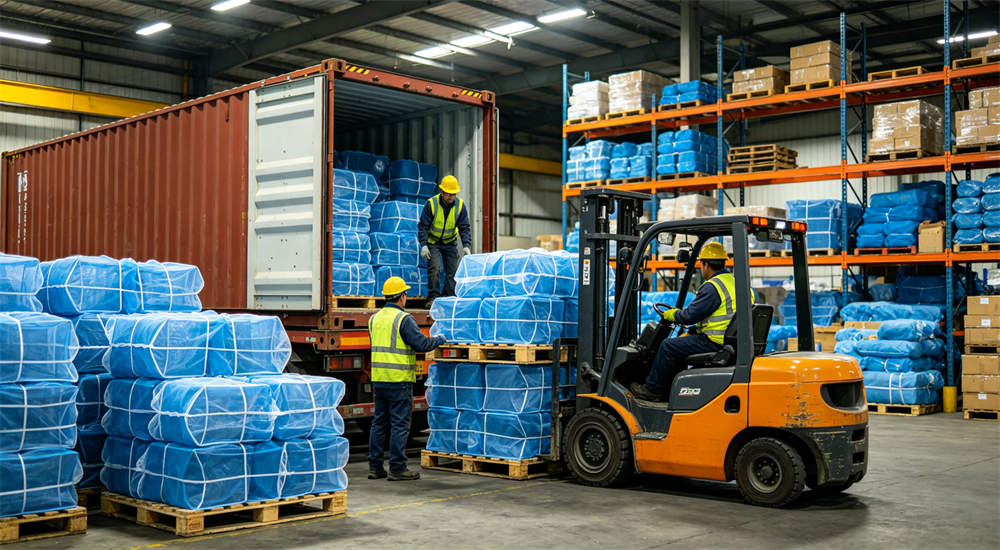
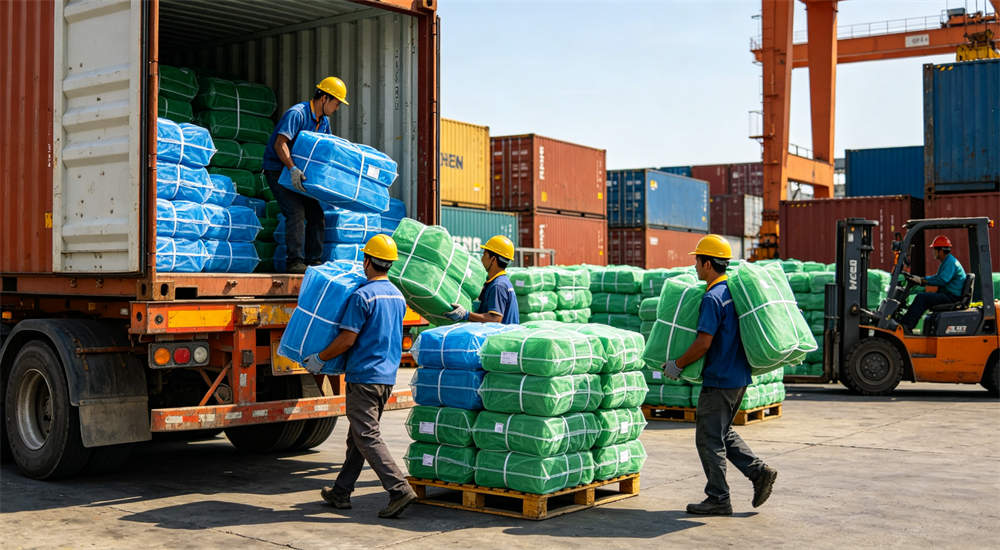
Our factory warehouse ships container-loads of mosquito nets to African programmes every month.
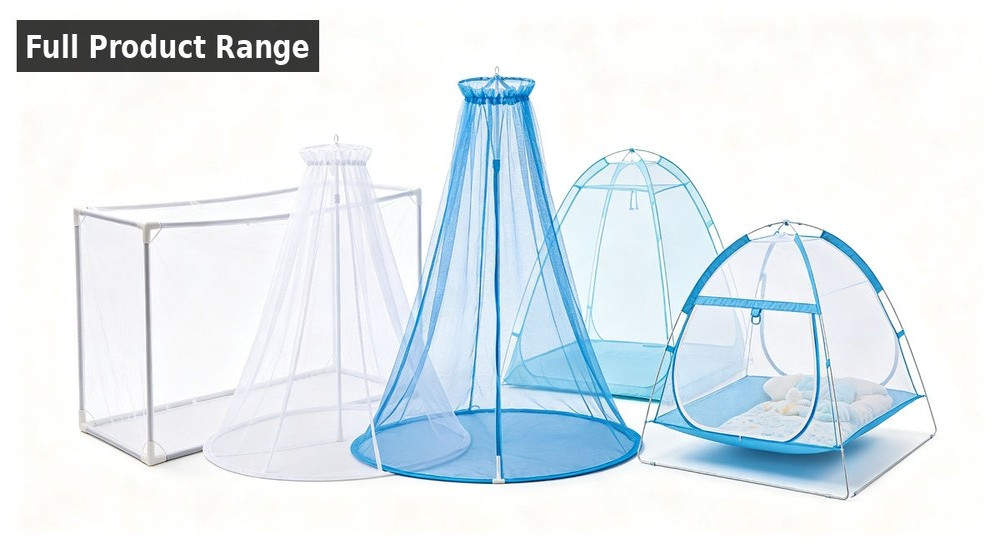
Five standard LLIN models cover rectangular, conical, pop-up, king-size and single-bed configurations.
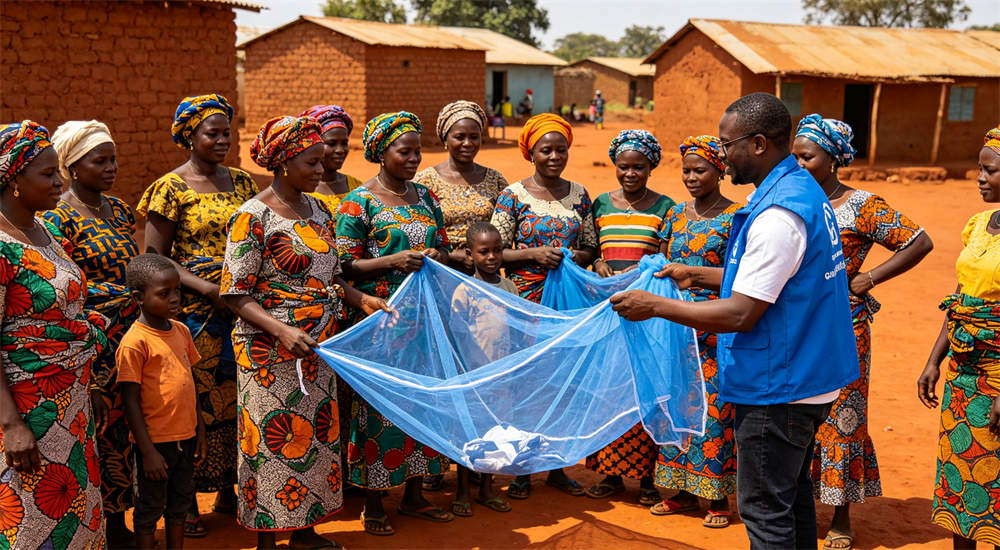
Community health workers distribute nets door-to-door, ensuring high household coverage.
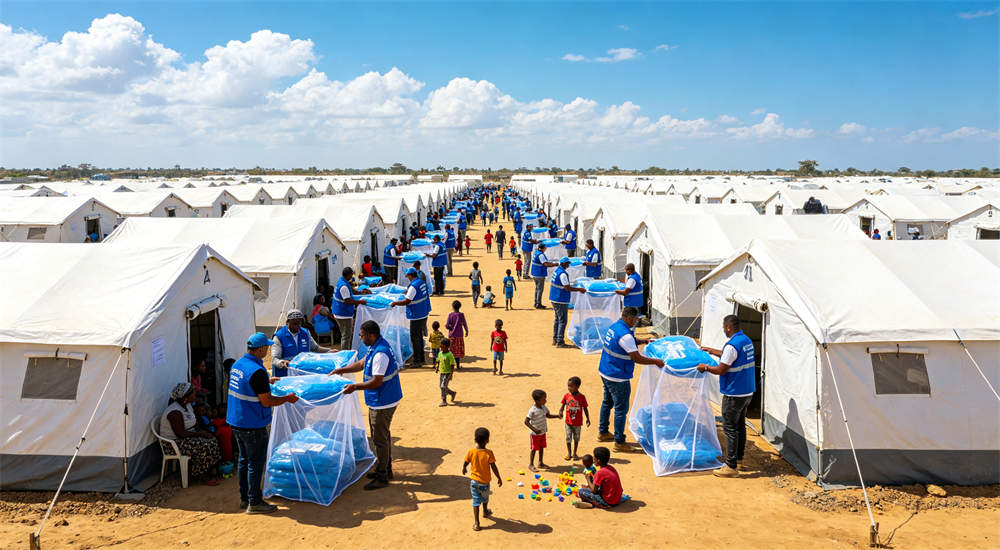
Refugee camps and emergency shelters are among the highest-priority deployment settings for LLIN.
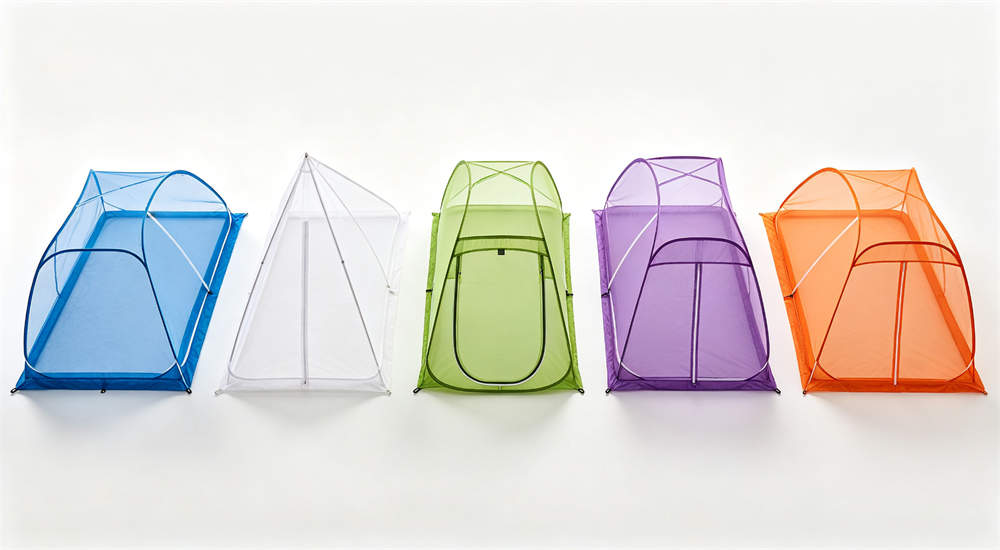
The most commonly procured model is the rectangular LLIN treated with deltamethrin, 156 holes per square inch mesh, sized 190 × 180 × 150 cm for double-bed use. For sites without suspension points, the self-supporting frame model removes the need for hooks or cords. Every batch carries a production lot number and insecticide batch record for traceability.
Our factory warehouse ships container-loads of mosquito nets to African programmes every month, with five standard models covering rectangular, conical, pop-up, king-size and single-bed configurations.
Community health workers distribute nets door-to-door, ensuring high household coverage and educating families on proper usage and maintenance for maximum malaria prevention.
Refugee camps and emergency shelters are among the highest-priority deployment settings, where rapid installation and durable construction protect vulnerable populations from vector-borne diseases.
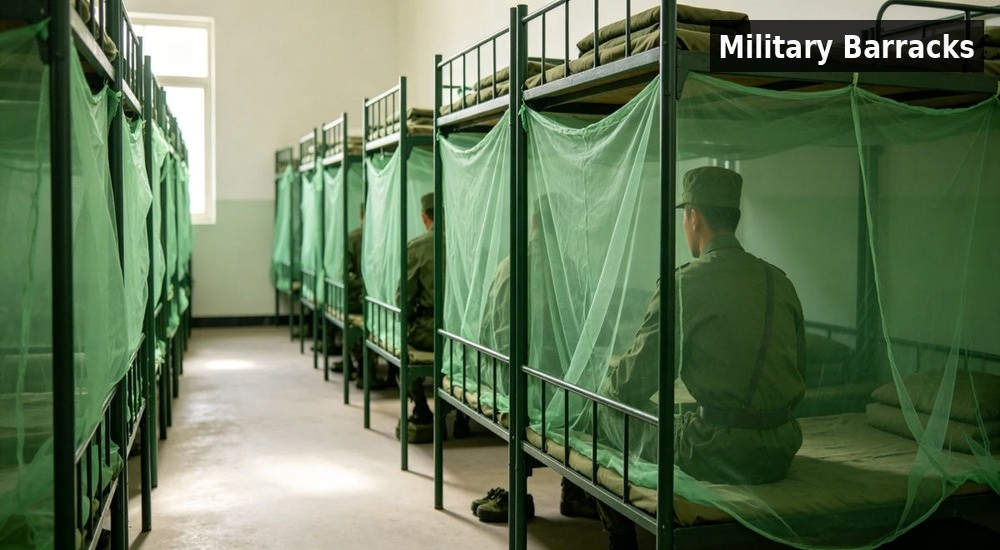
Military barracks and field deployments require institutional-grade nets that withstand rigorous use while maintaining insecticide efficacy through multiple wash cycles.
Five models are kept on our regular manufacturing schedule. White and blue are the standard WHO-recommended colours for LLIN distribution; green and navy are available for military and police institutional orders. Custom label languages (English, French, Spanish, Arabic, Portuguese) and project-specific carton marks are available for orders above standard quantities.
The most widely procured model for refugee camps, fixed shelters and home distribution programmes.
A single-hanging-point model ideal for home distribution and sites where only one anchor point is available.
Designed for regions where mosquitoes have developed pyrethroid resistance.
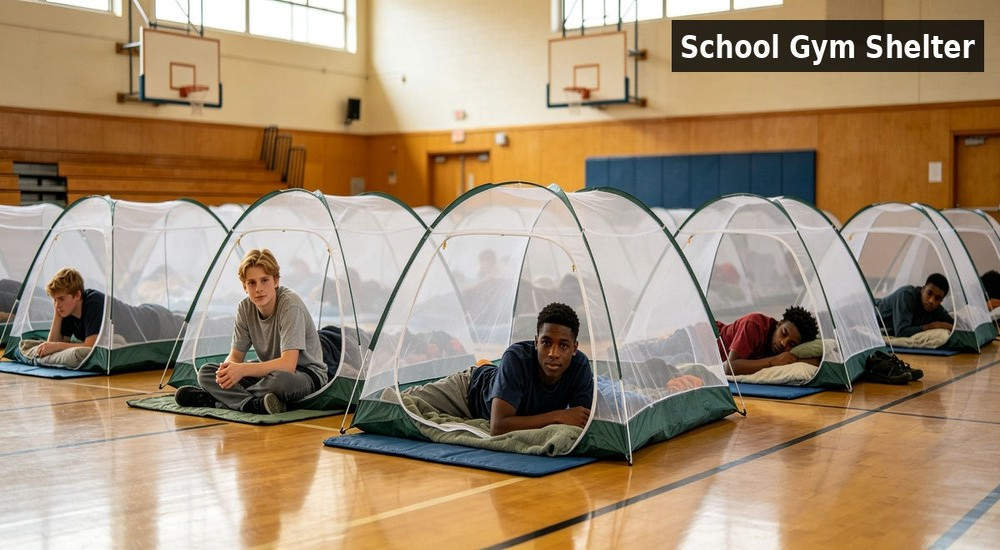
For school gymnasiums, warehouses, tent shelters and other sites with no hooks, beams or wall anchors.
A small-size net for maternal and child health programmes, crèches and paediatric wards.
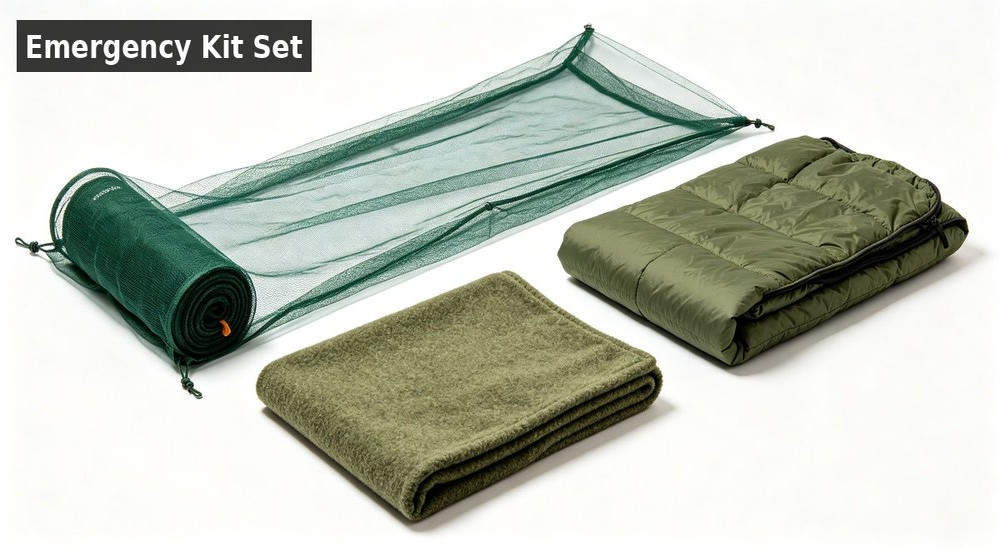
Table 1 below supports mosquito nets bulk bulk mosquito net procurement planning. Use it to compare LLIN specifications with your mosquito net LLIN supplier before placing wholesale orders.
|
Parameter |
Model A Rectangular LLIN |
Model B Conical LLIN |
Model C PBO LLIN |
Model D Self-Support |
Model E Baby/Child |
|
190×180×150cm |
Bottom circ.1050cm, H220cm |
190×180×150cm |
190×90×150cm (single) |
120×60×110cm |
|
|
30×20×5cm |
25×20×8cm |
30×20×6cm |
50cm disc |
35×25×6cm |
|
|
400–500g |
450–550g |
500–600g |
900–1200g |
350–450g |
|
|
156 holes/inch² |
156 holes/inch² |
156 holes/inch² |
156 holes/inch² |
156 holes/inch² |
|
|
75D polyester |
75D polyester |
100D polyester |
100D polyester |
75D polyester |
|
|
Deltamethrin 55mg/m² |
Deltamethrin 55mg/m² |
Deltamethrin + PBO |
Untreated (optional) |
Untreated (optional) |
|
|
20 washes |
20 washes |
20 washes |
N/A (untreated) |
N/A (untreated) |
|
|
3–5 years |
3–5 years |
3–5 years |
2–3 years |
2–3 years |
|
|
4 corner loops |
1 top loop |
4 corner loops |
Self-supporting frame |
Built-in frame |
|
|
1 overlap opening |
1 overlap opening |
1 overlap opening |
1 zippered entry |
1 zippered entry |
|
|
100 |
80 |
80 |
20 |
40 |
|
|
~48kg |
~42kg |
~46kg |
~24kg |
~18kg |
|
|
Refugee camps, home distribution |
Single anchor point sites |
Pyrethroid-resistant zones |
No-suspension shelters, schools |
Maternal child health, crèches |
|


Work through these three questions to identify the right model:
When in doubt, start with Model A. It covers roughly 70% of humanitarian and institutional LLIN procurement cases and matches the WHO standard rectangular LLIN specification.

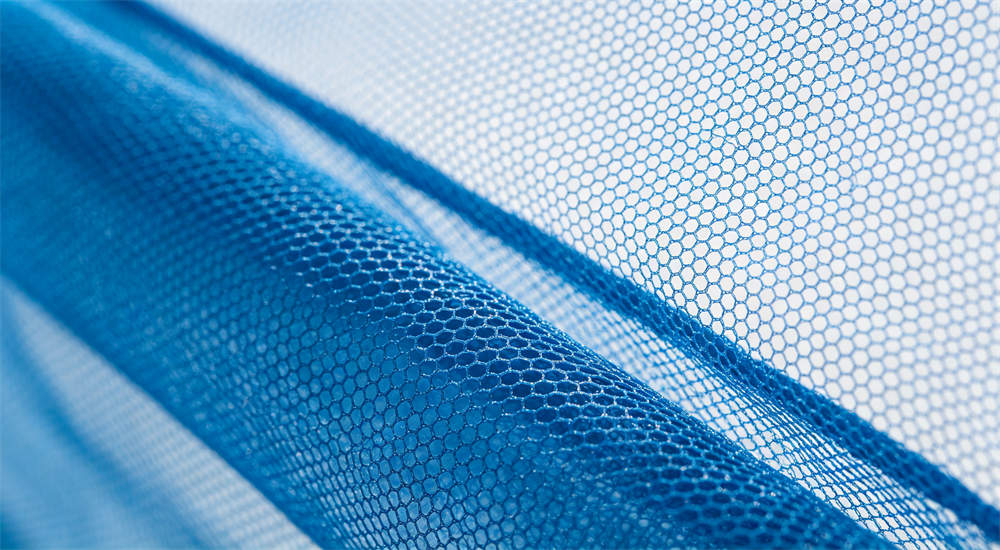
The standard WHO-recommended mesh is 156 holes per square inch (approximately 24 holes per cm²). This density blocks mosquitoes while allowing sufficient air circulation for comfort in tropical climates. Finer meshes (196 holes/inch² or 30 holes/cm²) are available for regions with small biting midges or sand flies, but reduce airflow and are not needed for standard malaria mosquito control. All our LLIN models use 156 holes/inch² as standard.


All nets are woven from 100% polyester monofilament yarn. Denier options are 50D (lightest, 20±2 g/m²), 75D (standard, 30±3 g/m²) and 100D (heavy-duty, 40±3 g/m²). Standard LLIN uses 75D. Seams are overlocked for tear resistance. Bursting strength meets ISO 13938-2: minimum 250 kPa for 75D, 405 kPa for 100D. Each net has a production lot number printed on the label for full batch traceability.

Recommend Model A (rectangular LLIN, double bed size). Four corner loops attach to bed frames or shelter beams. The 190 × 180 × 150 cm size covers two people. Deltamethrin treatment provides malaria protection for 3–5 years. Multilingual installation cards (English, French, Arabic, Spanish) are included. This is the standard model procured by Red Cross societies and UNHCR for camp distributions.
Recommend Model A in green or navy (institutional colours) for barracks with bed frames, or Model D (self-supporting) for field tents with no anchor points. LLIN treatment protects personnel in malaria-endemic deployment zones. Confirm the unit's bed dimensions and available suspension height before ordering. Custom unit insignia printing is available on the carry bag (not on the net mesh).
Recommend Model A in navy blue for station dormitories and rest rooms. The rectangular LLIN fits standard bunk beds. For temporary deployment shelters without suspension points, Model D (self-supporting) sets up in seconds. Confirm bed size and whether the dormitory has ceiling hooks or beams before selecting the suspension type.
Recommend Model D (self-supporting frame) for school gyms, halls and warehouses where there are no hooks or beams. The pop-up frame requires no tools and no installation training. Nets fold flat for daily storage and redeployment. For schools with fixed beds in dormitory settings, Model A is more cost-effective.
Recommend Model A for patient beds in field hospitals and temporary clinics. LLIN treatment protects patients and staff from mosquito-borne disease. Model E (baby/child size) for paediatric wards and maternal health units. Confirm bed dimensions and whether the net must be compatible with IV poles or medical equipment around the bed.
Recommend Model B (conical LLIN) for home distribution where households may only have one ceiling anchor point. The single-point suspension is easier for families to install without tools. Model A is preferred when bed frames or four anchor points are available. Include local-language installation instructions and communit
Table 2 below supports emergency mosquito nets bulk emergency mosquito net procurement planning. Use it to compare LLIN specifications with your mosquito net LLIN supplier before placing wholesale orders.
y health worker training materials on request.
|
Factor |
LLIN (Insecticidal) |
Untreated Net |
Mosquito Coil / Spray |
|
Protection method |
Physical barrier + insecticide |
Physical barrier only |
Chemical repellent in air |
|
Duration |
3–5 years, 20 washes |
3–5 years (if undamaged) |
8–12 hours per coil |
|
Malaria prevention |
Yes (WHO recommended) |
Partial (only if no gaps) |
No (not recommended alone) |
|
Cost per year |
Low (one-off purchase) |
Lowest |
High (recurring) |
|
Safety |
Safe for children/pregnant |
Safest |
Indoor air quality concern |
|
Installation |
Needs suspension points |
Needs suspension points |
No installation |
|
Best for |
Malaria zones, humanitarian |
Non-malaria regions |
Short-term outdoor use |

Run through these checks on the sample before signing off a bulk production run:

LLINs can be hand-washed or machine-washed at 30°C (86°F) with mild detergent. Do not bleach, do not tumble dry, do not iron. Line dry in shade — direct sunlight accelerates insecticide degradation. Standard LLIN retains efficacy for at least 20 washes. Wash only when visibly dirty — over-washing shortens service life.
Hang the net so the bottom edge touches the mattress or floor (no gaps for mosquitoes to enter). For rectangular models, attach all four corner loops and pull taut. For conical models, hang from the single top loop and spread the bottom circumference around the bed. Tuck the lower edge under the mattress if possible. Keep the net away from open flames and sharp objects.

Small holes (under 2 cm) can be repaired with a fabric adhesive patch or needle and thread. Larger tears, broken loops, or mesh that has thinned with age should be replaced. A well-maintained LLIN in regular use lasts 3–5 years. Programme managers should plan replacement cycles accordingly and keep a 5% spare ratio for damaged nets during distribution.


Third-party test reports can be organised to match your project specifications. Share the standards required by your tender or donor agreement, and we will confirm the testing scope and laboratory timeline before production begins.
Regular third-party testing ensures every batch meets the insecticide dosage and wash-resistance requirements specified in tender documents.

StageWhat We CheckAcceptance Standard 1. Raw Material InspectionYarn denier (75D/100D), mesh count (156 holes/inch²), fabric weight, insecticide batch certificates100% incoming inspection; non-conforming batches rejected 2. In-Process PatrolStitch density, seam strength, dimensional accuracy, cutting precisionAQL 2.5 sampling every 2 hours; defects corrected immediately 3. Finished Product TestingInsecticide dosage (mg/m²), wash resistance (20-cycle), cone bioassay, fabric tensile strengthEvery lot tested; results recorded in batch test report 4. Pre-Shipment InspectionCarton quantity, labelling accuracy, packaging integrity, carton marks, lot number traceability100% carton check before container loading


Order Quantity
Standard Lead Time
Expedited (Emergency)
1,000–10,000 units
15–25 days
10–15 days
10,000–100,000 units
25–40 days
20–30 days
100,000–500,000 units
40–60 days
30–45 days (priority line)
500,000+ units
60–90 days
Phased delivery available

Calculated using Model A (rectangular LLIN, deltamethrin, 190×180×150cm, 75D, 100 units/carton):

We support full OEM and customisation services for institutional bulk orders. Available customisations include Pantone colour matching, multilingual printed labels (English, French, Arabic, Spanish, Portuguese), donor or project logo printing on cartons and individual carry bags, specified insecticide type (deltamethrin or alpha-cypermethrin), mixed-size carton configuration, and batch-specific test reports. All customised nets still meet WHO physical specifications.


Standard Model A and Model B in white or blue ship within 7–15 working days. Custom colours, multi-language labels, or project-specific carton marks require 15–25 working days. Orders requiring third-party lab testing (HPLC dosage, bioassay) should budget an additional 10–15 working days. PBO-enhanced Model C is produced to order and requires 25–40 working days. Final delivery dates are confirmed in the contract once the sample and test requirements are approved.
For emergency response situations, standard LLIN stock can be dispatched within 72 hours of order confirmation, subject to available inventory. Available customisations cover: Pantone colour matching, custom label languages, donor/project logo printing on cartons and carry bags, specified insecticide type (deltamethrin or alpha-cypermethrin), mixed-size carton configuration, and batch-specific test reports. Lock in all custom requirements at quotation stage — mid-production changes can delay delivery.

Understanding pricing for mosquito nets bulk orders helps African buyers budget accurately for government tenders and stockpile procurement. LLIN prices typically range from $1.20 to $3.50 per net depending on specifications, insecticide type, and order volume. Larger orders of 50,000+ units from a reliable mosquito net manufacturer can reduce unit costs by 20-30% compared to small trial orders.

Key cost factors for mosquito nets wholesale tenders:
Example budget for 100,000 rectangular LLINs under government tender: Product cost approximately $150,000-$220,000; ocean freight to major African ports $8,000-$15,000; insurance and documentation $2,000-$4,000; bid bond and performance bond typically 2-5% of contract value. Total landed cost typically $1.60-$2.40 per net. Payment is commonly arranged via T/T telegraphic transfer with 30% deposit and 70% balance before shipment, which is the standard arrangement most LLIN supplier factories accept for emergency mosquito nets orders.

African mosquito net procurement for government tenders and national stockpiles follows several distinct pathways. Understanding the tender documentation requirements and bid evaluation criteria helps suppliers compete effectively for mosquito nets bulk contracts.

Pathway 1: National government tender — African ministries of health publish tender notices through national procurement authorities or global fund grants. Tender documents typically require technical specifications, company registration, manufacturing capacity proof, test reports, and financial references. Bid evaluation usually combines technical score (60-70%) and price score (30-40%). Successful bidders enter framework agreements for 1-3 year supply contracts to national stockpiles.
Pathway 2: UN direct procurement (UNICEF, UNHCR, WHO) — Large tenders published on UNGM (UN Global Marketplace). These typically require pre-qualified supplier status and competitive bidding. Annual LLIN procurement through UN agencies exceeds 200 million nets globally, with sub-Saharan Africa receiving the majority. Tender packages include detailed technical specifications, delivery schedules to multiple destinations, and strict compliance documentation requirements.
Pathway 3: Government stockpile replenishment — Many African countries maintain national emergency stockpiles of LLINs for disaster response and outbreak control. Stockpile procurement often uses simplified tender procedures or direct negotiation with pre-approved suppliers. Requirements include guaranteed delivery within 30-45 days, storage-ready packaging, and batch traceability for stock rotation management. This pathway is well-suited to emergency mosquito net procurement where speed is critical.
Pathway 4: NGO and humanitarian procurement — International NGOs and local organizations procure directly from manufacturers or through intermediaries. Tender requirements are often more flexible; many accept WHO-specification products with valid test reports. Purchase orders are typically smaller than government tenders but more frequent, making this a valuable channel for mosquito nets wholesale suppliers building African market presence.

For African government tenders and stockpile contracts, LLIN products must meet WHO specifications for insecticide content, mesh durability, and wash resistance. Tender evaluation committees verify compliance through test reports and batch documentation. The WHO Pesticide Evaluation Scheme (WHOPES) recommends specific insecticides for mosquito nets bulk production, and products using these recommended active ingredients are widely accepted in tender technical evaluations.

WHOPES-recommended insecticides for tender-compliant LLINs:

Tender documentation checklist for WHO compliance: Mesh count minimum 156 holes/inch² (some tenders require 180); fabric weight typically 100D polyester; insecticide retention after 20 standard washes; tensile strength and tear resistance test reports; batch traceability records; certificate of origin; and manufacturer declaration of conformity. A credible mosquito net manufacturer should provide all these documents as part of the tender submission for mosquito nets wholesale contracts.
Important note on certification for tenders: WHOPES full certification is required for some large UN tenders. For many national government tenders and stockpile contracts, products manufactured to WHO specifications using WHOPES-recommended insecticides, supported by valid third-party test reports, are accepted. Suppliers should carefully review each tender document to confirm specific certification requirements before submitting bids.

Africa is not a single tender market for emergency mosquito nets. Regional differences in malaria transmission, insecticide resistance, tender systems, and stockpile management mean that product specifications and bid requirements vary significantly across the continent.

East Africa (Kenya, Tanzania, Uganda, Ethiopia): Well-established national tender systems with annual or biennial procurement cycles. Deltamethrin LLINs are standard; some tenders now specify PBO nets due to resistance. Government stockpiles are managed by national malaria control programs with defined reorder thresholds. Tender evaluation emphasizes local distribution capacity and after-sales support.
West Africa (Nigeria, Ghana, Senegal, Mali): Largest tender volumes globally. Pyrethroid resistance means PBO nets are increasingly specified in tender documents. Nigeria uses both federal-level tenders and state-level procurement. Stockpile management is decentralized, with emergency reserves maintained at state and national levels. Price competitiveness is the primary evaluation criterion in many tenders.
Southern Africa (Mozambique, Zambia, Malawi): Tender cycles align with mass distribution campaigns every 3-4 years. Government stockpiles serve as buffer between campaign cycles. Deltamethrin remains effective in most areas; resistance monitoring is ongoing. Tenders often require delivery to multiple provincial warehouses, adding logistics complexity to mosquito net sourcing.
Central Africa (DRC, Cameroon, Chad): Tender systems are less centralized; emergency and NGO procurement complement government tenders. Stockpile management is challenging due to logistics constraints. Tenders prioritize durability and ease of distribution. Delivery to inland destinations can add significant cost and time, requiring careful planning in tender pricing.

African LLIN procurement tenders and stockpile management encounter several recurring problems. Awareness of these pitfalls helps suppliers prepare competitive bids and helps buyers avoid costly mistakes in mosquito nets bulk procurement.

Pitfall 1: Incomplete tender documentation. Missing test reports, certificates of origin, or company registration documents leads to automatic disqualification in technical evaluation. Always cross-check tender requirements against a documentation checklist before submission. Late submissions are typically rejected without exception.
Pitfall 2: Misrepresented certification status in bids. Some suppliers claim WHOPES certification in tender documents without holding it. Tender evaluators verify certification directly through WHO databases. For products without full certification, clearly state "manufactured to WHO specifications using WHOPES-recommended insecticides" and provide test reports as supporting evidence.
Pitfall 3: Insecticide content below tender specification. Cost-cutting manufacturers may apply less insecticide than specified in tender documents. Batch-specific test reports from accredited laboratories are required for compliance. Tender contracts often include penalty clauses for non-conforming batches, including rejection and replacement at supplier cost.
Pitfall 4: Inadequate packaging for stockpile storage. Government stockpiles may store nets for 12-24 months before distribution. Insufficient carton strength or lack of moisture protection leads to damage and insecticide degradation during storage. Tender specifications typically require double-wall cartons, individual polybags, and moisture-proof packaging.
Pitfall 5: Ignoring resistance patterns in target region. Tenders in high-resistance areas now specify PBO or combination nets. Bidding standard deltamethrin-only nets for these regions results in technical non-compliance. Always consult WHO resistance maps and tender specifications before determining the product offering.
Pitfall 6: Unrealistic delivery schedules in tender bids. LLIN production requires 25-40 days plus 25-35 days ocean freight. Tender contracts include liquidated damages for late delivery (typically 0.5% per week, capped at 10% of contract value). Some LLIN supplier factories maintain stock of standard models for emergency stockpile dispatch, which can be a competitive advantage in emergency mosquito nets tenders with short delivery windows.


RegionEast Africa (multi-country distribution) Year2024–2025 ProductModel A rectangular LLIN (deltamethrin 55 mg/m², 75D, 156 mesh, 190×180×150 cm) Quantity320,000 units CustomisationBilingual labels (English/French), programme-logo printed OPP bags, tender-specific carton marks Delivery timelinePhased delivery: 120K units in 35 days, remaining 200K units in 55 days total OutcomeAll batches passed third-party pre-shipment inspection. Zero defect rate at destination. Programme reported 94% household coverage after distribution.

|
Region |
Horn of Africa refugee settlement |
|
Year |
2023 |
|
Product |
Model C PBO-enhanced LLIN (100D heavy-duty, 156 mesh, conical 120×180 cm) for high-transmission, long-term camp environment |
|
Quantity |
85,000 units |
|
Customisation |
Heavy-duty 100D yarn per camp durability requirement, pre-packed hanging kits (ropes + hooks) included per net |
|
Delivery timeline |
Expedited emergency delivery: 28 days from order confirmation to port of discharge |
|
Outcome |
PBO nets selected for pyrethroid-resistant mosquito zone. Post-distribution monitoring showed 87% usage rate after 6 months. Tear rate below 3% (vs. typical 8–12% for standard 75D in camp conditions). |

|
Region |
Southern Africa malaria outbreak zone |
|
Year |
2024 |
|
Product |
Model A rectangular LLIN + Model D self-supporting pop-up nets (mixed order for shelter and health clinic use) |
|
Quantity |
150,000 units (120K rectangular + 30K self-supporting) |
|
Customisation |
Vacuum-compressed packing for air-freight (40% volume reduction), trilingual labels (English/Portuguese/indigenous language) |
|
Delivery timeline |
Emergency air-freight: first 50K units delivered in 14 days; remaining 100K units by sea in 35 days |
|
Outcome |
Rapid deployment supported outbreak containment. Self-supporting nets deployed in clinics and temporary shelters where hanging points were unavailable. Zero supply delays reported. |

LLIN stands for Long-Lasting Insecticidal Net. It is factory-treated with pyrethroid insecticide that lasts 3-5 years and at least 20 washes, unlike ordinary nets which require regular re-treatment. For mosquito nets bulk procurement in malaria-endemic African regions, LLINs are the WHO-recommended standard for government tenders and national stockpiles.
Our standard LLIN uses 156 holes per square inch (approximately 24 holes per cm²), the WHO-recommended density. This blocks mosquitoes while allowing sufficient airflow in tropical climates. Finer 180+ hole meshes are available on request for tenders specifying higher density. All models from our mosquito net manufacturer meet ISO bursting strength standards.

Standard LLIN uses deltamethrin at 55 mg/m², a WHO-recommended and WHOPES-listed pyrethroid. It is safe for children, pregnant women and everyday use. The insecticide is bound into the fibre and releases at a controlled rate. PBO-enhanced models (Model C) are available for pyrethroid-resistance zones, a common requirement in West African LLIN procurement tenders
Our LLIN retains insecticidal efficacy for at least 20 standard washes (ISO 6330, 30°C, mild detergent, line dry). Service life is 3-5 years under normal use. Tender contracts typically require wash-resistance test reports as part of compliance documentation for mosquito nets wholesale supply to government stockpiles.

For double-bed use (covers 2 people), the standard is 190 × 180 × 150 cm (Model A rectangular), aligning with Sphere Handbook standards of one net per two people. For single beds, Model B conical (1050 cm bottom circumference) works where only one ceiling anchor is available. Confirm bed dimensions and suspension points with your LLIN supplier before finalizing tender quantities.
Use Model D — the self-supporting frame net with a built-in flexible steel frame that pops open without tools. Ideal for school gyms, warehouses, tent shelters and other sites with no suspension infrastructure. This model is frequently specified in emergency emergency mosquito nets tenders for rapid deployment scenarios.
Third-party test reports (HPLC insecticide dosage verification, bioassay, wash resistance, tensile strength) can be organized per batch from accredited laboratories. While we manufacture to WHO specifications using WHOPES-recommended insecticides, full WHO PQ certification status should be confirmed at tender stage. Test reports are standard compliance documents for African government mosquito net procurement.
For Model A (100 units/carton, 60×40×40cm), a 40-foot high-cube container holds approximately 15,000-18,000 units. Model B (80 units/carton) holds ~12,000-14,000. Container loading plans are provided with every quotation, an important consideration for stockpile mosquito nets bulk logistics planning.

Yes. We support English, French, Spanish, Arabic, Portuguese and other languages on request. Custom project logos, donor acknowledgment text and carton shipping marks can be configured to match tender requirements. Multilingual labels are essential for community distribution programs across African mosquito nets wholesale markets.
Rectangular nets (Model A) attach at four corners and provide more sleeping space — ideal for bed frames in camps and fixed shelters. Conical nets (Model B) hang from a single point and are easier for home installation where only one ceiling anchor exists. Both are available with deltamethrin treatment for LLIN procurement contracts.
PBO (Piperonyl Butoxide) is a synergist added to the roof panel of Model C. It blocks mosquito detoxification enzymes, restoring efficacy of deltamethrin in pyrethroid-resistance zones. PBO nets cost 15-25% more but are increasingly specified in tenders for West and Central Africa where resistance is widespread. Consult WHO resistance maps before determining product specifications for emergency mosquito net procurement.
Each batch carries a lot number linked to a test report. You can request HPLC analysis certificates confirming deltamethrin dosage (55 mg/m² ±25%) and bioassay results. Pre-shipment inspection is recommended for large government tender orders. Batch traceability is a standard audit requirement for donor-funded mosquito nets wholesale programs.
Yes. Models D and E are standard untreated, and Model A can be supplied untreated on request. Untreated nets are suitable for non-malaria regions or institutions with in-house treatment capacity. Confirm treatment requirements in your tender specification — this affects pricing and lead time from your mosquito net manufacturer.
Standard colours (white, blue) of Model A and B: 7-15 working days. Custom colours, multilingual labels, or project-specific carton marks: 15-25 working days. PBO Model C (made to order): 25-40 working days. Third-party lab testing adds 10-15 days. Emergency stock can dispatch within 72 hours subject to inventory — a key advantage for rapid-response emergency mosquito nets tenders.

To calculate mosquito nets bulk quantities, estimate the number of households or sleeping spaces, multiply by nets per household (typically 1 net per 2 people per Sphere standards), and add a 10-15% reserve margin. Consider camp layout and family size when finalizing mosquito nets wholesale order sizes for emergency mosquito nets distribution. Government stockpile planners should also account for loss rates during distribution.
Request treatment certificates, confirm insecticide type and concentration per WHO specifications, and arrange pre-shipment testing if required. Your LLIN supplier should provide batch traceability records for mosquito net manufacturer production runs. HPLC dosage verification and bioassay reports are standard compliance documents for African government tenders.
Define core LLIN specifications, establish approved LLIN supplier lists through tender, maintain batch traceability records, and schedule annual rotation. A written specification checklist ensures consistency across mosquito net procurement cycles for mosquito nets bulk stockpiles. Include both standard deltamethrin and PBO options for resistance monitoring.
Store mosquito nets bulk in dry, ventilated conditions away from direct sunlight, record receipt dates by batch, and follow first-in-first-out rotation. Inspect stock annually for insecticide degradation and replenish based on usage rates rather than fixed calendar dates. Government stockpiles typically store nets 12-24 months before distribution, requiring robust packaging from your mosquito net manufacturer.
Request tear strength test reports, mesh count verification, and wash resistance data from the mosquito net manufacturer. A reliable LLIN supplier should provide durability certificates for the specific emergency mosquito nets model being ordered. ISO 13938-2 bursting strength and ISO 6330 wash test results are standard tender requirements.
Maintain a signed appendix with revision identifiers, requiring written confirmation for any mesh count, size, label or treatment alteration, and requesting updated samples when changes affect product identity. This prevents silent substitutions in repeat mosquito net procurement orders for mosquito nets bulk contracts. Government tenders often include penalty clauses for unauthorized specification changes.
 YRF-Made in ChinaJordan High quality Green wash towels,Government Agencies blended Wool blanket,Single Bed XL mosquito net
Our bedding sets for emergency relief and humanitarian assistance. Military and national defense. Fire department, medical care department. Prison facilities, government agencies and the police. Camping, picnicking and outdoor leisure are proud to provide high-quality bedding solutions. We are committed to bringing innovation and technology to every user to make you have a good dream every day.
 YRF-China ManufacturerCameroon Extremely absorbent towels,Government Agencies blended Wool blanket,Single bed mosquito net
Our Horde Solid Colours Fitted Sheet for emergency relief and humanitarian assistance. Military and national defense. Fire department, medical care department. Prison facilities, government agencies and the police. Camping, picnicking and outdoor leisure are proud to provide high-quality bedding solutions. We are committed to bringing innovation and technology to every user to make you have a good dream every day.
 YRF- Liberia Medical Care Gray Wool blended Blanket,Olive gareen cotton face towels,Folding bed mosquito net,China
Our Soldiers 100% Cotton Flat Sheet for emergency relief and humanitarian assistance. Military and national defense. Fire department, medical care department. Prison facilities, government agencies and the police. Camping, picnicking and outdoor leisure are proud to provide high-quality bedding solutions. We are committed to bringing innovation and technology to every user to make you have a good dream every day.
 YRF-China FactoryGhana Soft cotton Blue Bath towels,Medical Care Gray Wool blended Blanket,Two opening mosquito net
Our Military 100% Cotton Bedding Set sets for emergency relief and humanitarian assistance. Military and national defense. Fire department, medical care department. Prison facilities, government agencies and the police. Camping, picnicking and outdoor leisure are proud to provide high-quality bedding solutions. We are committed to bringing innovation and technology to every user to make you have a good dream every day.
 YRF-FabricationNamibia long staple cotton Blue towels,Fire Departments Blue blended Wool Blanket,Folding bed mosquito net
Our Army Solid Colours Bedsheet for emergency relief and humanitarian assistance. Military and national defense. Fire department, medical care department. Prison facilities, government agencies and the police. Camping, picnicking and outdoor leisure are proud to provide high-quality bedding solutions. We are committed to bringing innovation and technology to every user to make you have a good dream every day.
 YRF-China Supply Namibia Extremely absorbent towels,Fire Departments Blue blended Wool Blanket,Breathable Mosquito Bed Net
Our Barracks Solid Colours Bedding Set for emergency relief and humanitarian assistance. Military and national defense. Fire department, medical care department. Prison facilities, government agencies and the police. Camping, picnicking and outdoor leisure are proud to provide high-quality bedding solutions. We are committed to bringing innovation and technology to every user to make you have a good dream every day.
Copyright © Custom Disaster - Relief Bedding: Tents, Sleeping Bags, Blankets All Rights Reserved
the professional team to service !


