


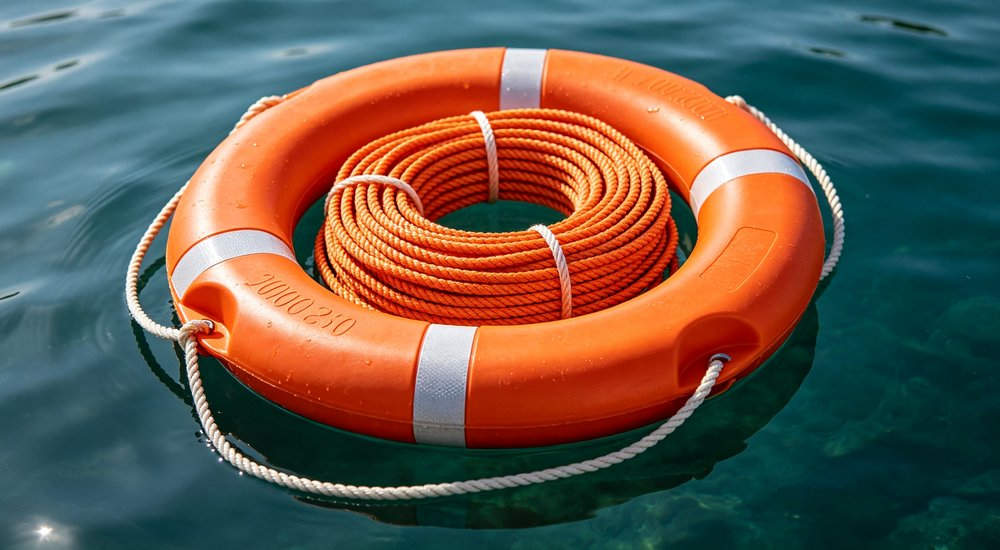
Our SOLAS approved lifebuoy delivers reliable buoyancy for marine and flood rescue. Available in 2.5kg and 4.3kg models, fitted with retro-reflective tape and optional 30m floating rescue rope. UV resistant HDPE shell withstands harsh outdoor conditions, ideal for ships, docks and emergency rescue operations. Custom color and OEM branding available for bulk procurement orders.
Note: Price for reference only. Exact price based on quantity, size, weight and custom details.
model no. :
JSQ-01Brand:
YRFmarket price :
$15.9sale price :
$7.9price range :
30-100/$7.9Color :
Multiple Colorsport of dispatch :
Guangdong/GuangzhouPayment :
TT, Paypal, Western Unionmin order :
30original region :
Made in ChinaLead Time :
5-15days
When lives depend on instant flotation support, a reliable lifebuoy is not optional equipment — it is the critical first response device that bridges the gap between a person falling into the water and professional rescue arrival. Our SOLAS-approved lifebuoys are engineered to meet the strictest international marine safety standards, delivering consistent buoyancy performance even in the most challenging sea conditions.
Looking for a reliable life buoy supplier and direct manufacturer? YRF Textile is a China-based wholesale supplier of SOLAS lifebuoys, life rings and rescue buoys serving marine safety, port safety, coastal guard and flood relief customers in 50-plus countries.

 |

|
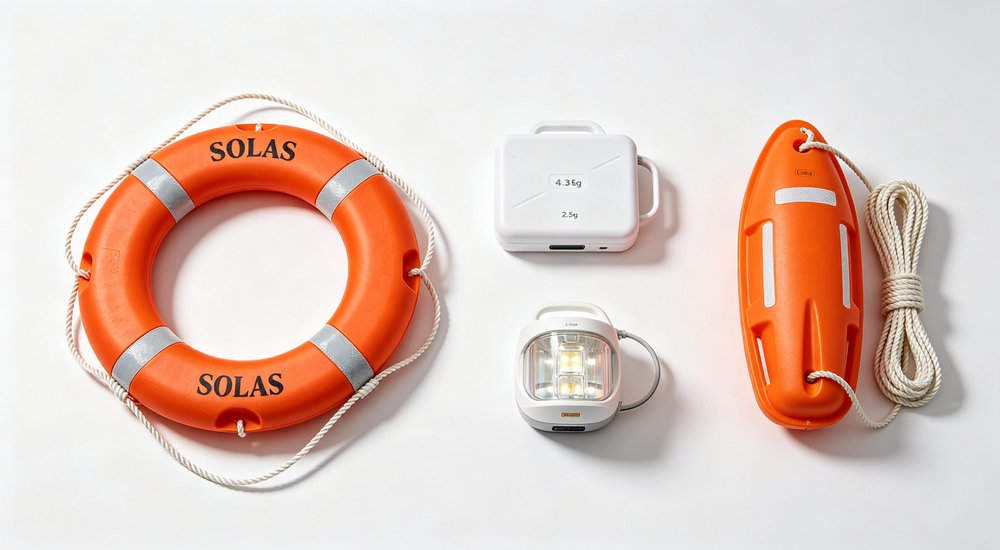
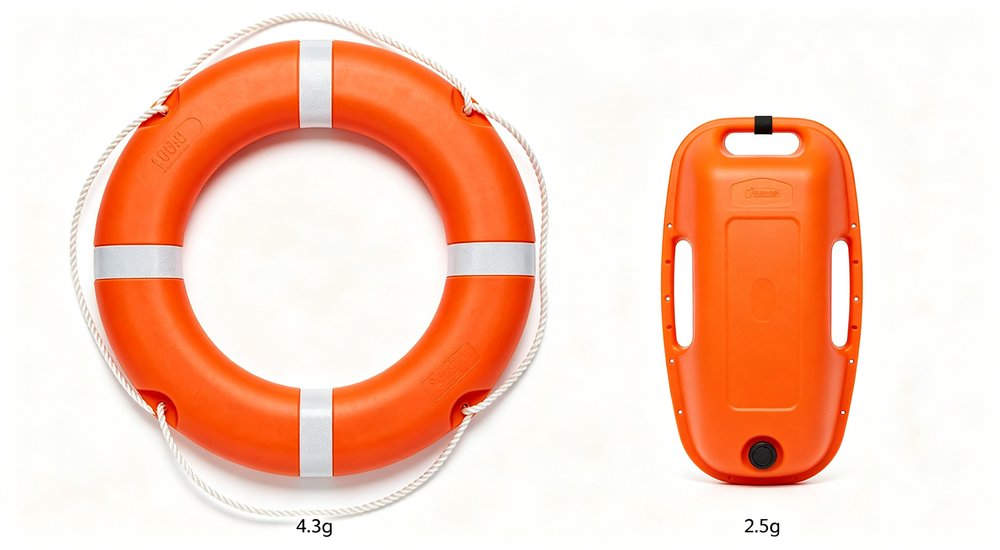
The 4.3kg standard SOLAS lifebuoy represents our flagship product, featuring a high-density polyethylene shell filled with closed-cell polyurethane foam that provides a minimum 14.5kg buoyancy rating. Every unit comes equipped with 360-degree retroreflective tape for maximum nighttime visibility, a durable grab rope securely attached at four points, and optional water-activated LED self-igniting lights that activate automatically upon contact with water.
For vessels with limited storage space or weight restrictions, our 2.5kg compact rescue lifebuoy delivers certified 10kg buoyancy in a lightweight, space-efficient design. This model is particularly popular for yachts, sailing boats, inland waterway vessels, and recreational marine applications where full-size equipment may be impractical but safety compliance remains non-negotiable.
Specialized configurations include rope-attached throwing lifebuoys with 30m floating rescue lines for controlled retrieval, LED-equipped models for nighttime operations, and custom color options including international orange, white, red, and yellow. All products undergo rigorous quality inspection including buoyancy testing, shell integrity verification, retroreflective tape adhesion testing, and rope attachment strength testing before leaving our manufacturing facility.
As an experienced lifebuoy manufacturer and exporter serving clients across more than 50 countries, we offer comprehensive wholesale and bulk ordering options with competitive pricing, flexible MOQ requirements, and full OEM/ODM customization services including custom logo printing, private label packaging, and product configuration tailoring to meet specific regional regulatory requirements.
Whether you are outfitting a commercial cargo fleet, cruise ship, offshore platform, port facility, water park, beach lifeguard station, or flood rescue response team, our complete range of lifebuoy products and accessories ensures you have the right equipment for every application. Browse our full product range below to find the perfect solution for your specific safety requirements.
|
1. Lifebuoy Purchasing Navigation Guide |
13. Lifebuoy Applications & Use Cases |
|
2. Lifebuoy Models & Full Range |
14. Installation, Bracket & Maintenance Guide |
|
3. How to Choose the Right Lifebuoy |
15. Wholesale, Custom & OEM/ODM Lifebuoys |
|
4. 4.3kg SOLAS-Approved Standard Lifebuoy |
16. Packaging, Labeling & Delivery |
|
5. Lifebuoy Buoyancy Standards & Ratings |
17. Independent Lab Testing & Quality Verification |
|
6. 2.5kg Compact Rescue Lifebuoy |
18. Customer Deployment Cases |
|
7. LED Self-Igniting Light Lifebuoy |
19. Municipal & Government Public Works |
|
8. Rope-Attached Throwing Lifebuoy |
20. Certification Deep-Dive & Compliance |
|
9. SOLAS Lifebuoy Carriage Requirements |
21. Government Emergency Packaging |
|
10. Lifebuoy Throwing Techniques & Rescue Methods |
22. Technical Support & After-Sales |
|
11. Lifebuoy Materials & Manufacturing Process |
23. Lifebuoy / Life Ring / Rescue Buoy FAQ |
|
12. SOLAS, MED, CE & CCS Certifications |
24. Ready to Order? |
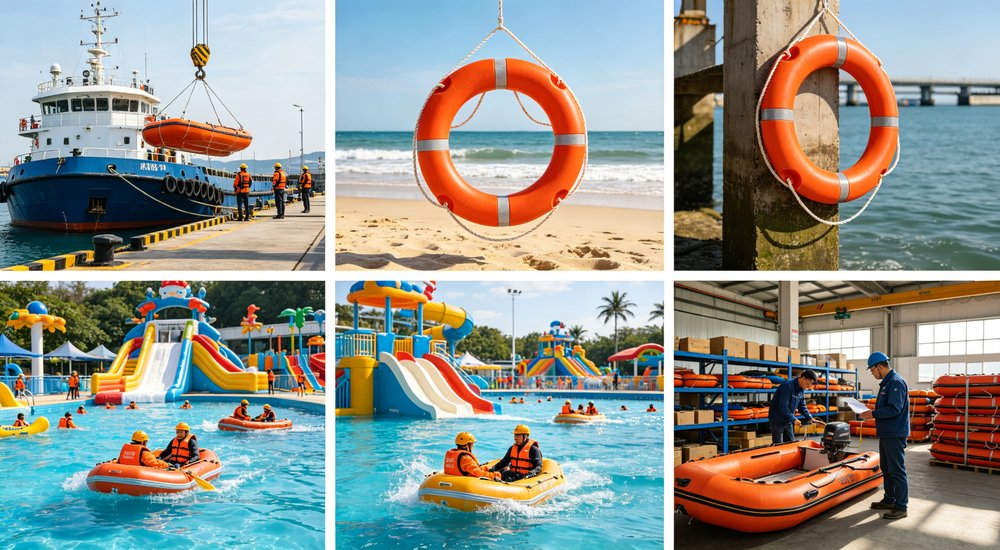
Selecting the right lifebuoy for your specific application requires understanding the different types available, their buoyancy ratings, certification requirements, and intended use scenarios, and choosing a supplier who keeps every model in certified stock. This navigation guide helps buyers quickly identify the most suitable life ring model for their needs.
Choosing the right lifebuoy starts with matching your deployment environment to the certified model that fits. This quick model selection table maps six common scenarios — from flood rescue operations and SOLAS-regulated vessels to docks, ports and swimming pools — against our recommended models, key features and required certification. Use it as a fast first step before requesting a quote, then confirm exact quantities with our supplier team for wholesale or bulk orders.
|
Application Scenario |
Recommended Model |
Key Features |
Certification |
|
Flood rescue operations |
4.3kg Standard + Rescue Rope |
High buoyancy, easy to throw |
SOLAS/MED |
|
Vessels (SOLAS) |
4.3kg SOLAS-Approved |
International maritime standard |
SOLAS/MED |
|
Dock & port safety |
4.3kg with LED Light |
Night visibility, easy location |
CE/ISO |
|
Water park & pool |
2.5kg Compact |
Lightweight, easy handling |
CE |
|
Coastal rescue stations |
4.3kg + LED + Rope |
Complete rescue set |
SOLAS/MED |
|
Institutional procurement |
Custom configuration |
Branded, bulk pricing |
As required |

Our complete lifebuoy product line covers all major types used in water rescue and maritime safety applications. Each model is engineered for specific use cases with consistent quality control and reliable performance.
Our product range spans five certified lifebuoy models so buyers can match weight, buoyancy and features to each vessel safety or marine safety project. This full range comparison table lists the 4.3kg standard, the lightweight 2.5kg compact, and LED-, rope- and combo-equipped versions side by side, with diameters, materials and certifications. As an established manufacturer, we keep these models ready for wholesale and bulk procurement, making it easy to standardize one SKU across an entire fleet.
|
Model |
Weight |
Buoyancy |
Outer Dia. |
Inner Dia. |
Material |
Certification |
Key Features |
|
LB-430 Standard |
4.3kg |
≥14.5kg |
710mm |
440mm |
foam lifebuoy HDPE + PE lifebuoy Foam core |
SOLAS/MED/CE |
Standard SOLAS model, reflective tape |
|
LB-250 Compact |
2.5kg |
≥8.0kg |
620mm |
380mm |
HDPE + PU Foam |
CE/ISO |
Lightweight, easy to throw |
|
LB-430-LED |
4.5kg |
≥14.5kg |
710mm |
440mm |
HDPE + PU Foam + LED |
SOLAS/MED/CE |
Self-igniting LED light, 2hr+ battery |
|
LB-430-ROPE |
5.0kg |
≥14.5kg |
710mm |
440mm |
HDPE + PU Foam + Rope |
SOLAS/MED/CE |
With 30m rescue throwing rope |
|
LB-430-COMBO |
5.2kg |
≥14.5kg |
710mm |
440mm |
HDPE + PU Foam + LED + Rope |
SOLAS/MED/CE |
Complete rescue set with LED and rope |
|
LB-FOAM-250 |
2.5kg |
≥8.0kg |
620mm |
380mm |
Solid PU Foam |
CE |
All-foam construction, no shell |
|
LB-INFLATABLE |
1.2kg |
≥10.0kg |
800mm (inflated) |
500mm |
TPU/Nylon |
CE |
Inflatable, buoy storage compact, auto/manual |

Selecting the appropriate lifebuoy for flood rescue operations is critical for ensuring effective and safe water rescue in emergency situations. Flood environments present unique challenges including fast-moving water, debris, limited visibility, and the need for rapid deployment.

Flood rescue teams face fast-moving, debris-filled water where the right equipment combination decides the outcome. This table recommends complete lifebuoy configurations — pairing the 4.3kg ring with a 30m rescue rope, LED light or both — for urban, rural, flash-flood, institutional and coastal flood rescue scenarios, with typical quantities per team. Buyers planning bulk institutional programs can use these figures as a baseline and adjust with our supplier to match local water conditions.
|
Rescue Scenario |
Recommended Configuration |
Quantity per Team |
Reason |
|
Urban flood rescue |
4.3kg + 30m rescue rope |
4-6 units |
High buoyancy, rope for victim retrieval |
|
Rural flood rescue |
4.3kg + LED light + rope |
3-4 units |
LED for nighttime operations, complete set |
|
Flash flood response |
2.5kg compact + 4.3kg standard |
2 compact + 4 standard |
Mix for different throwing distances |
|
Institutional rescue program |
4.3kg standard (bulk) |
50-200+ units |
Standardized distribution, lifebuoy cost-effective |
|
Coastal flood rescue |
4.3kg SOLAS + LED + rope |
6-8 units |
SOLAS-approved for maritime environments |
When comparing quotes from any lifebuoy supplier, it helps to sort options into three tiers. This makes it easier to match a rescue buoy to your budget and your regulatory duty.
Budget Tier (2.5kg compact life ring): the most cost-effective choice for swimming pools, water parks, small inland craft and low-risk dock walkways. It carries CE certification but is not a SOLAS marine lifebuoy. Best for buyers whose main duty is recreational water safety.
Standard Tier (4.3kg SOLAS lifebuoy): the workhorse for commercial vessel safety, port safety, coastal guard patrols and professional flood rescue. It meets SOLAS, MED and CE requirements with 14.5kg buoyancy. This is the default recommendation for most wholesale and government procurement orders.
Professional Tier (4.3kg + LED self-igniting light + 30m rescue rope + custom branding): the full configuration for night rescue, high-traffic harbors and emergency relief operations. It combines maximum visibility, retrieval capability and branded traceability for institutional buyers.
Most buyers start with the Standard Tier and upgrade specific high-risk positions (such as bridge wings, night docks and flood rescue depots) to the Professional Tier. Ask our sales team for a tiered quote.

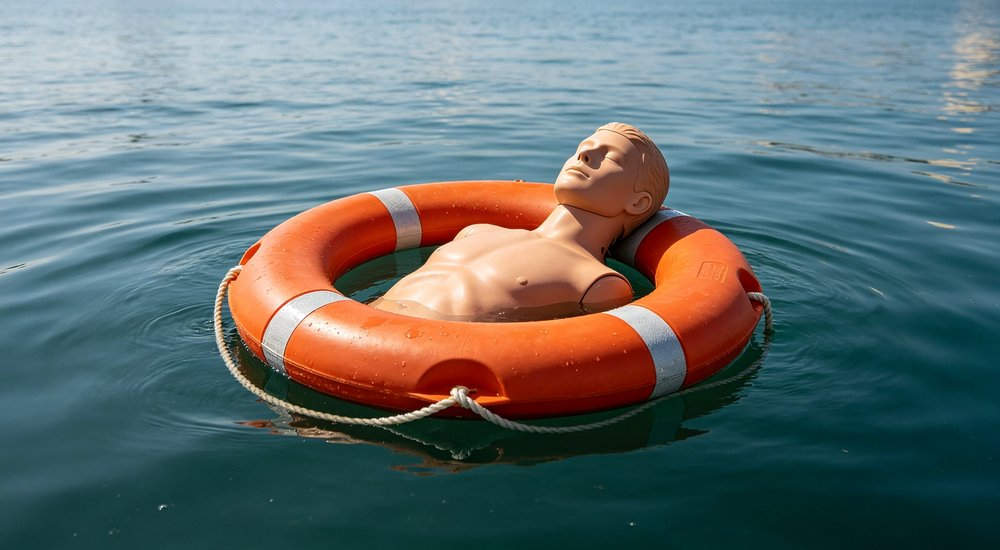
The 4.3kg SOLAS-approved standard lifebuoy is our flagship product and the most widely used model in professional water rescue, maritime safety, and flood rescue operations. This model meets the stringent requirements of the International Convention for the Safety of Life at Sea (SOLAS) and is certified under MED (Marine Equipment Directive) — our med certified lifebuoy products meet all MED requirements and CE standards.
Every retroreflective tape lifebuoy features 360-degree reflective material for maximum visibility under searchlight illumination.

The 4.3kg SOLAS standard lifebuoy is our flagship model, built to satisfy the most demanding international vessel safety requirements. This product specifications table details its total weight, buoyancy, dimensions, shell and foam materials, reflective tape and test values, each compared against the SOLAS minimum on the right. Marine safety buyers, fleet operators and government procurement teams rely on these exact figures when tendering certified SOLAS lifebuoy supply, so every parameter below is production-verified.
|
Parameter |
Specification |
Standard Requirement |
|
Model |
LB-430 Standard |
- |
|
Total Weight |
4.3kg ± 0.1kg |
≥4.3kg (SOLAS) |
|
Buoyancy |
≥14.5kg |
≥14.5kg (SOLAS) |
|
Outer Diameter |
710mm ± 10mm |
600-800mm (SOLAS) |
|
Inner Diameter |
440mm ± 10mm |
≥400mm (SOLAS) |
|
Cross-section Diameter |
135mm ± 5mm |
≥100mm (SOLAS) |
|
Shell Material |
High-Density Polyethylene (HDPE) |
Impact-resistant material |
|
Core Material |
Polyurethane (PU) Closed-Cell Foam |
Non-absorbent buoyancy material |
|
Color |
International Orange (standard) |
High-visibility color |
|
Reflective Tape |
4 strips SOLAS retro-reflective tape |
Night visibility requirement |
|
Operating Temperature |
-30°C to +65°C |
Suitable for all climates |
|
Service Life |
5-10 years (with proper maintenance) |
Regular buoy inspection required |
Understanding lifebuoy buoyancy standards is essential for selecting the appropriate product for your application. Different international standards specify minimum buoyancy requirements based on intended use, user weight, and environmental conditions.
Buoyancy is the core safety function of any life ring, and it is defined by different standards around the world. This comparison table explains how SOLAS LSA Code, MED, EN, US Coast Guard and ISO standards each set minimum buoyancy and weight thresholds, and which vessels or facilities they apply to. Understanding these ratings helps exporters choose the right certified lifebuoy for each market, whether supplying a SOLAS ocean-going vessel or a US coastal dock.
|
Standard |
Organization |
Min Buoyancy |
Typical Weight |
Application |
|
SOLAS LSA Code |
IMO lifebuoy standards by International Maritime Organization |
≥14.5kg |
≥4.3kg |
International vessels |
|
MED 96/98/EC |
European Union (Marine Equipment Directive) |
≥14.5kg |
≥4.3kg |
EU-flagged vessels |
|
EN 397 |
European Committee for Standardization (CEN) |
≥14.5kg (Type 1) |
≥4.3kg |
inland waterway lifebuoy standards for European inland and coastal waters |
|
USCG 160.050 |
US Coast guard lifebuoy standard |
≥15.5kg (Type IV) |
Various |
US vessels and facilities |
|
ISO 12402-7 |
International Organization for Standardization (ISO) |
≥100N (≈10.2kg) |
Various |
General water safety |
|
GB 4303-2008 |
China National Standard |
≥14.5kg (Type A) |
≥4.3kg |
China maritime and inland waters |
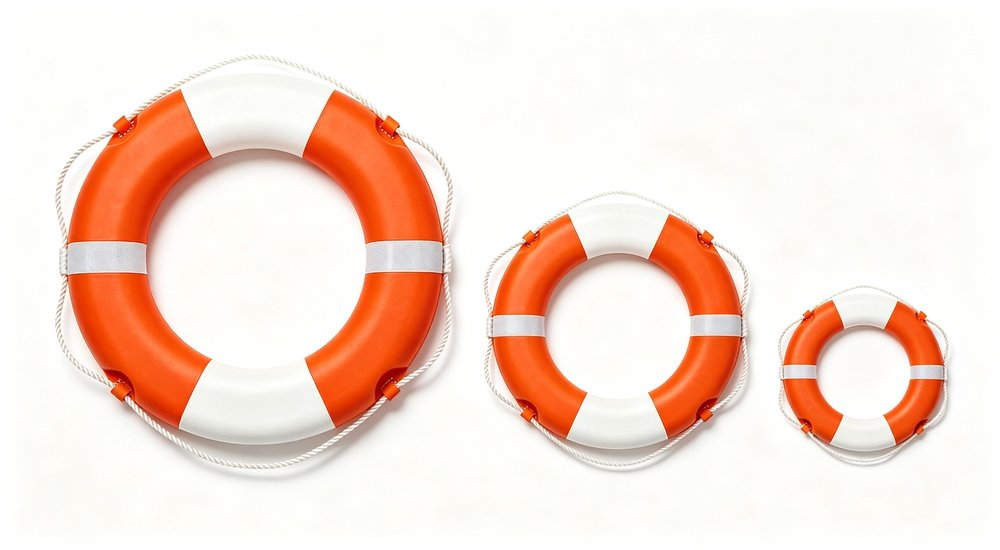
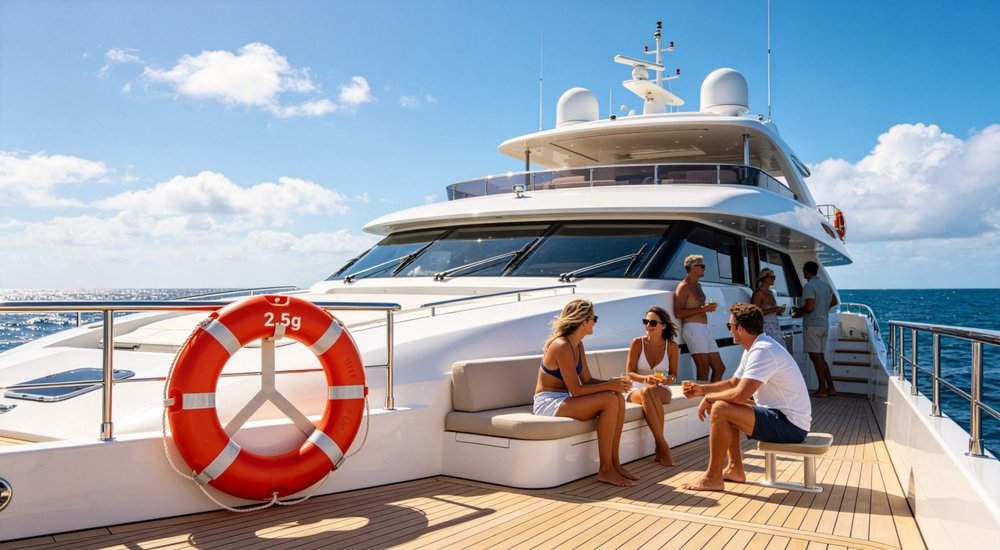
The 2.5kg compact rescue lifebuoy is a lightweight, easy-to-handle flotation device designed for applications where portability and rapid deployment are priorities. This cheap lifebuoy option, while not SOLAS ship lifebuoy approved for commercial vessels, this model is certified under CE and ISO standards and is widely used in water parks, swimming pools, recreational boating, and as backup rescue equipment.
The 2.5kg compact lifebuoy is ideal for small vessels and water sports facilities where storage space is limited.
Where storage space is tight and throw speed matters most, the 2.5kg compact lifebuoy delivers certified buoyancy at roughly half the weight. This product specifications table lists its compact dimensions, weight, PU foam core and CE/ISO certification in full. It is the standard choice for swimming pools, water parks, small recreational craft and secondary marine safety backup, and it can be ordered alongside our 4.3kg range for mixed fleet or bulk procurement.
|
Parameter |
Specification |
|
Model |
LB-250 Compact |
|
Total Weight |
2.5kg ± 0.1kg |
|
Buoyancy |
≥8.0kg |
|
Outer Diameter |
620mm ± 10mm |
|
Inner Diameter |
380mm ± 10mm |
|
Cross-section Diameter |
120mm ± 5mm |
|
Shell Material |
High-Density Polyethylene (HDPE) |
|
Core Material |
Polyurethane (PU) Closed-Cell Foam |
|
Color |
International Orange (standard), custom colors available |
|
Reflective Tape |
2-4 strips (optional) |
|
Certification |
CE, ISO 12402-7 |
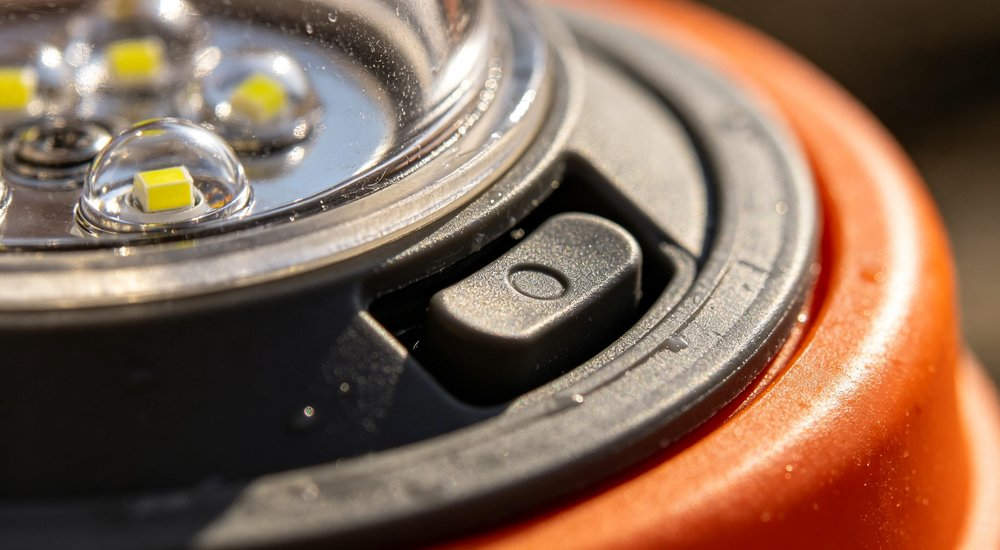
The LED self-igniting light lifebuoy combines the standard 4.3kg SOLAS-approved lifebuoy with an integrated water-activated (this water activated light system ensures automatic illumination) LED light, providing critical visibility for nighttime and low-light rescue operations. This model is essential for vessels, coastal rescue stations, and flood rescue teams that may operate during darkness or reduced visibility conditions.
Our led self-igniting lifebuoy automatically activates upon water contact, providing critical visibility in dark rescue conditions.

Most water rescues fail not for lack of flotation but because a victim cannot be seen in the dark. This product specifications table details our LED self-igniting lifebuoy, which activates automatically on water contact, including battery life, light output, housing and the combined 4.3kg weight with the light fitted. Coast guard patrols, port authorities and night flood rescue teams specify this model because it turns a throwable lifebuoy into a visible beacon after sunset.
|
Parameter |
Specification |
|
Model |
LB-430-LED |
|
Total Weight |
4.5kg ± 0.1kg (including light) |
|
Buoyancy |
≥14.5kg |
|
Outer Diameter |
710mm ± 10mm |
|
Inner Diameter |
440mm ± 10mm |
|
Shell Material |
High-Density Polyethylene (HDPE) |
|
Core Material |
Polyurethane (PU) Closed-Cell Foam |
|
LED Light Type |
Water-activated, self-igniting |
|
Light Color |
White (standard), flashing or steady |
|
Battery Life |
≥2 hours continuous (SOLAS requirement) |
|
Visible Distance |
≥2 nautical miles (clear conditions) |
|
Activation Method |
Automatic on water contact, manual override available |
|
Battery Type |
Lithium Manganese Dioxide (non-rechargeable) |
|
Shelf Life |
5 years (battery), 5-10 years (lifebuoy) |
|
Operating Temperature |
-30°C to +65°C |
|
Certification |
SOLAS, MED, CE |
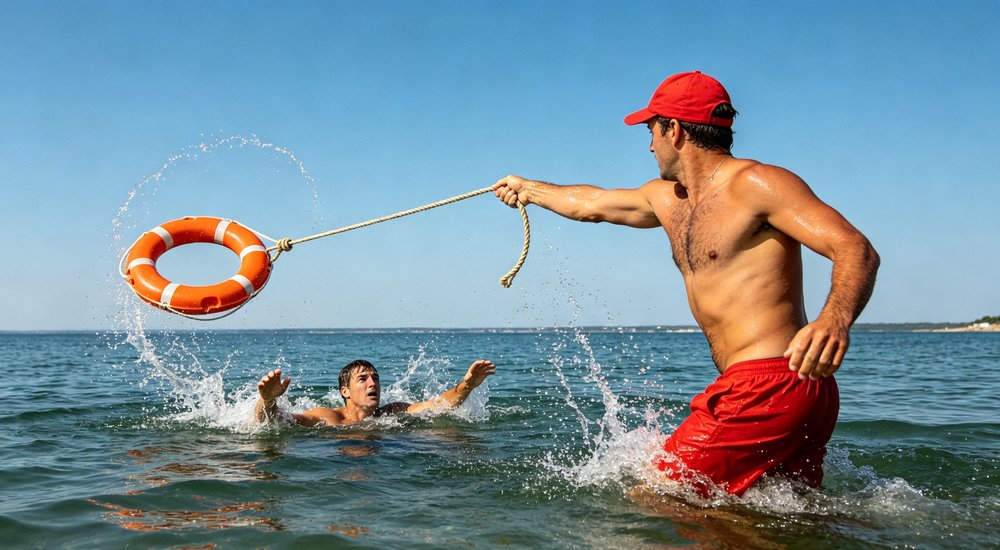
The rope-attached throwing lifebuoy integrates a 4.3kg SOLAS-approved lifebuoy with an attached 30-meter floating rescue rope, enabling rescuers to throw the lifebuoy to a victim and then pull them back to safety. This configuration is standard for flood rescue operations, shore-based rescue, and dock emergency response.
For comprehensive rescue capability, choose a buoy with light and rope configuration for both day and nighttime operations.
Mastering proper throwing technique is essential when using a rope attached lifebuoy, as the floating rescue rope must deploy cleanly without tangling during the throw. Practice with the actual rescue buoy you will deploy ensures muscle memory and consistent accuracy under real emergency conditions.
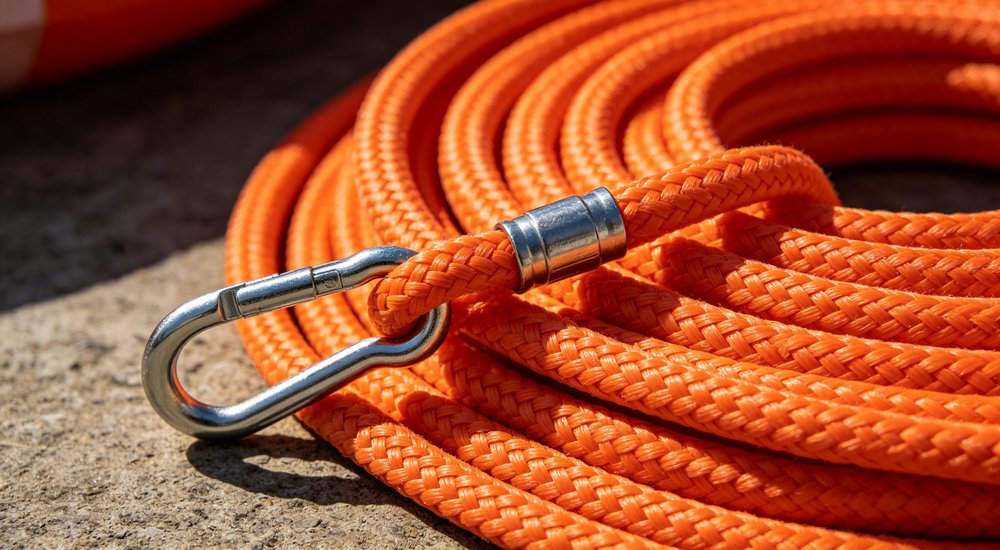
A floating rescue rope turns a single throwable ring into a two-way rescue system. This product specifications table lists our rope-equipped lifebuoy, including the 30m braided polypropylene floating line, metal end clip, total 5.0kg weight and SOLAS buoyancy rating. Flood rescue teams, dockside stations and shore-based lifeguards rely on this configuration to throw out and then pull a victim back, and it is one of our most frequently combined wholesale kits.
|
Parameter |
Specification |
|
Model |
LB-430-ROPE |
|
Total Weight |
5.0kg ± 0.2kg (including rope) |
|
Buoyancy |
≥14.5kg |
|
Outer Diameter |
710mm ± 10mm |
|
Inner Diameter |
440mm ± 10mm |
|
Shell Material |
High-Density Polyethylene (HDPE) |
|
Core Material |
Polyurethane (PU) Closed-Cell Foam |
|
Rope Length |
30m (standard), 20m/40m/50m available |
|
Rope Diameter |
8mm (standard), 6mm/10mm available |
|
Rope Material |
Polypropylene (PP) floating rope |
|
Rope Color |
Orange/White (standard), high-visibility colors available |
|
Rope Breaking Strength |
≥1500kg |
|
Rope Buoyancy |
Floats on water surface (polypropylene) |
|
Attachment |
Securely spliced or shackled to lifebuoy |
|
Storage |
Rope coiled in storage bag or bracket |
|
Certification |
SOLAS, MED, CE (lifebuoy); EN 1891 (rope) |
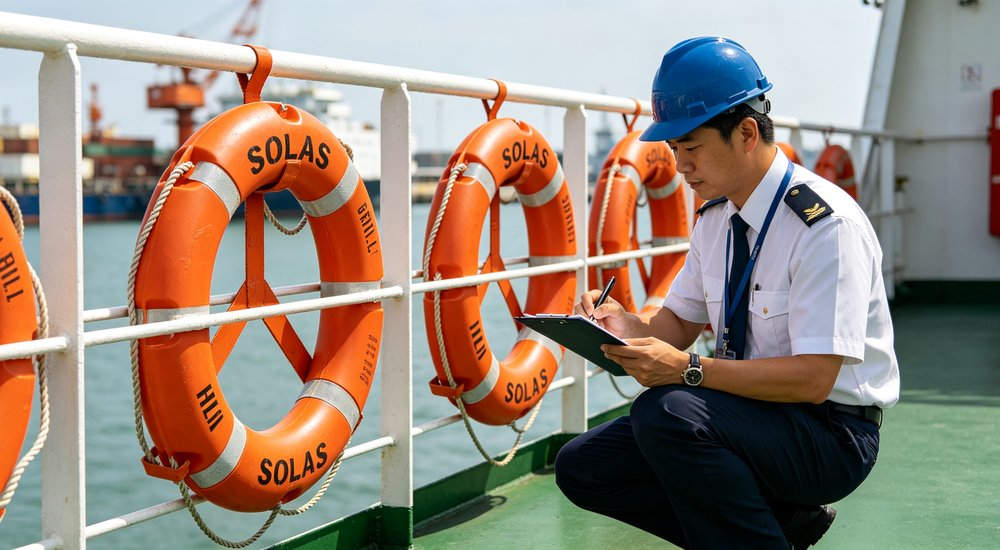
Understanding SOLAS lifebuoy carriage requirements is essential for vessel owners, ship managers, and maritime procurement officers who are accountable for vessel safety on every call. The International Convention for the Safety of Life at Sea (SOLAS) mandates specific quantities and configurations of lifebuoys based on vessel length and type. This section provides a complete guide to SOLAS requirements to help buyers ensure compliance and procure the correct equipment.
Understanding SOLAS lifebuoy requirements is essential for vessel compliance and passenger safety.
SOLAS Chapter III, Regulation 7.1 specifies the minimum number of lifebuoys required on board vessels based on length overall (LOA):
SOLAS regulation III/7.1 sets the minimum number of lifebuoys a vessel must carry, based on length overall (LOA). This table translates that rule into four easy bands — under 60m, 60–120m, 120–200m and 200m and above — and shows how many must also carry self-igniting lights and smoke signals. Vessel safety officers and ship owners use these figures to check compliance, while our supplier team quotes exactly the SOLAS-certified quantities for a new build or retrofit.
|
Vessel Length (LOA) |
Minimum Number of Lifebuoys |
With Self-Igniting Lights |
With Self-Activating Smoke Signals |
|
Under 60 meters |
8 |
At least half (4) |
2 (one on each side) |
|
60 meters to under 120 meters |
10 |
At least half (5) |
2 (one on each side) |
|
120 meters to under 200 meters |
12 |
At least half (6) |
2 (one on each side) |
|
200 meters and above |
14 |
At least half (7) |
2 (one on each side) |

Beyond the base count, SOLAS adds extra lifebuoy requirements for specific vessel types. This table lists what passenger ships, cargo ships, tankers, offshore units and fishing vessels must additionally carry — such as fire-resistant rings or rescue quoits near fast-craft stations. Marine safety consultants and ship outfitters use it to avoid under-specifying a tender, and it pairs directly with the vessel safety planning our manufacturer team supports on every bulk order.
|
Vessel Type |
Additional Lifebuoy Requirements |
|
Passenger ships |
Additional lifebuoys may be required based on passenger capacity; lifebuoys must be distributed on all open decks accessible to passengers |
|
Cargo ships |
Standard SOLAS requirements apply; lifebuoys on deck both sides and stern |
|
Tankers |
Additional fire-resistant lifebuoys may be required for certain areas |
|
Offshore lifebuoy units |
Lifebuoy requirements based on unit type and number of personnel; MODU Code applies |
|
Fishing vessels |
Regional regulations apply; Torremolinos Protocol for fishing vessels ≥24m |
|
High-speed craft |
HSC Code applies; lifebuoy requirements may differ based on craft category |
Many flag states impose additional requirements beyond SOLAS minimums. Buyers should consult the specific flag state administration for their vessel to ensure full vessel safety compliance. Common additional requirements include:
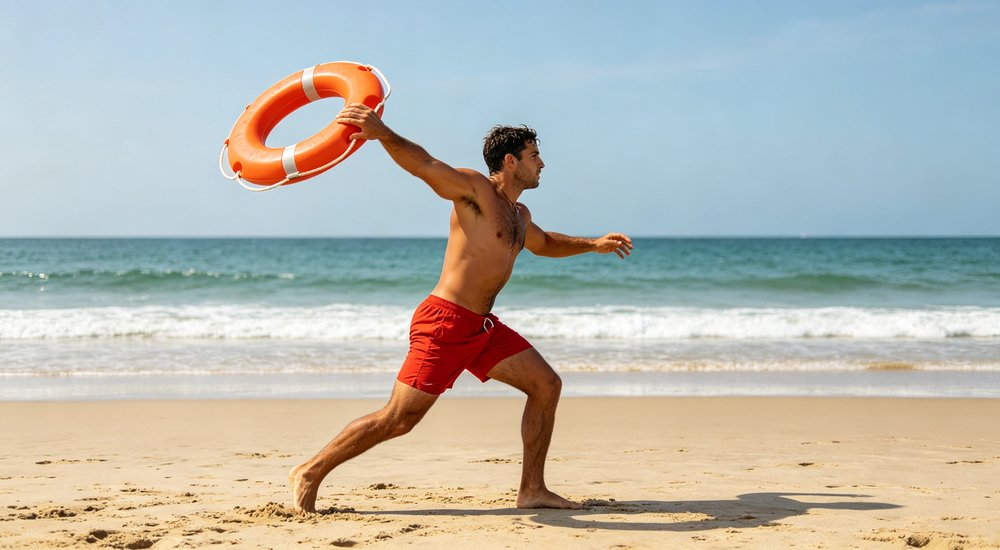
Proper lifebuoy throwing techniques and rescue methods are critical for effective water rescue and for reinforcing vessel safety during man-overboard drills. Even the highest-quality lifebuoy is ineffective if the rescuer cannot accurately deploy it to a victim in the water. This section provides complete guidance on lifebuoy throwing techniques, rescue methods, and safety considerations for professional rescuers and first responders.
The overhand throw is the most common and accurate technique for distances up to 20-25 meters:
The sidearm throw is useful for low ceilings, confined spaces, or when throwing from a seated position:
The underhand throw is ideal for short distances (under 10 meters) and for placing the lifebuoy gently near a victim:
Throwing distance is a skill, and technique must change as the gap to the victim grows. This table matches throwing distance bands (0–10m, 10–20m, 20–30m and 30m+) to the recommended underhand, sidearm or overhand technique, with tips for wind and accuracy. It is a practical training aid for flood rescue teams, lifeguards and port staff, and pairs naturally with a buoyant rescue rope so a 4.3kg ring can be retrieved rather than lost.
|
Distance |
Recommended Technique |
Tips for Accuracy |
|
0-10 meters |
Underhand or sidearm |
Gentle throw, aim slightly short to avoid hitting victim |
|
10-20 meters |
Overhand |
Standard technique, aim slightly upstream of victim in moving water |
|
20-30 meters |
Overhand with full body rotation |
Maximum power, account for wind and current drift |
|
30+ meters |
Overhand with run-up (if space) |
Consider using a throwing bag or line gun for very long distances |
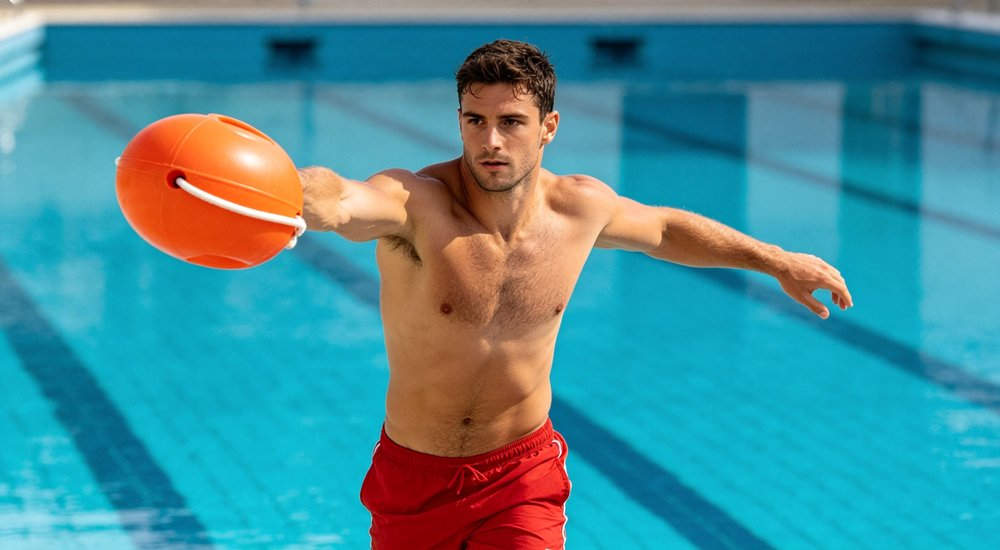
Even a correctly specified lifebuoy fails in the field when thrown badly. This table turns common throwing errors — aiming straight at the victim, tangled rope, mistimed release, poor follow-through or over-fast pulling — into the underlying problem and a simple correction. Rescue instructors, coast guard teams and flood rescue trainers use it as a quick card during drills, because a rescue rope handled steadily is what actually brings a victim back to the bank.
|
Mistake |
Problem |
Correction |
|
Throwing directly at victim |
Lifebuoy may hit and injure victim; misses in current |
Throw slightly upstream/short of victim, let it drift to them |
|
Not coiling rope properly |
Rope tangles during throw, lifebuoy doesn't reach target |
Coil rope in figure-8 pattern, hold coils loosely in non-throwing hand |
|
Releasing too early or late |
Lifebuoy goes too high or too low, misses target |
Release at 45-degree angle, practice release timing |
|
Not following through |
Reduced accuracy and distance |
Continue arm motion toward target after release |
|
Pulling rope too fast |
Victim loses grip, rope may burn hands |
Pull steadily, hand-over-hand, maintain constant tension |
|
Standing on unstable surface |
Rescuer may fall into water |
Ensure stable footing, use safety harness if on elevated position |
|
Not communicating with victim |
Victim may not see lifebuoy or know what to do |
Shout clear instructions: "Lifebuoy coming! Grab it! Hold on!" |
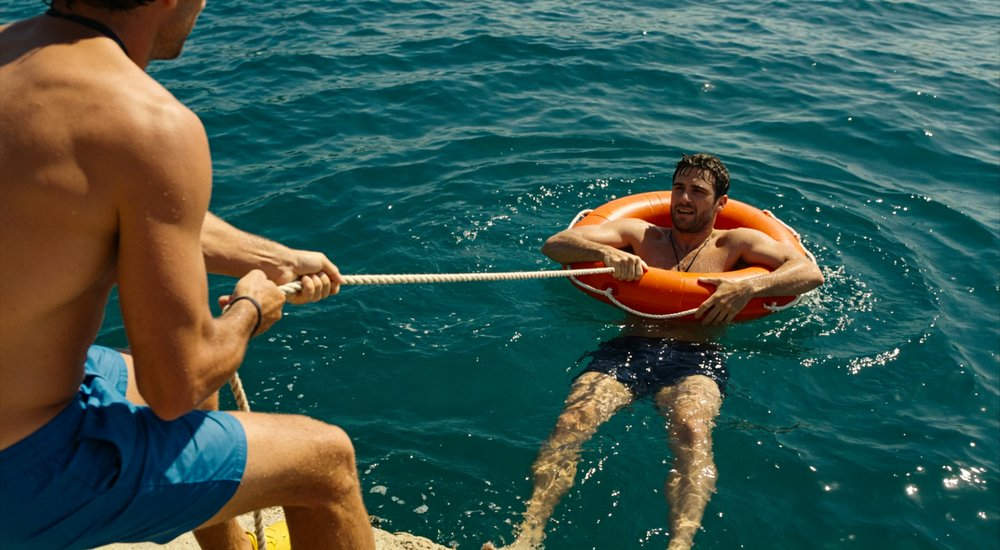
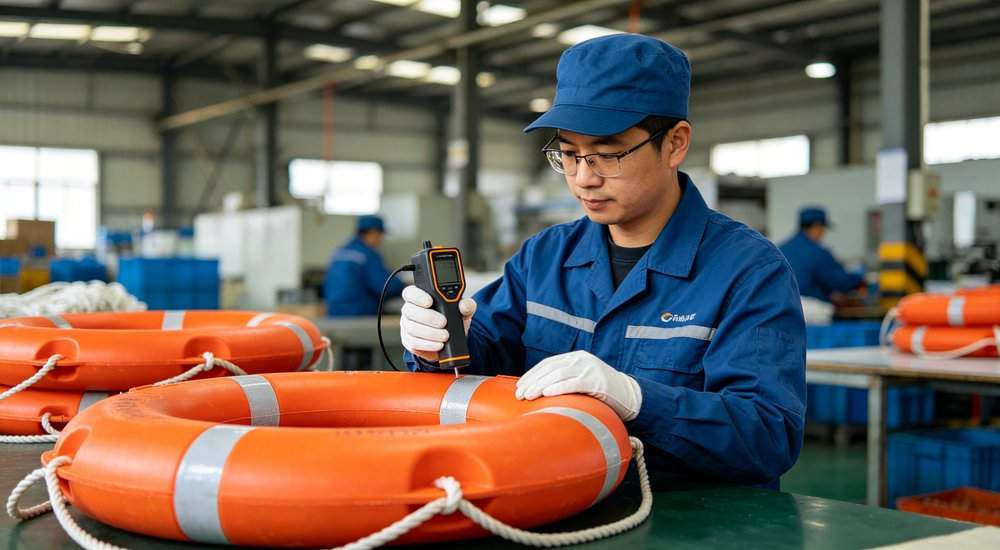
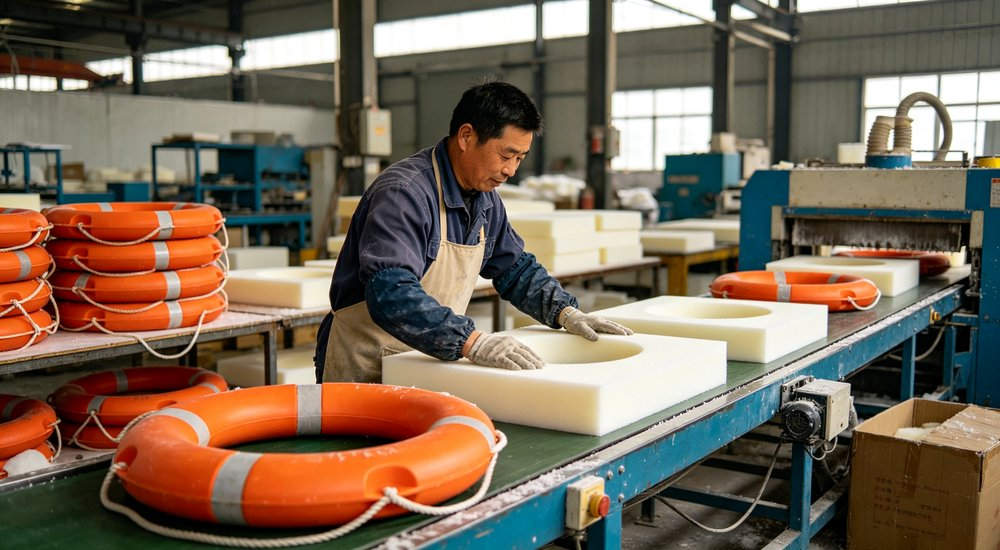
With over 20 years of manufacturing experience in China, YRF Textile has refined the lifebuoy production process through continuous innovation, strict quality control, and deep understanding of materials science. Our lifebuoys are manufactured using premium materials to ensure durability, buoyancy, and reliable performance in the most demanding conditions.
Our closed cell foam lifebuoy construction ensures consistent buoyancy even if the outer shell is punctured or damaged.
The durable hdpe lifebuoy shell protects the internal foam core from UV damage, impact, and prolonged water exposure.

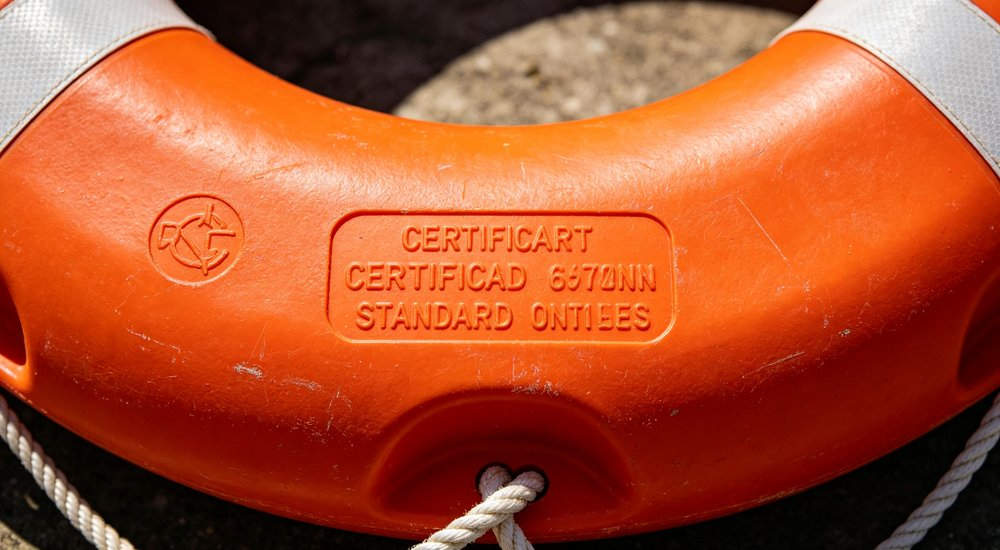
Our lifebuoys are manufactured to the most stringent international safety standards, ensuring buyers receive products that meet or exceed regulatory requirements for maritime safety, flood rescue, and water rescue applications. We maintain complete certification documentation and batch traceability for all products.
Lifebuoys are versatile water safety devices used across a wide range of applications and industries. Understanding the specific requirements of each application helps buyers select the most appropriate lifebuoy model and configuration.

Complete your lifebuoy rescue equipment inventory with matching brackets, cabinets, lights, and floating rescue ropes.
Public facilities must maintain adequate water safety lifebuoys at all waterfront locations to meet regulatory requirements.

Keep an emergency rescue lifebuoy readily accessible at all dockside, poolside, and vessel locations for immediate response, supporting vessel safety at every quay and pontoon.
The professional rescue lifebuoy series includes heavy-duty models with enhanced buoyancy ratings for challenging sea conditions.
Professional marine rescue lifebuoy models are designed for fast deployment by coast guard, naval, and commercial rescue teams, a core element of coordinated vessel safety programs.

Flood rescue is one of the most demanding applications for lifebuoys, requiring products that can perform reliably in fast-moving, debris-filled water during emergency situations.
When floodwaters rise, responders need a standardized kit rather than a single ring. This table recommends which lifebuoy models — the 4.3kg SOLAS ring, rope version, LED version, 2.5kg compact and COMBO — suit a rescue team, and in what quantities. It is built for disaster relief agencies, municipal emergency services and government buyers planning bulk stock, showing how each model fills a different night-vision, buoyancy or portability gap.
Product
Why Suitable
Quantity per Team
4.3kg SOLAS lifebuoy
High buoyancy supports adults in heavy clothing; durable HDPE shell withstands debris impact
4-6 units
4.3kg with rescue rope
Complete rescue system — throw to victim, pull back to safety
3-4 units
4.3kg with LED light
Essential for nighttime and low-light rescue operations
2-3 units
2.5kg compact
Lightweight backup, easy for all team members to throw
2-3 units
4.3kg COMBO (LED + rope)
Complete rescue set for maximum capability
1-2 units

Vessels are required to carry approved lifebuoys as part of their life-saving equipment inventory under international vessel safety regulations. SOLAS specifies the number and type of lifebuoys required based on vessel length and type.
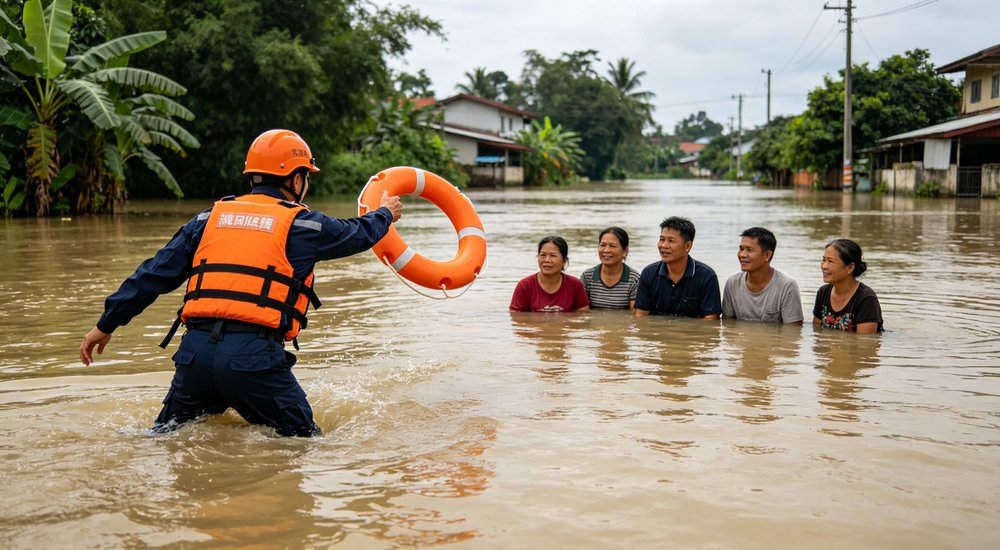
Docks and port facilities require lifebuoys for shore-based rescue operations, for vessel safety coverage alongside berthed ships, and for the safety of personnel working near the water. These applications typically involve fixed mounting points and regular inspection schedules.
Water parks, swimming pools, and recreational facilities require lifebuoys for lifeguard rescue operations and as safety equipment for patrons. These applications focus on ease of use, aesthetics, and cost-effectiveness.

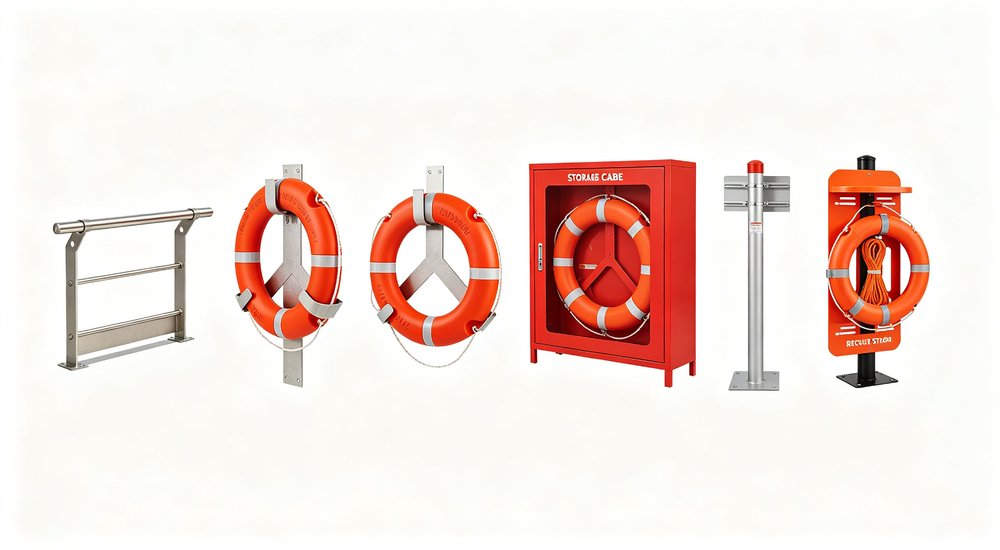
Proper installation location selection, bracket choice, and maintenance are critical for ensuring lifebuoys are readily accessible and reliable in emergency situations and for upholding vessel safety standards on board. Unlike personal flotation devices that are worn, lifebuoys are fixed-position rescue equipment — their effectiveness depends entirely on being in the right place, properly mounted, and in good working condition. This comprehensive guide covers all aspects of buoy installation and maintenance.
A lifebuoy only saves a life if it is reachable in seconds. This table specifies where rings must be mounted on a vessel — port and starboard sides, stern, rescue boat station and passenger decks — along with distribution and height requirements. Ship masters, marine safety officers and dock engineers use it as a placement checklist, and it pairs with our mounting brackets so every SOLAS lifebuoy stays accessible and clearly marked.
Location
Requirements
Notes
Port side (left)
Evenly distributed along entire length
At least 1 near stern on port side
Starboard side (right)
Evenly distributed along entire length
At least 1 near stern on starboard side
Stern
At least 1 lifebuoy near stern
Person overboard recovery area
Rescue boat station
1 lifebuoy with 30m retrieval line
Near rescue boat embarkation station
Passenger decks
Distributed on all open decks accessible to passengers
Additional lifebuoys for passenger ships
Bridge wings
1 lifebuoy each side (recommended)
Quick access for watchkeepers
The bracket decides how fast a lifebuoy can actually be deployed. This table compares six common mount types — rail, wall, quick-release, storage cabinet, post and complete rescue station — by description, best use, advantages and maintenance points. Vessels, ports, docks and public waterfronts each suit a different bracket, and as a manufacturer we supply the matching marine safety hardware so a certified lifebuoy never has to be improvised onto a rail.

|
Bracket Type |
Description |
Best For |
Advantages |
Considerations |
|
Rail Mount Bracket |
U-shaped or C-shaped bracket that clamps onto vessel rails |
Vessels, ships, boats |
Easy installation, no drilling, adjustable position |
Ensure rail diameter matches bracket size; check tightness regularly |
|
Wall Mount Bracket |
Flat bracket mounted to walls, pillars, or dock structures |
Docks, ports, facilities, pool areas |
Secure mounting, suitable for fixed locations |
Use appropriate fasteners for mounting surface; ensure structural support |
|
Quick Release Bracket |
Bracket with quick-release mechanism allowing one-handed deployment |
High-risk areas, rescue stations, vessel decks |
Rapid deployment in emergencies |
Test release mechanism regularly; ensure no accidental release |
|
Storage Cabinet |
Weatherproof cabinet housing lifebuoy and accessories |
Outdoor locations, docks, coastal areas |
Weather protection, theft prevention, organized storage |
Ensure cabinet can be opened quickly in emergency; check regularly |
|
Post Mount Bracket |
Bracket designed for mounting on vertical posts or poles |
Dock edges, beach buoy stations, waterfront promenades |
Elevated position, good visibility |
Ensure post is structurally sound; mount at correct height |
|
Rescue Station |
Complete station with lifebuoy, rope, ladder, first aid, and signage |
High-traffic waterfront areas, ports, recreational areas |
Complete rescue equipment in one location, clearly marked |
Regular inspection of all components; replace expired items |
Brackets and cabinets must survive the same corrosive air as the lifebuoy itself. This material selection table compares 316 and 304 stainless steel, galvanized steel, UV-stabilized plastic and fiberglass by properties, best application and upkeep. Saltwater coast guard stations choose marine-grade 316, while freshwater docks and indoor pools can safely use lower-cost 304 or plastic — a detail buyers often ask our supplier team about before a bulk bracket order.
|
Material |
Properties |
Best For |
Maintenance |
|
Stainless Steel (316 marine grade) |
Excellent corrosion resistance, high strength, durable |
Marine vessels, coastal docks, saltwater environments |
Wipe clean with fresh water; inspect for corrosion periodically |
|
Stainless Steel (304) |
Good corrosion resistance, cost-effective |
Freshwater docks, indoor pools, general use |
Regular cleaning; may show corrosion in saltwater |
|
Galvanized Steel |
Good strength, zinc coating for corrosion protection, economical |
General purpose, freshwater, temporary installations |
Inspect zinc coating; touch up chips and scratches promptly |
|
Heavy-Duty Plastic (UV-stabilized) |
Lightweight, corrosion-proof, low maintenance, cost-effective |
Pool areas, water parks, freshwater docks |
Inspect for UV degradation; replace if brittle or cracked |
|
Fiberglass (for cabinets) |
Weatherproof, corrosion-resistant, durable, customizable |
Outdoor storage cabinets, coastal locations |
Wipe clean; inspect for cracks or UV damage |
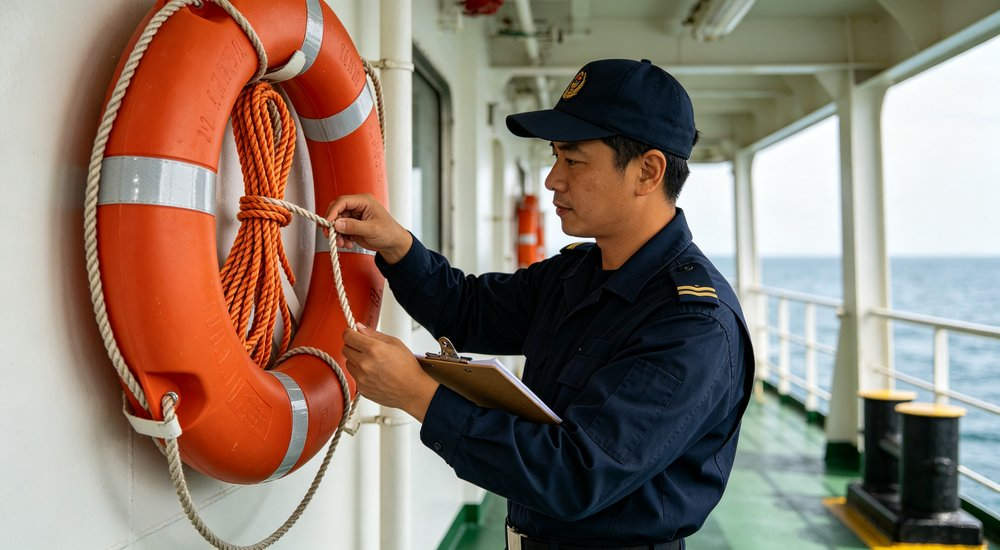
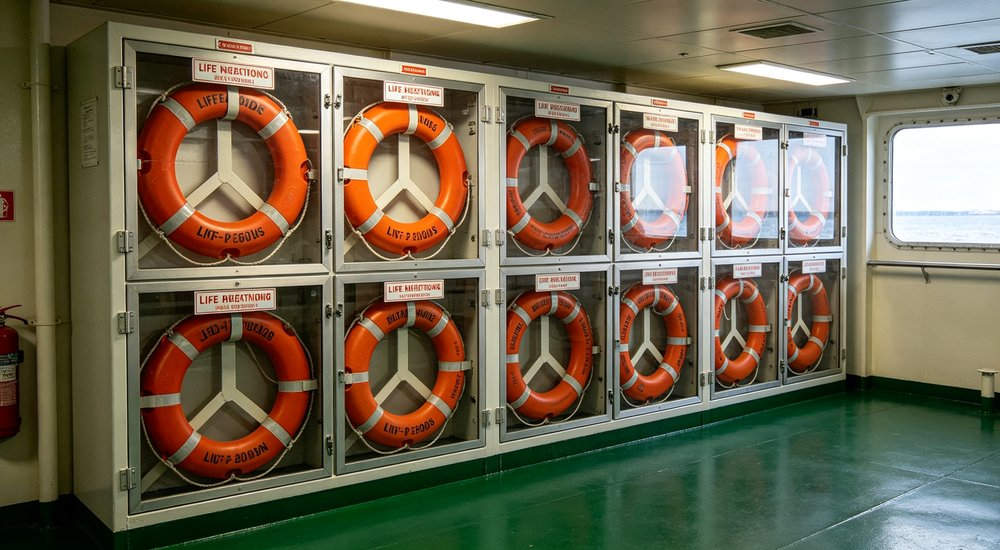
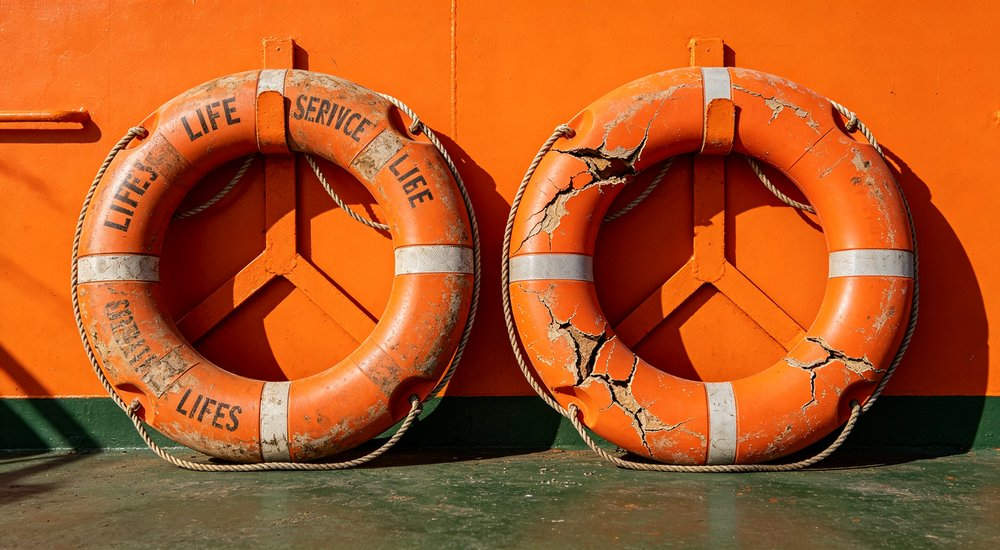
A buoy should be replaced when any of the following conditions are observed:
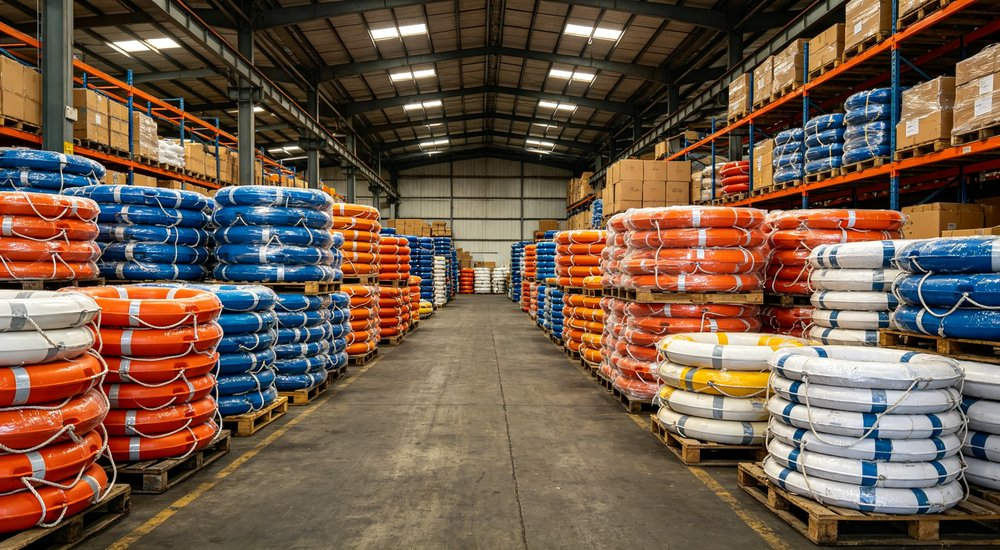
As a professional lifebuoy manufacturer with over 20 years of experience, YRF Textile offers comprehensive wholesale, bulk, custom, and OEM/ODM services for buyers worldwide. Whether you are a distributor, retailer, government agency, NGO, or institutional buyer, we provide flexible ordering options, competitive pricing, and customized solutions to meet your specific requirements.
Many buyers ask what makes a factory direct supplier different from a trading company. At YRF Textile, every lifebuoy, life buoy and life ring is produced in our own facility: we buy HDPE resin in bulk, mold the shell, inject expanded polystyrene foam, fit the polypropylene grab rope, apply reflective tape and assemble the LED self-igniting light in-house.
As a direct manufacturer and wholesale supplier, we quote factory direct pricing without middleman margins. This is why ship owners, coastal guard procurement teams, port authorities and emergency relief agencies choose us as their long-term lifebuoy supplier for repeat frame agreements and emergency relief stockpile tenders.
Whether you need a single sample, a water park rollout or a national government procurement program, our supplier team handles your inquiry directly. We are the manufacturer behind every life ring and rescue buoy we ship from China.
These water rescue lifebuoys are specifically designed for fast-response emergency situations.
Our lifebuoys wholesale program includes flexible MOQ options and competitive factory-direct pricing.
we are a trusted lifebuoy ring supplier serving maritime safety markets worldwide.
As an experienced lifebuoy ring manufacturer with over 20 years of production expertise.
We also support bulk lifebuoys orders with volume pricing tiers.
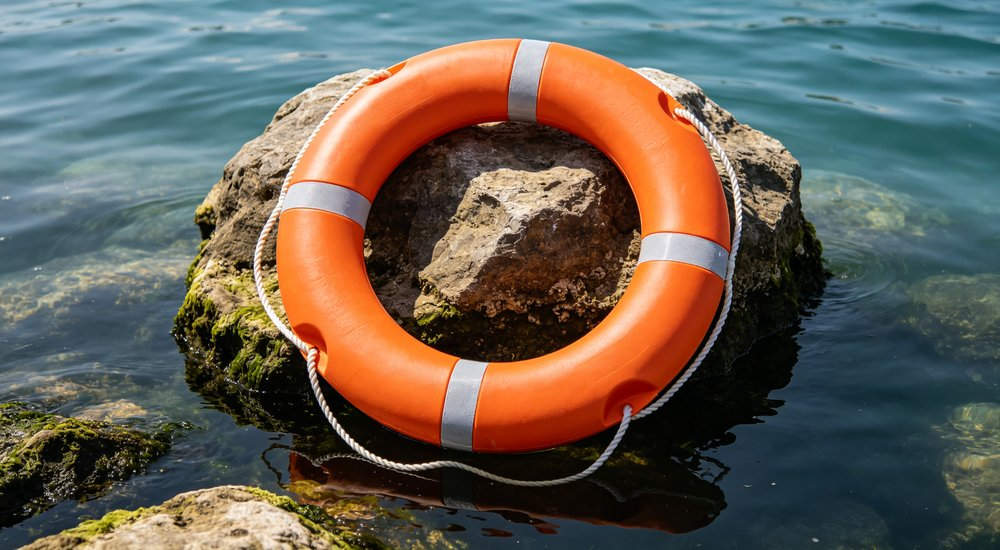
We scale pricing and lead time to order size so buyers of every volume get a fair deal. This order quantity tier table maps sample, small batch, wholesale, bulk and institutional tiers against quantity range, lead time, price level and customization depth. Whether you are a distributor testing the market or a government tender ordering 500+ certified SOLAS lifebuoys, our manufacturer team quotes a clear wholesale price and a realistic delivery window before production starts.
|
Order Tier |
Quantity |
Lead Time |
Pricing |
Customization |
|
Sample Order |
1-10 units |
3-7 days |
Sample price |
Limited (standard models only) |
|
Small Batch |
11-50 units |
10-15 days |
Small batch discount |
Branding available |
|
Wholesale |
51-200 units |
15-25 days |
Wholesale pricing |
Full customization available |
|
Bulk |
201-500 units |
25-35 days |
Bulk discount |
Full customization + dedicated support |
|
Institutional |
500+ units |
35-50 days |
Best institutional pricing |
Full customization + project management |

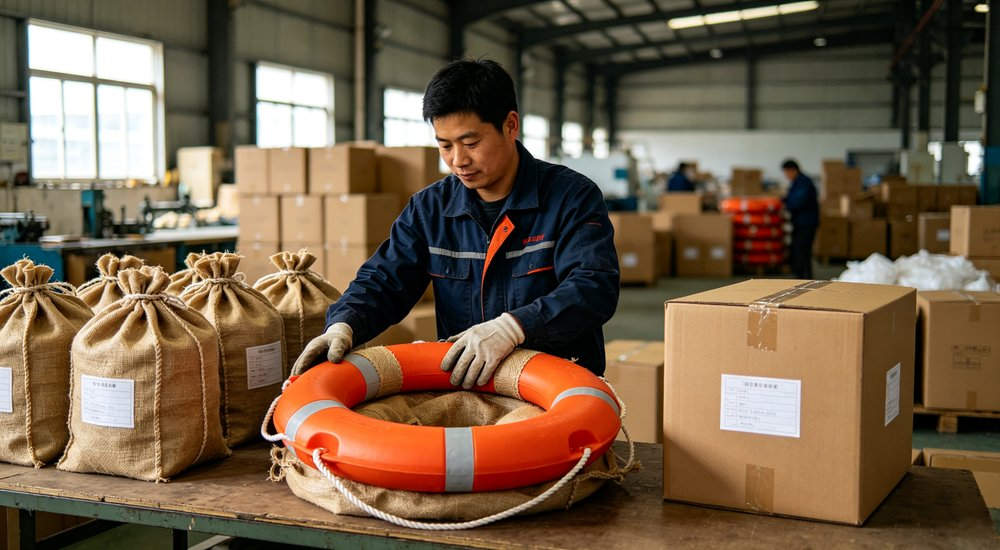
With over 20 years of lifebuoy export experience, YRF Textile has refined the packaging, labeling, and delivery processes for lifebuoy products shipped to global markets. We understand the importance of proper packaging to ensure products arrive in perfect condition, with all documentation required for customs clearance and regulatory compliance.
Packaging protects the lifebuoy across a long ocean voyage and decides how retail-ready it arrives. This table compares bulk carton packing, polybag, polybag with header card, color box and blister pack by description, best use and MOQ. Institutional bulk buyers usually choose the plainest carton option, while distributors and retail channels ask for branded header cards or color boxes — our manufacturer team prints logos under the same wholesale order.
Packaging Type
Description
Best For
MOQ
Bulk (no individual packaging)
Lifebuoys packed directly into cartons without individual wrapping
Institutional buyers, bulk orders, cost-sensitive
Standard
Polybag
Each lifebuoy individually wrapped in clear polybag
Distributors, retail-ready, dust protection
Standard
Polybag + Header Card
Polybag with printed header card containing product information
Retail display, branded products
100 units
Color Box
Individual printed carton with product images and specifications
Retail sales, gift market, premium products
200 units
Blister Pack
Clear plastic blister on cardboard backing
Retail display, hardware stores
500 units
Custom Packaging
Customer-designed packaging per specifications
Branded products, specific retail requirements
As specified

The right shipping method balances cost against urgency. This table compares sea freight FCL and LCL, air freight, express courier and rail freight by transit time, cost and best-fit order profile. Bulk and container loads go by sea to minimize per-unit cost, while samples and urgent flood relief consignments move by air or express. As an experienced China-based supplier, we handle export documentation and quote all options in one wholesale quotation.
Trade Terms
Shipping Method
Transit Time
Cost
Best For
Sea Freight (FCL)
15-35 days
Lowest per unit
Bulk orders, full container loads
Sea Freight (LCL)
20-40 days
Moderate
Smaller orders not filling a container
Air Freight
3-7 days
Higher
Urgent orders, small batches, high-value items
Express Courier
3-5 days
Highest
Samples, very small orders, urgent delivery
Rail Freight
15-25 days
Moderate
Landlocked countries, Europe/Asia routes

Before a lifebuoy leaves our factory, each batch goes through performance and durability checks designed to prove that the HDPE shell, expanded polystyrene foam core, polypropylene grab rope and reflective tape work together in real marine conditions.
The data below reflects the typical performance range of our 4.3kg SOLAS lifebuoy and 2.5kg compact life ring. As an experienced lifebuoy manufacturer, YRF Textile treats test evidence as part of the product, not as an afterthought.
Each sample is immersed in fresh water for the rated continuous period. The 4.3kg model is designed to provide not less than 14.5 kilograms of buoyancy and to retain over 95 percent of that value after prolonged immersion.
This ensures a fully clothed adult remains afloat in cold water, which is essential for vessel safety, flood rescue and coastal guard operations. The 2.5kg compact life ring delivers approximately 8.0 kilograms of buoyancy for pool and recreational use.
The HDPE outer shell is impact-tested at ambient and low temperature to confirm it resists cracking when dropped onto hard dock surfaces or knocked by vessel hulls.
This matters for flood rescue, where a rescue buoy can collide with floating debris, and for coastal guard operations in rough harbor conditions. A brittle shell would fail exactly when the unit is needed most.
Reflective tape and shell color are exposed to accelerated UV and salt spray cycles. Orange pigmentation and retro-reflective film are selected to retain high visibility and marking legibility across years of outdoor coastal protection service.
Consistent color and tape adhesion support port safety inspections, because a faded or peeling lifebuoy is treated as out of service even if its buoyancy is still intact.
Foam core and shell are checked at sub-zero temperatures to confirm the life ring remains flexible and buoyant in winter rescue operations.
Cold-water stability is critical for vessel safety on northern rivers, harbors and flood scenes during emergency relief missions. Buoyancy does not depend on water temperature when the foam core is correctly formulated.
Test reports are issued per production batch and can be supplied to buyers, third-party inspectors and government procurement tender evaluators. Specific test figures depend on model, order quantity and the testing standard invoked by the buyer.
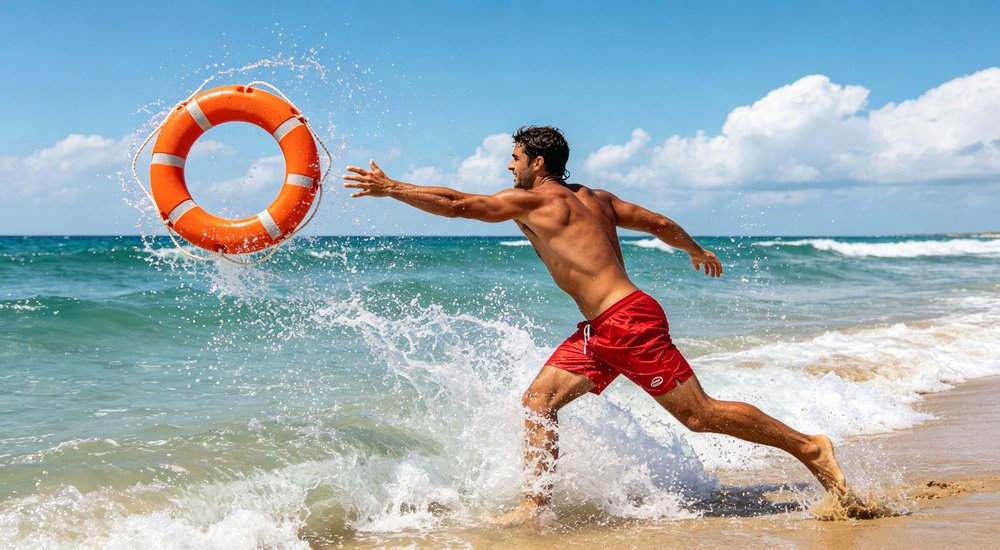
We do not disclose buyer names under confidentiality agreements, but the following representative deployment scenarios show how ship owners, port operators, water parks, rescue organizations and coastal guard programs actually use our lifebuoys.
As a wholesale lifebuoy supplier, we adapt packaging, labeling and documentation to each buyer's operating environment rather than forcing a one-size-fits-all spec.
A shipping company replaced life rings across a multi-vessel fleet ahead of a class survey. The tender called for 4.3kg SOLAS lifebuoys with self-igniting lights on half the units and rescue ropes on both sides of each vessel.
We supplied a mixed configuration packed by vessel and by deck position, which cut the crew installation time during drydock and reduced the number of missing-part reorders after sailing.
A port authority outfitted newly rebuilt quay walls, container terminal railings and ferry waiting areas with wall-mounted and railing-mounted brackets. The wholesale order covered several hundred lifebuoys.
The mix combined 4.3kg orange standard rings and 2.5kg white compact units for passenger walkways, with custom logo labels on every rescue buoy. Bulk pricing kept the project within the port safety budget.
An emergency relief agency pre-positioned life rings, rescue ropes and LED lights in regional disaster warehouses ahead of monsoon season. The order was packed in rapid-deployment cartons with bilingual labels.
This allowed local teams to distribute a complete throw kit without reworking packaging in the field, which is a practical benefit when flood water rises by the hour.
A coastal service operator equipped patrol boats, shore observation points and public access beaches with a combination of 4.3kg SOLAS lifebuoys and 30m floating rescue ropes.
Each unit was serialized with batch number, manufacturing date and certification marks to satisfy audit traceability for the coastal guard and its internal safety reviews.
A water park chain standardized on the 2.5kg compact white life ring for wave pools, lazy rivers and children's activity zones. The order included spare LED lights, quick-release brackets and custom color matching.
Bulk pricing per park location made the rollout budget predictable, and a common model across all sites simplified staff training and spare-parts stocking.
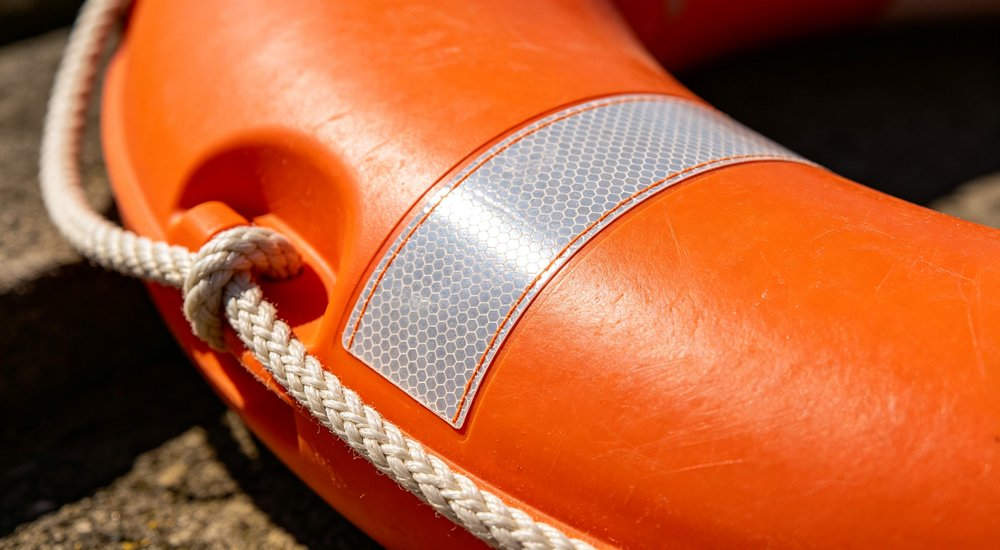
Beyond commercial shipping, our lifebuoys and life rings support public-sector water safety infrastructure. Municipal engineering teams and government procurement offices specify these rescue buoys where durable, audited equipment matters.
Newly built and rehabilitated port walls, ferry terminals and breakwaters require life rings mounted at regular intervals for dock safety. Wall brackets, quick-release cabinets and illuminated LED models are selected to match public access points.
These installations support coastal protection and public water safety, giving bystanders an immediate flotation device before professional rescue arrives.
City canal walks, retention ponds, stormwater outfalls and riverside promenades are common public works deployments. Compact 2.5kg life rings on pole brackets provide immediate throw capability.
The white or orange finish can be matched to municipal signage, and the lightweight ring is easy for public-works crews to service without heavy lifting equipment.
Municipal beaches, lakefront parks and reservoir viewing platforms install life rings with high-visibility backboards. These public installations support emergency relief by giving bystanders a first-response flotation device.
Wall-post brackets with quick-release pins are preferred at public beaches, because they prevent theft while letting anyone pull the ring free in seconds.
Public swimming pools, school aquatic centers and university water sports facilities specify CE-certified compact life rings. As a wholesale lifebuoy supplier, we support public tender packages with certification dossiers.
Factory-direct pricing helps government procurement offices stay within budget, while the ISO 9001 quality system keeps each batch consistent across multi-year framework agreements.
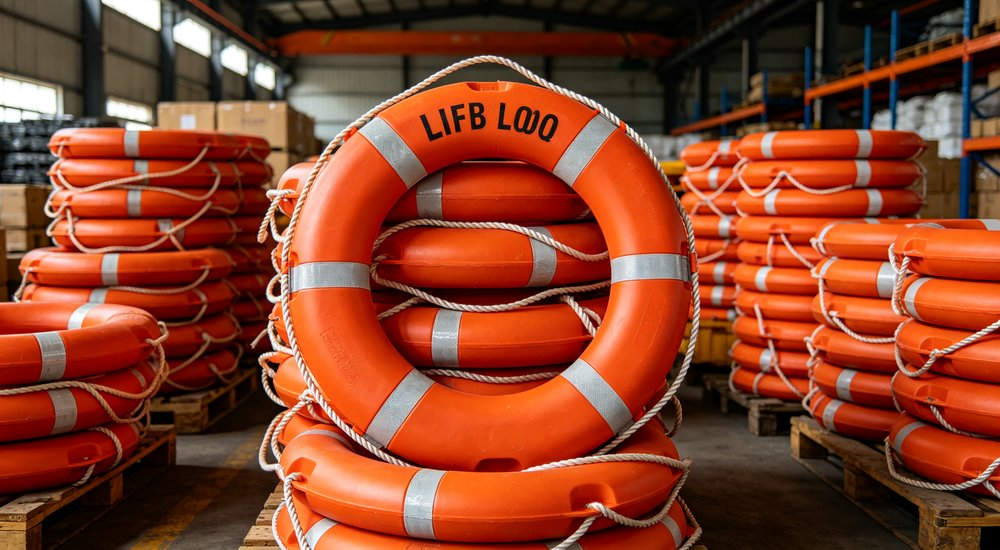
Buyers in marine safety, coastal guard and government procurement need to understand what each mark actually means. Below is a plain-language breakdown of the certifications carried by our 4.3kg SOLAS lifebuoy range.
The International Convention for the Safety of Life at Sea sets minimum life-saving appliance requirements on commercial vessels. SOLAS Chapter III and the LSA Code define a 4.3kg lifebuoy with minimum 14.5kg buoyancy.
They also define self-igniting light configuration and performance in fresh and salt water. Our standard range is type-approved against these requirements, which is why it is accepted on SOLAS flag vessels worldwide.
The Marine Equipment Directive (2014/90/EU) is the European Union's type approval scheme for marine equipment sold on EU flag ships. The MED wheel mark on the shell confirms that a Notified Body tested the lifebuoy.
Without the MED mark, equipment cannot be lawfully used as required life-saving gear on an EU-flagged commercial vessel, regardless of where it was manufactured.
CE marking confirms the product meets applicable European health, safety and environmental protection standards. It is widely recognized by importers, port authorities and coastal guard procurement teams worldwide.
Even outside the EU, CE marking simplifies acceptance by showing that an independent conformity assessment has been completed under a recognized framework.
Our manufacturing runs under an ISO 9001 certified quality system. Incoming HDPE resin, foam core production, assembly, testing and packaging are documented processes with traceability.
As a manufacturer, this is how we keep wholesale orders consistent across batches, so a 2026 order looks and performs like a 2024 order from the same lifebuoy supplier.
Independent SGS or equivalent third-party laboratory reports can accompany orders for buoyancy, shell strength and materials composition. These reports are commonly requested in government procurement tenders and emergency relief contracts.
They give tender evaluators an external reference point beyond the manufacturer's own factory test records, which shortens technical-question rounds.
Emergency relief stockpiles and government procurement orders have packaging requirements that differ from normal retail shipments. Our export packing is engineered around rapid deployment, moisture protection, clear labeling and customs clearance.
Each life ring is individually bagged before carton packing to protect the reflective tape, LED light contacts and printed markings from humidity during ocean transit.
Desiccants are added for long inland warehouse storage, which matters for emergency relief agencies that keep lifebuoys on the shelf for years before they are deployed.
Lifebuoys are nested or stacked on export pallets with corner boards and stretch wrap. We optimize carton dimensions and pallet layout to maximize container loading, which lowers freight cost per unit.
This engineering step is one of the reasons factory-direct wholesale pricing stays competitive across large government procurement volumes.
For flood relief and emergency relief clients we can assemble a field pack: one 4.3kg lifebuoy, one 30m rescue rope and one LED self-igniting light in a single labeled carton.
Local rescue teams can deploy the kit without sorting individual components on site, which is valuable in the first hours of a flood event when time is critical.
Labels can carry client logo, model code, batch number, manufacturing date, certification marks and language-specific safety text. We supply commercial invoice, packing list, certificate of origin and all product declarations.
This means customs clearance and government procurement inspection move without delay, and the receiving warehouse can put each carton straight onto the shelf with the right paperwork attached.
Choosing a lifebuoy supplier is only the first step. Reliable after-sales support matters across a 5 to 10 year service life, especially for vessel fleets, port authorities and coastal guard programs.
Our sales and engineering team helps buyers match model to application: 4.3kg SOLAS for commercial vessel safety, 2.5kg compact for pools and small craft, LED light models for low-light docks, rope-attached units for shore rescue. As your supplier, we confirm every selection against your flag state and operational profile before the quote is issued.
We translate carriage requirements from SOLAS, class society or local port code into a concrete equipment list, so buyers do not over-buy or under-buy.
We issue inspection certificates, batch traceability records and re-order specifications. For class society audits and coastal guard inspections, we can provide the exact documentation set the surveyor expects for each model year.
Spare LED lights, batteries, replacement ropes, reflective tape and brackets are kept as long-service consumables. Repeat orders use the same specification so mixed fleet inventory stays compatible.
This continuity matters for multi-vessel operators and for government procurement offices that run the same rescue buoy spec across several installations.
Buyers work directly with our manufacturing team rather than through layers of traders. This shortens quotation cycles, makes OEM and ODM customization realistic, and keeps wholesale pricing transparent.
Whether your project is a single sample, a water park rollout or a national emergency relief stockpile, we treat it as a direct manufacturer relationship built to last the life of the equipment.
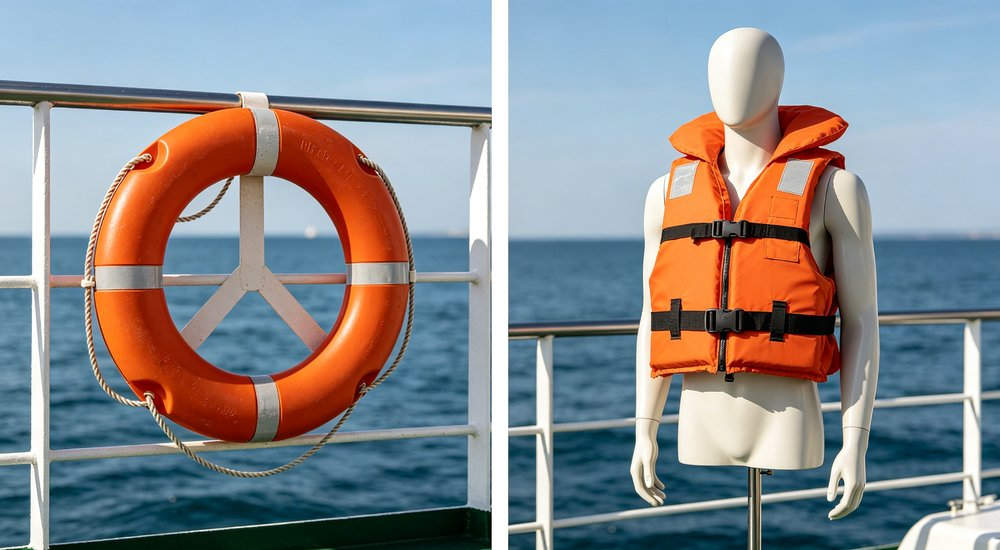
A lifebuoy is a ring-shaped flotation device designed to be thrown to a person in the water, while a life jacket is a wearable vest that provides continuous flotation. Lifebuoys are ideal for quick-response rescue, while life jackets are required for prolonged water exposure.
This comprehensive Frequently Asked Questions (FAQ) section addresses the most common questions from buyers, distributors, and end users regarding lifebuoy products, specifications, certifications, applications, and procurement. If you have additional questions not covered here, please contact our sales team for personalized assistance.

Q1: What is the difference between a lifebuoy, life ring, and rescue buoy?
A: These terms are often used interchangeably, but there are subtle distinctions in marine safety vocabulary.
Lifebuoy: the standard international term for a ring-shaped flotation device thrown to a person in the water. It usually refers to SOLAS-approved marine lifebuoys used on commercial vessels.
Life Ring: a common alternative term, especially in North America and recreational contexts. Pool rescue rings and water park rings are often sold as life rings.
Rescue Buoy: a broader term that may include lifebuoys, rescue tubes, throw bags and torpedo buoys. In professional rescue it refers to ring-shaped devices built for demanding conditions.
At YRF Textile we use these terms interchangeably for our ring-shaped flotation products, and each model's specifications are clearly stated on its label and packing list.
Q2: What buoyancy rating do I need for my application?
A: The required buoyancy depends on your application and regulatory environment.
SOLAS Vessels: minimum 14.5kg buoyancy, provided by the 4.3kg lifebuoy, is required by international maritime regulations for commercial vessel safety.
Flood rescue and docks: 14.5kg buoyancy is recommended for professionals, because a fully clothed adult in fast-moving water needs a strong safety margin.
Water parks and pools: 8.0kg buoyancy from the 2.5kg compact lifebuoy is usually sufficient under lifeguard supervision. This 2.5kg lifebuoy is the standard pool-side rescue ring. Recreational boating depends on vessel type and local rules.
When in doubt, choose higher buoyancy. It gives a greater safety margin and works across a wider range of user sizes and conditions.
Q3: Are your lifebuoys SOLAS-approved?
A: Yes. Our 4.3kg standard lifebuoy models meet SOLAS Chapter III and the LSA Code. Each SOLAS-approved life ring ships with a Type Approval Certificate from a recognized Notified Body.
Included documents are the MED wheel mark, CE marking, ISO 9001 quality certificate and SGS test reports for buoyancy and materials. These are the standard papers a coastal guard or flag state surveyor expects.
Our 2.5kg compact models carry CE and ISO certification for recreational and pool use, but they do not meet SOLAS requirements for commercial vessels, which need the 4.3kg weight and 14.5kg buoyancy rating.
Q4: How many lifebuoys required on ship or vessel or facility?
A: The number depends on vessel type, facility size and applicable regulation.
SOLAS vessels by length: under 60m need at least 8 lifebuoys; 60-120m need 10; 120-200m need 12; 200m and above need 14. At least half must carry self-igniting lights.
Two lifebuoys must carry self-activating smoke signals, one on each side. Rope-attached units are placed at stairways, embarkation decks and bridge wings for quick reach.
Docks and ports: local port authority or coastal guard codes set dock safety spacing, usually one rescue buoy every 30 to 50 meters along public access railings.
Always consult your classification society or maritime safety regulator for the exact count applicable to your vessel or facility before placing a wholesale order.
Q5: What is the service life of a lifebuoy?
A: Service life depends on usage, maintenance and environmental exposure.
With proper care, a lifebuoy typically lasts 5 to 10 years. Indoor, UV-protected storage may extend life beyond 10 years. Constant outdoor sun, saltwater and frost can shorten it.
Replace the life ring immediately if the HDPE shell cracks, the polystyrene foam core absorbs water, the grab rope frays, or buoyancy drops below the rated value, regardless of age.
We recommend a formal inspection and replacement schedule so that vessel safety, port safety and coastal protection programs remain compliant year after year.
Q6: Can damaged lifebuoys be repaired?
A: Minor damage may be repairable, depending on type and extent.
Repairable: light surface scratches, small dents, peeling reflective tape and loose labels can be addressed by cleaning, tape replacement or surface touch-up.
Non-repairable: cracks or holes in the HDPE shell, water in the foam core, structural deformation or loss of buoyancy mean the rescue buoy must be retired.
On commercial vessels any repair should be documented and may require re-certification. Always follow manufacturer guidance and regulatory requirements before returning a unit to service.
Q7: What is the minimum order quantity (MOQ) for custom lifebuoys?
A: MOQ depends on the level of customization requested.
Standard off-the-shelf: no MOQ. Sample orders of 1 to 10 units are accepted so buyers can inspect quality before a wholesale commitment.
Single-color logo: MOQ 50 units. Multi-color printing or Pantone color match: MOQ 200 units. Custom retail packaging: MOQ 200 to 500 units.
Government procurement, emergency relief and sample-test programs may qualify for smaller quantities with setup fees. Contact our sales team to discuss your specific requirement.
Q8: How do I properly maintain and inspect my lifebuoys?
A: Regular inspection protects lifebuoy reliability and extends service life.
Before each use: visually check the shell, confirm the unit is accessible, test the rope attachment and briefly test the LED light if fitted.
Weekly and monthly: do a deeper visual check, clean with fresh water after salt exposure, verify weight and check battery expiry. Log each inspection.
Annual: use the manufacturer checklist to inspect reflective tape integrity, buoyancy retention and bracket tightness. Replace the life ring on any sign of damage.
We supply inspection checklists and maintenance logs for institutional buyers such as port authorities and coastal guard programs.
Q9: Can lifebuoys be used for flood rescue in fast-moving water?
A: Yes, when used correctly. The recommended model is the 4.3kg SOLAS lifebuoy with a 30m rescue rope.
Its high buoyancy supports an adult wearing heavy clothing, and the HDPE shell resists impact with floating debris common in flood relief scenarios.
Throw the ring from a stable position such as a boat, rooftop or riverbank. Never enter fast-moving water yourself to make a rescue.
For professional emergency relief teams we recommend a mix of 4.3kg lifebuoys with ropes and LED lights, plus personal flotation devices for the rescuers themselves.
Q10: Do you provide samples before bulk orders?
A: Yes. Standard lifebuoy models are available for sample shipment within 3 to 7 days.
Usually 1 to 5 units are sent per sample order at sample pricing. The sample cost may be credited against a future bulk order, which is negotiable.
Custom logo or custom color samples require 10 to 20 days and a sample fee, because they involve setup and Pantone matching on the production line.
Samples let buyers confirm buoyancy, shell finish, reflective tape and certification marks before committing to a wholesale or government procurement order.
Q11: When should I choose a lifebuoy vs. a life jacket (PFD)?
A: Lifebuoys and life jackets serve different roles and are usually deployed together.
Choose a lifebuoy when you need a throwable rescue device for shore or boat rescue, fixed dock or vessel deck equipment, or SOLAS carriage compliance.
Choose a life jacket when a person must wear continuous flotation over long exposure, such as deck crew, children on a boat, or swimmers in open water.
Lifebuoys are throwable rescue devices; life jackets are wearable personal flotation devices. Most marine safety programs, including coastal guard and port safety setups, carry both.
Q12: What are the proper lifebuoy throwing techniques?
A: Good throwing technique directly affects rescue outcome.
Overhand throw (10-25m): grip the ring, swing back and up, rotate the hips, release at 45 degrees and follow through toward the victim.
Underhand throw (under 10m): face the target, hold the ring at your side, swing forward and upward, and release with a smooth, controlled motion.
Sidearm throw: use this in confined spaces where an overhand swing would hit a railing or cabin structure.
Aim one to two meters upstream of the victim to compensate for current, and make sure the rescue rope pays out freely. We recommend all potential users practice under trained supervision.
Q13: What documentation is provided with each order?
A: Every order ships with a full compliance and customs documentation set.
Commercial documents: commercial invoice, detailed packing list, ocean bill of lading or sea waybill, and certificate of origin as required.
Product compliance: SOLAS Type Approval Certificate, MED Declaration of Conformity, CE Declaration, ISO 9001 quality certificate and SGS test reports.
For government procurement, emergency relief tenders and coastal guard frame agreements, we can additionally supply third-party inspection certificates and a tender technical dossier in the format your evaluators require.
Buyers searching Google for this equipment use several overlapping terms. When you work with YRF Textile as your lifebuoy supplier, the same factory-direct life ring ships regardless of which term you type: lifebuoy, life buoy, life ring or rescue buoy all describe our ring-shaped flotation products.
Whether your project calls for marine safety equipment, vessel safety compliance, port safety upgrades, coastal guard procurement, coastal protection infrastructure or emergency relief stockpiles, we quote one consistent wholesale program. Contact our manufacturer team for a tailored offer.
Buyers who source our lifebuoy (life ring / rescue buoy) also strengthen their water safety program with these complementary flood and marine safety products from the YRF Textile range:
Lifebuoys rarely travel alone in a water safety program. This table shows complementary products buyers typically add — personal flotation for crew, flood control sandbags for barriers, rain coats and boots for rescue teams, and rescue ropes and brackets for each ring. Typical stock ratios help wholesalers and government buyers budget a complete marine safety kit rather than piecemeal purchases. Contact our manufacturer team to bundle these into one consolidated wholesale order.
|
Related Product |
Why Purchase with Lifebuoys |
Typical Ratio |
|
Life Jackets (PFDs) |
Personal wearable buoyancy for crew, passengers and rescue personnel |
1 PFD per person + throwable life ring for rescue |
|
Flood Control Sandbags |
Barrier and diversion stockpiles for coastal protection and emergency relief |
1 pallet of sandbags per flood rescue depot |
|
Waterproof Rain Coats |
Outer wear for rescue teams, port crews and coastal guard operations |
1 rain coat per rescue operative |
|
Safety Rain Boots |
Non-slip flooded-ground footwear for vessel decks, docks and disaster sites |
1 pair per operative |
|
Rescue Ropes & Brackets |
30m floating rescue rope and quick-release mounting hardware |
1 rope and 1 bracket per lifebuoy |
|
LED Spare Lights & First Aid Kits |
Replacement self-igniting lights and complete rescue station supplies |
10-20% spare lights, 1 kit per station |
Need a full marine safety package? As your dedicated lifebuoy supplier and wholesale manufacturer, we can quote combined lifebuoy, life jacket, sandbag, rain coat and rain boot orders in a single container for government procurement and emergency relief stockpiles.
Contact us today to discuss your life buoy requirements and get a competitive quotation. Our experienced sales team is ready to assist with product selection, customization options, certification questions, and order planning. Whether you need a single sample or a large institutional order, we are committed to providing quality products, reliable service, and competitive pricing.
Why buyers choose YRF Textile: we are a factory-direct lifebuoy manufacturer, not a reseller. As your dedicated lifebuoy supplier, we control HDPE shell molding, foam core filling, rope assembly, reflective taping and final buoyancy testing under one roof. Every life ring and rescue buoy ships from our own production floor with full certification, the result of working with a vertically integrated supplier rather than a middleman.
Serving every channel: ship owners, coastal guard agencies, port authorities, water parks, NGOs, flood relief teams and government procurement offices rely on us as their long-term wholesale supplier. Send your specification sheet to our sales team and receive a factory-direct quotation within 24 to 48 hours.
One supplier, complete water safety range: pair your life buoy order with life jackets, flood control sandbags, waterproof rain coats and safety rain boots to build a single-container emergency relief kit. Our export team consolidates mixed product lines so customs, packing and shipping stay simple.
 Flood Control Life Buoy Dense Foam Water Rescue
The Flood Control Life Buoy features high-density solid foam filling with premium Oxford cloth covering, specifically designed for flood control emergency operations. Three sizes 52/60/72cm outer diameter provide 8/15/18kg buoyancy, suitable for 25-90kg individuals. Ultra-light design weighing only 0.21-0.43kg for quick deployment by flood control personnel. Blue-white, orange-white, red-white, camouflage color options, high visibility design ensures clear visibility in turbid waters. Suitable for reservoir discharge, urban flooding, river overflow and other flood control disaster scenarios, providing professional flood rescue equipment for water conservancy, emergency, and fire departments.
 Flood Control Life Buoy Multi-Color 8-18kg Buoyancy
This professional flood rescue life buoy features solid high-density foam filling with waterproof Oxford cloth covering, providing 8-18kg buoyancy, UV protection, anti-oxidation, and impact resistance. Available in blue-white, orange-white, red-white, and camouflage colors, with 27-44cm inner diameter and 52-72cm outer diameter to meet various weight requirements. Ideal for flood control, disaster rescue, and water safety protection, providing reliable water rescue support for firefighters, maritime services, and military teams.
 Disaster Rescue Life Buoy for 25-90kg Weight Range
The Disaster Rescue Life Buoy features high-density solid foam filling with durable Oxford cloth covering, supporting rescue for 25-90kg individuals. Three sizes with outer diameters of 52cm/60cm/72cm provide 8kg/15kg/18kg buoyancy, lightweight and portable at just 0.21kg-0.43kg. Blue-white, orange-white, red-white, and camouflage stripe designs offer high water visibility, ideal for flood rescue, emergency assistance, and disaster site water rescue for fire, water conservation, and maritime rescue departments.
 Emergency Rescue Life Buoy Three Sizes Lightweight
The Emergency Rescue Life Buoy features ultra-light design, three sizes weighing just 0.21-0.43kg for rapid deployment. Outer diameter 52-72cm, inner diameter 27-44cm, buoyancy 8-18kg, meeting 25-90kg weight requirements. High-density foam filling with Oxford cloth outer layer provides UV protection, anti-oxidation, and impact resistance. Blue-white, orange-white, red-white, camouflage color options, suitable for water emergency rescue, flood disaster response, and water safety assurance, essential equipment for fire, maritime, and armed police rescue teams.
 Fire Rescue Life Buoy Solid Durable Water Rescue
The Fire Rescue Life Buoy features high-density solid foam filling with abrasion-resistant Oxford cloth covering, providing 8-18kg buoyancy support for 25-90kg individuals. Three sizes, 52/60/72cm outer diameter, lightweight 0.21-0.43kg, easily carried by firefighters. Blue-white, orange-white, red-white, camouflage color options, easily identifiable in turbid waters, specifically designed for fire department water rescue, flood control operations, and disaster site life-saving scenarios, essential professional water rescue equipment for fire rescue teams.
Fire Rescue Life Buoy High-Density Foam Three Sizes
Professional flood control life buoy with high-density foam filling provides 8-18kg buoyancy support, with UV-protection and anti-oxidation treatment, pressure and impact resistance. Multiple eye-catching color designs for quick identification in water. Available in small (52cm), medium (60cm), and large (72cm) sizes, suitable for fire rescue, maritime rescue, and flood control professional rescue scenarios, supporting water rescue for personnel of different weights from 25-90kg.
Copyright © Custom Disaster - Relief Bedding: Tents, Sleeping Bags, Blankets All Rights Reserved
the professional team to service !


