


High-performance flame resistant fabrics including Nomex, Kevlar, PBI and meta aramid. Matched moisture barrier, thermal liner and 3M reflective tape. NFPA 1971 compliant, good flame resistance and abrasion for turnout gear and wildland suits.
Note: Price for reference only. Exact price based on quantity, size, weight and custom details.
model no. :
XFF-29Brand:
YRFmarket price :
$119.8sale price :
$59.9price range :
30-100/$59.9Color :
Multiple Colorsport of dispatch :
Guangdong/GuangzhouPayment :
TT, Paypal, Western Unionmin order :
30original region :
Made in ChinaLead Time :
5-15days
Firefighter Gear Fabric Comparison for Turnout Suit
Selection
Turnout gear fabric decides survival time, comfort and cost. This firefighter gear fabric comparison covers Nomex, Kevlar, PBI outer shells, thermal liners and moisture barriers for structural turnout gear performance.
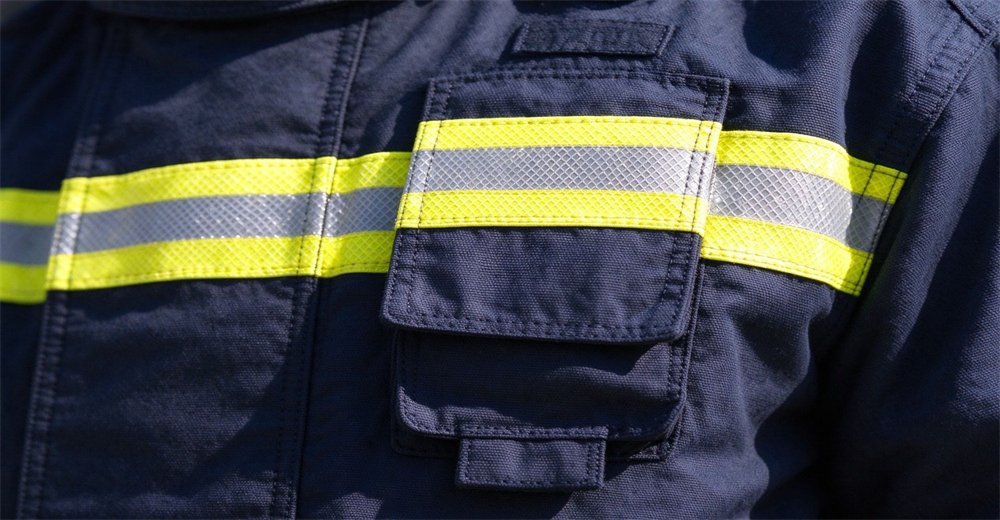


Understanding turnout gear fabric options is essential for every department. This firefighting suit material guide breaks down every layer, helping buyers compare Nomex, Kevlar, PBI, and GORE-TEX.
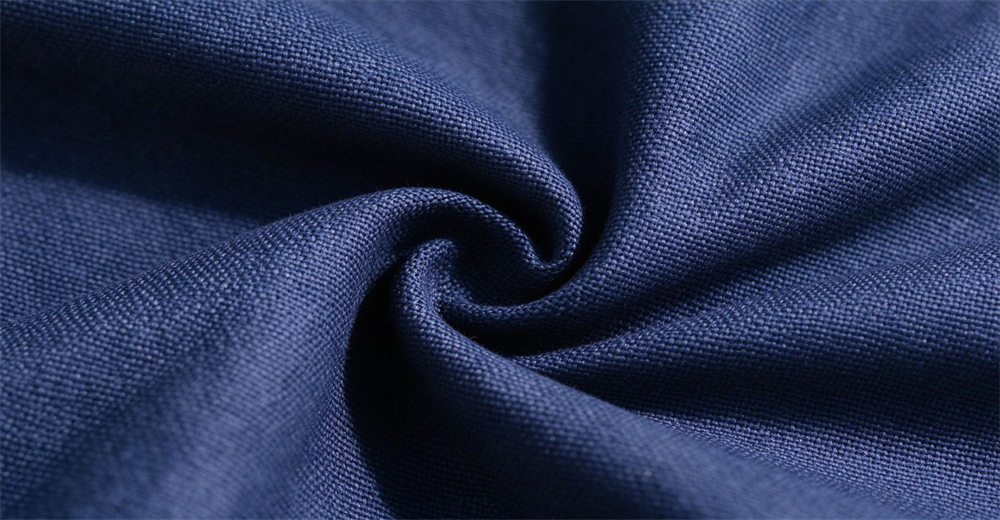
The outer shell defends against direct flame, radiant heat, and abrasion. Nomex IIIA remains the benchmark for flame resistance and durability.
Kevlar blends offer superior tensile strength for high-wear use. PBI fabrics provide enhanced thermal stability at extreme temperatures.
Each outer shell material carries distinct tradeoffs between flame resistance, tensile strength, and weight. Departments must weigh these factors against their typical call volume and budget constraints when specifying bulk orders.
Moisture barrier selection directly impacts garment breathability and chemical resistance. Crosstech offers superior liquid penetration resistance, while GORE-TEX provides proven durability across millions of field dmoisture barrier
Beneath the outer shell, the moisture barrier blocks water and chemicals while allowing vapor to escape.
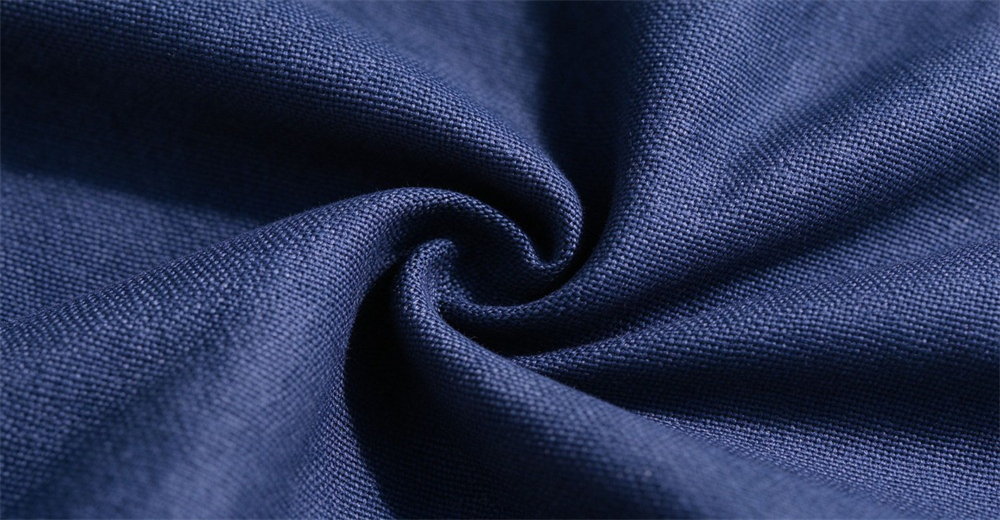
Removable liner systems allow departments to replace damaged insulation without discarding the entire garment, significantly reducing long-term ownership costs.
Thermal liner construction varies between felt and quilted designs, each offering different insulation-to-weight ratios. Felt liners provide consistent thermal protection, while quilted designs offer improved flexibility and faster drying after exposure to water.
GORE-TEX and Crosstech dominate this category, with Stedair alternatives at different price points, and a quality thermal liner prevents steam burns and maintains thermal liner effectiveness.
Departments evaluating outer shell material choices must balance thermal protection against breathability and total cost of ownership. The thermal vs moisture barrier debate often confuses buyers, but each layer serves a distinct purpose.
Each fabric layer contributes distinct protective properties that firefighters rely on during structural operations.
Each fabric layer contributes distinct protective properties that firefighters rely on during structural operations.
Understanding fire resistant fabric types helps procurement teams specify the right material for each operational role, from structural interior attack to wildland fire line construction.
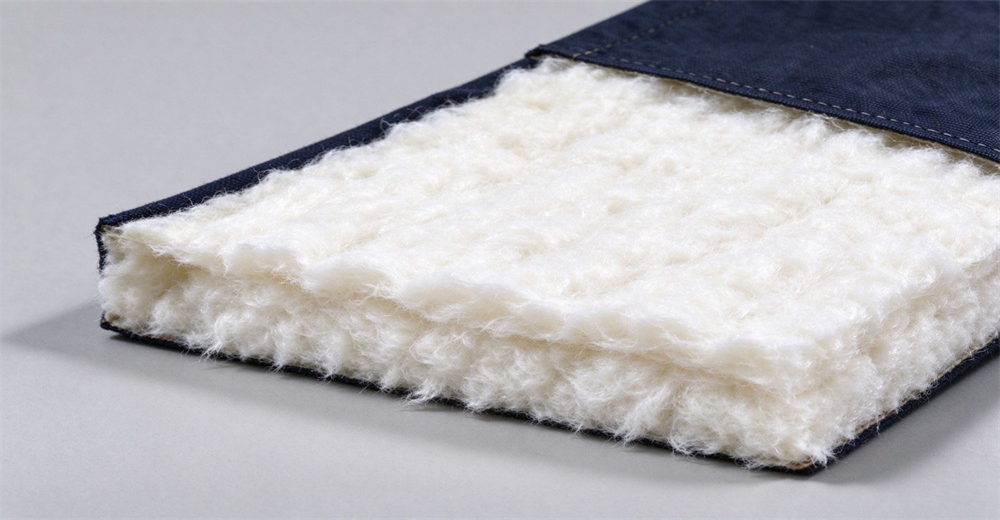
Table of Contents
Understanding Firefighter Gear Fabric Systems
Firefighter Gear Firefighter Gear Outer Shell Materials: Nomex vs Kevlar vs PBI
Moisture Barriers: GORE-TEX and Alternatives
Firefighter Gear Firefighter Gear Thermal Liner Systems and Insulation
Firefighter Gear Firefighter Gear Comfort Liners and Inner Layers
Firefighter Gear Fabric Weight and Breathability Tradeoffs
Firefighter Gear Firefighter Gear Durability and Abrasion Resistance Comparison
Firefighter Gear Firefighter Gear Cost per Wear: Fabric Value Analysis
Firefighter Gear Fabric Certification and NFPA Compliance
Firefighter Gear Firefighter Gear Wildland vs Structural Fabric Requirements
Firefighter Gear Fabric Care and Maintenance Impact
Firefighter Gear Fabric FAQ
Understanding Firefighter Gear Fabric Systems
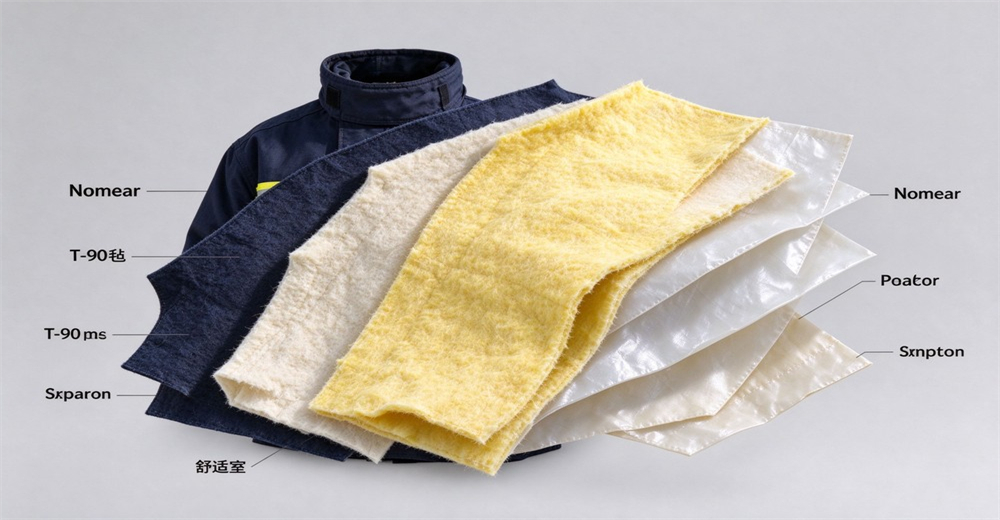
Modern structural firefighter gear material is a four-layer composite system, not a single fabric. Each layer performs a specific function, and the interaction between layers determines overall performance.
This fabric layer works in tandem with the surrounding material system to maintain thermal protection and breathability under real fireground conditions.
moisture barrierell Material Detail Quality for fire department bulk procthermal linerafety compliance">
Departments new to fr workwear fabric selection often focus only on the outer shell, but the moisture barrier and thermal liner contribute equally to protection and comfort.
Composite testing under NFPA 1971 verifies thermal protective performance and total heat loss for complete fabric assemblies, ensuring all layers work together as designed.
Composite testing under NFPA 1971 verifies that all four fabric layers work together as a complete system when assembled into the final garment. Departments should request test data from manufacturers before finalizing bulk fabric specifications.
A weakness in any layer compromises the entire system, which is why composite testing rather than individual fabric evaluation is required by NFPA 1971 certification standards.
Departments evaluating nomex firefighter gear should also consider kevlar fire suit fabric options for comparison testing before finalizing bulk orders.
Field trial programs that allow firefighters to wear candidate gear during actual operations provide the most reliable feedback on comfort, mobility, and durability across different call types and environmental conditions.
Turnout Gear Material Four-Layer Composite Structure
The outer shell is the first line of defense against flame, heat, and abrasion.
Field testing validates these fabric performance claims under real fireground conditions.
It must resist ignition, prevent charring, and maintain structural integrity under thermal stress. Beneath it, the moisture barrier prevents water and chemicals from penetrating while allowing sweat vapor to escape.
This balance of waterproofing and breathability is technically challenging and represents the most engineered layer.
The thermal liner provides insulating air pockets that slow heat transfer to the wearer. Thicker liners improve TPP ratings but reduce mobility and increase heat stress.
Thicker thermal liners improve TPP ratings but reduce mobility and increase heat stress. Departments must balance protection against wearer comfort based on their typical operational profile and call volume.
Finally, the comfort liner sits against the skin and manages moisture wicking, friction reduction, and next-to-skin comfort during long operations. Composite system testing verifies that all four layers work together as designed.
Individual layer performance does not guarantee adequate protection when assembled into the complete garment. Departments should request composite TPP and THL test data rather than relying solely on individual fabric specifications.
How Fabric Layers Work Together
No single layer can provide complete protection.
A high-quality outer shell with a poor moisture barrier will allow steam burns, because water trapped against the skin turns to steam at high temperatures.
Firefighter gear fabric layers working together moisture barrier thermal liner comfort layer cross section detail.
Similarly, a thick thermal liner with a non-breathable moisture barrier will cause dangerous heat buildup, even if each layer meets its individual specification.
Conversely, an excellent thermal liner trapped behiturnout gear fabric barrier causes heat stress because metabolic heat cannot escape.
Firefighter turnout gear fabric systems are engineered as integrated units, and mixing layers from different manufacturers can void certifications.
PBI turnout gear and gore-tex moisture barrier combinations are pre-certified by most major gear manufacturers, simplifying the procurement process.
and create dangerous performance gaps. Each layer is designed to work with specific companion layers, and the composite is tested as a complete system.
Fabric System Certification as a Whole
Under NFPA 1971, the entire composite system must be certified together, not individual layers.
This means a department cannot swap in a cheaper thermal liner without recertifying the complete ensemble. Procurement teams should request composite test data from suppliers rather than individual fabric spec sheets.
Certification covers the specific combination of outer shell, moisture barrier, thermal liner, and construction methods.
Changing any component requires recertification, which is why gear manufacturers typically offer pre-engineered fabric packages rather than allowing fully custom layer combinations.
Firefighter gear fabric system certification label check for NFPA 1971 compliance procurement documentation.
Procurement teams should remember that protective fabric selection is a long-term decision affecting both safety and budget.
The right firefighting suit material reduces injury risk and lowers total cost of ownership over the service life of each garment set.
Firefighter Gear Outer Shell Materials: Nomex vs Kevlar vs PBI
The outer shell determines flame resistance, abrasion durability, and garment weight. Nomex firefighter gear remains the most common choice,Firefighter Gear Fabricpbi turnout gear offer premium alternatives for high-volume departments.
The outer shell is also the most visible layer, affecting garment appearance and professional image. Selecting the right outer shell material requires understanding fiber chemistry, weave construction, and finish treatments.
|
Layer |
Firefighter Gear Fabric Type |
Key Function |
Common Materials |
|
Outer Shell |
Firefighter gear outer shell material |
Flame and abrasion resistance |
Nomex, Kevlar, PBI blends |
|
Moisture Barrier |
Gore-tex moisture barrier |
Waterproof and breathable |
GORE-TEX, Crosstech, Stedair |
|
Thermal Liner |
Thermal liner vs moisture barrier |
Heat insulation |
Aramid quilt, Nomex batting |
|
Comfort Liner |
Best fabric for firefighter suits comfort |
Moisture wicking |
Nomex IIIA, FR cotton blends |
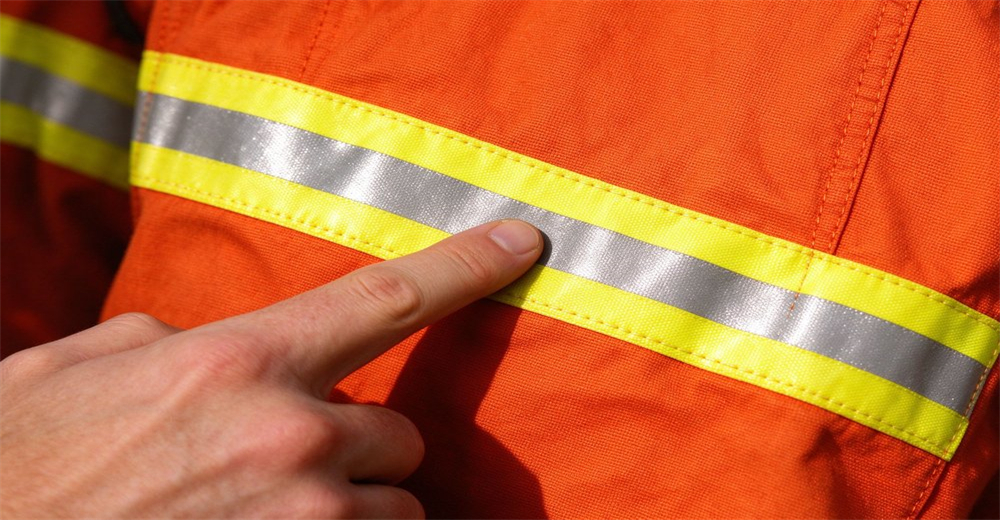
Nomex IIIA is available in multiple weaves including ripstop, twill, and plain constructions, each offering different hand feel and abrasion characteristics.
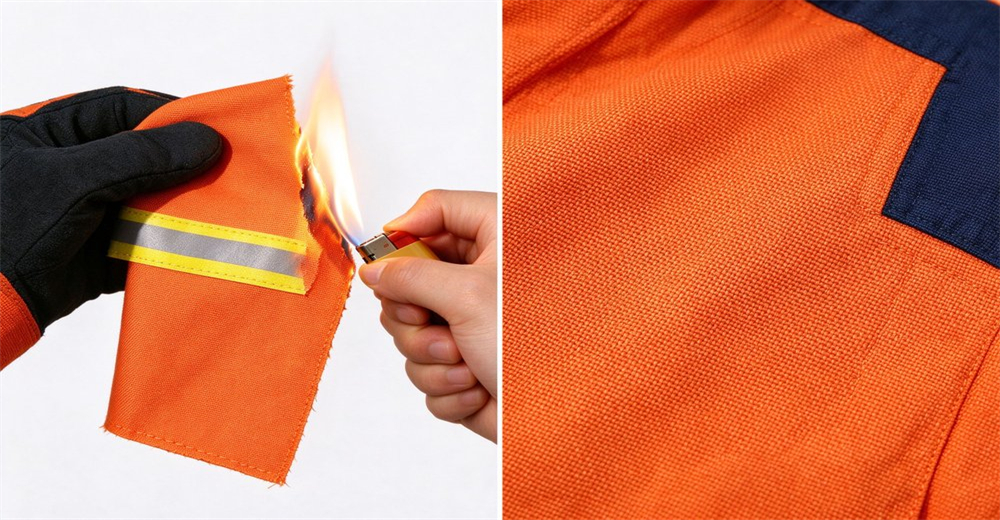
Some Kevlar blends incorporate water and stain repellent finishes. Kevlar fire suit fabric with these treatments can reduce cleaning frequency and extend service intervals. that extend service life by reducing contamination absorption.
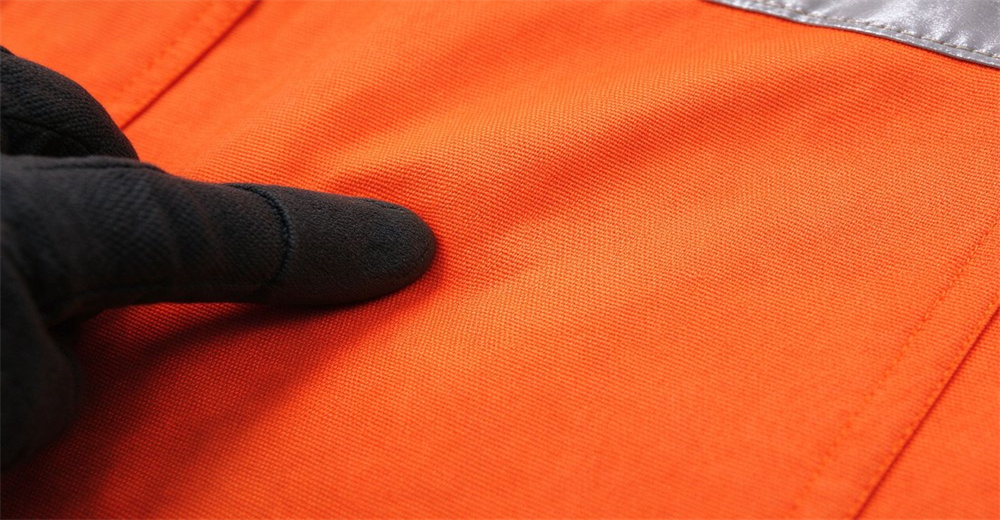
PBI Matrix is often specified for urban departments with high structural fire call volume.
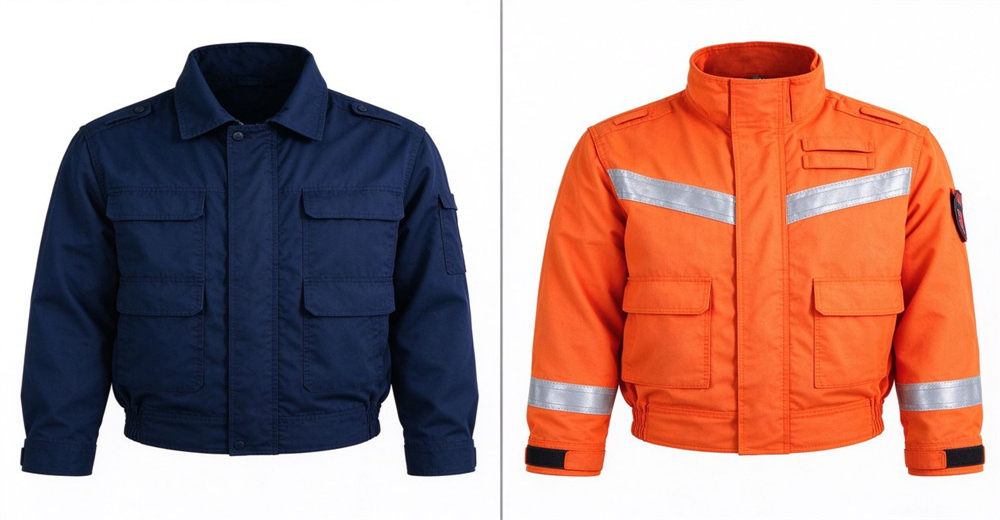
When comparing nomex firefighter gear against alternatives, departments should request sample swatches for hands-on evaluation.
Kevlar fire suit fabric options should be tested for hand feel and flexibility alongside laboratory performance data. PBI turnout gear may require special cleaning procedures that maintenance teams should understand before committing.
Firefighter Gear Outer Shell Material
Flame Resistance
Abrasion Durability
Weight (oz/yd²)
Relative Cost
Best For
Nomex IIIA
Excellent
Good
7.0-7.5
$$
General structural use
Kevlar Blend
Excellent
Superior
7.5-8.0
$$$
Rescue/extrication teams
PBI Matrix
Superior
Very Good
7.0-7.5
$$$$
Frequent structural fires
Meta-Aramid (Wildland)
Good
Moderate
4.5-6.0
$
Wildland/brush fires

Moisture Barriers: GORE-TEX and Alternatives
The moisture barrier is the most technically complex layer in protective fabric systems.
It must block liquid water and chemicals while allowing water vapor from sweat to escape.
This balance is achieved through microporous membrane technology that permits vapor molecules to pass through while blocking larger liquid droplets, reducing the risk of steam burns and heat stress during prolonged operations.
Gore-tex moisture barrier products dominate this category, but several alternatives exist for departments seeking cost savings or specific performance characteristics.
The moisture barrier also provides bloodborne pathogen protection, a critical feature for EMS and rescue operations.
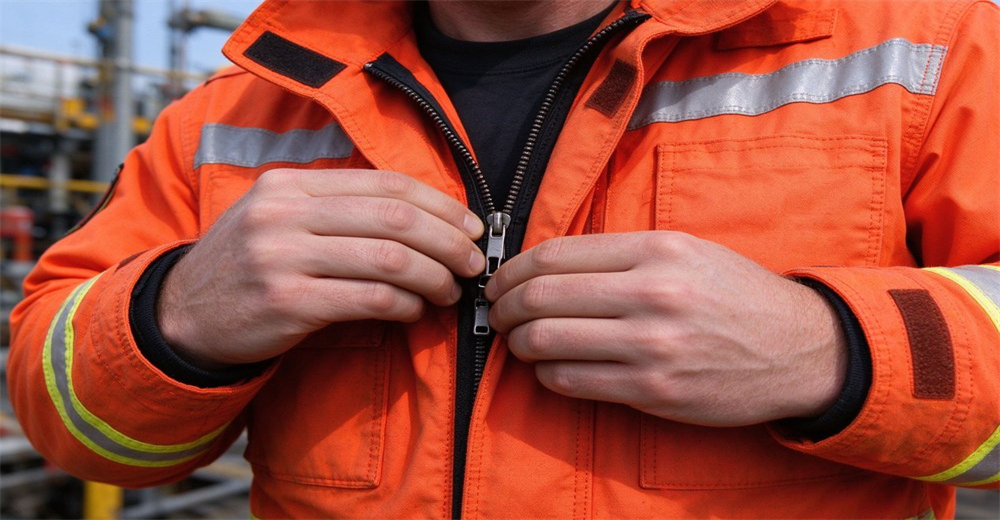
GORE-TEX Moisture Barrier Crosstech Benchmark
GORE-TEX Crosstech is the most widely specified moisture barrier in structural firefighting gear.
It provides waterproof protection, bloodborne pathogen resistance, and chemical penetration resistance while maintaining breathability. Crosstech is certified to NFPA 1971 and is compatible with all major outer shell fabrics.
The membrane uses expanded polytetrafluoroethylene.
Gore-tex moisture barrier products are available in multiple weights to match different outer shell fabric combinations. (ePTFE) technology with pores small enough to block liquid water but large enough to pass water vapor.
Crosstech also resists common firefighting contaminants including gasoline, diesel, and hydraulic fluid.
Alternative Moisture Barrier Options
Several manufacturers offer competing moisture barriers using ePTFE or polyurethane technologies. These alternatives may cost less than GORE-TEX but often have shorter service lives or lower breathability ratings.
Some alternative barriers use bi-component membranes that combine ePTFE with a polyurethane protective layer for improved chemical resistance.
Departments should request Thermal Protective Performance (TPP) and Total Heat Loss (THL) data for any alternative barrier before specifying it.
It is also important to verify that the alternative barrier has current NFPA 1971 certification with the specific outer shell and thermal liner being considered.
Moisture Barrier Failure Modes
Moisture barriers fail through pinhole abrasion, flex cracking at joints, and delamination from the outer shell.
A compromised barrier allows steam to reach the thermal liner, causing steam burns even when the outer shell appears intact.
Regular inspection of moisture barrier integrity is critical, especially at elbows, knees, and shoulder flex points where movement creates repeated stress.
Barrier degradation may not be visible from the outside, so advanced inspections should include water penetration testing or hydrostatic pressure testing.
Departments should track barrier inspection results and retire gear before barrier failure leturnout gear fabric
The gore-tex moisture barrier remains the most trusted option for departments that prioritize proven reliability.
Firefighter turnout gear fabric systems using alternative barriers should include extended warranty coverage to offset the higher risk of premature barrier failure.
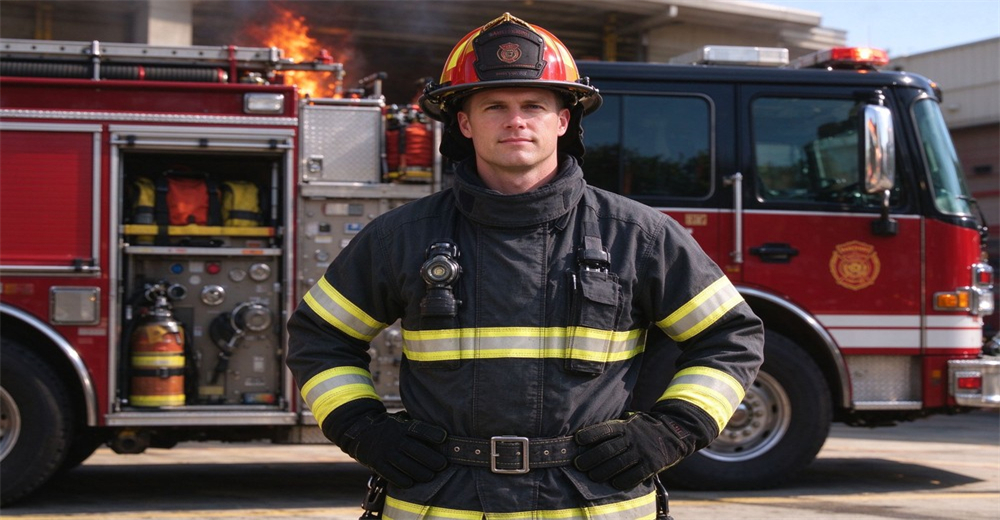
Firefighter Gear Thermal Liner Systems and Insulation
The thermal liner provides the majority of a garment's heat insulation.
It consists of one or more layers of batting quilted to a face cloth. Thermal liner vs moisture barrier confusion is common, but the thermal liner handles insulation while the moisture barrier handles waterproofing.
The thermal liner is also the layer most responsible for garment bulk and mobility restrictions, making its design critical for firefighter performance.
Thermal Liner vs Moisture Barrier Construction
Most thermal liners use two layers of aramid batting (typically Nomex or a blend) quilted to an aramid face cloth.
The batting creates trapped air pockets that slow conductive and convective heat transfer. Higher loft batting provides more insulation but adds bulk and reduces mobility.
Some premium thermal liners use spacer fabrics or engineered batting structures that maintain loft better after repeated compression and laundering. Quilting pattern also affects performance, with diamond patterns offering better loft retention than linear quilting.
The face cloth protects the batting from abrasion and provides a smooth surface against the moisture barrier.
TPP and THL: The Two Key Metrics
Thermal Protective Performance (TPP) measures how long a wearer has before a second-degree burn in a flashover condition combining radiant and convective heat.
Total Heat Loss (THL) measures how effectively the garment releases metabolic heat through the composite system.
NFPA 1971 requires minimum TPP of 35 and minimum THL of 205, but there is an inverse relationship: higher TPP usually means lower THL and more heat stress.
Departments must find the right balance based on their operational profile.
A department in a hot climate with long-duration calls may prioritize THL, while a department responding to frequent flashover conditions may prioritize TPP.
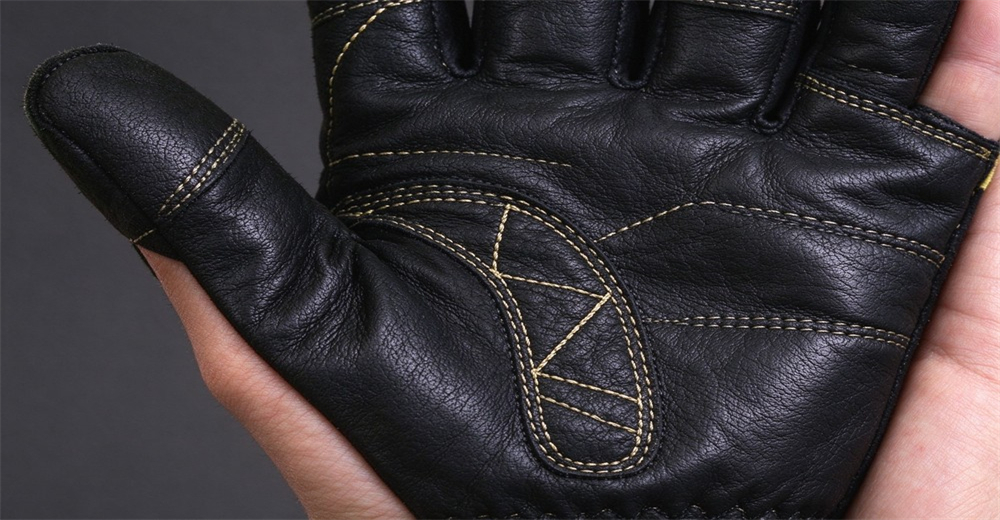
Thermal Liner Thickness and Mobility
Thicker thermal liners improve TPP but restrict movement and increase fatigue.
Departments in warmer climates often prioritize THL over maximum TPP, while departments in cold climates may accept lower THL for higher insulation. The optimal balance depends on call volume, climate, and firefighter fitness levels.
Some gear manufacturers offer adjustable thermal liners that can be removed for warm weather operations, though this adds complexity and requires careful inventory management.
Reduced-bulk thermal liners using advanced fiber engineering can maintain TPP ratings with less volume, improving mobility without sacrificing protection or thermal liner selection directly impacts how the firefighting suit material performs under real fire conditions.
Departments should request composite TPP and THL data for each turnout turnout gear fabric configuration under consideration, not just individual layer specifications.
Firefighter Gear Comfort Liners and Inner Layers
The comfort liner is the layer closest to the skin and directly impacts wearer satisfaction.
While it contributes minimally to thermal protection, it affects moisture wicking, friction reduction, and overall comfort during long operations.
A comfortable liner reduces fatigue and improves firefighter performance, making it an important consideration despite its secondary protective role.
Best Fabric for Firefighter Suits Comfort Liner
Most comfort liners use aramid knit fabrics in jersey or fleece constructions. Some premium liners incorporate silk-like fibers or moisture-wicking treatments to reduce skin friction and improve sweat evaporation.
A good comfort liner can significantly reduce chafing during extended incidents, especially at neck, wrist, and ankle openings where gear rubs against skin.
Antimicrobial treatments are increasingly common in comfort liners to control odor and bacteria growth in gear that cannot be frequently laundered.
The comfort liner also affects how easily the garment can be donned and doffed, with smoother liners reducing friction against base layers.
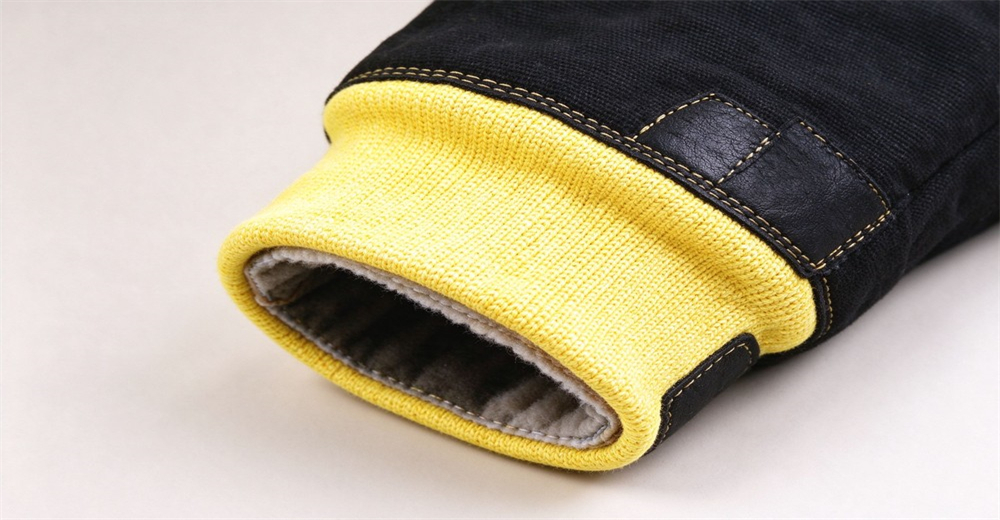
Removable vs Sewn-In Liners
Some gear systems offer removable thermal and comfort liners for separate cleaning and drying. Removable liners improve maintenance flexibility and allow for faster turnaround between incidents, but they add complexity and potential for misassembly.
Sewn-in liners are simpler and less prone to assembly errors, but they require full garment cleaning whenever the interior becomes soiled.
Departments choosing removable liners should establish clear inspection and reassembly procedures to ensure liners are correctly installed after cleaning.
Misaligned liners can create gaps in thermal protection or cause discomfort during operations.
Liner System Compatibility
All four layers must be compatible for shrinkage, flex characteristics, and certification.
Mixing a comfort liner from one manufacturer with a thermal liner from another can create hot spots or reduce THL. Always specify complete liner systems from the gear manufacturer.
Liner compatibility also extends to base layers, where synthetic non-FR fabrics can melt against the skin under thermal stress. Departments should specify FR base layers that are compatible with their turnout gear liner system to prevent melt injuries.
Comfort liner upgrades are a cost-effective way to improve satisfaction without changing the core turnout gear fabric system. Many departments find that investing in premium comfort liners reduces complaints and improves compliance with PPE wearing policies.
Fabric Weight and Breathability Tradeoffs
Fabric weight directly impacts firefighter fatigue and heat stress. Heavier firefighter gear outer shell material offers more durability but increases cardiovascular load. Modern fabric engineering has reduced weights while maintaining protection, but tradeoffs remain.
The weight of a complete gear set, including SCBA and tools, can exceed 50 pounds, making every ounce of fabric reduction meaningful.
Weight Distribution Across Layers
A typical structural turnout coat weighs between 7 and 10 pounds depending on size and fabric choices. The outer shell contributes roughly 40% of total weight, the thermal liner 30%, the moisture barrier 20%, and hardware/trim 10%.
Reducing outer shell weight by 0.5 oz/yd² saves approximately 0.5 pounds per garment set. Over a 4-hour incident, this weight reduction translates to measurable energy savings and reduced fatigue. Pants typically weigh slightly more than coats due to reinforced knees and longer coverage area.
Breathability and Heat Stress Management
Heat stress is the leading cause of firefighter line-of-duty deaths from medical emergencies. Garment breathability, measured by THL, directly affects how quickly a firefighter can dissipate metabolic heat. Departments should prioritize THL ratings when selecting gear for warm climates or high-call-volume operations.
Improved breathability also reduces core temperature elevation during rehab periods, allowing firefighters to return to service faster. Some gear designs incorporate passive ventilation features such as underarm zippers and back vents that can be opened during non-fire operations to improve heat dissipation.
Lightweight Gear Options
Several manufacturers offer lightweight gear systems using thinner outer shells, reduced thermal liner loft, and advanced moisture barriers. These systems can reduce total weight by 15-20% while maintaining NFPA 1971 certification. However, lightweight gear may have shorter service life due to thinner outer shell materials.
Departments considering lightweight gear should evaluate the expected service life reduction against the ergonomic benefits. Lightweight gear is particularly beneficial for wildland-urban interface departments where firefighters must hike long distances while carrying structural gear.
Lightweight nomex firefighter gear is increasingly popular in warm climates where heat stress is a primary concern. However, departments should verify that reduced-weight firefighting suit material still meets minimum TPP requirements for their expected fire conditions.
Firefighter Gear Durability and Abrasion Resistance
Durability determines how long gear remains serviceable and cost-effective. Firefighter gear fabric must withstand abrasion from concrete, asphalt, and debris, plus repeated flexing at joints and exposure to heat and cleaning chemicals. Durability testing provides baseline data, but real-world performance depends heavily on operational conditions and maintenance practices.
Fire Resistant Fabric Types Abrasion Testing
Outer shell fabrics are tested using the Wyzenbeek or Martindale abrasion methods, which simulate repeated rubbing against standardized surfaces. Kevlar blends typically outperform Nomex IIIA in abrasion testing by 30-50%.
PBI fabrics offer good abrasion resistance but can be susceptible to edge fraying if not properly finished. However, laboratory abrasion results do not always correlate with real-world durability, because firefighting gear faces a complex mix of abrasion, thermal exposure, and chemical contamination.
Departments should seek field performance data from similar departments when evaluating fabric durability claims.
High-Wear Areas and Reinforcement
Knees, elbows, shoulders, and crotch areas see the most abrasion and flexing. Many gear manufacturers add reinforcement patches in these areas using heavier fabric or leather. Departments should specify reinforcement at all high-wear points, especially for rescue and extrication teams.
Reinforcement can extend service life by 1-2 years in high-use applications. Some gear designs use articulated knees and elbows that reduce fabric stress during movement, indirectly improving durability by minimizing flex fatigue.
Crotch reinforcement is particularly important because this area experiences high stress during climbing and crawling.
Service Life Expectancy by Fabric Type
Nomex IIIA gear typically lasts 5-7 years in moderate use. Kevlar blend gear can last 7-10 years due to superior abrasion resistance. PBI gear offers 6-8 years of service but may show cosmetic wear earlier.
Actual service life depends on call volume, cleaning frequency, and inspection rigor. Departments tracking gear by individual firefighter can identify patterns that indicate fabric durability issues, such as premature wear in specific positions or assignments.
A structured gear tracking program provides data for future procurement decisions and helps justify budget requests for gear replacement.
Reinforcement patterns significantly affect how long any turnout gear fabric remains serviceable. Kevlar fire suit fabric with proper reinforcement at knees and elbows can outlast heavier unreinforced alternatives in high-wear applications.
Firefighter Gear Cost per Wear: Fabric Value Analysis
Initial purchase price is only part of the cost equation. Firefighter gear fabric choices affect service life, maintenance costs, and replacement frequency. A more expensive fabric that lasts twice as long may be the better value.
Departments should calculate total cost of ownership rather than comparing initial prices, because the cheapest gear often costs more over its service life due to earlier replacement and higher maintenance expenses.
Turnout Gear Fabric Comparison Initial Cost
Nomex IIIA gear sets typically cost $1,800-$2,500 per set including coat and pants. Kevlar blend gear ranges from $2,200-$3,000. PBI Matrix gear is the most expensive at $2,800-$3,800 per set. These prices include standard moisture barrier and thermal liner.
Custom features such as specific pocket configurations, specialized trim, or upgraded liners can add 10-20% to the base price. Departments should obtain detailed quotes that break down component costs to understand where the budget is allocated and identify potential savings without compromising safety.
Total Cost of Ownership Calculation
To calculate true cost per year, divide the purchase price by expected service life and add annual maintenance costs. A $2,500 Nomex set lasting 6 years costs $417/year, while a $3,000 Kevlar set lasting 9 years costs $333/year.
The more expensive gear is actually cheaper per year of service. Maintenance costs include advanced inspections, cleaning, and repair, typically running $100-$200 per set annually.
Departments should also budget for replacement of individual components such as moisture barriers, which may need replacement before the outer shell reaches end of life.
|
Turnout Gear Fabric Type |
Cost per Set |
Expected Service Life |
Annual Cost |
Best Value For |
|
Nomex IIIA |
$1,800-$2,500 |
5-7 years |
$300-$420 |
Low-call-volume departments |
|
Kevlar Blend |
$2,200-$3,000 |
7-10 years |
$250-$380 |
High-use rescue teams |
|
PBI Matrix |
$2,800-$3,800 |
6-8 years |
$400-$540 |
Frequent structural fire response |
|
Wildland Meta-Aramid |
$800-$1,200 |
4-6 years |
$150-$250 |
Wildland/brush fire teams |
Bulk Procurement Savings
Department-wide standardization on one fabric type reduces training complexity, simplifies inventory, and qualifies for volume discounts. Fr fabric wholesale pricing improves significantly when ordering 20+ sets, with savings of 10-15% compared to small orders.
Departments should also consider multi-year blanket agreements to lock in pricing and ensure consistent gear specifications across replacement cycles. Cooperative purchasing through state or regional contracts can further reduce costs while maintaining competitive pricing.
Standardization also simplifies maintenance because all gear uses the same cleaning procedures and replacement parts.
Bulk fr fabric wholesale contracts should include performance guarantees and replacement provisions for premature fabric failure. PBI turnout gear buyers should negotiate extended warranty terms given the higher initial investment per set.
Fabric Certification and NFPA Compliance
NFPA 1971 fabric requirements mandate specific performance thresholds for every layer in the composite system. Certification applies to the complete garment, not individual fabrics, and requires annual third-party testing.
Procurement teams must verify that gear being purchased carries current certification for the exact fabric combination specified. Counterfeit or expired certification is a known risk in the bulk gear market, especially for imported gear.
Key NFPA 1971 Fabric Tests
NFPA 1971 requires thermal protective performance (TPP ≥ 35), total heat loss (THL ≥ 205), flame resistance (no afterflame > 2 seconds), tear resistance, and seam strength. Each fabric layer must pass these tests as part of the certified composite.
Additional tests include heat resistance, conductive heat resistance, and compression resistance after thermal exposure. Suppliers should provide current certification documentation with every bulk order, including test reports from an accredited third-party laboratory.
Certification must be renewed annually, and gear manufactured with expired certification should not be accepted.
Verifying Certification Labels
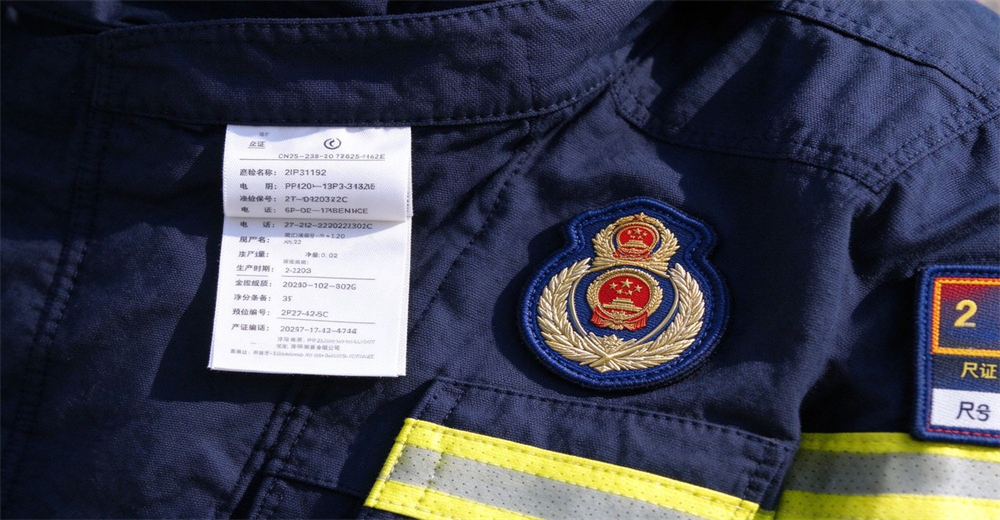
Every certified garment carries an internal label listing the certification body, standard number, and date of manufacture. Procurement teams should verify that labels match the supplier's certification documentation. The label should include the manufacturer's name, model number, size, and serial number for traceability.
Counterfeit or expired certification labels are a known issue in the bulk gear market, and departments should cross-reference certification numbers with the issuing body. Random inspection of delivered gear ensures that all units meet the certified specification.
Any gear without proper labeling should be returned to the supplier immediately.
OSHA and Additional Standards
Beyond NFPA 1971, some departments require compliance with OSHA personal protective equipment standards and EN 469 (European standard). Wildland gear must meet NFPA 1977, which has different fabric requirements emphasizing breathability over maximum thermal protection.
Some municipal procurement regulations require additional documentation such as country of origin labeling, small business subcontracting reports, or Buy American compliance. Departments should identify all applicable standards before issuing specifications to avoid procurement delays or rejected deliveries.
Certification documentation should be verified for every turnout gear fabric layer in the composite. The gore-tex moisture barrier certification must match the specific outer shell and thermal liner combination being delivered.
Firefighter Gear Wildland vs Structural Fabric Requirements
Wildland fire gear fabric differs significantly from structural gear. Wildland operations require lightweight, breathable gear for long-duration hiking and fire line construction, while structural gear prioritizes maximum thermal protection for short-duration interior attacks.
Using the wrong gear type for a given operation creates dangerous conditions, whether it is heat stress from wearing structural gear in wildland operations or inadequate protection from wildland gear in structural fires.
Wildland Fabric Characteristics
Wildland gear uses lighter meta-aramid fabrics (4.5-6.0 oz/yd²) with minimal thermal liner. The focus is on flame resistance and breathability rather than insulation. Wildland fire gear fabric must also resist embers and radiant heat while allowing maximum heat dissipation during strenuous activity.
The reduced thermal liner means wildland gear is not suitable for interior structural firefighting, where flashover conditions can overwhelm the lighter protection. Wildland gear typically includes built-in ventilation features such as mesh underarm panels and back vents to improve cooling during extended hiking.
Structural Fabric Priorities
Structural firefighter gear material uses heavier outer shells (7.0-8.0 oz/yd²), substantial thermal liners, and robust moisture barriers. The composite system is designed for flashover conditions and brief but intense thermal exposure. Mobility is secondary to protection, though modern designs have improved ergonomics significantly.
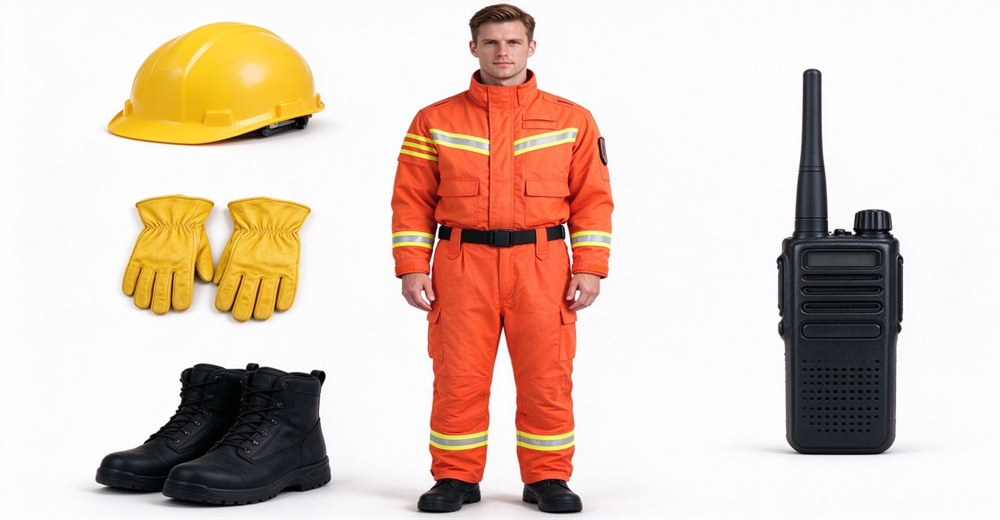
Structural gear includes reinforced knees and elbows for crawling, radio pockets for communication equipment, and drag rescue devices for emergency personnel removal.
The complete structural ensemble is designed to protect the wearer for the duration of a single air cylinder, typically 15-30 minutes of interior operation.
Dual-Role Department Considerations
Departments responding to both structural and wildland fires should maintain separate gear sets for each purpose. Using structural gear for wildland operations causes dangerous heat stress, while wildland gear does not provide enough protection for interior structural firefighting.
Fabric selection should match the primary mission profile. Some departments issue convertible gear that can be adapted for both roles, but these systems often compromise performance in both categories. The safest approach is dedicated gear for each operational environment, with clear labeling to prevent misuse.
Training programs should emphasize when each gear type is appropriate and the consequences of using the wrong gear.
Wildland nomex firefighter gear requires different inspection protocols than structural gear due to the lighter fabric weights. Turnout gear material designed for structural use should never be substituted for wildland operations, even when wildland gear is temporarily unavailable.
Fabric Care and Maintenance Impact
Proper care extends fabric life and maintains certification. Firefighter gear fabric degrades through UV exposure, improper cleaning, and chemical contamination.
A structured maintenance program protects the department's investment and ensures gear remains in safe condition throughout its service life. Neglected gear can lose protective properties without visible signs of degradation, creating hidden hazards for firefighters.
Firefighter Gear Fabric Care Cleaning Best Practices
Turnout gear should be cleaned after every significant exposure using NFPA 1851-compliant procedures. Machine washing with appropriate detergent removes contaminants without damaging fibers. Gear should never be dry-cleaned or bleached, as these processes degrade aramid fibers and moisture barriers.
Cleaning frequency depends on exposure level, with gear used in active fire operations requiring more frequent cleaning than gear used primarily for training.
Some departments use gear cleaning extractors that provide controlled washing cycles specifically designed for turnout gear, reducing wear compared to standard commercial washing machines.
Inspection and Retirement Schedules
NFPA 1851 requires advanced inspection annually and after any significant exposure. Inspectors check for abrasion, discoloration, moisture barrier integrity, and hardware function. Gear must be retired at 10 years from manufacture date regardless of condition, though heavy use often requires earlier replacement.
Inspection records should be maintained for each garment, documenting condition, repairs, and cleaning history. This documentation supports procurement planning and provides evidence of due diligence in case of injury litigation.
Departments using third-party inspection services should ensure the provider is qualified and follows NFPA 1851 procedures.
Storage and Environmental Factors
Gear should be stored in well-ventilated areas away from direct sunlight and chemical fumes. UV exposure accelerates aramid fiber degradation, while ozone and battery fumes can damage moisture barriers. Proper storage can extend service life by 1-2 years compared to gear stored in uncontrolled environments.
Gear lockers should allow air circulation around each garment and should not be located near apparatus exhaust or battery charging stations. Wet gear should be dried completely before storage to prevent mold and mildew growth, which can degrade fibers and create health hazards.
Some departments use gear drying cabinets that provide controlled warm air circulation to speed drying without damaging fabrics.
FR Fabric Wholesale Station Wear Options
Beyond turnout gear, departments need fr fabric wholesale options for station wear, uniforms, and workwear. Fr workwear fabric selection follows similar principles: flame resistance, durability, and comfort. Common station wear fabrics include Nomex IIIA shirts, FR cotton blends, and modacrylic blends for daily wear.
FR station wear is important because firefighters may respond directly. Fr fabric wholesale suppliers often offer coordinated station wear programs that match turnout gear specifications. from the station in their daily uniforms, and non-FR clothing can melt or ignite under flashover conditions even beneath turnout gear.
Departments should specify FR base layers and station wear that complement their turnout gear system for complete protection.
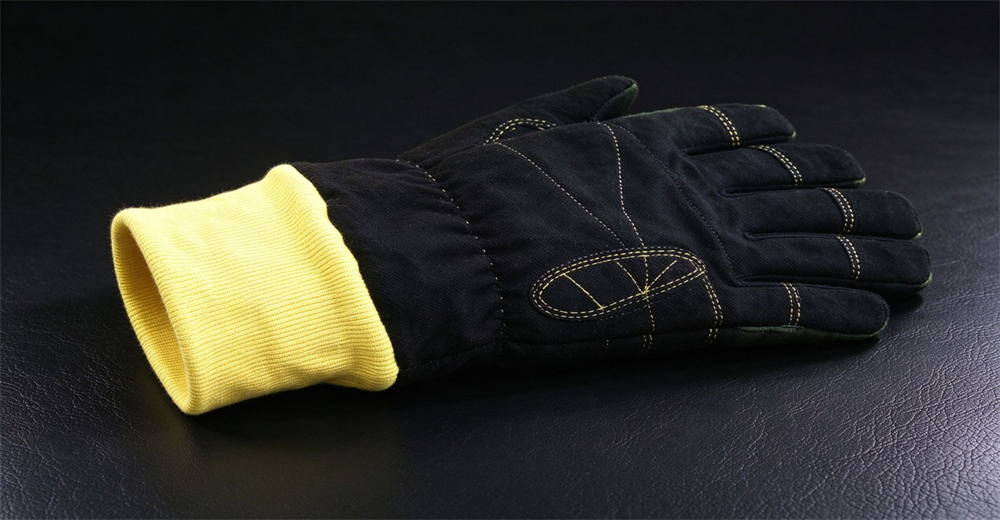
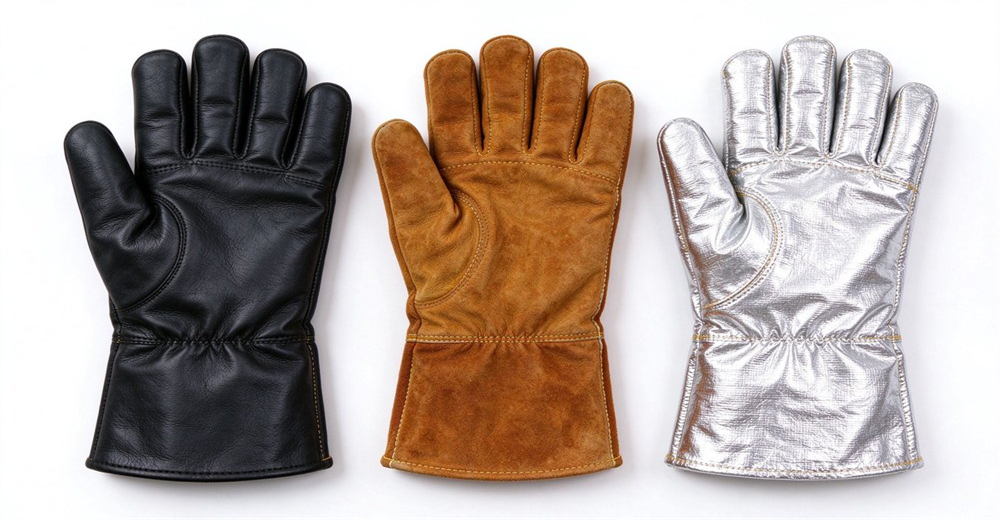
For departments needing heat-resistant hand protection, fire resistant fabric types extend to glove materials including leather, aluminized fabric, and Kevlar-knit liners. Best fabric for firefighter suits discussions often overlook gloves, but hand protection material choice significantly impacts dexterity and burn protection.
Structural firefighting gloves typically use leather outer shells with thermal liners, while proximity gloves use aluminized fabric for radiant heat reflection. Glove material should be selected based on the primary operational role, with structural gloves prioritizing dexterity and proximity gloves prioritizing thermal protection.
Understanding fire resistant fabric types across all gear categories helps departments build a cohesive PPE program. From outer shell to glove palm, every material choice affects safety, comfort, and budget.
Nomex vs kevlar fire gear remains the central decision, but the complete fabric system deserves equal attention. Departments that invest time in understanding fabric technology and matching it to operational needs will make better procurement decisions and provide better protection for their firefighters.
Proper maintenance preserves the protective properties of every turnout gear fabric layer throughout its service life. Departments using fr fabric wholesale station wear should apply the same NFPA 1851 cleaning and inspection standards to all FR garments in their inventory.
Firefighter Gear Fabric FAQ
Q: What is the best fabric for firefighter suits?
A: Nomex IIIA is the best all-around choice for most departments, offering excellent flame resistance, proven durability, and reasonable cost. Kevlar blends are better for high-use rescue teams, while PBI Matrix provides maximum thermal protection for frequent structural fire response. The optimal choice depends on your department's call profile and budget.
Q: How long does nomex firefighter gear last vs kevlar?
A: Nomex IIIA gear typically lasts 5-7 years in moderate use. Actual service life depends on call volume, cleaning frequency, and inspection rigor. NFPA 1851 mandates retirement at 10 years from manufacture regardless of condition, though heavy use often requires earlier replacement.
Q: Is gore-tex moisture barrier worth the cost?
A: GORE-TEX Crosstech is the industry benchmark for moisture barriers, offering proven waterproofing, chemical resistance, and breathability. While alternatives exist, GORE-TEX has the longest track record and widest certification compatibility across gear manufacturers. The extra cost is justified by reliability and service life.
Q: What is the difference between TPP and THL ratings?
A: TPP (Thermal Protective Performance) measures how long before a second-degree burn in flashover conditions. THL (Total Heat Loss) measures how effectively the garment releases body heat. Higher TPP means more protection but usually lower THL and more heat stress. NFPA 1971 requires TPP ≥ 35 and THL ≥ 205.
Q: Can I mix fabric layers from different manufacturers?
A: No. NFPA 1971 certifies the complete composite system as a unit. Mixing outer shell, moisture barrier, or thermal liner from different manufacturers voids certification and may create dangerous performance gaps. Always specify complete systems from the gear manufacturer to ensure certified performance.
Q: How does wildland gear fabric differ from structural?
A: Wildland gear uses lighter meta-aramid fabrics (4.5-6.0 oz/yd²) with minimal thermal liner for breathability during long-duration hiking. Structural gear uses heavier shells (7.0-8.0 oz/yd²) with substantial thermal liners for flashover protection. They are not interchangeable and should not be used for the wrong operation type.
Q: What fire resistant fabric certifications matter most?
A: Verify current NFPA 1971 certification for the complete composite system, not just individual fabrics. Check certification labels inside each garment, request third-party test reports, and confirm the certification is current and covers the exact fabric combination being purchased. Cross-reference certification numbers with the issuing body.
Q: Does more expensive fabric always mean better gear?
A: Not necessarily. PBI gear costs more but may not outlast Kevlar blends in high-abrasion environments. The best fabric depends on your department's call profile, climate, and budget. Calculate cost per year of service rather than comparing initial purchase prices to determine true value.
 Deep Blue Firefighting Suit Set, Forest Fire Fighting Specialized, Full-body Protection
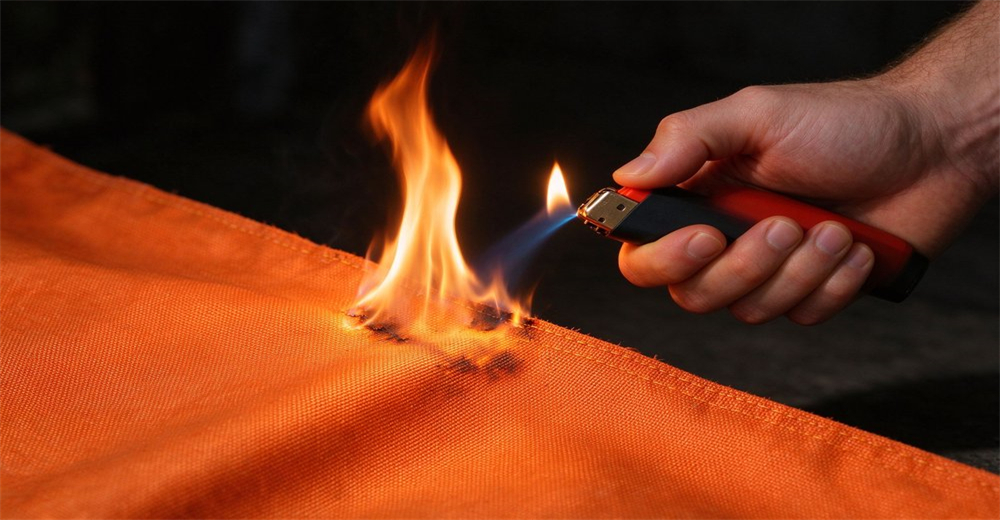
This Deep Blue firefighting suit set is specially designed for forest fire fighting, using special flame-retardant fabric that can withstand 700°C open flames in the wild, with a thermal protection value (TPP) of 25CAL/AM2. The vivid Deep Blue color combined with enhanced reflective strips enables identification from 500 meters away in forest smoke. The lightweight design of only 4.5KG does not affect mountain action speed, with a waterproof rating >40KPA, adapting to camping fire fighting and long-term field operations. The anti-plant puncture design increases wear resistance by 50%, making it professional equipment for forest firefighting, mountain rescue, and outdoor fire fighting actions, providing all-around body protection for forest firefighters.
 High-temperature Resistant Firefighting Suit Set, Emergency Rescue, Quick-wear
This high-temperature resistant firefighting suit set is made of professional-grade flame-retardant materials, capable of withstanding extreme temperatures up to 750°C, with a thermal protection value (TPP) of 26CAL/AM2, providing reliable protection for emergency rescue. The innovative quick-wear design allows complete dressing in 40 seconds during emergencies, with hydrostatic pressure resistance >45KPA and excellent breathability. Designed according to ergonomic principles, weighing only 4.8KG, it effectively reduces the burden on rescue personnel and is suitable for high-risk scenarios such as building fires, tunnel rescues, and industrial firefighting, making it an ideal equipment choice for professional firefighting teams.
 Professional Firefighting Suit Set, Flame-retardant Protection, Rescue Essential, 14-3C Certified
This professional firefighting suit set is made of high-grade flame-retardant cotton fabric, 14-3C certified, capable of withstanding extreme temperatures up to 800°C, with a thermal protection TPP value of not less than 28CAL/AM2. The three-layer composite protection structure, with waterproof static pressure resistance >50KPA and breathability >5000G/M²·24H, ensures comprehensive safety for rescue personnel in complex environments such as building fires, forest fires, and special chemical plant fires. Available in three models: 97/02/14, meeting different rescue scenario requirements.
 02 Firefighting Suit Multi-layer Composite Material Rescue Protection
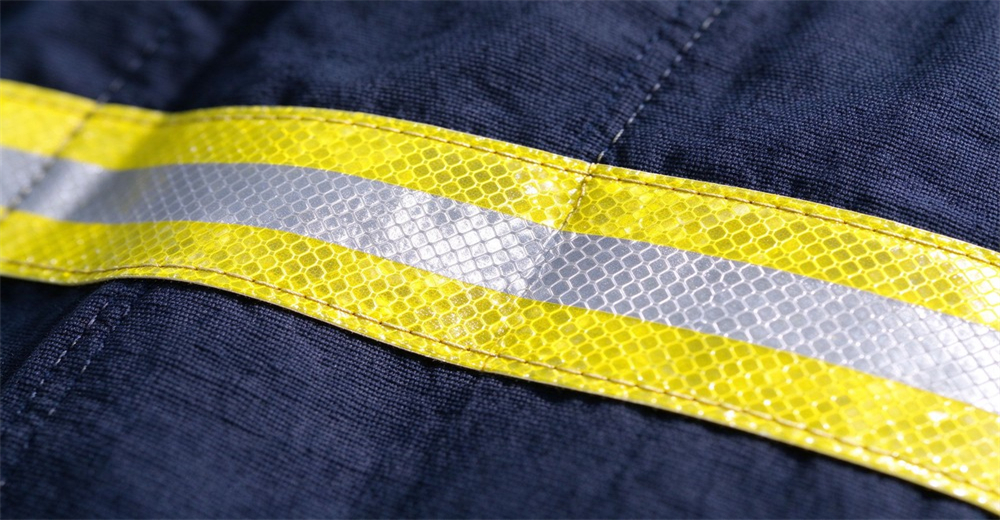
This Type 02 firefighting suit is made of professional flame-retardant materials with excellent heat resistance, fire protection grade meeting international rescue standards, and waterproof puncture resistance rate of 98%. The deep blue body is equipped with eye-catching yellow reflective strips, increasing night visibility by 85%. The complete six-piece configuration provides comprehensive protection for firefighting, forest firefighting, earthquake rescue, and other scenarios, providing reliable protection for 300+ professional rescue teams.
 Forest Fire Rescue Service with Heat-Resistant Design
This professional forest fire rescue service uses flame-retardant heat-resistant material, achieving GB8624-A2 fire rating standard with heat resistance up to 800°C, and features high-visibility reflective strips visible from 300 meters away. It's suitable for emergency rescue scenarios such as forest fires, mountain rescues, and industrial disasters, providing comprehensive personal safety protection. Each set has undergone 10,000 abrasion tests and proven its reliability and safety in over 1,500 rescue operations nationwide.
 Fire Rescue Cap, Aramid Flame-Resistant Material, Forest Fire Emergency
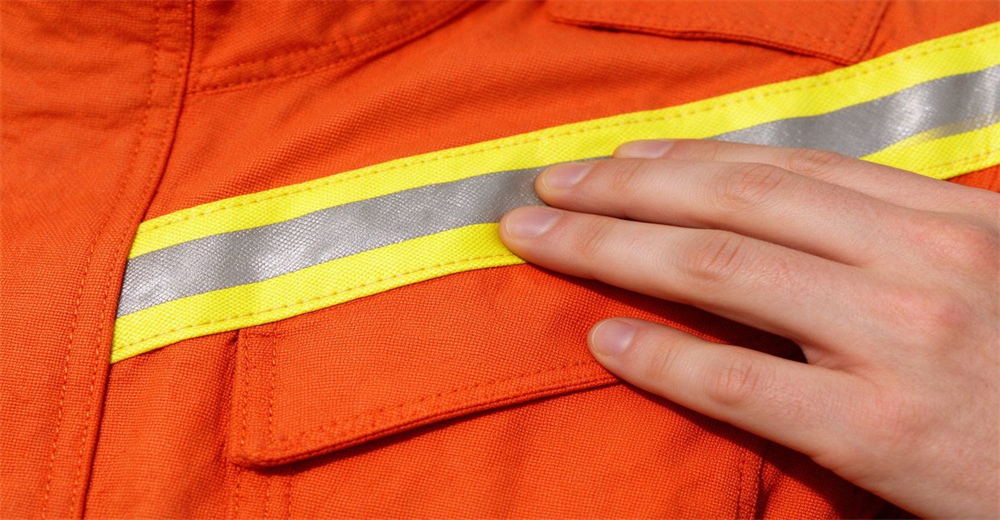
This professional-grade forest firefighting vest and hat set is made of polyester/cotton blended flame-retardant fabric, with reflective visibility up to 300 meters, capable of resisting short-term flame contact, improving protection efficiency by 85%. The bright orange design with double-layer reflective strips complies with international rescue standards, ensuring 360° visibility in smoke and low light environments. Suitable for forest fire fighting, wilderness emergency rescue, post-earthquake sites, and other emergency disaster relief scenarios, providing comprehensive protection for rescue personnel.
Copyright © Custom Disaster - Relief Bedding: Tents, Sleeping Bags, Blankets All Rights Reserved
the professional team to service !


