


This budget-controlled reserve blanket uses a target 20% wool and 80% polyester blend, a 150×200cm finished size, 220 GSM fabric and an approximately 0.92kg reference finished weight. It differs from the 50/50 model by prioritizing bulk cost, routine reserve storage and distribution efficiency. The 20% wool figure is a target ratio; final composition follows the fibre label, approved pre-production sample and order agreement within applicable industry tolerance.
Note: Price for reference only. Exact price based on quantity, size, weight and custom details.
model no. :
B2-06-ABrand:
YRFmarket price :
$14.9sale price :
$7.9price range :
30-100/$7.9 100-500/$7.5Color :
Dark Navy Blue/ Dusty Blue/ Sky Blue/ Beigeport of dispatch :
Guangdong/GuangzhouPayment :
TT, Paypal, Western Unionmin order :
30original region :
Made in ChinaLead Time :
5-15daysSize :
150 × 200 cm/180 × 220 cm or Customization |
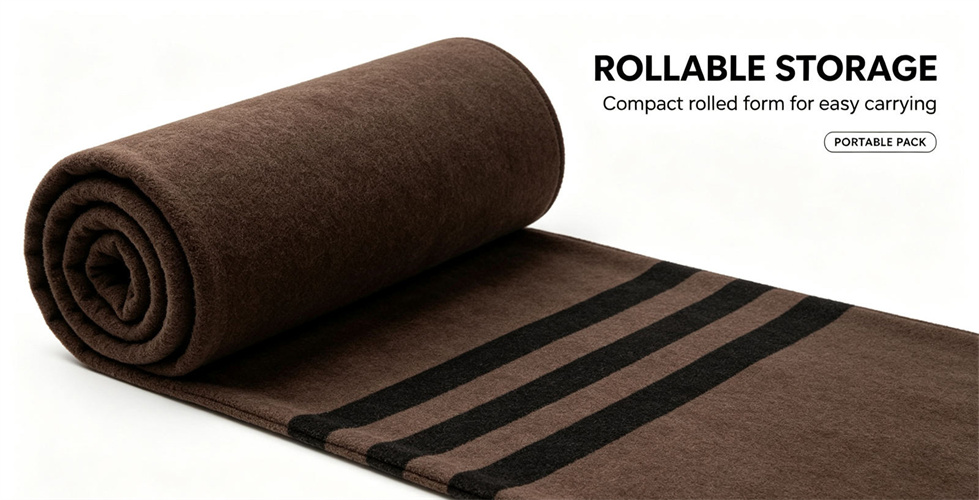


A 20% wool statement covers only part of the blend. The remaining fibre must be named consistently in the quotation, label and approved sample. Buyers should also establish whether the ratio is a target configuration or a declaration governed by an agreed method, then verify that bulk labels follow the approved version.
| Composition fields | Target wool share, remaining fibre, label language and declaration basis |
|---|---|
| Product fields | Size, GSM or piece weight, color, edging and care |
| Order fields | Quantity, packing, carton marks, inspection and destination |
A 20% wool blend has its own cost, handle, care label specification and project position. It may suit reserve or channel programs seeking a defined wool component with controlled bulk cost, but the percentage does not establish warmth, wash cycles or service life. Selection should follow the approved sample and project acceptance fields.
Suppliers may quote different dimensions, GSM, finished weight, remaining fibre and packing. Unit prices become comparable only after these fields are aligned. A lower price caused by smaller dimensions, lower finished weight or simpler packing is not a saving on the same product.
| Align first | Complete composition, dimensions, weight basis and color |
|---|---|
| Then align | Labels, unit bags, carton quantity and carton requirements |
| Compare last | Sample conformity, document support, inspection and total delivery terms |
Order Terms:
MOQ 500 units. Lead time: 10-15 days for standard orders, 15-20 days for large bulk orders, 20-35 days for customized items. Standard quotations are generally available on EXW, FOB or CIF terms; DDP can be evaluated for selected destinations according to the country, product and order requirements.
50% deposit will be required upon order confirmation to start production, and full balance to be settled before shipment.
Flexible payment arrangement can be discussed for institutional buyers and emergency relief tender projects.
Core Specs
220 GSM is fabric weight per square metre; 0.92kg is the reference finished-sample weight. They are not interchangeable. Final size, composition and finished weight follow the approved pre-production sample, complete fibre label and order agreement.
Recommended Spec: 150×200cm 220GSM, light grey/dark navy, standard PE bag packing
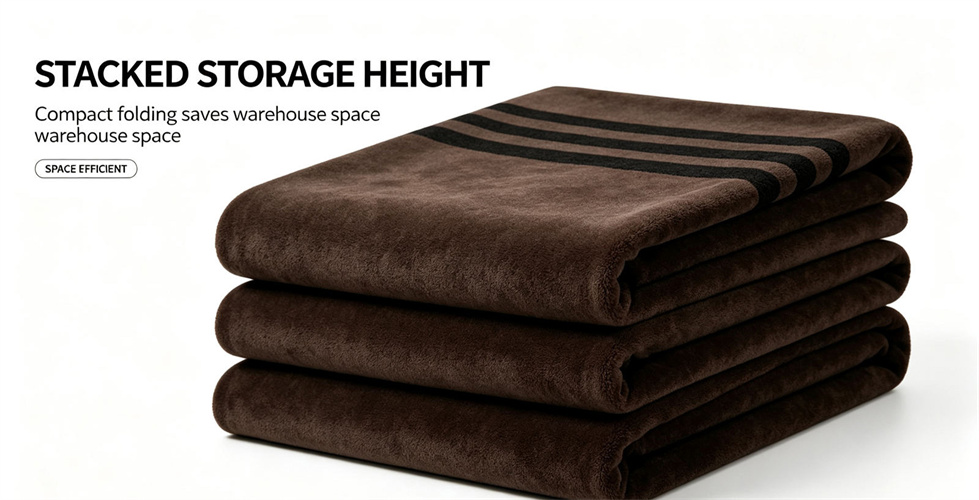
Balances cost and performance for 3-5 year long-term dry storage. 15% smaller loading volume than heavier wool blends, fits 55,000pcs per 40HQ, saving ~12% ocean freight per piece, ideal for provincial/municipal routine material reserve programs.
Pitfall Warning: Do not choose fabric below 200GSM for lower cost; it will thin and pill after first wash, and shed excessively after 2 years of storage.
Recommended Spec: 150×200cm 220GSM, olive/dark navy, bulk woven bag packing
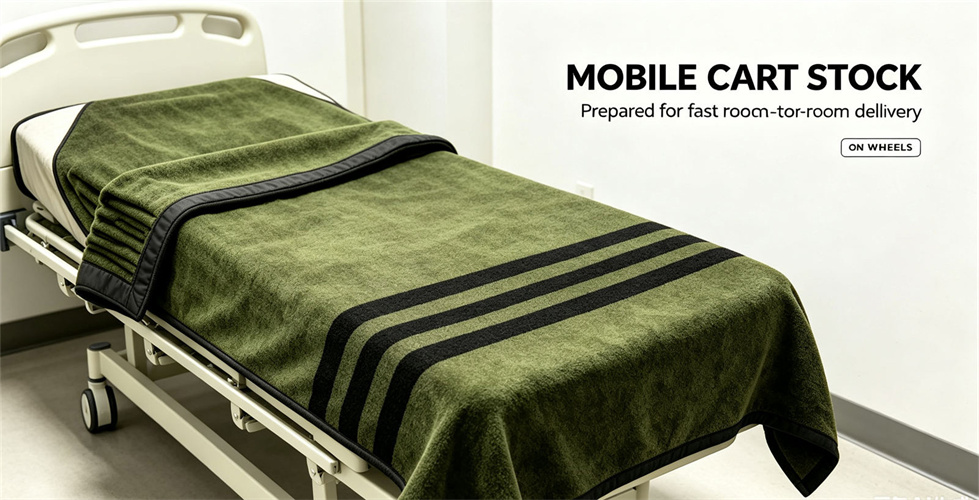
Light weight per piece, single staff can carry 25pcs at a time for 30% faster distribution speed. Soft, non-irritating handle suitable for temporary settlement point distribution, can be used directly without a duvet cover.
Pitfall Warning: Confirm double-needle edge construction; single-needle edges will fray easily during bulk handling and distribution.
Recommended Spec: 150×200cm 220GSM, multi-color optional, custom color box packing
Better perceived quality than 100% polyester blankets with visible wool content, 8% higher resale value for retail and labor welfare channels, supports custom packaging for brand owners.
Cost Saving Tip: Single color printing on standard PE bags is free for orders over 10,000pcs; custom packaging has separate surcharge.
Recommended Spec: 150×200cm 220GSM, vacuum compressed packing
Compressed volume only 12*8*5cm, 40% smaller than unpacked, fits standard home and car emergency kit sizes without taking excess storage space.
Pitfall Warning: Vacuum packed products must pass 6-month rebound testing to avoid permanent creases that cannot be flattened after long storage.
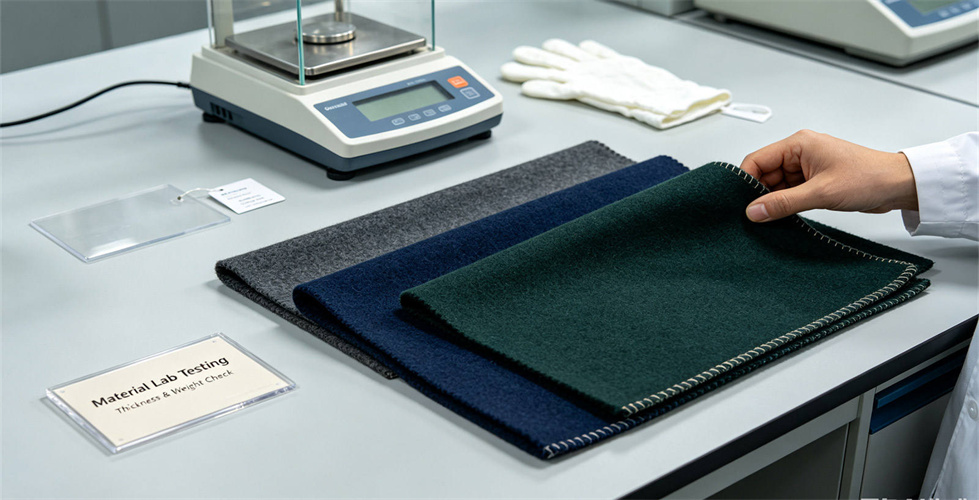
Approve fibre labels, care symbols, item codes and batch identification before production. A repeat order should not rely on an old product name alone. Changes in raw material or finishing can alter handle and appearance, so review the new batch sample or first piece.
Inspection should cover composition labels, dimensions and weight basis, color, edges, surface defects, odor, packing and quantity. SGS testing or OEKO-TEX related documents are used only when genuinely held and applicable to the product, batch and destination market.
This blend can suit budget-controlled institutional reserves, relief distribution, wholesale channels and programs requiring an identified wool blend. For tenders specifying 50/50 or a higher wool ratio, please refer to our heavy weight wool blend series. A compact-loading objective also needs a separate packing trial.
Fake Certificates: Suppliers provide edited OEKO-TEX/SGS reports where actual products do not meet standards, leading to customs detention or project rejection.
Self Check: Verify report numbers on the issuing agency's official website; request third-party testing for bulk goods if needed.
Our Prevention: All certificates are authentic and verifiable, we support third-party on-site inspection, and unqualified goods will be reworked per contract terms.
Size Shortage: Marked 150×200cm, actual size runs 140×190cm, failing to cover an adult body and reducing usable area.
Self Check: Randomly measure 10 pieces from different cartons; size error over ±2cm is unqualified.
Our Prevention: Fixed cutting dies are used, with 100% finished size inspection, error controlled within ±1.5cm.
Inconsistent Batches: Bulk goods have different color, thickness or handle from the approved sample, with partial qualified and partial unqualified units.
Self Check: Inspect 10% of units from different carton numbers, compare directly with the sealed sample.
Our Prevention: Same orders use the same batch of yarn and fabric; samples are sealed before production, and bulk goods match the sealed sample within industry tolerance.
Damaged Packing: Thin cartons or unsealed inner bags lead to damp, moldy product during ocean shipping or long storage.
Self Check: Check carton thickness and inner bag sealing before loading; confirm no broken packages.
Our Prevention: 5-layer corrugated cartons, sealed inner PE bags, desiccant added for long-distance shipping.
Incorrect Label Information: Misprinted composition labels with wrong wool content lead to customs penalties or consumer complaints.
Self Check: Confirm label content against the approved draft before bulk production.
Our Prevention: Label drafts are confirmed in writing by customers before printing; 100% label check during packing.
False Wool Content: Marked 20% wool, but actual wool content runs below 12%, or uses recycled wool waste instead of new wool, leading to poor handle and excessive lint.
Self Check: Send random samples for fiber content testing, or do a simple burn test: pure wool smells like burning hair with loose, crushable ash; polyester melts into hard beads.
Our Prevention: Each fabric batch is tested for wool content, controlled at 20%±1.5%; test reports are provided with bulk shipments.
GSM Weight Shortage: Marked 220GSM, but actual fabric weight runs only 180-190GSM, resulting in thin, semi-sheer fabric with poor warmth retention.
Self Check: Simple check: weigh a full finished blanket, standard weight is 0.92kg±0.05kg; units under 0.85kg are underweight. For formal inspection, cut a 10×10cm fabric swatch and weigh to calculate GSM; error over ±5% is unqualified.
Our Prevention: Every fabric roll is tested for GSM upon factory entry; unqualified fabric is returned directly.
Excessive Lint & Pilling: Short staple waste fiber is used, leading to heavy lint shedding after unpacking and severe pilling after first wash, with loose fiber sticking to clothing.
Self Check: Rub fabric firmly 20 times with a dry hand; obvious lint transfer to hand is unqualified. Request pilling grade test reports for bulk orders.
Our Prevention: We use carded long-staple wool; every blanket passes through a lint suction machine before packing, with pilling grade ≥2.5 (slight pilling, no impact on normal use) after 40℃ washing.
Single Needle Edge Fraying: Single-needle stitching is used on edges to cut cost, leading to loose stitches that fray after 1-2 washes or during transport.
Self Check: Pull edges firmly; loose stitches or fraying indicate unqualified construction.
Our Prevention: All stress points use double-needle reinforcement; seam slippage testing is conducted every 200 pieces, with seam strength ≥50N meeting industry standards.
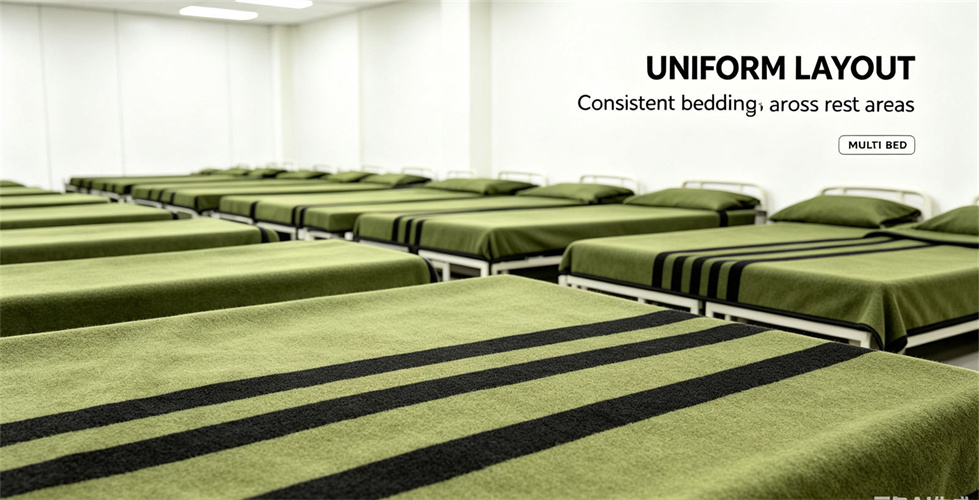

Wool Input Ratio vs Net Wool Content: Input ratio is the weight of wool put into production; net content is the actual wool percentage in finished fabric (some wool is lost during spinning and weaving). Unscrupulous suppliers quote input ratio as finished content to falsely claim higher wool percentages. This can cost you 8-12 cents per piece extra for lower actual wool content. Always confirm net wool content on official test reports, not input ratio.
GSM (Grams per Square Meter): GSM is fabric weight per square meter, separate from single piece finished weight. 220GSM means 1㎡ of fabric weighs 220g; single piece weight is calculated by size + GSM + edge/binding weight. Confusing these two metrics leads to incorrect weight judgments, and you may receive thin fabric while paying for standard weight. Always confirm both GSM and single piece weight in contracts.
Double-needle Reinforcement: Two rows of stitching on edges and stress points, compared to single-needle stitching which only has one row. Double-needle construction is twice as durable and resists fraying. Single-needle products are 3-5% cheaper but have a 30% higher damage rate during distribution and washing. For bulk reserve and distribution, always select double-needle edge construction.
Carbonized Wool: Wool treated with high-temperature carbonization to remove grass, impurities, eggs and bacteria, compared to untreated raw wool which contains impurities and is prone to insect infestation. Carbonized wool can be stored for 5 years without insect damage, while untreated wool may develop infestation after 1 year of storage. Do not select untreated wool for long-term reserve, as it can lead to bulk product loss.
Pilling Grade: Tested via Martindale pilling tester on a 1-5 scale, with higher grades indicating better performance. Grade ≥2.5 means slight pilling that does not affect use; grade ≤2 means heavy pilling after washing. Low pilling grade products look worn after one wash and are unsuitable for welfare or distribution use. Confirm pilling grade ≥2.5 in acceptance standards for this blend.

The remaining fibre is part of the product identity and must be shown as a project-confirmed field together with dimensions, weight, surface, edging, color and packing options. If the current order has not locked the other 80%, it should be confirmed separately from a fixed polyester or alternative composition. Keep it explicit for sample and order approval.
A lower wool target may serve budget-controlled institutional or wholesale programs, but price comparison must also cover dimensions, finished weight, packing, labels, testing and transport volume. We should return alternatives on the same basis so the buyer can see whether a lower price results from an actual efficiency or a reduced specification.
The sample should show handle, pile face, edging, drape, folded volume and label content together. When comparing it with a 50/50 or higher-wool configuration, keep dimensions and weight basis consistent. This isolates the effect of the blend configuration instead of confusing it with a different construction.
Complete composition should agree across the quotation, approval-sample label, production label and packing documents. Care symbols must fit the confirmed configuration and destination requirement. Do not promise a number of wash cycles without an agreed method and applicable result.
The buyer provides the complete composition target, use, quantity, dimensions, weight, color, care, packing and destination. We then confirm feasible materials, sample process, label layout, applicable documents and bulk acceptance fields before issuing the formal quotation.
A 20% wool quotation begins by naming the other fibre, because most of the blend remains undefined when only the wool share is stated. The table then aligns cost comparison, surface, care, packing and repeat-order controls. This lets a budget-managed project compare a complete product rather than a percentage headline.
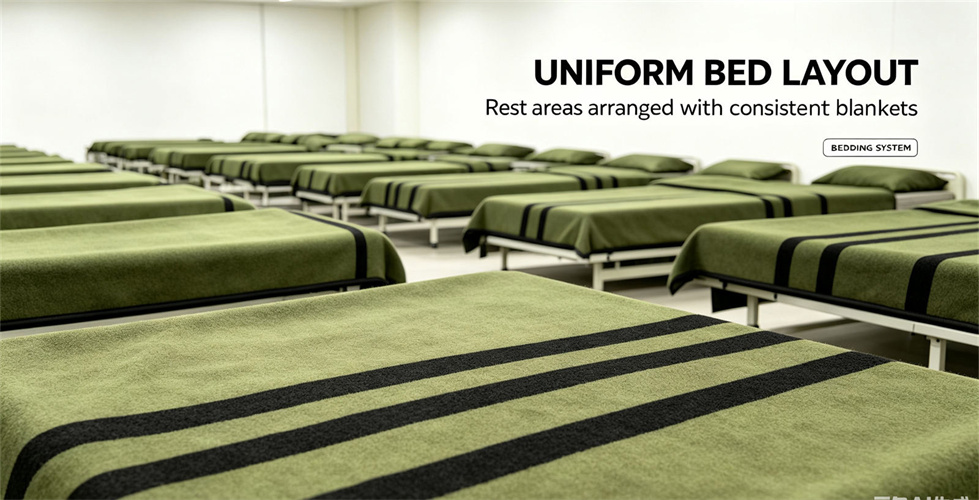
| Status | Decision field | Buyer selection or method | Supplier output / confirmation step |
|---|---|---|---|
| Required for RFQ | Composition | State 20% wool and identify remaining fibre | RFQ step: Align all order documents |
| Required for RFQ | Cost basis | Compare equal size, weight and packing | RFQ and sample step: Return like-for-like quotation |
| Required before production | Surface | Approve handle, pile and drape | Sample step: Provide controlled sample |
| Required before production | Care | Confirm symbols for final blend | Pre-production step: Prepare label proof |
| Required before final packing | Packing | Select fold and carton around distribution | Packing-trial step: Run packing trial |
| Project option | Repeat order | Reference composition and sample version | Artwork or reorder step: Reconfirm material changes |
Return the full composition wording, an equal-basis sample and a quotation that keeps dimensions, weight and packing visible. Provide the care-label layout and explain any substitution before approval. For repeat orders, use the composition and sample confirmed version together so the lower wool target remains a controlled configuration rather than a loose commercial label.
Verify the complete composition first, then compare total delivered conditions at the same dimensions, weight and packing. A lower price created by a smaller item, lighter finished weight or missing label support is not a like-for-like offer. The supplier should return the full blend, sample, care label and aligned quotation so the buyer understands the intended balance between budget and material character.
After selection, combine complete composition, sample reference, size and weight basis, color, edging, label language, unit pack and carton requirements in one production confirmed version. Any change should state its effect on price, sample and delivery conditions. Bulk checks then compare label content, appearance, measurements and packing quantities, turning the 20% wool configuration into an order identity traceable from quotation to receiving.
Regular sample fee is 30-50 USD per piece; sample fee plus shipping and special testing fees are prepaid by customers in advance, and fully deducted when order quantity reaches 10,000 pieces or total order value exceeds 50,000 USD.

Regular sampling takes 3-5 days; special testing takes 7-10 working days to issue official reports.
Our factory does not hold ready GRS certification (high annual renewal cost, which most factories in the industry do not carry), but we can normally produce rPET (recycled polyester) blended products. Regular rPET products come with third-party recycled content test reports. If customer projects mandate GRS certification and batch TC certificates, this can be arranged separately; certification costs and extra lead time will be disclosed in advance, with certification fees prepaid by customers and deductible per the above policy for qualifying orders. We never produce fake certificates.
All production follows approved sealed samples, supports full-process inspection to ensure consistency, meets relevant international standards, and can satisfy corresponding bidding requirements.
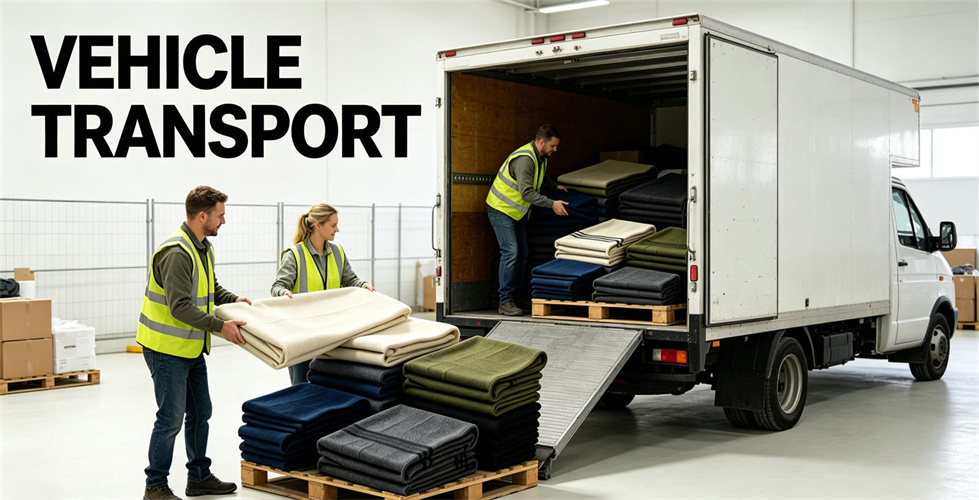
Standard packing: single piece PE bag, 20 pieces per woven bale or 30 pieces per carton. We support vacuum compression, color box and custom bundle packing as requested.
Standard loading capacity: 55,000pcs per 40HQ (standard PE bag packing); 80,000pcs per 40HQ (vacuum compressed packing).
Pitfall Warning: Vacuum compressed products must pass 6-month rebound testing to avoid permanent creases that cannot be flattened after long storage.
Store in dry, ventilated warehouses, kept 15cm above ground, away from direct sunlight and moisture. Carbonized wool in sealed packaging can be stored for 5 years without mold or insect damage under recommended conditions. Optional moth repellent sachets are available for long-term storage orders at no extra charge for bulk orders.
Support shipment from Shanghai, Ningbo, Guangzhou, Qingdao and other major ports; support split delivery by batch, and delivery to customer-designated warehouses as requested.
Support custom woven labels, wash care labels, carton marks, logo printing and multi-language labels. All composition labels strictly match actual product content, with no false marking.
Cost Saving Tip: Black and white standard label printing is free for bulk orders; custom woven labels have a small surcharge for MOQ under 5000pcs.
The sample should confirm material, finished size, GSM or piece-weight basis, color, edge finish, label position and unit packing before it becomes the reference for bulk production.
Check the report title, tested item, product or material scope, report holder and applicable batch. The document name alone should be checked separately from coverage.
Lock the sample ID and specification confirmed version before production, then use the agreed sampling plan to compare appearance, dimensions, weight basis, edge finish, labels and packing.
Record GSM as fabric weight per square metre and record finished piece weight separately. Confirm both measurement methods on the approved sample before using them for bulk acceptance.
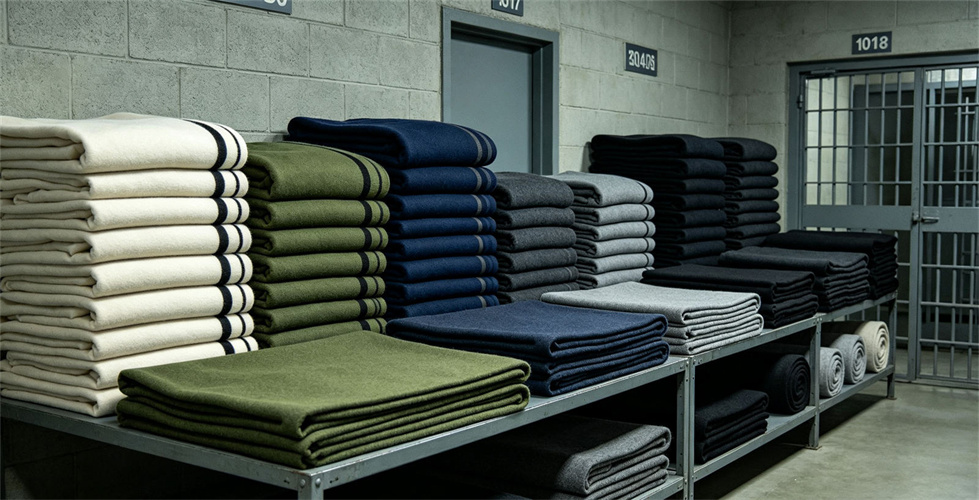
Which color reference controls bulk acceptance?
Use the approved physical swatch or retained sample. Screen display and ordinary photographs can support review but should not become the final color acceptance standard.
Confirm the edge finish method, width, thread color, stitch spacing, corners and visible defects on the approved sample, then include these points in bulk inspection.
Approve the wording, language, size, position, artwork confirmed version and product identity in writing. Bulk labels should be checked against that approved file and sample.
Issue one RFQ sheet covering complete composition, dimensions, weight, packing, labels, inspection and destination. Issue one comparison sheet covering complete blend, size, weight, finish, packing and inspection, so each supplier prices the same deliverable. This prevents later price changes caused by suppliers interpreting missing fields differently.
This 20% wool blend focuses on cost control, bulk reserve and distribution efficiency, making it most cost-effective for routine reserve, relief distribution and wholesale use. 50% wool blend offers better warmth and softer handle, suitable for cold regions and repeated use scenarios. Select based on your project budget and use scenario; there is no need to blindly pursue higher wool content.
A small amount of surface lint on first wash is normal for wool products, and will not occur in subsequent washes. It can be machine washed on gentle cycle at 40℃; do not bleach, do not wash in hot water, lay flat to dry after washing, and avoid long-term exposure to strong sunlight.
Our wool is carbonized to remove impurities and eggs, with sealed inner packaging; it will not grow mold or insects for 5 years in dry, ventilated environments. We recommend storing on shelves away from ground level with regular warehouse ventilation; optional moth repellent sachets are available for bulk long-storage orders.
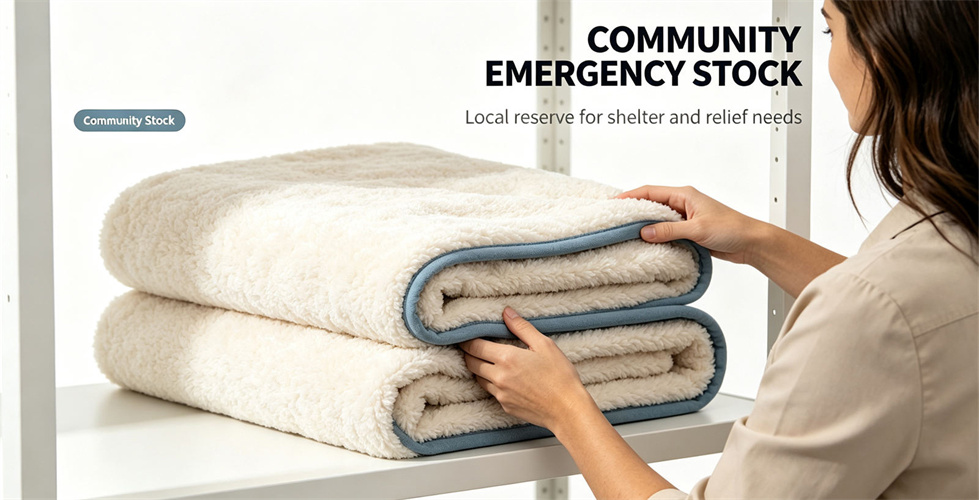
We are a direct factory with in-house spinning, weaving and finishing lines, with no middleman markup. We control costs through large-scale raw material stock and standardized production, not by cutting material weight, lowering wool content or using recycled fiber. Every batch comes with a composition test report, supports third-party inspection, and unqualified goods are handled per contract terms. Prices below our production cost line typically come from suppliers using false content claims, lower GSM or recycled wool, which we do not produce.
We hold regular grey fabric stock for emergency projects, and can schedule production within 72 hours. Standard emergency lead time is 7-10 days for quantities under 50,000pcs, subject to raw material stock status at order time. Emergency orders receive priority production scheduling.
We seal samples before production, and bulk goods are produced strictly per sealed sample standards within industry tolerance. If bulk goods do not match the sample in composition, size, weight or quality, we support rework, replacement or refund per contract terms, and cover related reasonable losses. We support third-party inspection before shipment; balance payment is only due after inspection passes.
With these four required inputs, we can return a like-for-like quotation within 24 hours, including: formal itemized quotation, 3 standard reference samples (freight collect), project acceptance standard sheet, and accurate container load calculation for your shipment. Custom projects then confirm composition tolerance, surface finish, care instructions and packing details.
 |
Emergency Relief Blanket Bulk SupplierCompare related blanket product lines and procurement routes. |
 |
 |
Disaster Relief Blanket Supply Solutionfor Stockpiles and Field DistributionReview product selection, packing and supply planning for this application. |
How to Verify Emergency BlanketMaterials Before a Bulk OrderRead the related buyer guide before confirming specifications and packing. |
 |
 |
50% Wool Blend Heavy Duty EmergencyBlanket for Cold Region Bulk SupplyCompare this related blanket option with the current configuration. |
100% Polyester Disposable EmergencyBlanket for One-time Relief DistributionCompare this related blanket option with the current configuration. |
© 2026 YRF Emergency Textile Manufacturer | 20 Years Emergency Relief Manufacturer
Professional manufacturer of emergency blankets, relief tents, sleeping bags and other emergency supply textiles
Previous :
High Wool Content Reserve Blanket for Institutional Bulk SupplyNext :
50/50 Wool Polyester Blanket for Reserve and Institutional Supply Polyester Flannel Relief Blanket for Lightweight Shelter Supply
This 100% polyester flannel relief blanket uses a 150×200cm finished size, 180 GSM fabric and an approximately 0.82kg reference finished weight for lightweight shelter distribution. It differs from the 300 GSM reserve flannel blanket. This model prioritizes lower unit weight, bulk transport efficiency and rapid issue. The regular reserve model is for longer storage and repeated use. Note: Price for reference only. Exact price based on quantity, size, weight and custom details.
 90% Wool Blanket, 550g Blue Buffalo, Germ-Free Emergency Aid - YRF
This 90% wool blanket, designed for emergency aid scenarios, weighs 550g, making it lightweight and easy to carry. The Blue Buffalo appearance is both calm and dirt - resistant, suitable for use in various complex emergency environments. With a 90% wool content, it ensures excellent warmth - retention and a soft touch. Moreover, its 90% germ - free feature provides a hygienic and comfortable guarantee for the recipients, making it an excellent choice in emergency aid operations.
 Military 80% Wool Blanket, 450g Tactical Antibacterial Ops - YRF
This military - designed 80% wool blanket, crafted specifically for special operations, weighs only 450g. It is lightweight and portable, ensuring it doesn't impede combat operations. The high 80% wool content offers excellent warmth - retention and a soft touch. The integration of tactical fibers enhances the blanket's durability and functionality. With a 90% antibacterial rate, it can effectively inhibit the growth of bacteria, safeguarding the health of soldiers in special combat environments. It is a reliable piece of equipment for special operations.
 Army Camp Emergency Relief Blanket 50% wool 50% Chemical Fibre Green/blue/beige Flannel 600 grams 71X90Inch
Our bedding sets for emergency relief and humanitarian assistance. Military and national defense. Fire department, medical care department. Prison facilities, government agencies and the police. Camping, picnicking and outdoor leisure are proud to provide high-quality bedding solutions. We are committed to bringing innovation and technology to every user to make you have a good dream every day.
 China Relief Blanket 40% wool 60% Chemical Fibre Pure Colour waRmeR 400 grams 71X90Inch Hospital Relief Blanket
Our Forces 100% Cotton Soft Flat Sheet for emergency relief and humanitarian assistance. Military and national defense. Fire department, medical care department. Prison facilities, government agencies and the police. Camping, picnicking and outdoor leisure are proud to provide high-quality bedding solutions. We are committed to bringing innovation and technology to every user to make you have a good dream every day.
 TRoops 20% wool 80% Chemical Fibre Pure Colour Double Layer 400 grams 200X230CM Emergency Relief Blanket
Our Infantry 100% Cotton Bed Fitted Sheets for emergency relief and humanitarian assistance. Military and national defense. Fire department, medical care department. Prison facilities, government agencies and the police. Camping, picnicking and outdoor leisure are proud to provide high-quality bedding solutions. We are committed to bringing innovation and technology to every user to make you have a good dream every day.
Copyright © Custom Disaster - Relief Bedding: Tents, Sleeping Bags, Blankets All Rights Reserved
the professional team to service !


